UK Supports US Seizure of Russian Shadow Fleet Tanker
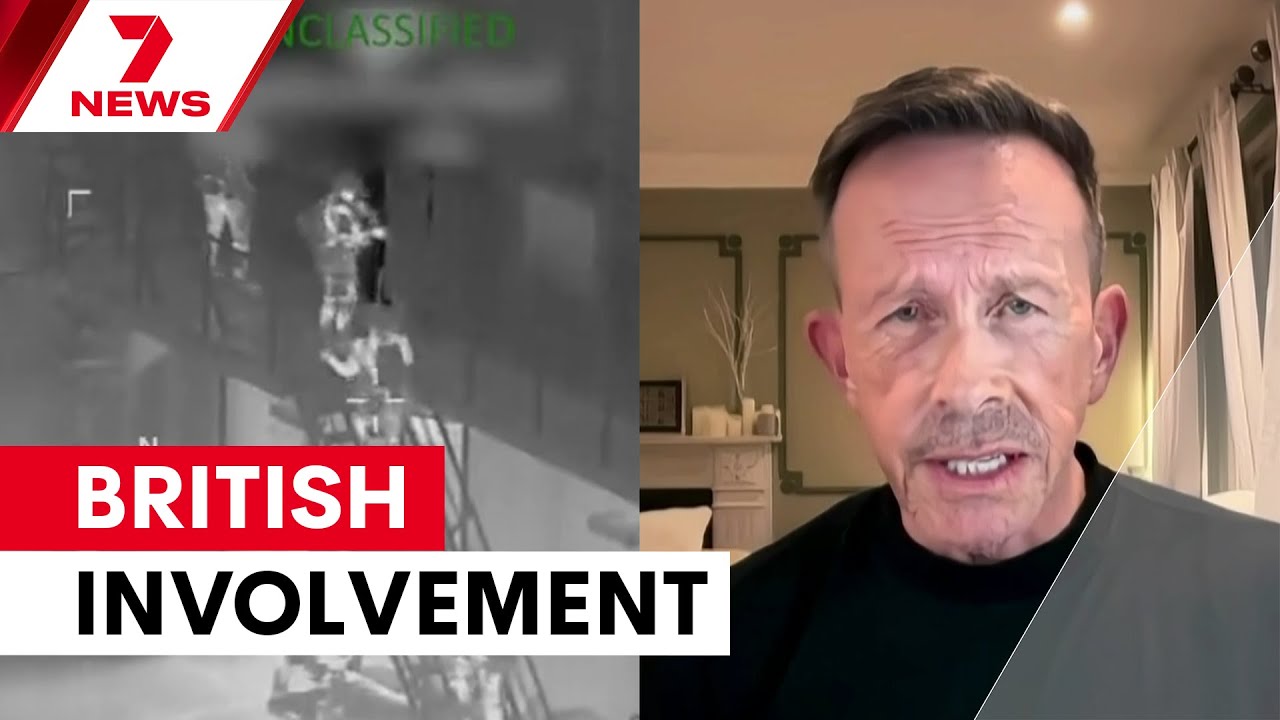
Table of Contents
- Joint operation targets a stateless tanker at the centre of sanctioned oil trades
- How the interdiction unfolded and why it matters
- What the "shadow fleet" is and how it operates
- Legal and political implications
- Impact on Russia, Venezuela and global energy flows
- Key takeaways
- FAQs
Joint operation targets a stateless tanker at the centre of sanctioned oil trades
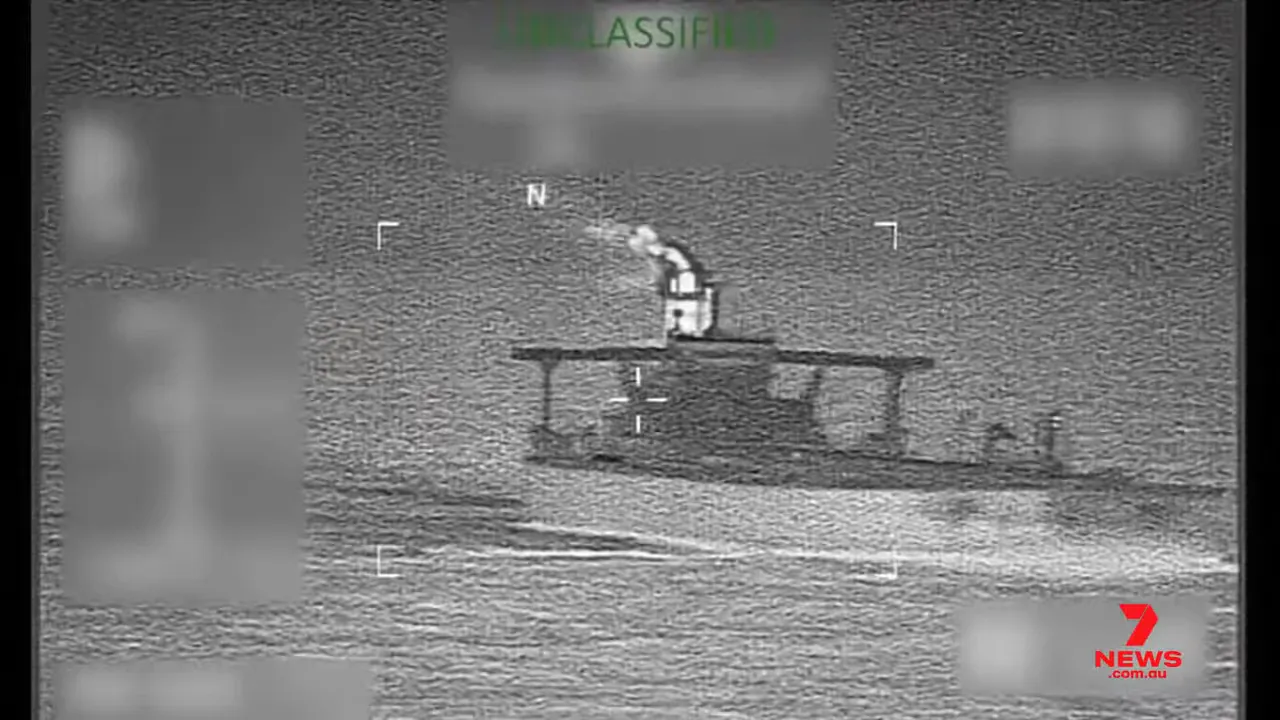
UK Supports US Seizure of Russian Shadow Fleet Tanker describes the recent multinational effort in which US and UK forces intercepted a tanker linked to an estimated 500-vessel "shadow fleet" moving sanctioned oil. The vessel, initially registered as Bella One and later renamed (reported as the Marinera/Marinara), repeatedly changed names and flags to evade interdiction while operating in international waters.
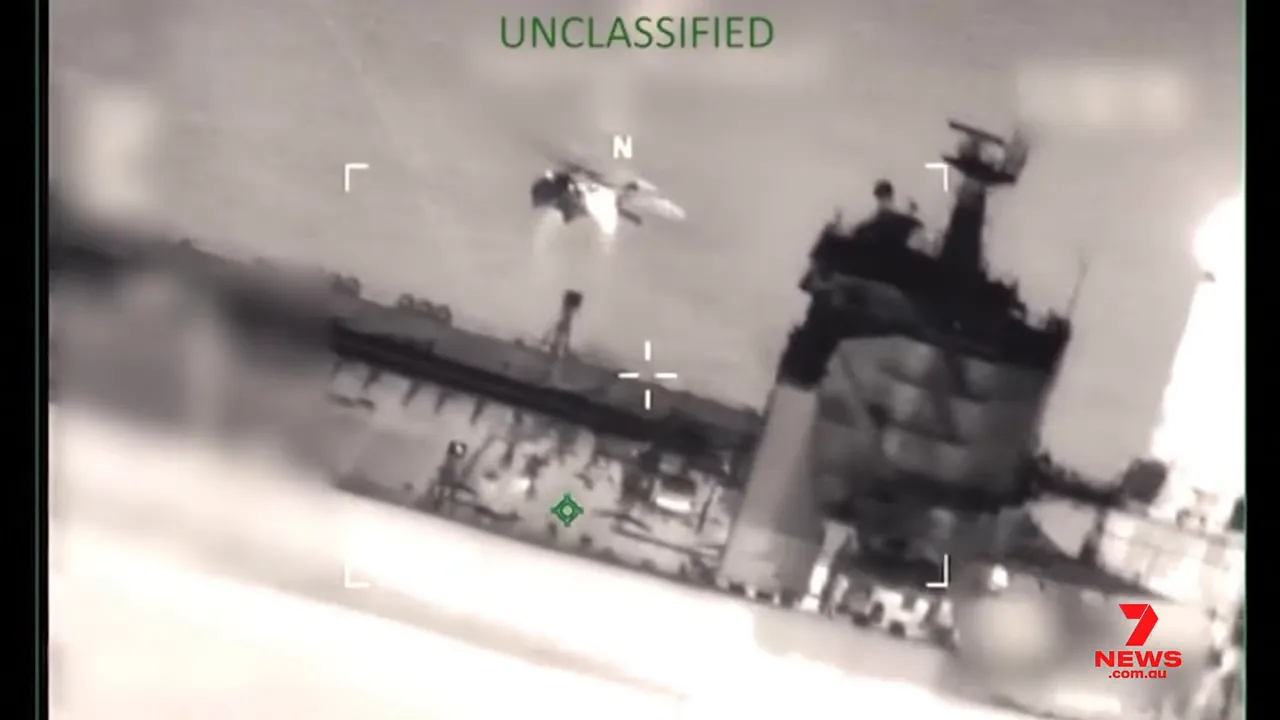
The operation was led by the US Coast Guard with significant UK support. Surveillance aircraft, Royal Navy frigates and smaller vessels contributed to tracking and ultimately seizing the tanker. The ship is part of a broader network that analysts say moves oil primarily for Iran and, by proxy and support, for Russia.
Officials say the tanker switched flags — sailing under a Ghanaian flag before adopting a Russian registration — and altered its identity to avoid being stopped. Those practices are typical of so-called shadow-fleet operations that aim to disguise the origin and destination of sanctioned cargoes.
How the interdiction unfolded and why it matters
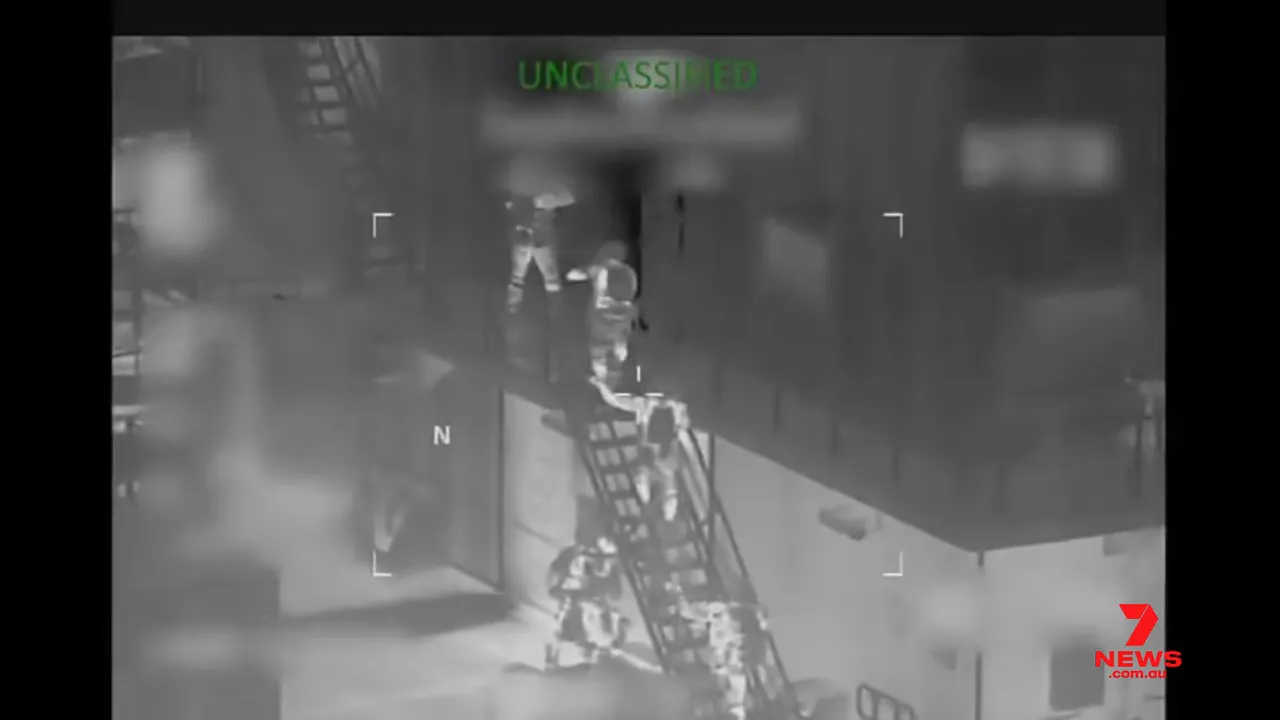
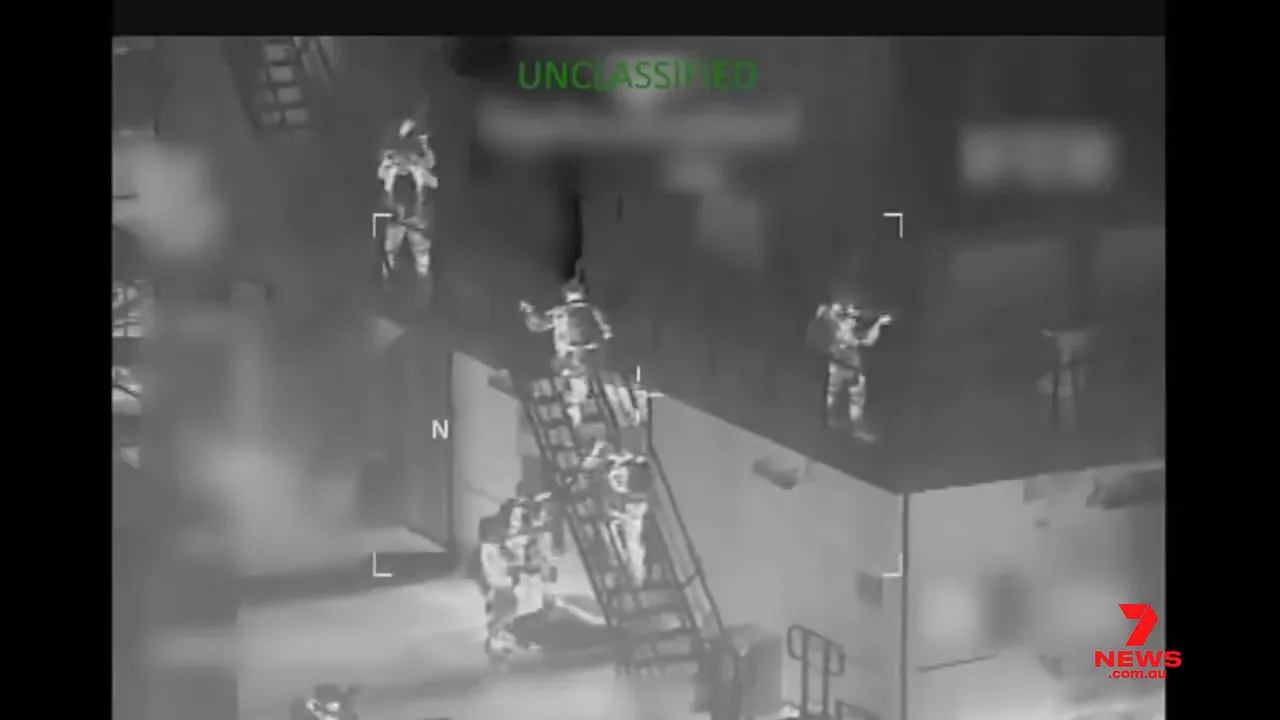
The interception took place in international waters after persistent surveillance and a US Coast Guard attempt in the Caribbean. UK forces provided lateral support, including maritime assets and aircraft, while the US led the boarding and seizure activities. The coordination illustrates how allied maritime forces can work together to uphold sanctions and maritime law.
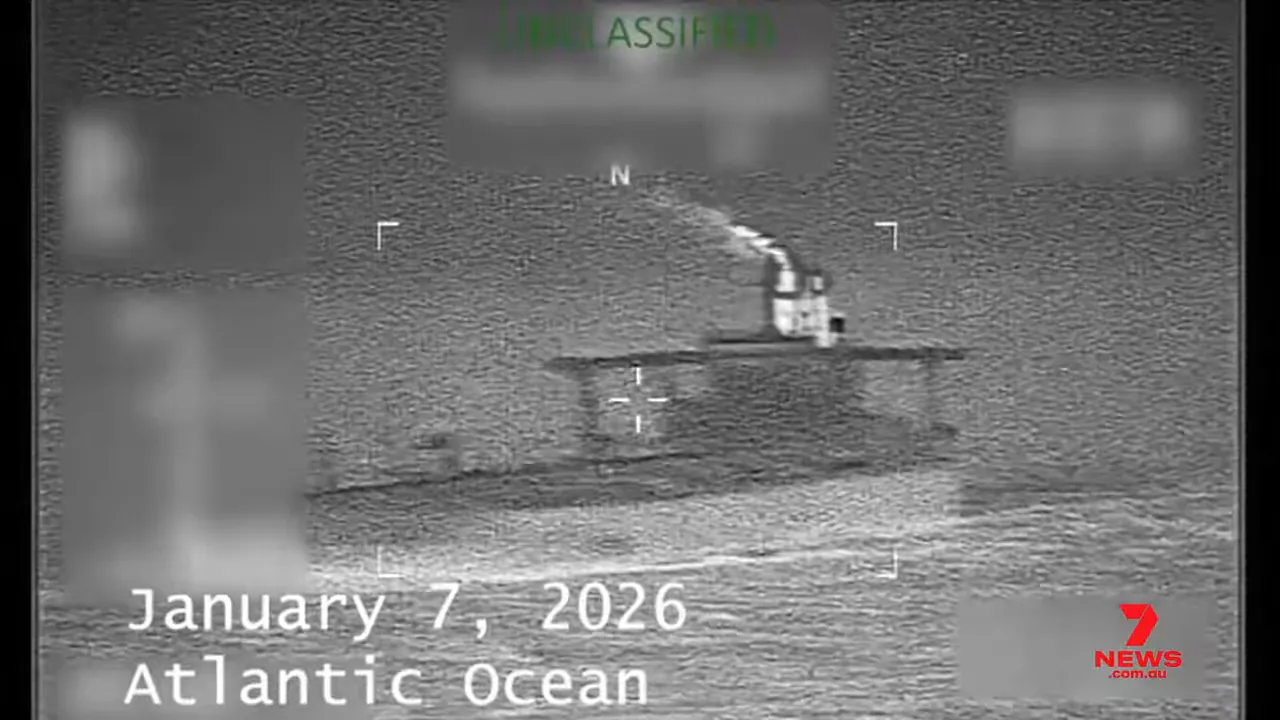
The seized oil and the tanker itself are significant because they form part of the supply chain that helps sanctioned states and networks circumvent restrictions. Much of the oil moved by the shadow fleet has been described as payment or repayment for military and political support — notably arrangements between Russia and Venezuela.
What the "shadow fleet" is and how it operates
The term "shadow fleet" refers to a loose collection of tankers and carriers that obscure their identities, flags and ownership to transport sanctioned cargoes. Industry estimates suggest as many as 500 vessels are involved in these opaque networks.
- Identity manipulation: Frequent renaming and falsified registry details.
- Flag hopping: Switching flags to create uncertainty about jurisdiction.
- Ship-to-ship transfers: Hiding cargo origins by transferring oil at sea.
- Use of middlemen: Shell companies and complex ownership structures to mask real beneficiaries.
These tactics make enforcement difficult and increase the need for close international cooperation and maritime domain awareness.
Legal and political implications
Russia criticised the seizure, with a Russian lawmaker calling it "outright piracy."
“outright piracy” — Russian lawmaker
That accusation is unlikely to gain international traction because the tanker was operating effectively stateless and carrying sanctioned cargo. Under long-standing maritime and sanctions law, interdiction of stateless vessels transporting sanctioned goods is generally considered lawful when led by competent authorities and backed by evidence.
Beyond the legal questions, the seizure signals a broader strategic effort to choke off revenue streams that fund military procurements and geopolitical influence. For example, analysts note that much of the oil movement serves as partial repayment for arms transfers and support between Russia and Venezuela.
Impact on Russia, Venezuela and global energy flows
Cutting shipments that evade sanctions reduces a sanctioned state’s ability to replenish strategic reserves or fund external commitments. Commentators cited in the operation say Russia’s reserves have shrunk substantially compared with earlier in 2024, increasing pressure on alternative supply channels.
For Venezuela, oil exports have been one of the few hard-currency options to service foreign partners. Disruptions to shadow-fleet activity therefore have immediate geopolitical and economic effects in the region.
Key takeaways
- The operation was a US-led interdiction with critical UK support, using surveillance aircraft and Royal Navy vessels.
- The tanker, formerly Bella One and reported as Marinera/Marinara, repeatedly changed names and flags to avoid detection.
- The ship is part of a 500-strong estimated shadow fleet that moves sanctioned oil for Iran and Russia.
- Seizing stateless vessels carrying sanctioned cargo is widely seen as legally permissible and an important enforcement tool.
- Disrupting these networks targets revenue streams used to finance arms and geopolitical partnerships, notably between Russia and Venezuela.
FAQs
Who led the seizure and what role did the UK play?
The US Coast Guard led the operation while the UK provided lateral support through surveillance aircraft, Royal Navy frigates and other vessels. The collaboration enabled persistent tracking and a coordinated interdiction.
Why did the tanker change names and flags?
Renaming and flag changes are common evasive tactics used by vessels in the shadow fleet to obscure ownership, origin and destination, helping them evade sanctions and interdiction attempts.
Was the seizure legal under international law?
Because the tanker was effectively stateless and carrying sanctioned oil, interdiction by authorities such as the US Coast Guard is generally considered lawful when founded on evidence and proper procedure.
What are the wider consequences of targeting the shadow fleet?
Targeting these networks reduces illicit revenue for sanctioned states, disrupts repayments for military support, and raises the operational cost of evasion, but also may provoke diplomatic tensions and require sustained multilateral enforcement.
The information in this article has been adapted from mainstream news sources and video reports published on official channels. Watch the full video here UK provides support as US seize Russian shadow fleet tanker | 7NEWS


