Victorian bushfire destroys home
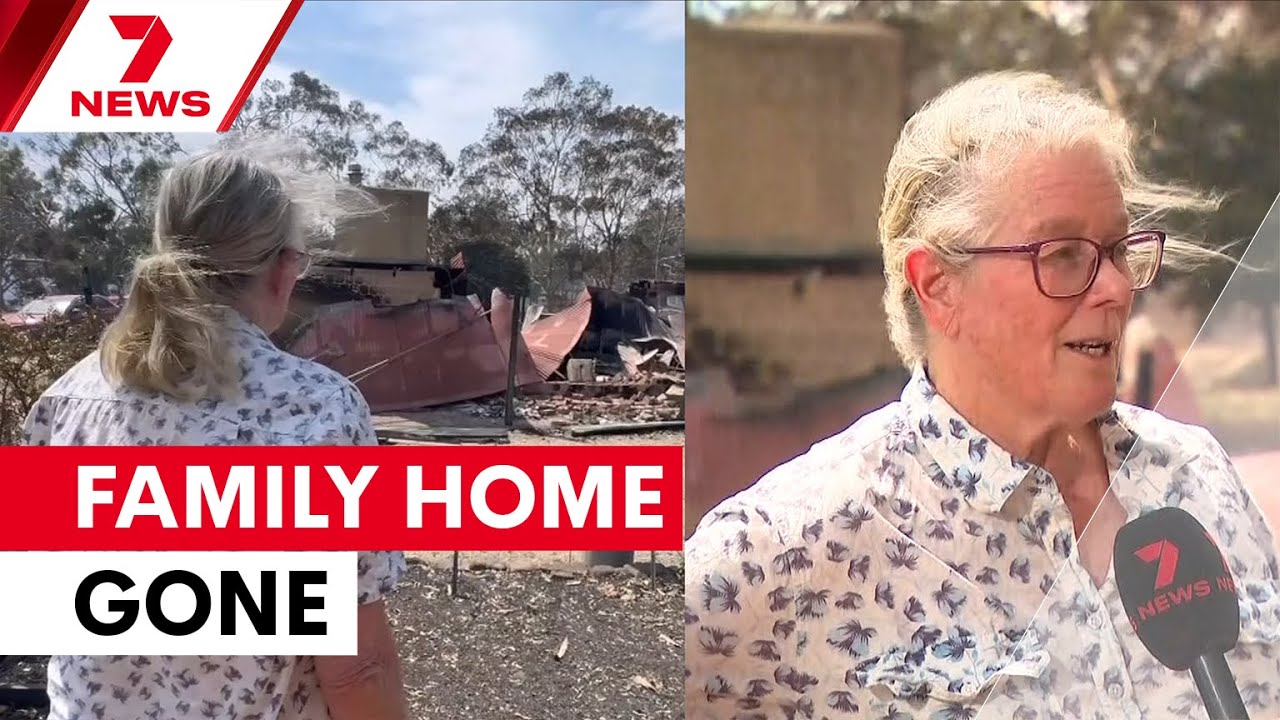
Table of Contents
- Local resident escapes with minutes to spare; animals survive after neighbour rescue
- What happened and how the evacuation unfolded
- Immediate losses and what remains
- The relief: animals survived
- Next steps for the homeowner and community
- Practical advice for rural residents
- Where to find help
- FAQs
Local resident escapes with minutes to spare; animals survive after neighbour rescue
Victorian bushfire destroys home is the reality for one rural property owner who returned to find her house and sheds gutted by flames. The resident escaped during a sudden change in conditions and is now focused on the survival of her animals and the daunting recovery ahead.
It happened on a hot, windy afternoon when fire moved faster than predicted. Neighbours raised the alarm with little time to spare — one warning was: "get out now, it's coming over the hill." The homeowner left hastily and spent the night in shock, returning the next day to assess the damage.
What happened and how the evacuation unfolded
Emergency forecasts suggested a different wind direction, and many residents were told the danger might pass. At the last minute the wind shifted and flames came over the ridge. The resident said she escaped with only minutes to spare and left much behind, including packed items she never retrieved.
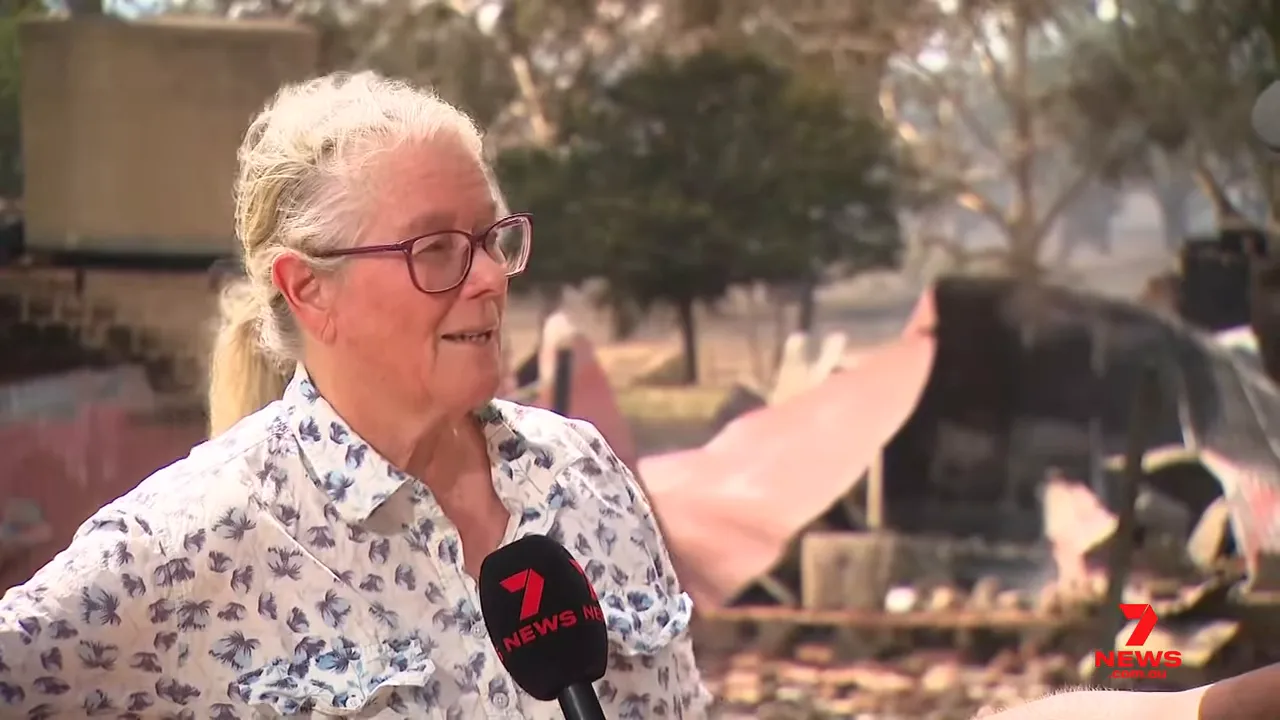
She described a rushed exit — no shoes, little clothing and no chance to collect valuables. Neighbourhood reports and quick thinking from locals, including moving animals to a safer paddock, were crucial to avoiding worse outcomes.
Immediate losses and what remains
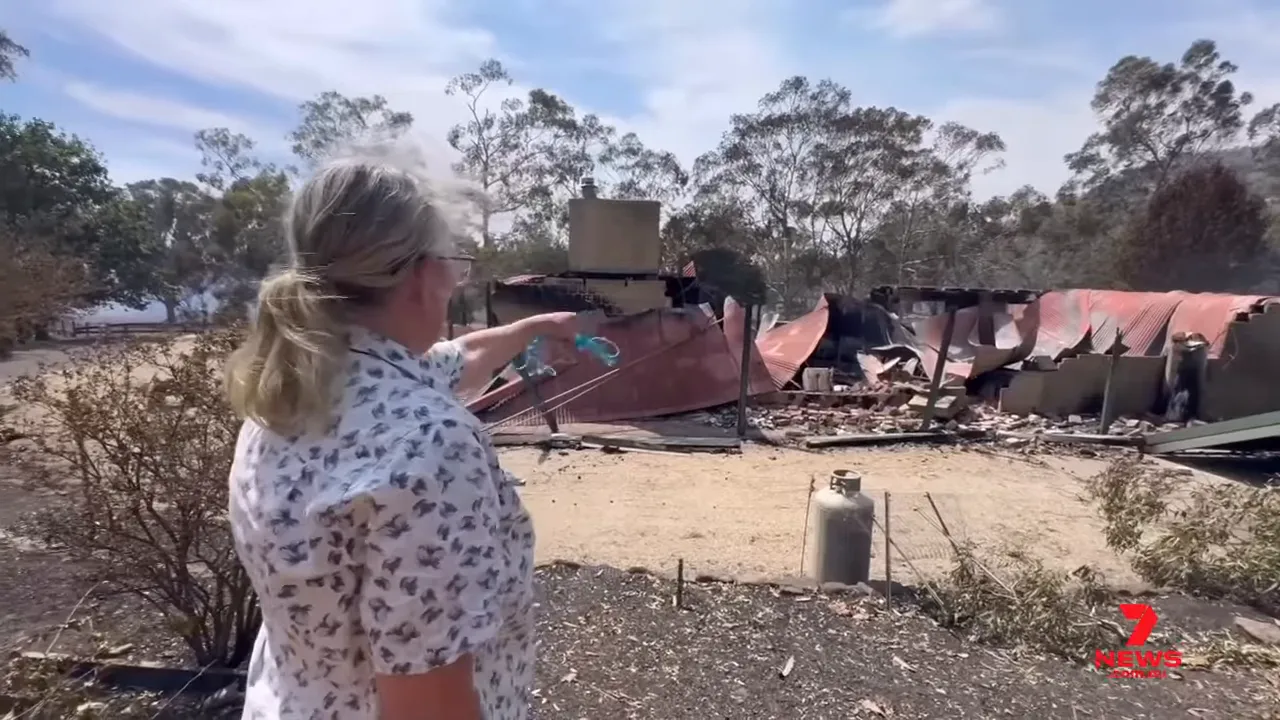
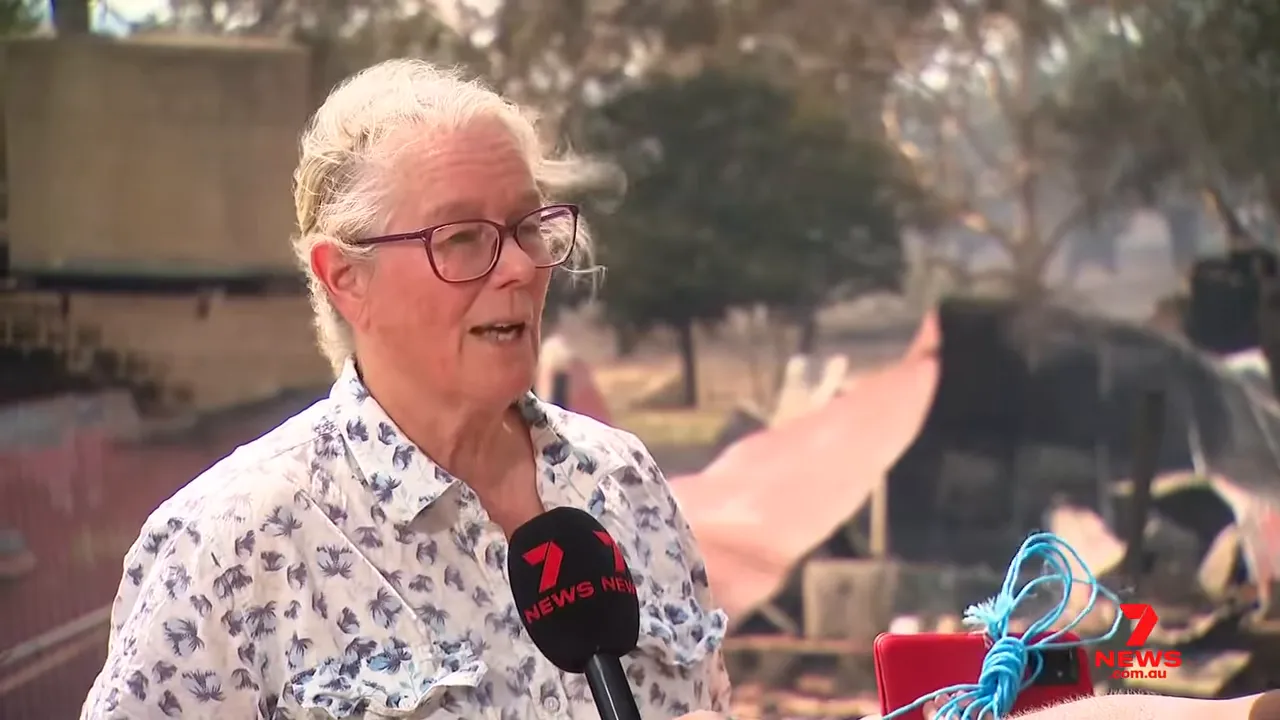
The property has suffered extensive damage: the house, outbuildings and fencing were destroyed, and vehicles and machinery stored in a shed were lost. Newly installed floors and windows were among the items lost in the blaze, making the emotional and financial toll significant.
- House and shed destroyed
- Fences gone
- Tractors, trucks and a ute lost in the shed
- Personal items left during evacuation
The relief: animals survived
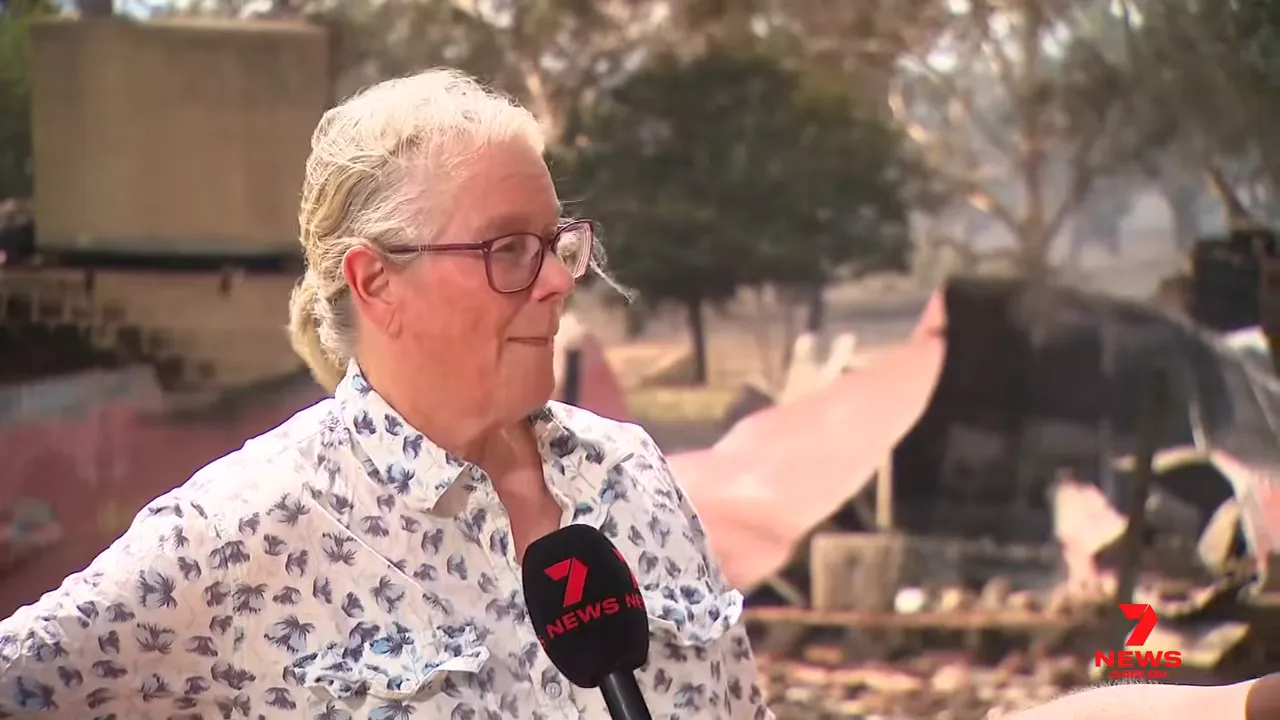
Despite the devastating property loss, the resident's primary relief was that her donkeys survived. A next-door neighbour, Ken, helped move the animals to a back paddock and sheltered them in a shed that was later affected by fire but did not result in a second loss of life.
"Even this morning when Ken said they're still alive, it was the biggest relief."
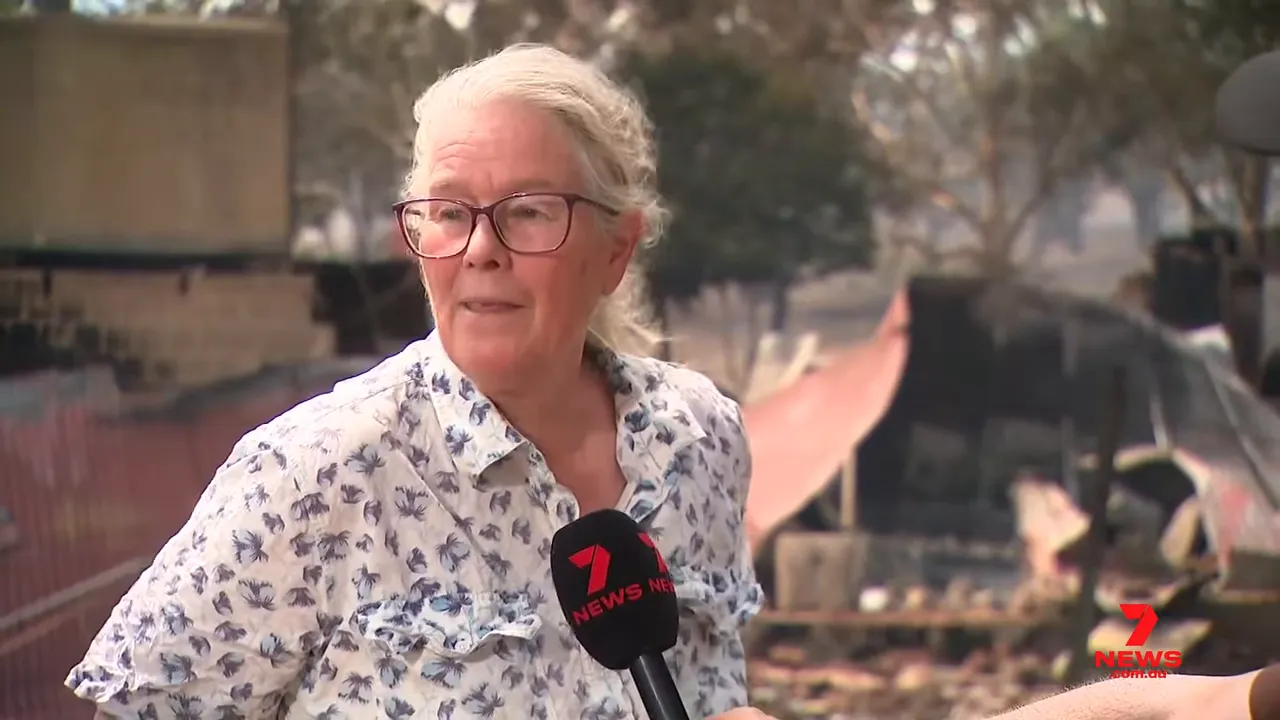
The emotional sequence is familiar after bushfire: first the adrenaline and relief at survival, then the realisation of material loss that will come later. For now, tending to the animals and checking on neighbours has been the priority.
Next steps for the homeowner and community
Recovery will be slow. Rebuilding a home and replacing fencing, machinery and vehicles will take time and money. The homeowner plans to document damage — taking photos to share with family and insurers — and is already thinking about how to rehouse animals and secure what remains of the property.
Local support, from immediate assistance to longer-term relief, is likely to be important. Community groups, council resources and emergency services commonly provide information on clean-up, insurance claims and mental health support after such events.
Practical advice for rural residents
Fire outbreaks in rural areas can change rapidly. These practical steps can reduce risk and improve outcomes in future events:
- Have an evacuation plan tailored to each household and rehearse it with family members.
- Keep emergency bags with essential documents, medication and a few changes of clothing ready.
- Identify safe paddocks and routes for moving animals quickly, and practise the procedure.
- Maintain clear communication with neighbours and designate contact points for updates.
- Photograph and catalogue valuable items and property upgrades for insurance purposes.
Where to find help
After a bushfire, contact your insurance provider promptly and arrange for documented evidence of loss. Reach out to local council and emergency services for clean-up guidance, and look for community support groups and mental health services if the psychological impact becomes overwhelming.
FAQs
How quickly did the resident have to evacuate?
The resident left with only about ten minutes to spare after neighbours warned the fire was coming over the hill, following a last-minute change in wind direction.
What was the most important thing saved?
The animals were the priority and the biggest relief — the donkeys were moved to a back paddock by a neighbour and survived the blaze.
What kinds of property and possessions were lost?
The house, a shed, fences and vehicles stored in the shed (including tractors, trucks and a ute) were destroyed. Recently installed floors and windows were also lost.
What immediate steps should others take after witnessing a similar event?
Ensure personal safety first, contact emergency services, document damage with photos for insurers, check on neighbours, and prioritise animal welfare. Seek help from local emergency and support services for recovery and counselling.
The information in this article has been adapted from mainstream news sources and video reports published on official channels. Watch the full video here 'Get out now it's coming over the hill': Victorian resident returns to fire-destroyed home | 7NEWS


