Bushfire Threatens Fifth-Generation Farm — Emotional Evacuation

Table of Contents
- Yark farmer evacuates as catastrophic conditions close in
- What unfolded on the day
- Fire behaviour and the reality of staying
- Livestock, legacy and loss
- Pets, people and practical limits
- Deep roots: five generations on the land
- Community response and next steps
- Key takeaways
- FAQs
- Final note
Yark farmer evacuates as catastrophic conditions close in
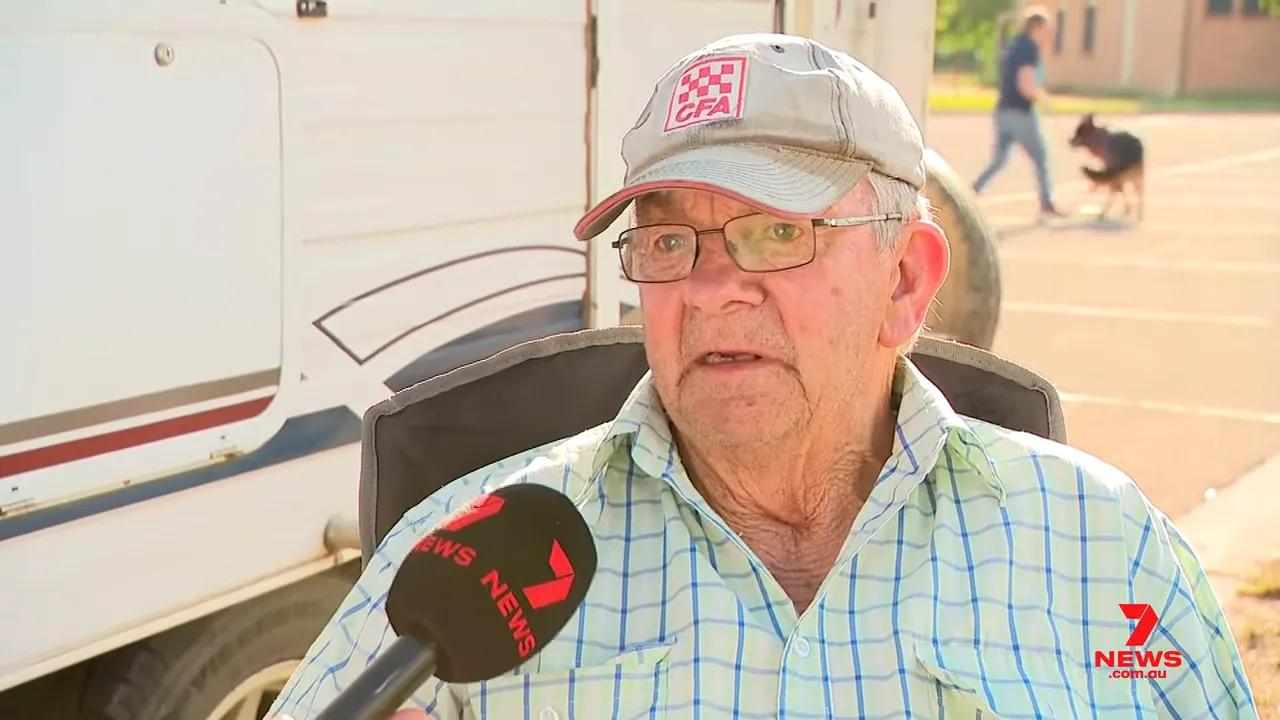
Bushfire Threatens Fifth-Generation Farm as a Yark grazier and his family flee to a relief centre while catastrophic fire conditions threaten their property. The farmer says five generations of breeding work are at risk, yet evacuation was the only safe choice as temperatures soared and fire behaviour became uncontrollable.
What unfolded on the day
Early in the morning the mercury was rising and the sky was tense. With temperatures near 43°C and strong fire weather predicted, the farmer and his family made the decision to evacuate rather than attempt to defend the property.
He told reporters there had already been a house lost "just up the road", and that the scale of the event was beyond what local units could manage without significant aerial support.
Fire behaviour and the reality of staying
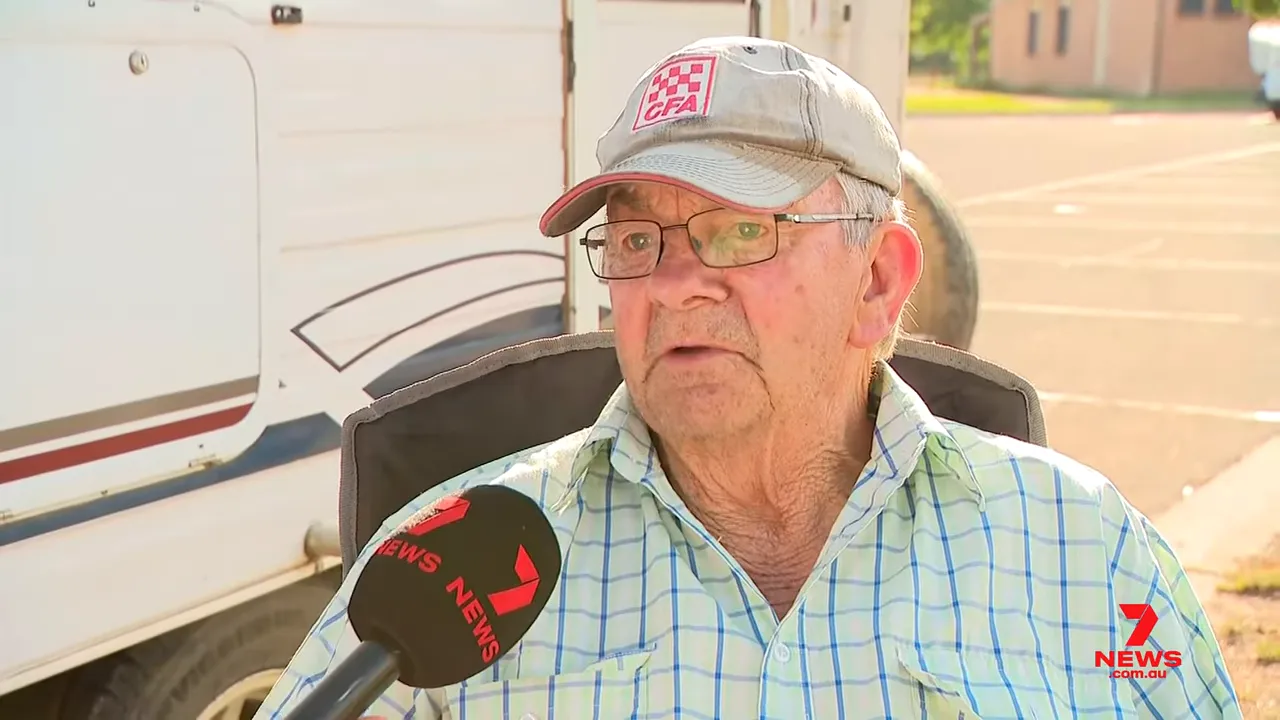
Local firefighting resources were stretched thin. Roads and access, heat and wind meant ground units had little chance of stopping an intense run. The farmer described how eucalyptus trees were exploding ahead of the flames — an image that underlined the speed and ferocity of the threat.
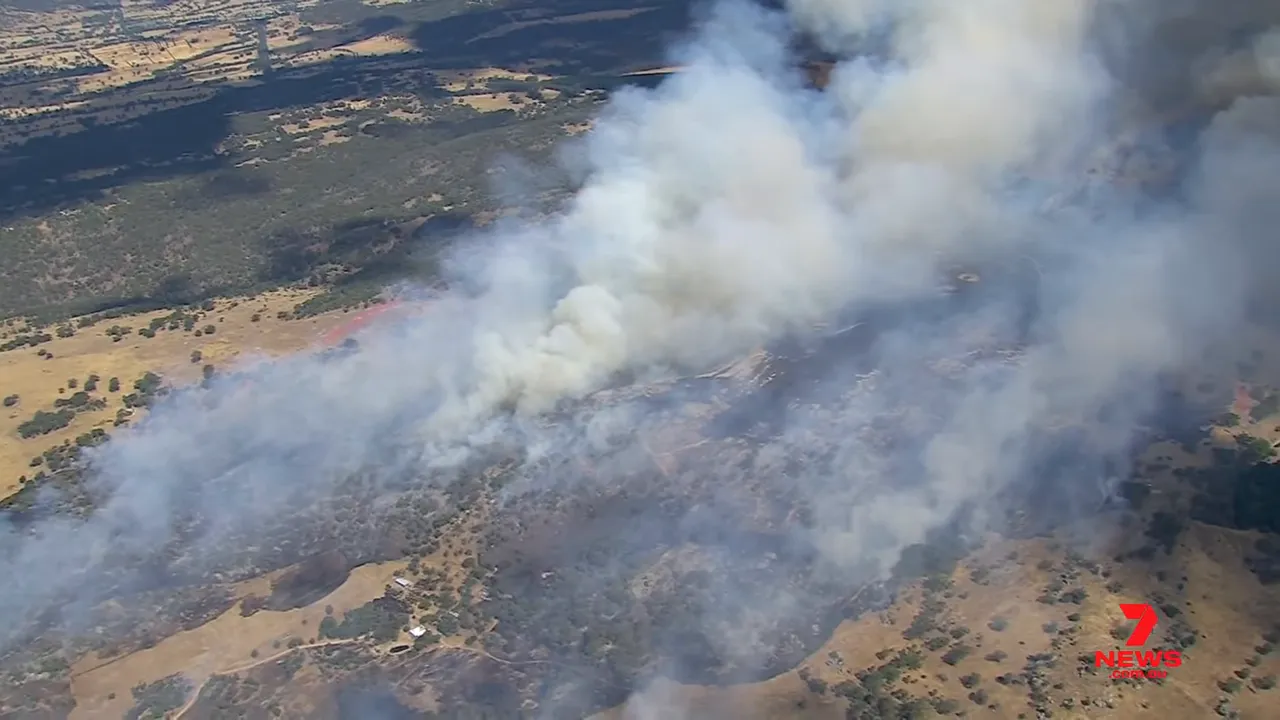
“You can't describe what it's like until you see it — how eucalyptus trees just explode in front of the fire.”
At their age, the family felt they could not safely stay and defend, so they took shelter at a relief centre where they were being looked after by volunteers and neighbours.
Livestock, legacy and loss
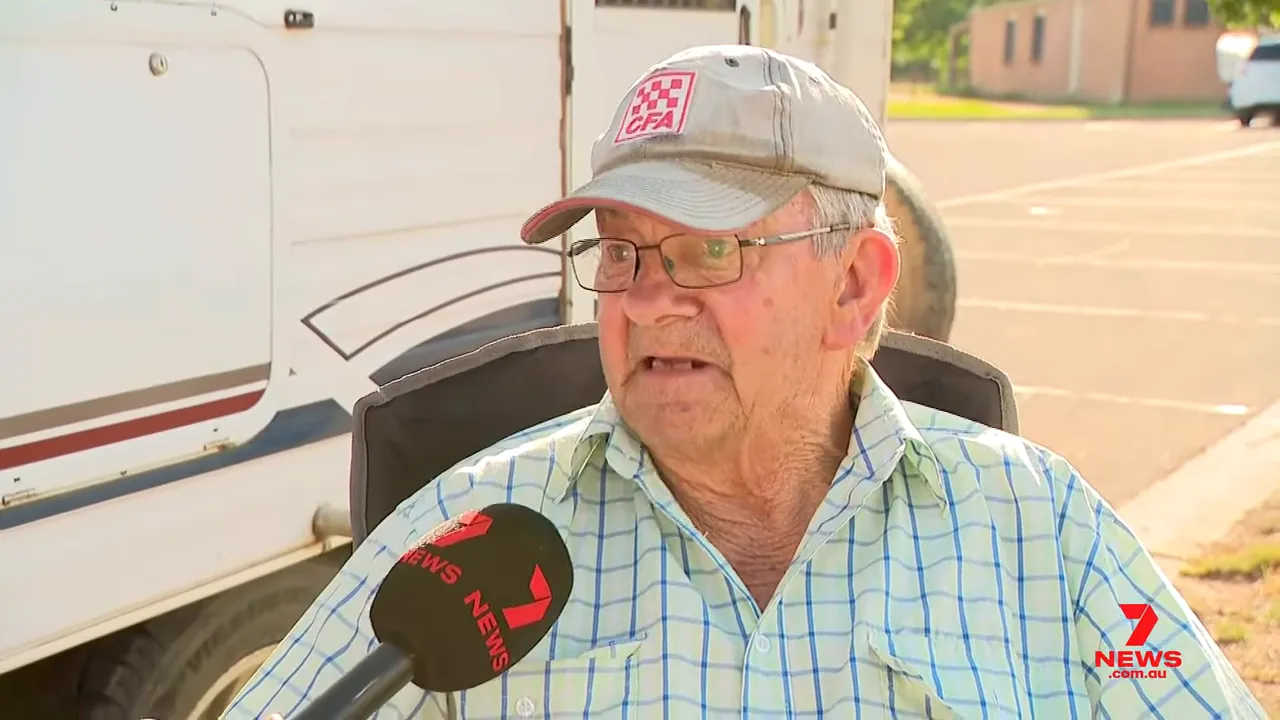
Leaving the farm meant leaving behind generations of breeding work. The farmer has spent decades developing a strain of Merino sheep — focused on easier handling and desirable flock traits — and worries that years of careful selection could be lost in a single season.
He had completed shearing the flock the day before evacuation and hoped the sheep would remain safe in paddocks with shade and dam access. For now, protection of stock relies on luck and the hope that fire will be contained away from their paddocks.
Pets, people and practical limits
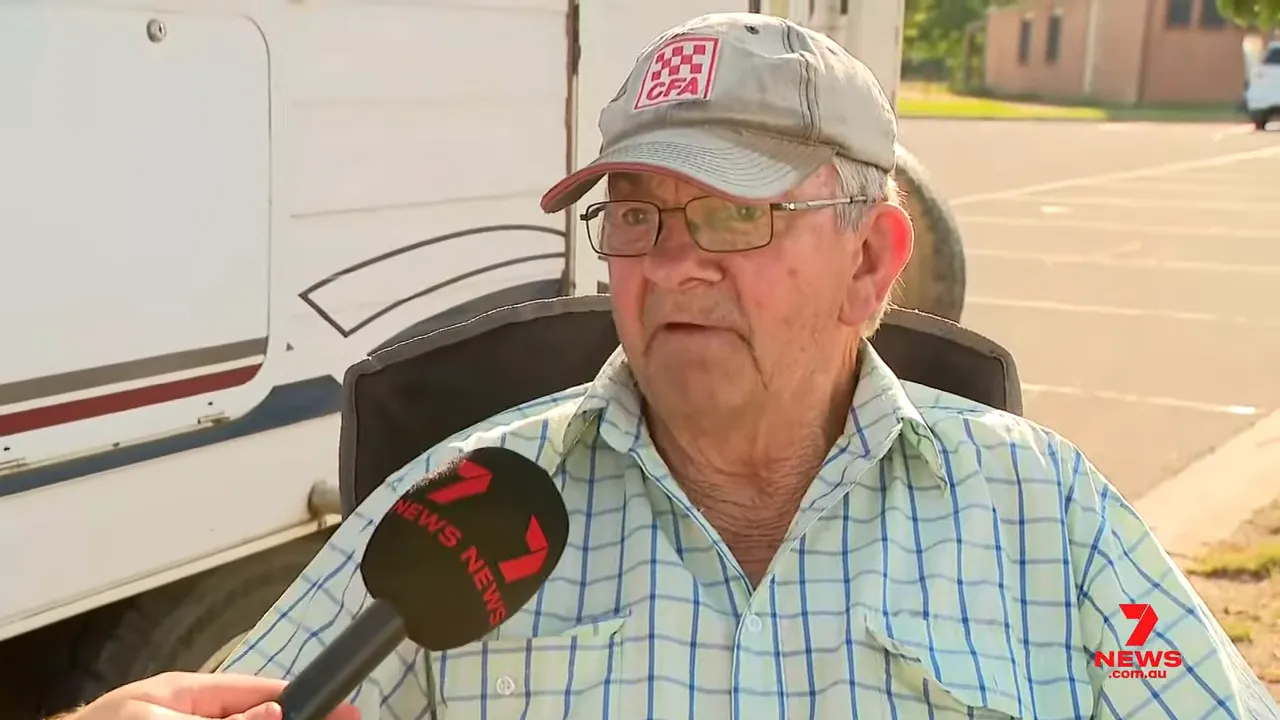
The family evacuated with five dogs — three German shepherds and two kelpies — but could not bring all animals and pets. Keeping mob dogs and working dogs safe during an emergency is a common challenge for rural families, especially when vehicles and space are limited.
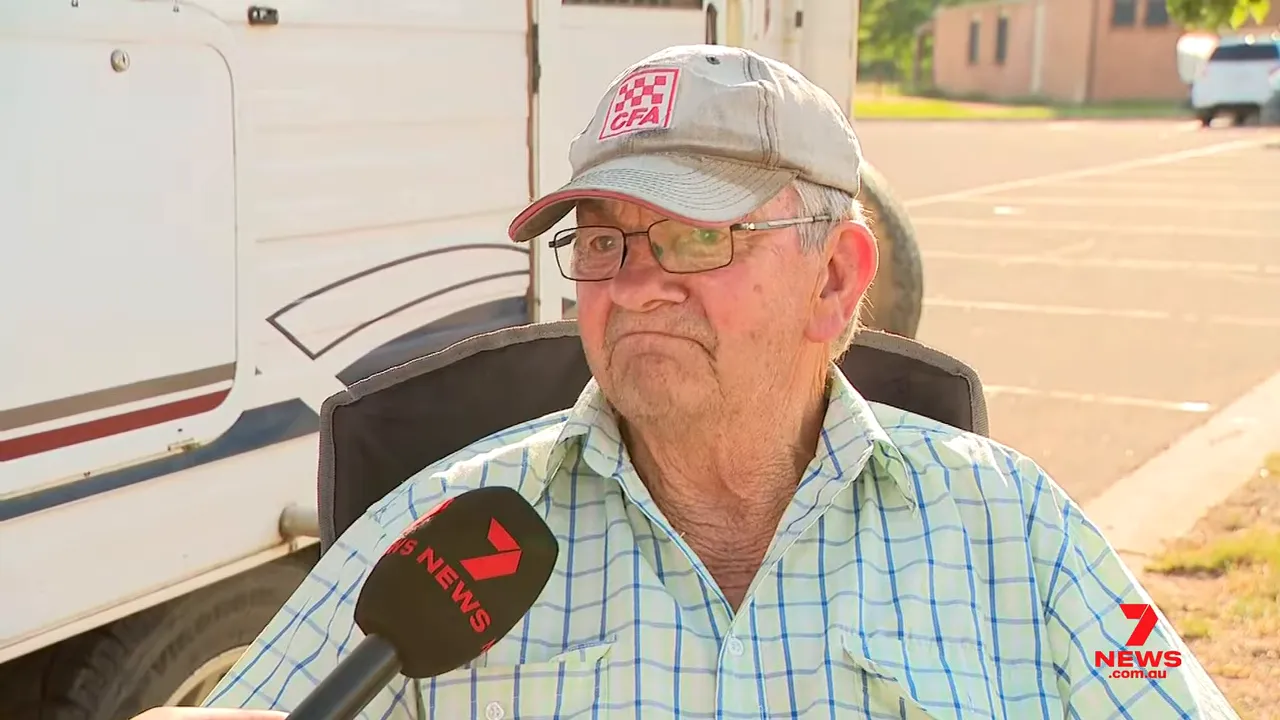
At the relief centre, the dogs were unsettled but cared for. The farmer noted the kindness of the community and the relief centre volunteers who helped them settle while authorities managed the emergency response.
Deep roots: five generations on the land
The farm has been in the family since 1908, when the farmer’s grandfather settled at Yark. His father was born on the property and now his son represents the fifth generation working the same acre. The land carries both heritage and identity for the family.
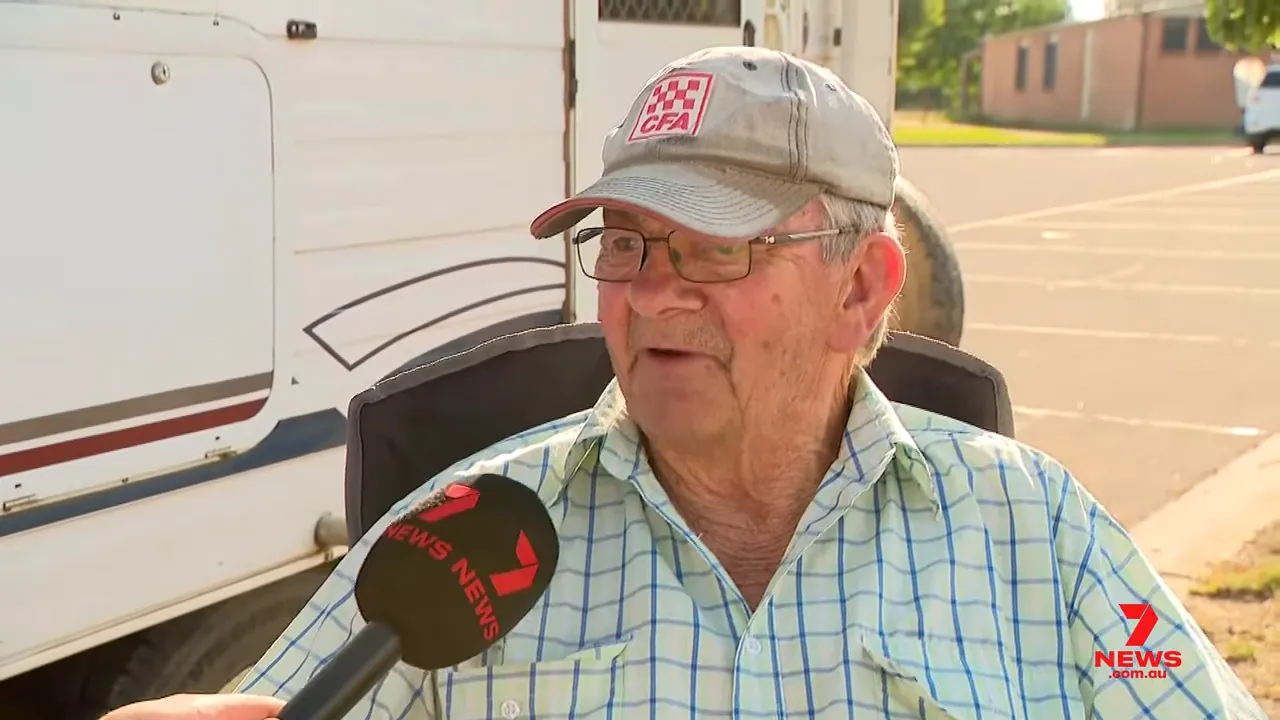
“It’s our little bit of land,” he said, reflecting on why retaining the farm matters despite its modest size and wear. That connection is why the family plans to return as soon as authorities say it is safe to do so.
Community response and next steps
Evacuees like this family rely on rapid community support — food, shelter, veterinary care and practical help for animals. Emergency services coordinate road closures and access, and residents can only return when fire and hazard assessments allow it.
For the farmer, the immediate priority is to get home and assess the damage. Long-term recovery will depend on insurance, community funds, and the ability to restock and rebuild both infrastructure and breeding lines if losses occur.
Key takeaways
- Extreme fire weather forced a fifth-generation family from their farm in Yark.
- Evacuation was chosen because the fire behaviour and resource limits made defence unsafe.
- Hundreds of Merino sheep and decades of selective breeding are at risk.
- Community relief centres provide vital immediate support for people and pets.
- Families plan to return as soon as authorities permit to assess and begin recovery.
FAQs
How soon can evacuees return to their properties after a bushfire warning?
Return times depend on emergency services and local authorities. They will only allow re-entry once fires are contained and assessments confirm that roads, utilities and immediate hazards are safe. That can range from hours to days, sometimes longer if the area is being assessed for damage.
What can farmers do to protect livestock during an evacuation?
Where time allows, moving stock to safer paddocks with water and shade can help. Register livestock locations with local authorities, secure feed and water supplies, and consider microchipping or tagging for identification. When evacuation is sudden, prioritise human safety and follow official advice.
Are working dogs and pets accommodated at relief centres?
Many relief centres accept pets but capacity varies. Bring leads, bedding, food and any medication. Where animals cannot be taken, contact local vets, animal shelters or community networks for temporary foster care.
What support is available for farmers who lose stock or infrastructure?
Support can include government disaster relief, insurance payouts, community fundraising, and agricultural recovery grants. Contact local rural support services and your insurer promptly to register losses and explore options.
How can the community help evacuees now?
Donations of food, shelter supplies, animal care items and volunteer time are invaluable. Check with official relief coordination points or local charities to ensure donations meet needs and are delivered to authorised centres.
Final note
The story of this Yark family is a reminder of how quickly fire can threaten not just property but heritage and livelihoods. While the immediate focus must always be human safety, recovery is a long road that depends on community resilience, clear emergency planning, and practical support for those who choose to rebuild.
The information in this article has been adapted from mainstream news sources and video reports published on official channels. Watch the full video here 'We might lose the lot': Emotional farmer flees catastrophic bushfire threat | 7NEWS


