US seizes Russian oil tanker from Venezuela
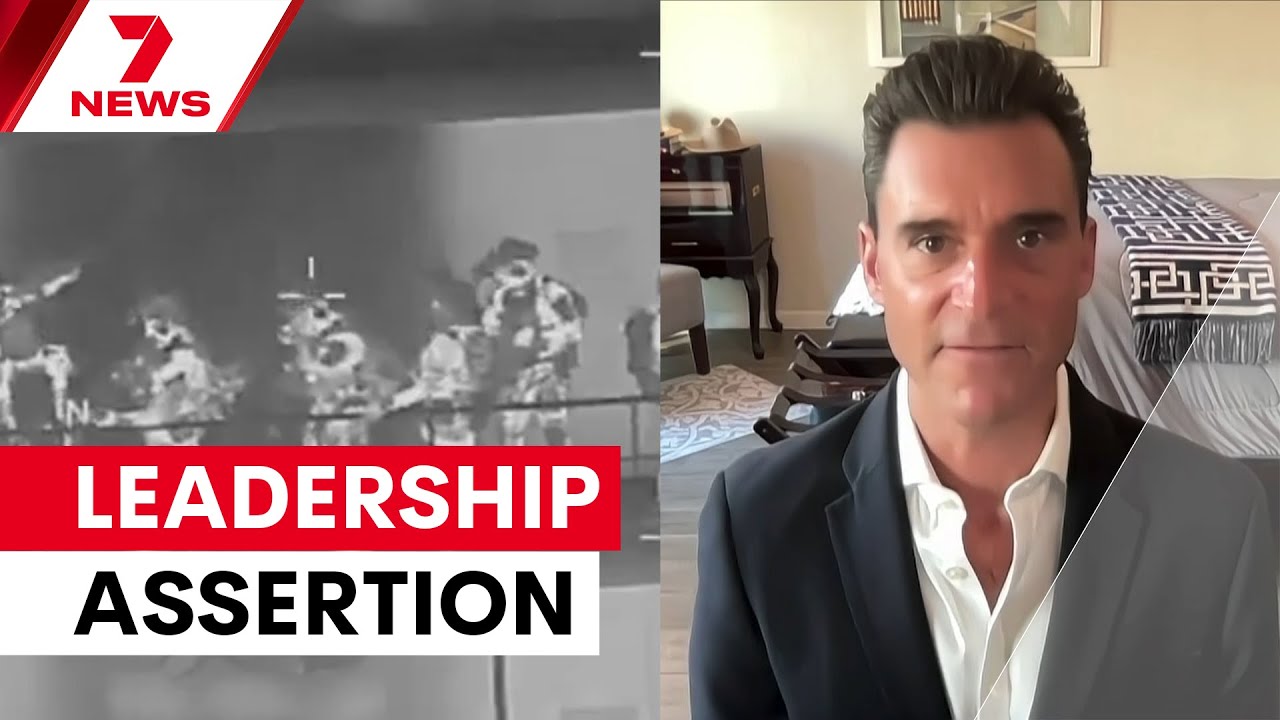
Table of Contents
- Washington moves to disrupt sanctioned oil flows and gain leverage over Moscow
- What happened and who is involved
- Why this matters: strategy and regional implications
- Legal and diplomatic fallout
- What happens to the crew?
- Implications for the conflict in Europe
- Key takeaways
- Frequently asked questions
Washington moves to disrupt sanctioned oil flows and gain leverage over Moscow
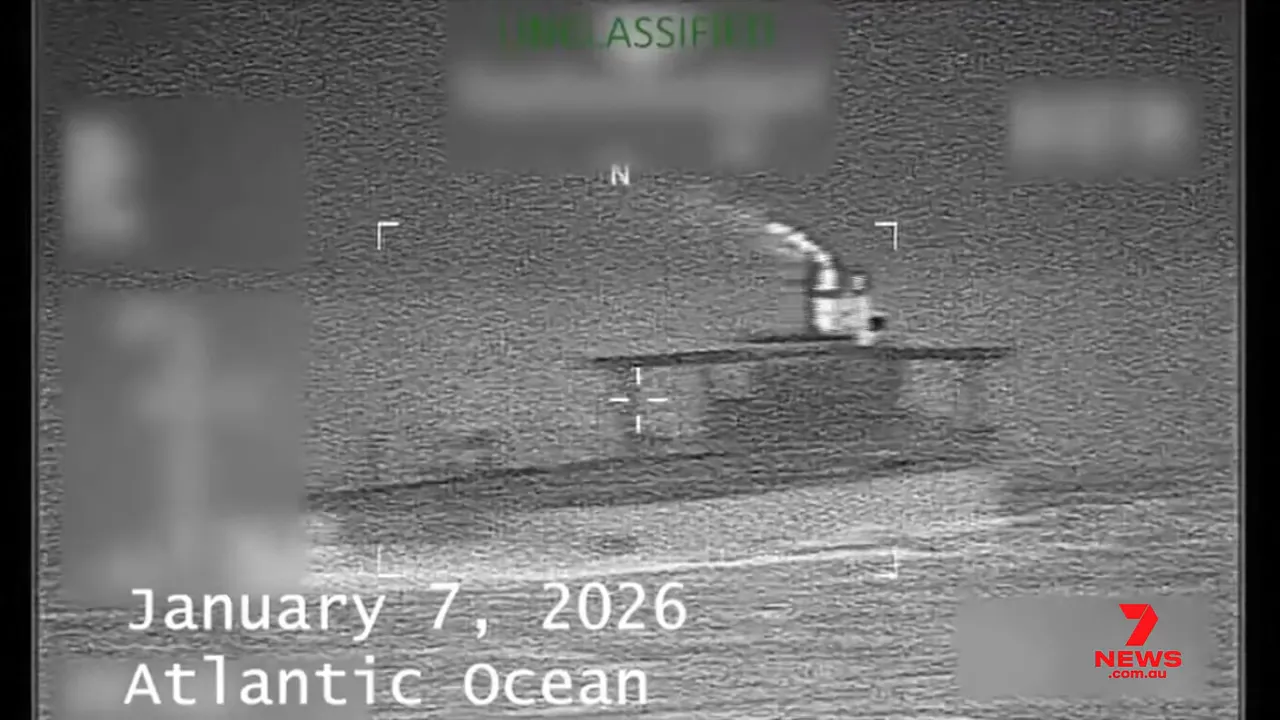
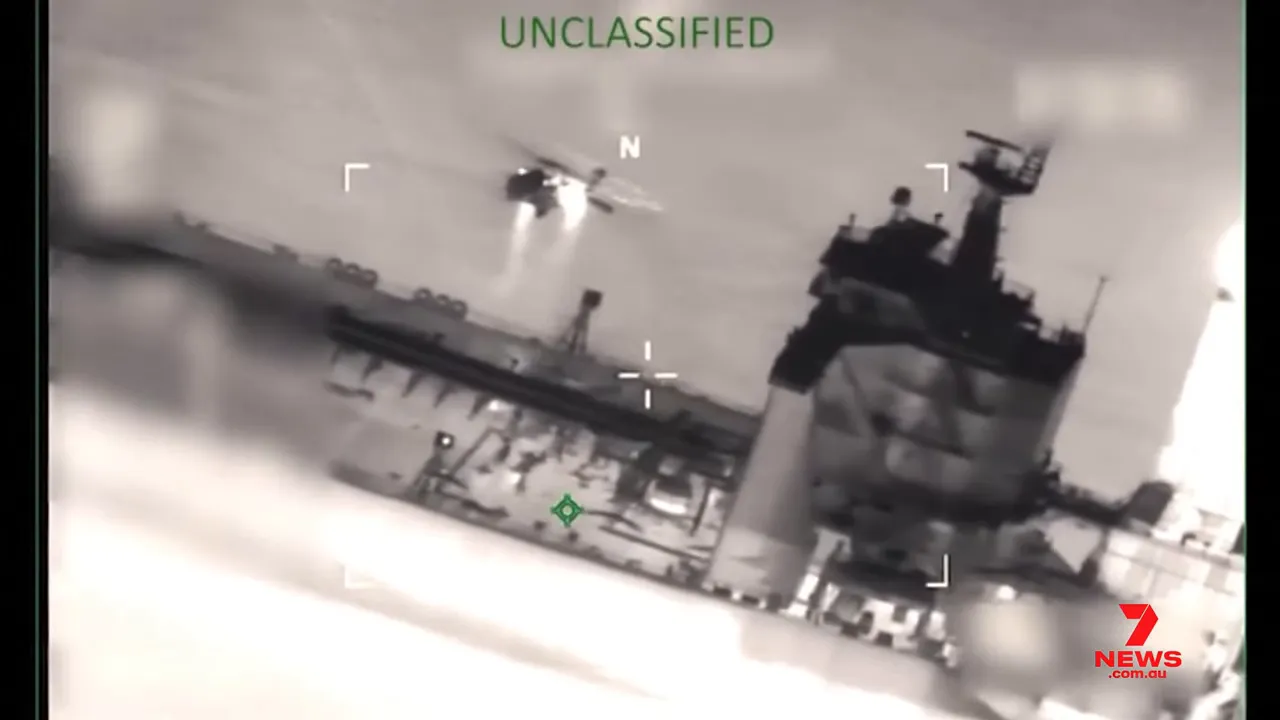
The US seizes Russian oil tanker that was operating as part of Venezuela’s sanctioned "ghost fleet", marking a forceful assertion of American influence in the Western Hemisphere. The action targets the Bella One, a Russian-flagged vessel that investigators say repeatedly changed name and registration to evade detection while transporting sanctioned oil for Iran and Russia.
"This is an unprecedented and potentially provocative move here by the US President Donald Trump."
US authorities describe the seizure as part of a broader effort to disrupt illegal oil trafficking and to pressure both the Venezuelan regime and Moscow. Estimates put Venezuela’s so-called ghost fleet at roughly 500 to 1,000 vessels engaged in illicit transfers and flag-hopping designed to conceal the true origin and destination of cargoes.
What happened and who is involved
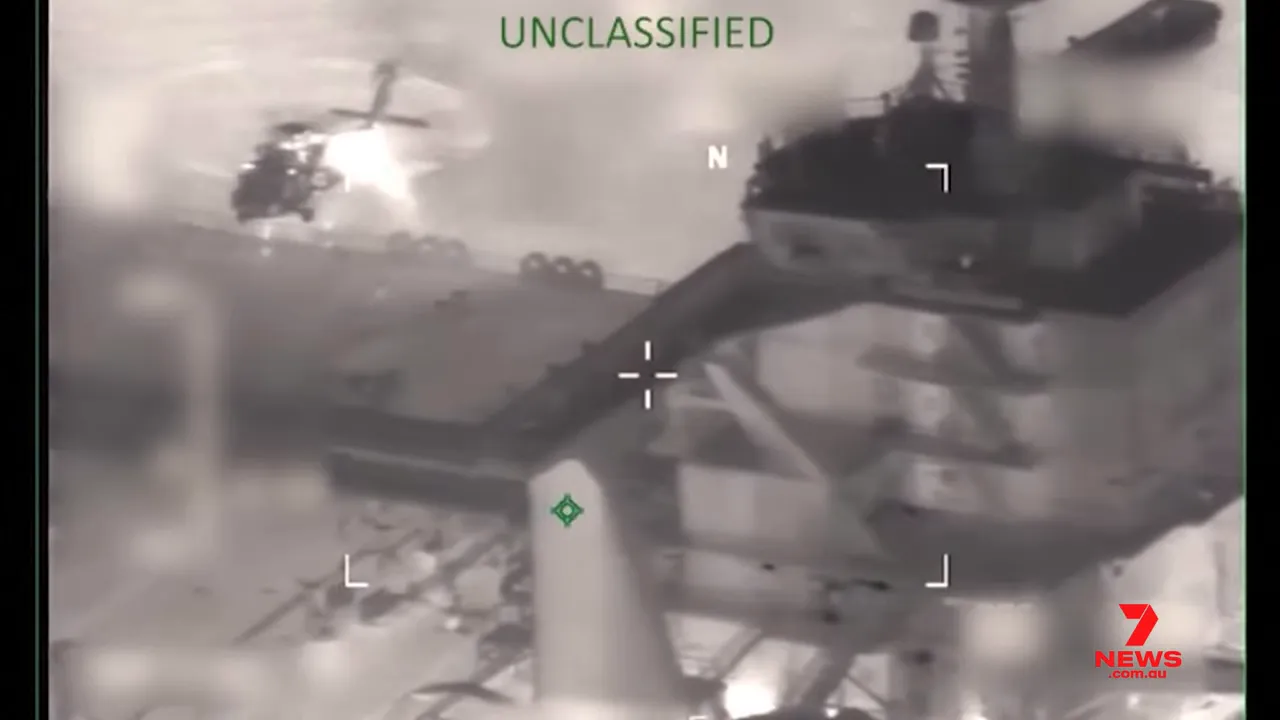
The vessel in question, identified by officials as the Bella One, was detained by the US Coast Guard after investigators linked it to sanctioned oil shipments. Authorities say the ship changed names and flags several times to avoid detection and was implicated in moving millions of gallons of oil tied to sanctions evasion.
President Trump has indicated that confiscated oil — reported as several million gallons — will be redirected to benefit American and Venezuelan people, framed as part of efforts to promote a free market economy in Venezuela and to create leverage in international negotiations.
Why this matters: strategy and regional implications
The seizure is being read as a deliberate effort to deprive Russia of energy revenue that helps fund its military operations abroad. US officials and strategists see cutting such energy streams as a non-military means of pressuring Vladimir Putin to enter meaningful negotiations without further escalating conflict.
At the same time, the move signals a renewed US willingness to take direct action in the Western Hemisphere, challenging networks that help autocratic regimes evade sanctions and sustain patronage systems that keep populations impoverished.
Legal and diplomatic fallout
Moscow has criticised the action, with Kremlin commentators calling it an unlawful maritime intervention — a charge that US officials dismiss as ironic given Russia’s own recent conduct on the world stage. The diplomatic exchange underlines the risks of escalation but also the US calculation that energy interdiction is a viable lever short of open conflict.
Domestically, the Biden—well, pardon—the transcript references President Trump; the administration argues the seizure is lawful enforcement against sanctions evasion and illicit commerce. International legal challenges and bilateral protests are likely to follow.
What happens to the crew?
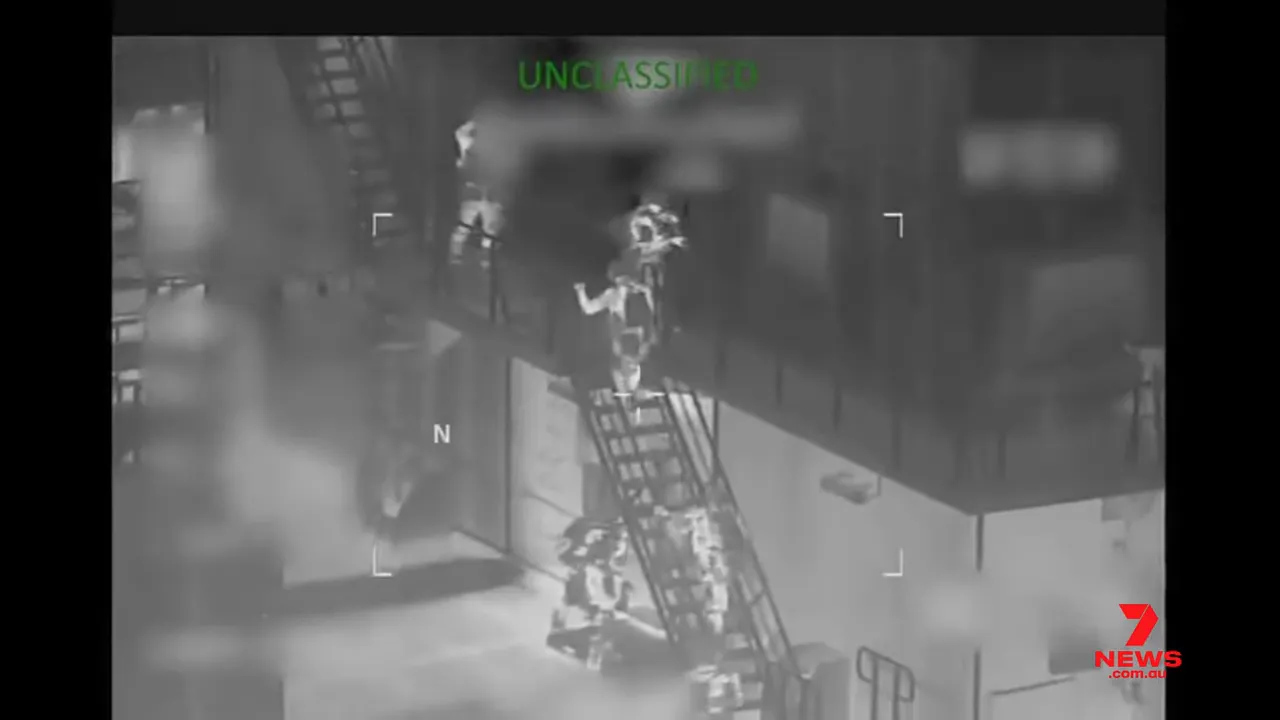
The vessel reportedly had a Russian crew who are now en route to the United States. Sources expect they will be processed under law enforcement procedures rather than treated as military combatants.
That means interrogations, possible charges related to sanctions-busting or maritime offences, and routine custody procedures rather than detention under the laws of armed conflict. How the US prosecutes or otherwise deals with crew members will be watched closely as part of the broader legal narrative around the seizure.
Implications for the conflict in Europe
Analysts frame the seizure as one component of a larger strategy: use sanctions, military aid, and targeted interdictions to reduce Russian access to energy revenue. The goal is stated as coaxing a negotiated settlement in Europe without expanding hostilities.
Cutting off energy routes complicates Russia’s ability to sustain large-scale military operations, but it also runs the risk of tit-for-tat responses that could extend or deepen tensions. The diplomatic balance is delicate: press hard enough to force concessions, but not so hard as to provoke uncontrollable escalation.
Key takeaways
- Targeted interdiction: The Bella One seizure aims to disrupt a sanctioned "ghost fleet" moving illicit oil.
- Leverage over Moscow: The action is designed to reduce energy revenue that fuels Russia’s military efforts and to strengthen negotiating position.
- Regional signalling: The US is asserting a more active role in the Western Hemisphere to counter sanction evasion.
- Legal pathway: Crew members are expected to be handled as law‑enforcement subjects, not combatants.
Frequently asked questions
What vessel was seized and why was it targeted?
The vessel identified as the Bella One was seized after investigators linked it to repeated changes of name and flag and to the transport of sanctioned oil intended to evade international restrictions.
How extensive is Venezuela's "ghost fleet"?
Estimates place the ghost fleet at roughly 500 to 1,000 vessels. These ships often engage in ship-to-ship transfers, frequent reflagging and identity changes to conceal sanctioned cargo movements.
What will happen to the confiscated oil?
Officials have said the seized oil — described as several million gallons — will be used to benefit American and Venezuelan people, as part of a broader plan to support economic transitions in Venezuela and to create leverage in talks with Russia.
Will this action escalate tensions with Russia?
There is potential for diplomatic retaliation and heightened tensions, but US officials present the seizure as a law‑enforcement measure aimed at undermining sanction evasion rather than a military provocation.
How will the crew be treated?
The Russian crew are expected to be processed under law‑enforcement protocols, facing questioning and any appropriate charges related to maritime crimes or sanctions evasion rather than being treated as military detainees.
The information in this article has been adapted from mainstream news sources and video reports published on official channels. Watch the full video here US seizes Russian oil tanker from Venezuela's ghost fleet | 7NEWS


