Table of Contents
- What residents need to know as temperatures soar close to 44°C
- Who has issued the extreme heat warning?
- How hot will it get and when will the peak occur?
- What immediate actions should I take to protect myself and others?
- When should I call Triple‑Zero (000)?
- How can I stay informed about local hazards during the heat?
What residents need to know as temperatures soar close to 44°C
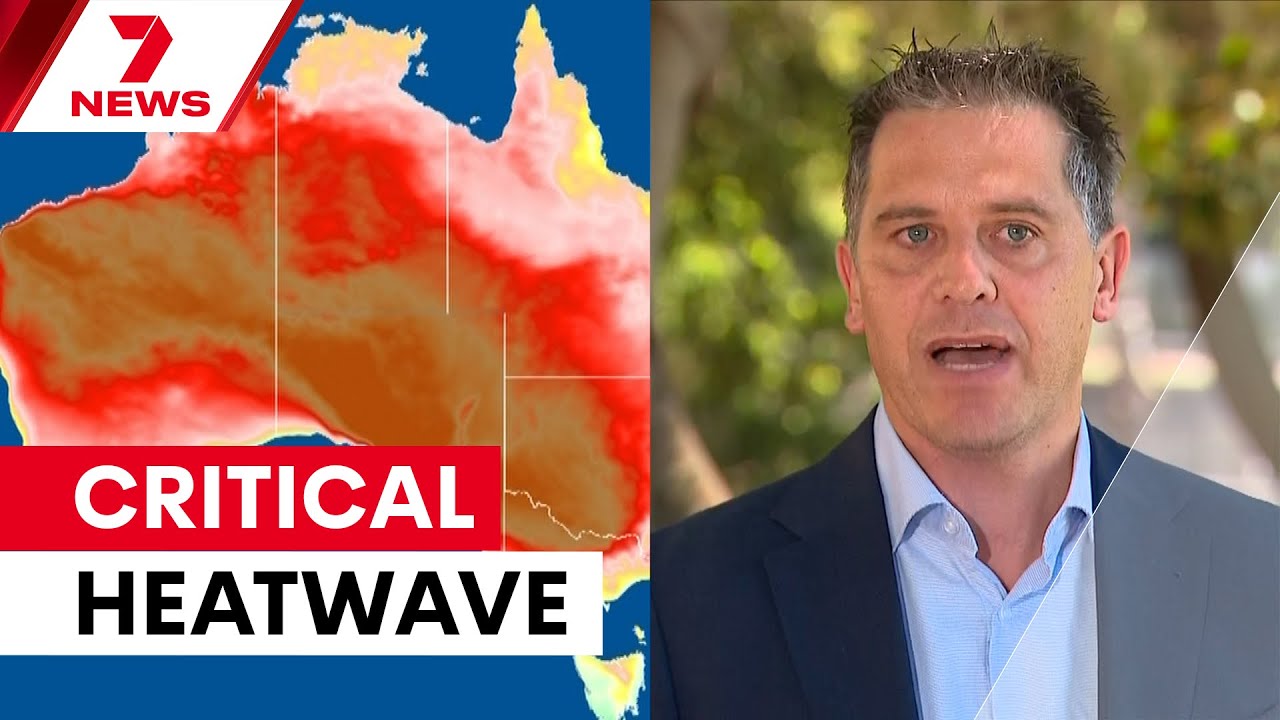
The New South Wales government has issued an extreme heat warning for Sydney and parts of western Sydney, forecasting searing temperatures over the coming days. Emergency services and NSW Health are increasing resources, but individuals must take simple precautions to reduce strain on hospitals and ambulances.
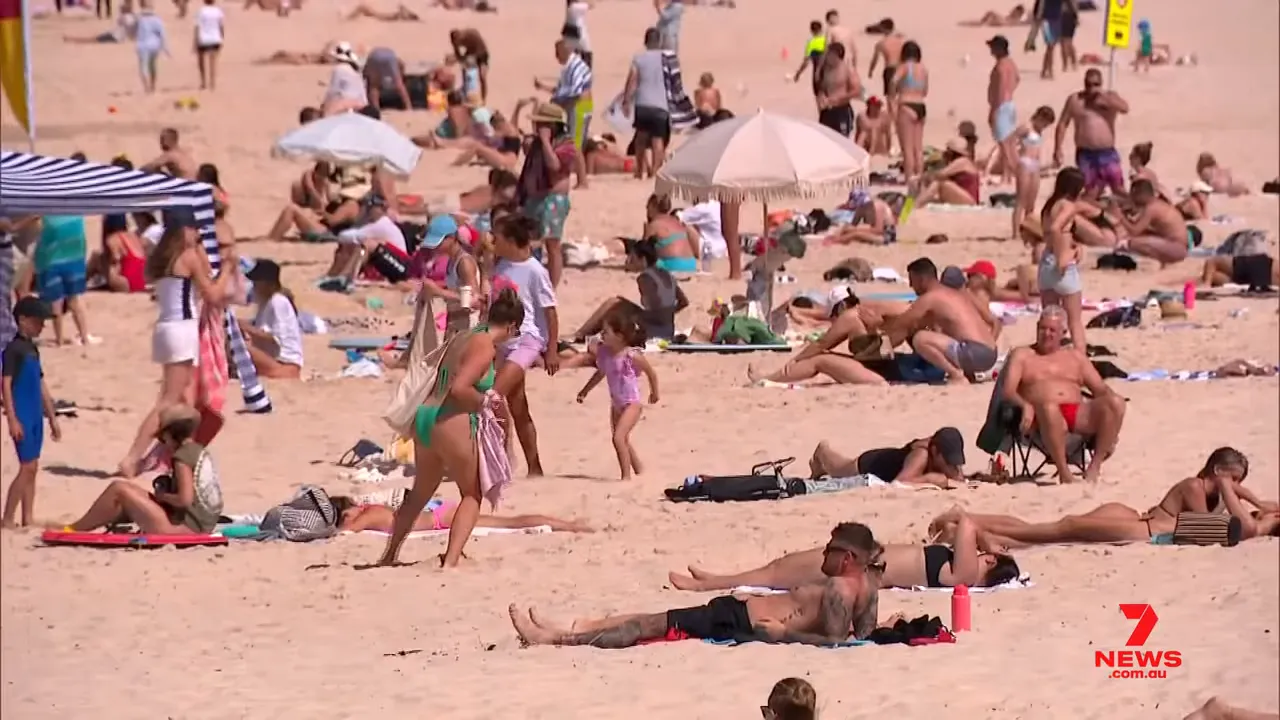
This heat event is expected to arrive quickly and is particularly dangerous for older people, young children and anyone doing strenuous activity outdoors. The highest risk period is during mid‑day and early afternoon when temperatures will peak.
Key steps to stay safe during the heat
Follow practical measures now to protect your health and help emergency services focus on life‑threatening cases. Staying hydrated and avoiding exertion in the hottest part of the day are the two most important actions you can take.
- Exercise only in the cooler parts of the day — early morning or late evening, not during or after lunch.
- Drink water regularly and don’t wait until you feel thirsty. Dehydration increases the risk of heat stress and heat stroke.
- Check on the vulnerable — keep an eye on elderly relatives, neighbours and young children.
- Never leave children or pets unattended in a vehicle. Car interiors can reach catastrophic temperatures within minutes.
- Use cool public spaces if you do not have access to air conditioning: libraries, shopping centres and community halls can offer relief.
- Keep the Hazards Near Me app running so you receive alerts for local fires or incidents and can follow emergency service advice.
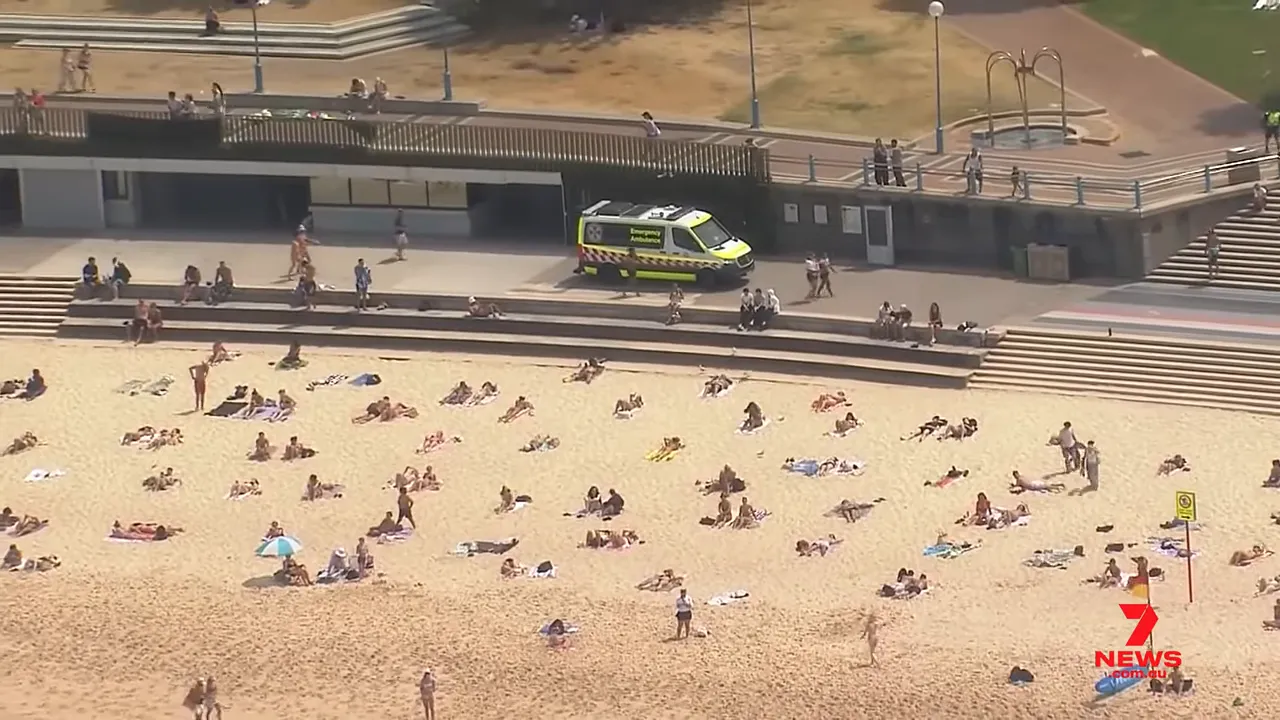
Local ambulance and hospital teams will be bolstered with additional staff and supplies, but their capacity is limited. Simple actions by the public — particularly not exercising during peak heat, and staying hydrated — reduce the number of heat‑related presentations to emergency departments.
How emergency services are responding
NSW Ambulance and NSW Health are preparing for an increase in call‑outs and emergency department visits for heat stress, heat fatigue and heat stroke. Extra personnel and resources will be deployed to triage and treat people, and ambulance crews will proactively look for people in distress.

If it is a life‑threatening emergency, call Triple‑Zero (000). For non‑emergency medical advice or if you’re unsure whether someone is dehydrated, contact HealthDirect on 1800 022 222 to speak with a clinician and receive guidance.
Practical tips for families and carers
Plan ahead if you will be out and about. Avoid leaving children or pets in cars even for a short errand. Dress infants and children in lightweight clothing, keep feeds and fluids available, and move them to shade or air‑conditioned spaces if they show signs of overheating.
If you care for older relatives, ensure they have access to cool rooms, regular fluids and a charged phone in case they need help. Community support networks can be useful for welfare checks during sustained heat.
What to watch for — signs of heat illness
- Confusion, dizziness or fainting.
- Very high body temperature, rapid heartbeat or shallow breathing.
- Skin that is hot and dry or, in some cases, sweaty and clammy.
- Nausea or vomiting and severe headache.
If someone shows these symptoms, move them to a cool place, give sips of water if they are conscious, and seek urgent medical help.
Key takeaways
- Temperatures in parts of Sydney could reach close to 44°C in the next few days.
- Avoid outdoor exercise during the hottest hours; exercise in the early morning or late evening instead.
- Stay hydrated, watch vulnerable people and never leave children or pets unattended in vehicles.
- Use the Hazards Near Me app for local incident alerts and call Triple‑Zero only for emergencies.
Who has issued the extreme heat warning?
The warning has been issued by New South Wales authorities, with NSW Health and emergency services preparing for increased demand across Sydney and western Sydney.
How hot will it get and when will the peak occur?
Temperatures are forecast to peak over the coming days, with some areas of Sydney expected to approach 44°C. The hottest period is likely around mid‑day to mid‑afternoon.
What immediate actions should I take to protect myself and others?
Stay hydrated, avoid vigorous exercise during peak heat, use air‑conditioned public spaces if needed, check on elderly family members and young children, and never leave anyone in a parked car.
When should I call Triple‑Zero (000)?
Call Triple‑Zero if someone is experiencing life‑threatening symptoms such as severe confusion, collapse, very high body temperature or difficulty breathing. For non‑emergency medical advice, contact HealthDirect on 1800 022 222.
How can I stay informed about local hazards during the heat?
Keep the Hazards Near Me app active on your phone to receive alerts about fires, incidents and other local dangers. Follow instructions from emergency services and local authorities.
The information in this article has been adapted from mainstream news sources and video reports published on official channels. Watch the full video here 'Absolutely critical': Extreme heat warning issued for Sydney | 7NEWS


