Table of Contents
- Solo training flight ends in dramatic runway stall; trainee walks away unharmed
- Frequently asked questions
Solo training flight ends in dramatic runway stall; trainee walks away unharmed
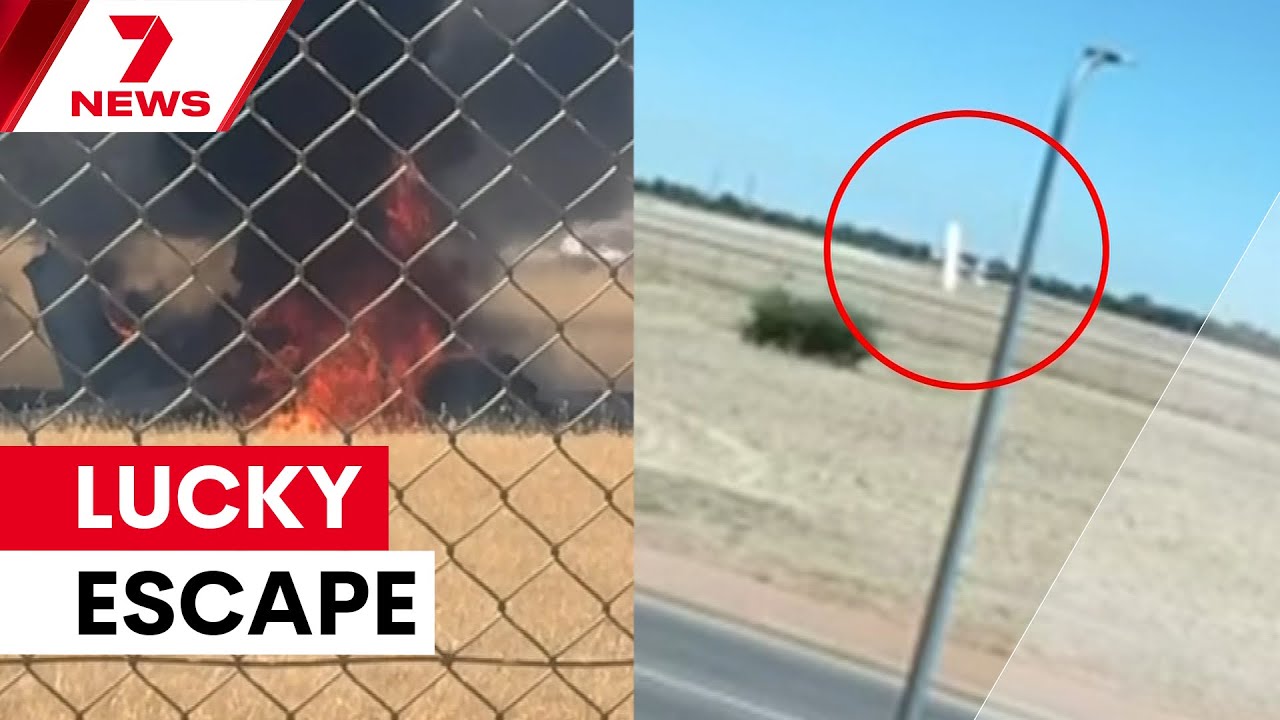
Student pilot escapes fiery plane crash after a failed touch-and-go at Parafield Airport, narrowly avoiding serious injury when the training Cessna stalled and struck the runway before bursting into flames. The trainee extracted themselves about 30 seconds before the aircraft was engulfed, and emergency crews contained the blaze despite gusty conditions.
What happened
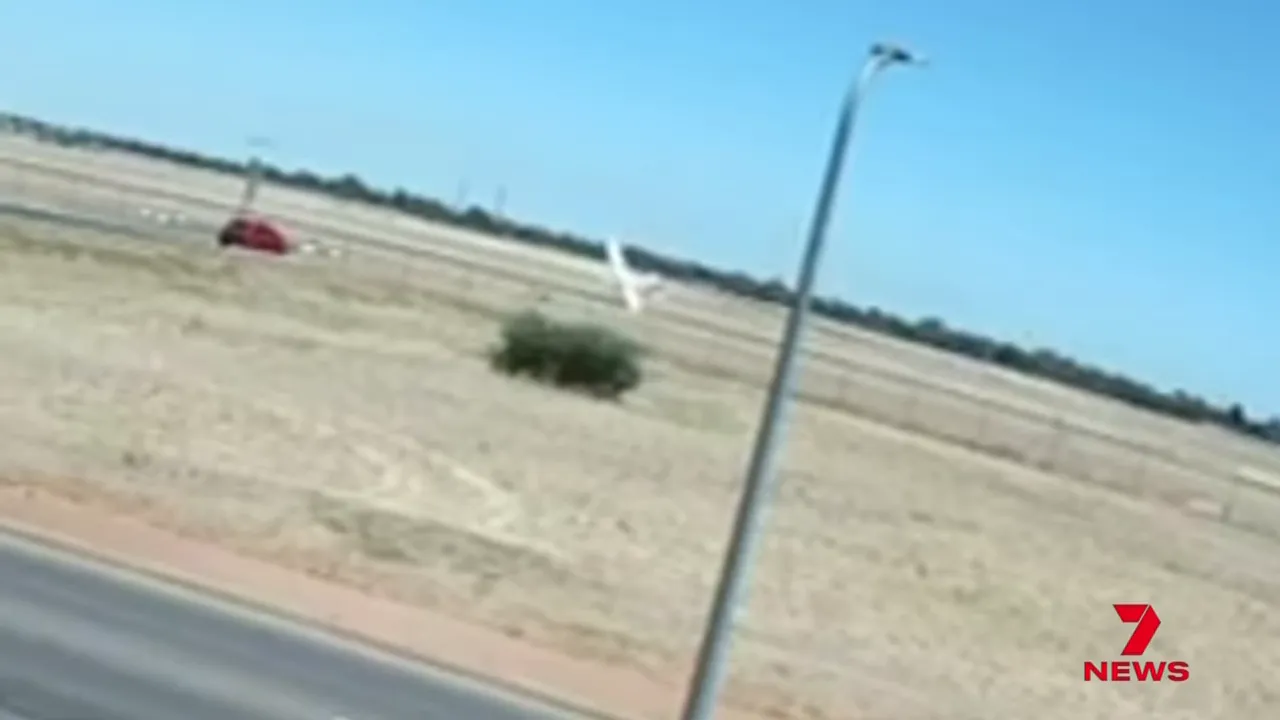
The incident occurred around 12:30pm during circuit training when the trainee carried out a touch-and-go — touching down, applying power and attempting to continue the circuit. Security footage shows the aircraft bounced heavily on first contact, and while the pilot was trying to regain lift there was insufficient airspeed. That loss of speed caused the left wing to stall and the aircraft to impact the runway and adjacent grass.
Immediate outcome
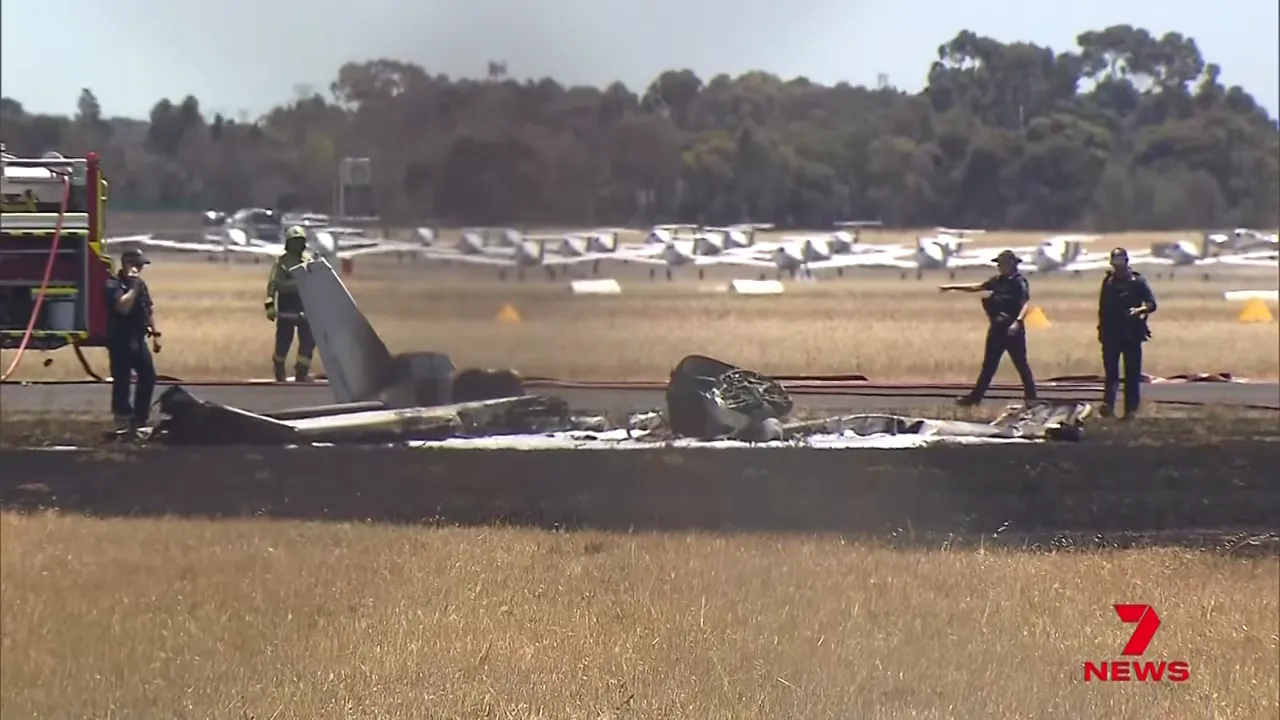
The pilot was able to free themselves and move clear roughly half a minute after the impact. The aircraft caught fire and was subsequently destroyed, leaving large scorch marks across the turf. Emergency services responded quickly and, despite a crosswind that threatened to spread the fire, crews contained the blaze before it spread to surrounding areas.
Who was involved and where
The aircraft was a small Cessna, a common training aircraft known for stability and widespread use in flight schools. The trainee was flying solo as part of circuit training while an instructor observed from the ground. The incident took place at Parafield Airport in Adelaide, a busy general aviation field where other flights continued as authorities managed the scene.
Why it likely happened
Early indications point to a hard bounce on touchdown followed by an attempted go-around without enough airspeed to sustain lift. That combination can induce a wing stall at low altitude, leaving little time for recovery. Investigators will examine aircraft condition, pilot experience, weather factors and the sequence of controls during the touch-and-go to determine the precise cause.
Authorities note student pilots on solo circuits are involved in a number of incidents each year; local reports suggest roughly 20 accidents or incidents annually related to solo training flights, underscoring the narrow margins during take-off and landing practice.
Response and safety considerations
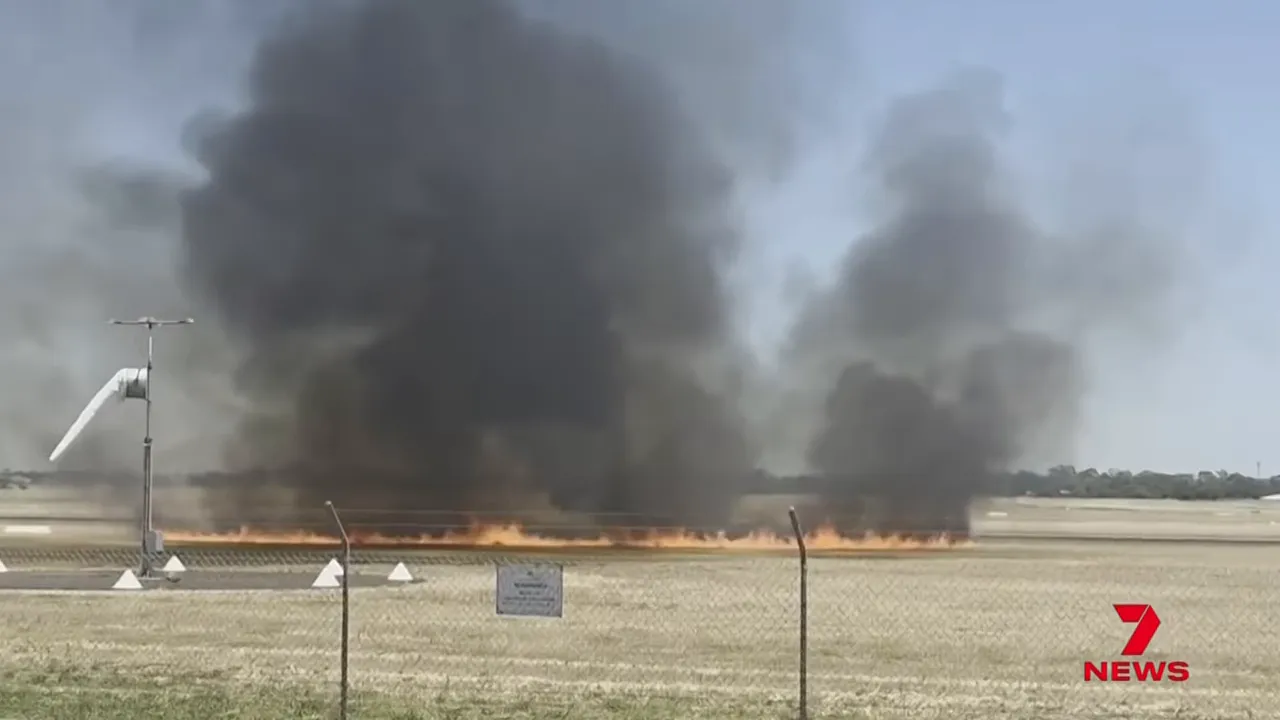
Emergency services were praised for their rapid containment of the fire, especially given the windy conditions and dry grass around the runway. Eyewitnesses said the scene could have been far worse without the swift response. The presence of an instructor on the ground meant rapid post-incident investigation and support for the trainee.
What investigators will look for
Investigators will review video footage, interview the instructor and the trainee, inspect the wreckage, and analyse meteorological data. Key questions include whether the bounce was due to pilot technique, gusting crosswinds, or another factor; why airspeed was insufficient during the attempted climb; and whether any mechanical issues contributed to the stall.
Takeaways for student pilots and flight schools
- Touch-and-go manoeuvres require careful energy and airspeed management; a hard bounce can rapidly change the aircraft’s energy state.
- Crosswinds increase the difficulty of landings and go-arounds — training and instructor oversight are critical.
- Quick evacuation and emergency response can save lives even when aircraft are lost.
- Regular briefings on go-around decision-making and stall recovery at low altitude help reduce risk during circuit training.
Frequently asked questions
Was anyone injured in the crash?
No — the trainee pilot escaped the aircraft and moved away roughly 30 seconds after the impact. There were no reported injuries.
What caused the aircraft to crash?
Preliminary findings indicate a heavy bounce on touchdown followed by an attempted go-around with insufficient airspeed, which led to a left wing stall and impact. A full investigation will determine all contributing factors.
What type of aircraft was involved?
The aircraft was a small Cessna, a common type used for flight training due to its stability and widespread availability.
How did emergency services respond?
Emergency crews arrived quickly and contained the resulting fire despite windy conditions and dry grass. Their rapid action prevented the blaze from spreading and likely prevented further harm.
Will the airport remain open?
At the time of reporting the airport continued to operate and other flights were observed, though local procedures and any temporary restrictions would be determined by airport authorities during the investigation.
What lessons can other student pilots learn?
Maintain energy and airspeed during touch-and-goes, respect crosswind limits, practise disciplined go-around decision-making with instructors, and ensure regular recovery training for low-altitude stalls.
The information in this article has been adapted from mainstream news sources and video reports published on official channels. Watch the full video here Student pilot escapes fiery plane crash in Adelaide | 7NEWS


