Table of Contents
- Coast Guard boards sanctioned 'Bella One' amid global ghost fleet operations
- What happened — a concise account
- Who was on board and the legal angle
- Why the vessel matters — the 'ghost fleet' problem
- What happens to the oil and seized cargo
- Geopolitical ripple effects
- What this means for Venezuela and sanctions policy
- Practical takeaways
- What exactly is the "ghost fleet"?
- Was the boarding legal on the high seas?
- What will happen to the crew?
- Will seized oil go to Venezuela?
- Could this escalate tensions with Russia?
- Final thought
Coast Guard boards sanctioned 'Bella One' amid global ghost fleet operations
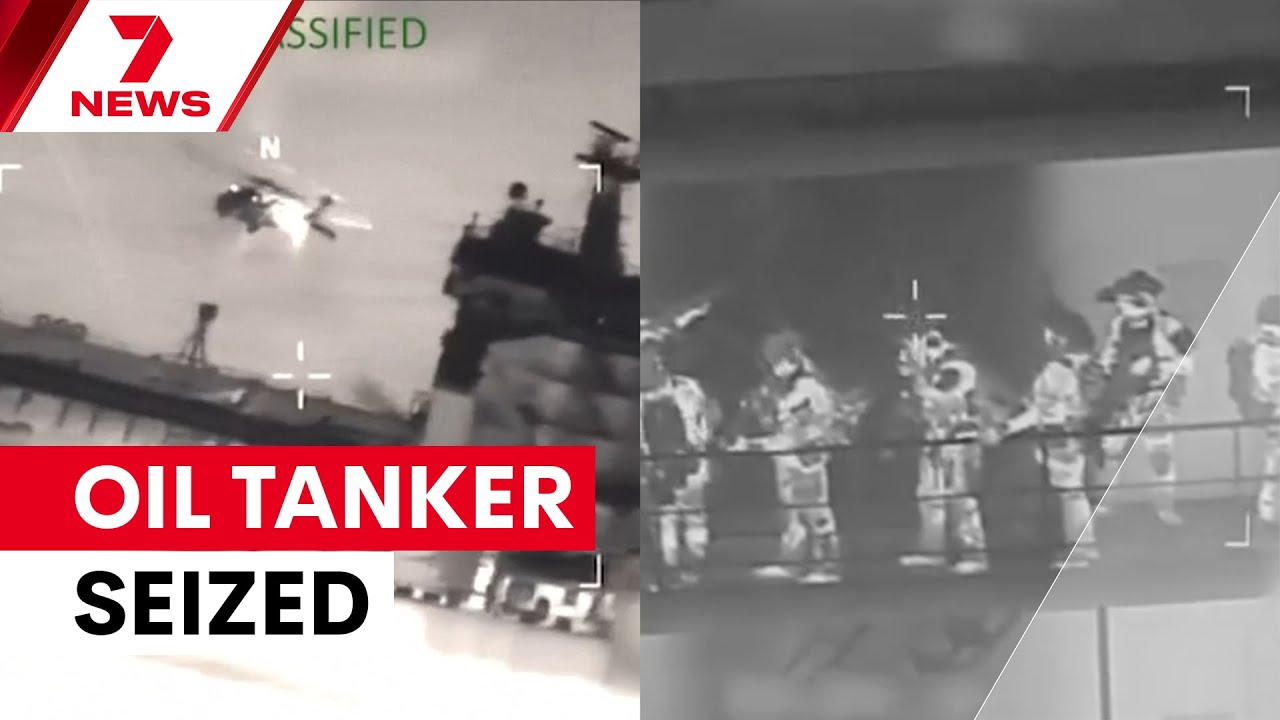
WASHINGTON — The US seizes Russian-flagged oil tanker Bella One after a Coast Guard law enforcement boarding of a sanctioned vessel linked to Venezuela’s so-called "ghost fleet". The action is the latest in a broader effort to disrupt nearly 1,000 tankers accused of moving black‑market crude around the world.
What happened — a concise account
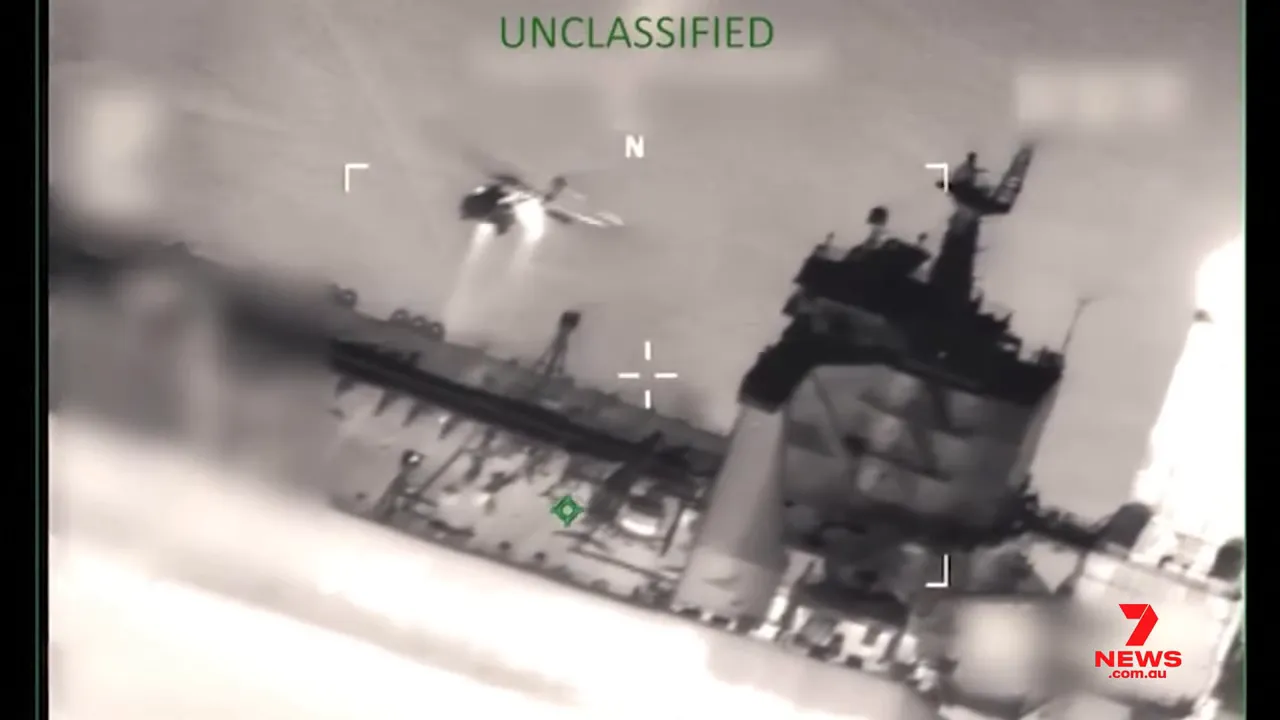
The vessel, originally known as the Bella One, was tracked steaming north from the Caribbean into the North Atlantic. It had changed names and flags several times — a common tactic among sanctioned ships trying to evade detection.
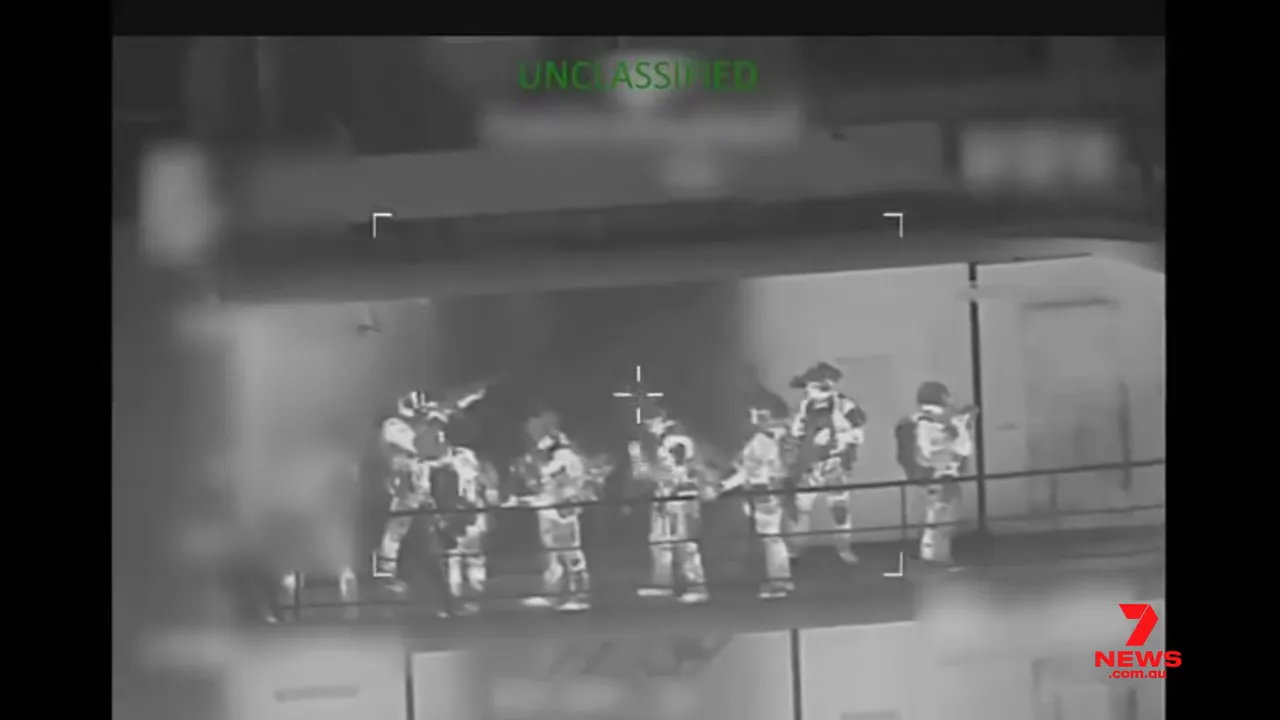
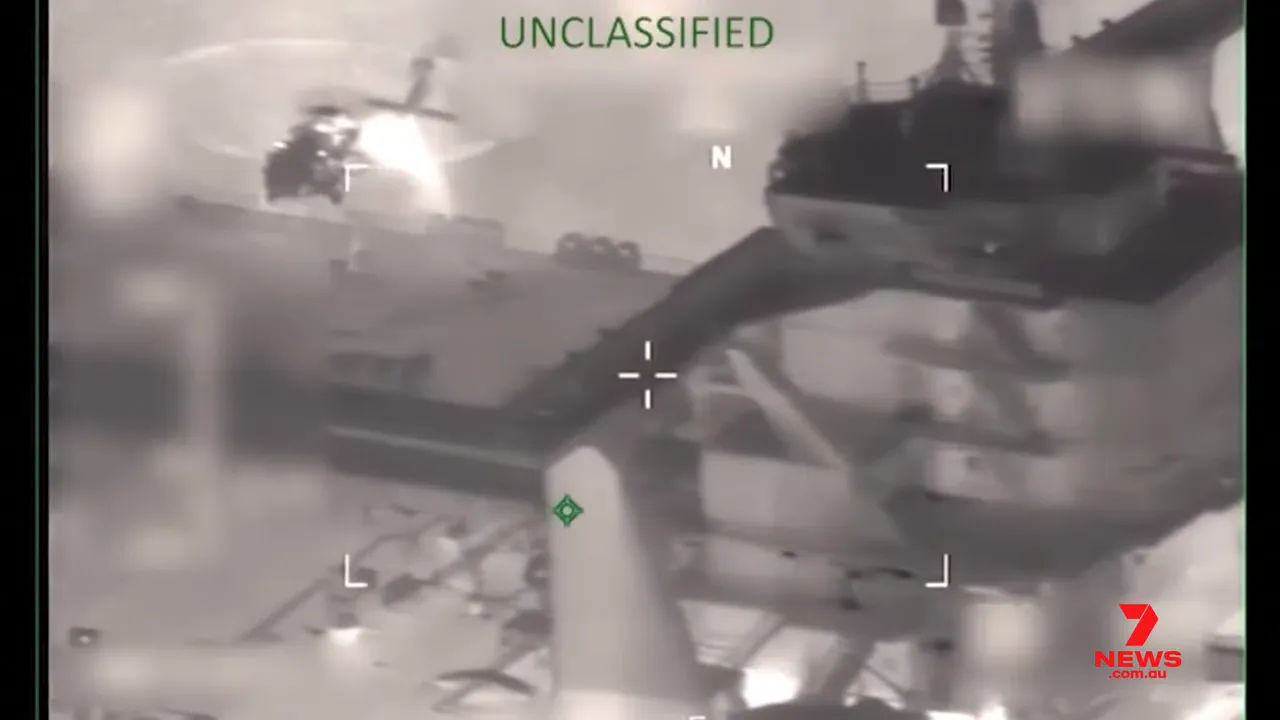
US special operations teams from the Coast Guard executed a boarding on the high seas and took the ship under US control. Officials say the tanker is likely to be escorted back to the United States for further legal processing.
Who was on board and the legal angle
The crew reportedly included Russian nationals who face prosecution for violating US sanctions. Although the ship was operating on the high seas, US and many other nations retain the authority to board vessels suspected of illegal trafficking, including illicit oil transfers and human trafficking.
Those detained will be brought to the United States to undergo due process in the courts, officials say. The boarding was carried out as a law enforcement action rather than a military engagement.
Why the vessel matters — the 'ghost fleet' problem
Experts describe a global "ghost fleet" of roughly 1,000 sanctioned tankers that obscure ownership and cargo through repeated name and flag changes. These ships are accused of moving stolen or sanctioned crude to buyers on the black market, undermining sanctions regimes and global trade norms.
Stopping a single ship is symbolic and practical: it interrupts one supply route, deters risky manoeuvres like reflagging, and highlights the reach of maritime law enforcement.
What happens to the oil and seized cargo
This particular tanker was reportedly empty when boarded. However, recent seizures along the US Gulf Coast have resulted in several million gallons of confiscated crude.
President Trump has stated that oil seized from sanctioned vessels will be used for the benefit of the American people and the Venezuelan people. Officials say the goal is to return sanctioned resources to lawful commerce and to use them in ways that support a transition toward free market conditions in Venezuela.
Geopolitical ripple effects
The incident drew immediate attention from Russia, which hastily reflagged the ship under its flag and was reported to have shadowed the vessel with submarines — a move that increased tensions but did not prevent the boarding.
Ship seizures like this sit at the intersection of law enforcement, diplomacy and national security. They can prompt protests, legal challenges and diplomatic protests from states whose nationals are involved.
What this means for Venezuela and sanctions policy
The administration frames such seizures as part of a strategy to build conditions for a free market economy in Venezuela, with the ultimate aim of creating a pathway toward free elections. That objective, officials acknowledge, is months away and will require sustained economic and diplomatic work.
Using confiscated crude to benefit Venezuelan civilians is politically sensitive and legally complex. Any redistribution or sale must navigate domestic law, international obligations and oversight to avoid accusations of impropriety.
Practical takeaways
- Seizing a sanctioned tanker demonstrates operational reach but is one part of a broader sanctions enforcement effort.
- Repeated reflagging and name changes are common tactics used by the "ghost fleet" to evade surveillance.
- Legal proceedings will determine the fate of crew and seized cargo; seizures on the high seas rely on established maritime and sanctions law.
- Confiscated oil may be repurposed for humanitarian or domestic use, but distribution requires careful legal and diplomatic handling.
What exactly is the "ghost fleet"?
The "ghost fleet" refers to hundreds of tankers that change names and flags to hide ownership and move sanctioned or stolen oil on the black market. Estimates suggest around 1,000 such vessels operate globally, complicating enforcement of sanctions.
Was the boarding legal on the high seas?
Yes. International law permits boarding of ships on the high seas when there are reasonable grounds to suspect illicit activities such as sanctions evasion, trafficking or piracy. Coast Guards and law enforcement agencies carry out these operations under maritime and domestic statutes.
What will happen to the crew?
Crew members believed to have violated sanctions will be brought to the United States and go through the judicial process, where charges will be laid and their legal cases determined according to US law and due process.
Will seized oil go to Venezuela?
Officials have indicated that confiscated oil could be used to benefit both the United States and the Venezuelan people. Any transfer or sale will be subject to legal oversight and policy decisions to ensure compliance with domestic and international rules.
Could this escalate tensions with Russia?
Potentially. The reported involvement of Russian submarines shadowing the vessel and the presence of Russian crew add diplomatic sensitivity. However, the action was framed as law enforcement against sanctioned activity, which tempers direct military confrontation.
Final thought
Seizing the Bella One highlights the complex, transnational nature of sanctions enforcement at sea. It underscores the growing role of maritime law enforcement in cutting off illicit oil flows, while also raising questions about legal oversight, diplomatic fallout and the practical use of confiscated resources to support civilians.
The information in this article has been adapted from mainstream news sources and video reports published on official channels. Watch the full video here US seizes Russian-flagged oil tanker | 7NEWS


