ICE operation Minneapolis shooting: Fatality and fallout
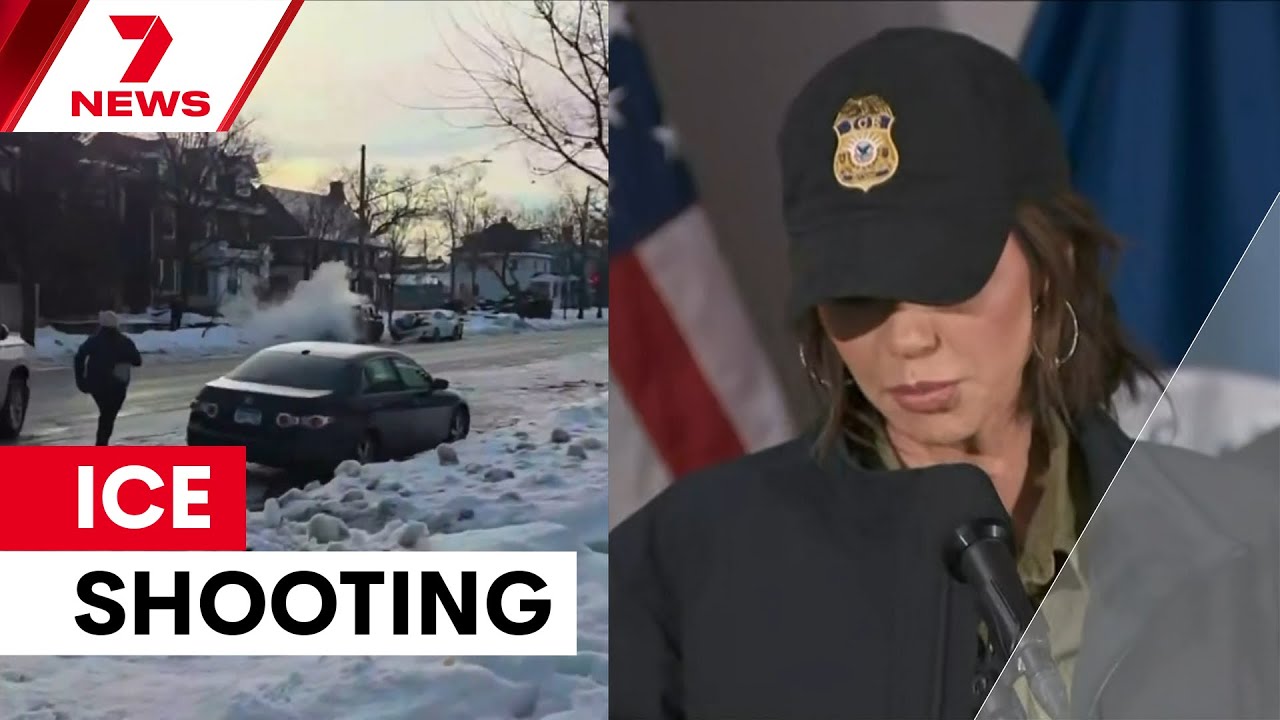
Table of Contents
- MINNEAPOLIS — A fatal shooting during an ICE operation has reignited debate over law enforcement tactics and local cooperation
- What officials say happened
- Context and claims made by officials
- Legal and policing questions
- What this means for the city and beyond
- Key timeline
- Who was involved in the Minneapolis incident?
- Was the officer's use of force lawful?
- What is being investigated now?
- How have officials contextualised the incident?
- What should residents expect next?
- What to watch for
- Further reading and follow-up
MINNEAPOLIS — A fatal shooting during an ICE operation has reignited debate over law enforcement tactics and local cooperation
ICE operation Minneapolis shooting was the central event in a tense incident in downtown Minneapolis that left a civilian dead and a federal officer injured. Officials say the operation began at about 10:25am local time when officers conducting lawful Immigration and Customs Enforcement work encountered a vehicle stuck in snow and a group of people obstructing their actions.
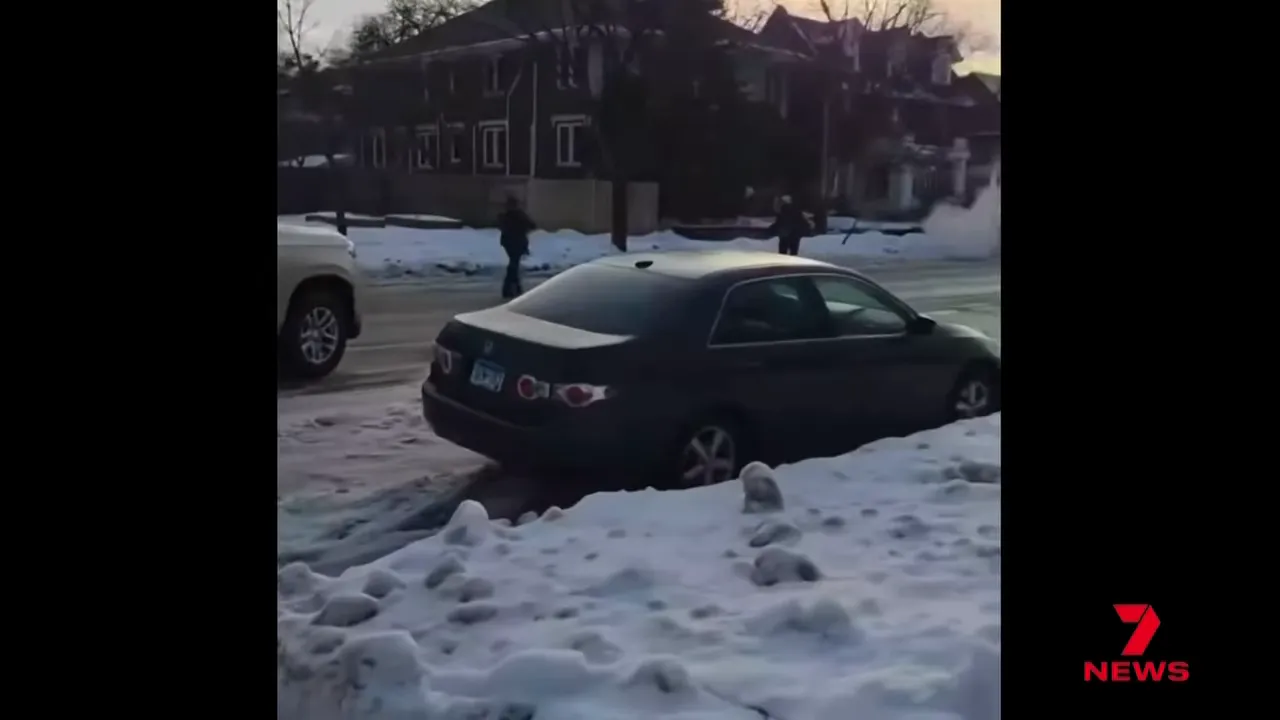
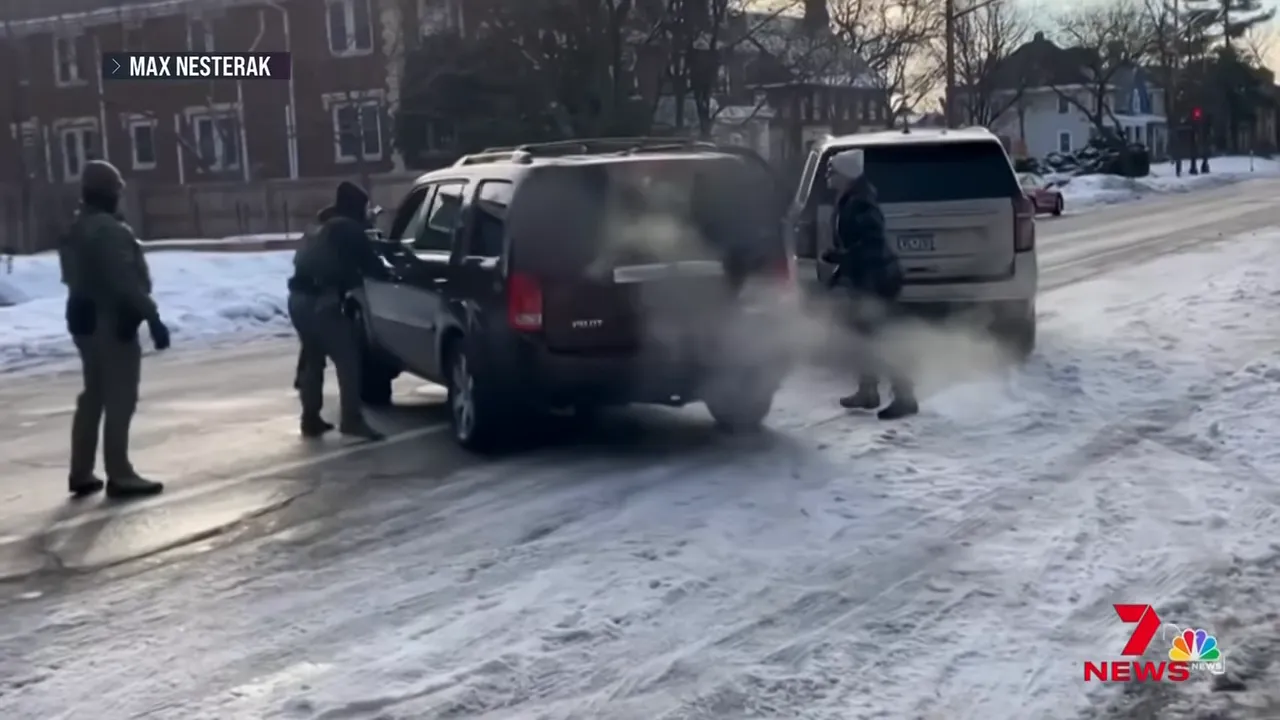
According to statements made at a press conference, officers attempted to push a stranded ICE vehicle free when a crowd of agitators began blocking and harassing law enforcement. An individual in a car allegedly refused repeated orders to exit and then used the vehicle as a weapon, striking an officer. The officer fired defensive shots and the driver later died at the scene.
What officials say happened
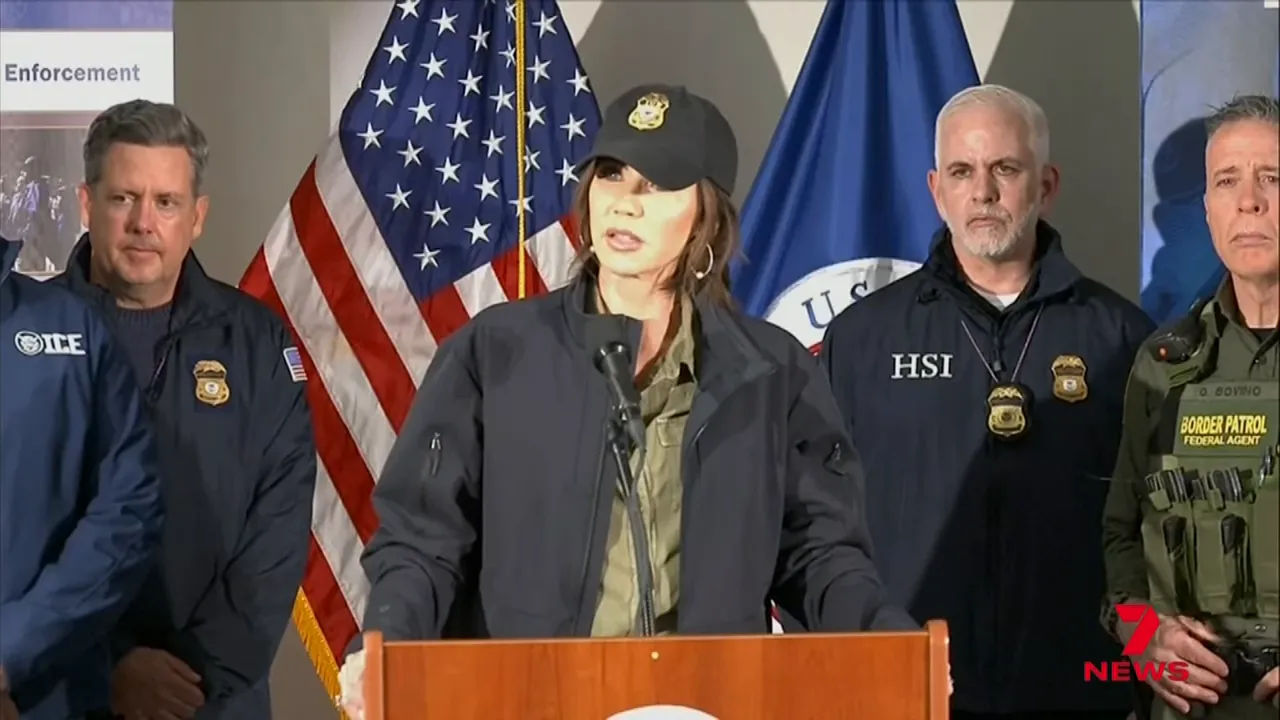
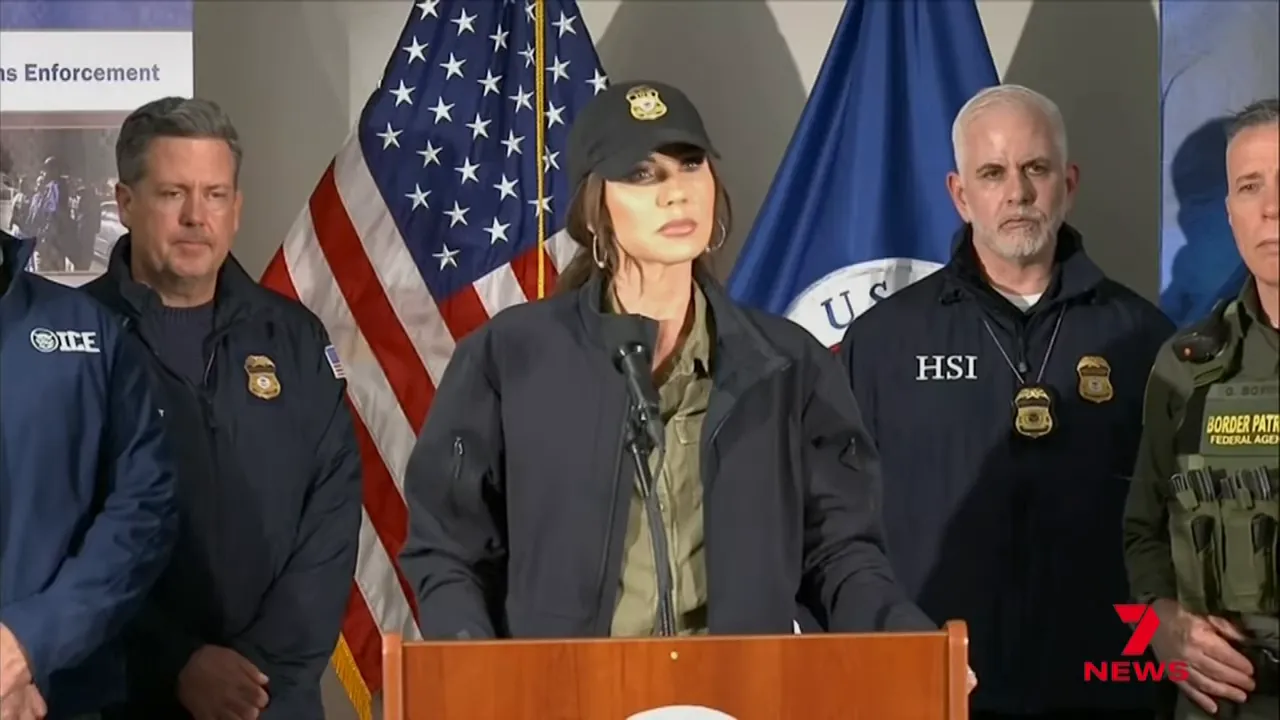
At the press briefing, South Dakota Governor Kristi Noem described the incident as an apparent attempt to kill or seriously injure federal agents. She said the vehicle was used to “weaponise” the situation and characterised the act as domestic terrorism. Officials confirmed the officer was taken to hospital, treated, and released to family.
"She then proceeded to weaponize her vehicle, and she attempted to run a law enforcement officer over. This appears as an attempt to kill or to cause bodily harm to agents, an act of domestic terrorism."
Federal authorities say the Bureau of Alcohol, Tobacco, Firearms and Explosives and the FBI will continue their investigation and release more details when appropriate. Local police reportedly assisted at the scene to secure the area and allow federal investigators to work.
Context and claims made by officials
The speaker framed the operation within a broader national law-and-order narrative, citing a sharp rise in assaults and threats against ICE personnel and an increase in vehicle ramming incidents targeting federal officers. Officials also pointed to recent arrests claimed during the deployment in Minneapolis — more than 1,500 people were said to have been taken into custody for a range of alleged crimes.
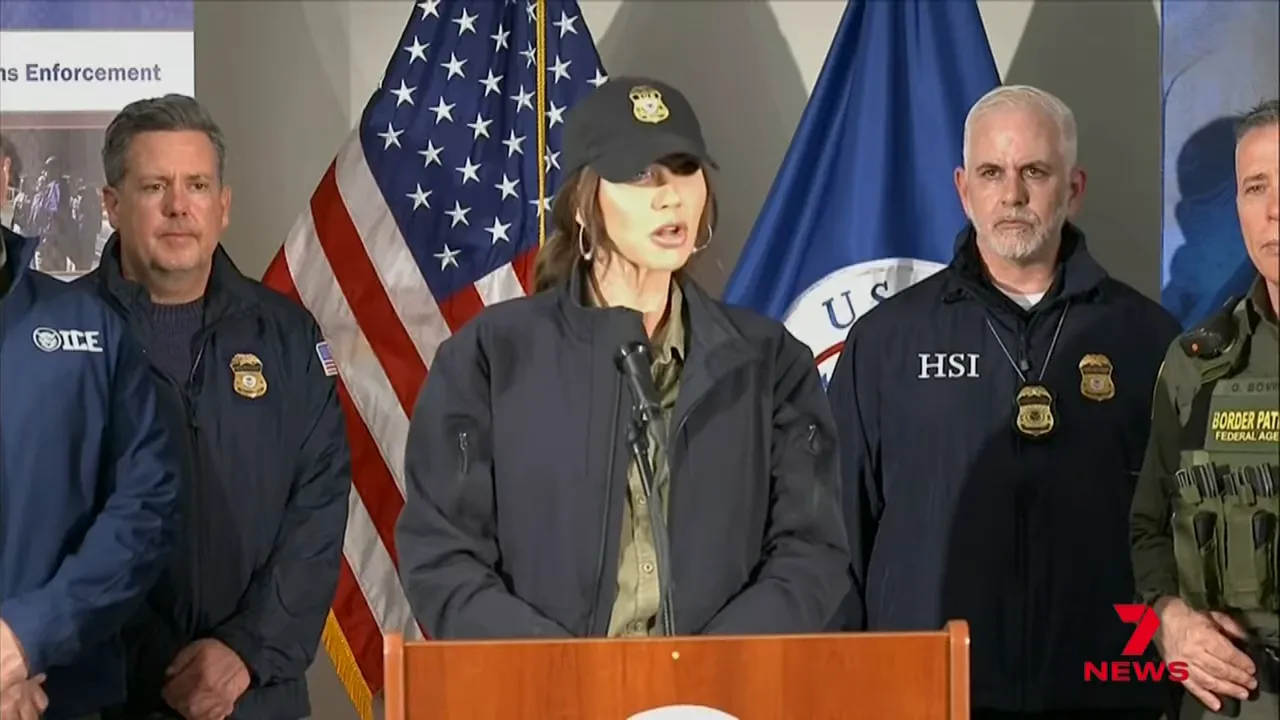
At the same time, the press conference criticised local sanctuary-style policies and local leadership, arguing a lack of cooperation from state and city authorities hindered federal work and public safety. Governor Noem urged local leaders to partner with federal law enforcement to reduce crime and protect residents.
Legal and policing questions
Legal experts note a vehicle used as a weapon is often treated as a deadly weapon under US law, and defensive gunfire can be lawful when officers reasonably fear for their lives or the lives of others. Authorities at the briefing defended the officer’s actions as consistent with training and existing use-of-force guidelines.
Investigators will determine whether that legal threshold was met and whether departmental protocols were followed. Standard procedure in officer-involved shootings includes securing statements, collecting evidence and handing decisions about charges to investigators once the facts are established.
What this means for the city and beyond
The incident has amplified tensions between federal and local officials and fuelled public debate about how immigration enforcement should operate within cities that have adopted restrictive cooperation policies. It also raises questions about crowd control, safety for officers and civilians, and how law enforcement responds in rapidly evolving public confrontations.
For residents, the event is a stark reminder of how quickly an enforcement action can escalate and of the complex interplay between federal mandates and local priorities.
Key timeline
- 10:25am (local) — ICE agents conducting operations encountered a vehicle stuck in snow and a crowd obstructing the scene.
- Officers say an individual refused orders to exit and allegedly used her vehicle to strike an officer.
- The officer fired defensive shots; the driver died at the scene and the officer was treated and released.
- The FBI and other federal investigators are handling the ongoing probe.
Who was involved in the Minneapolis incident?
Federal ICE officers were conducting an enforcement operation when a civilian driver allegedly obstructed the scene and struck an officer, prompting a defensive shooting. Local law enforcement later assisted and federal investigators are leading the inquiry.
Was the officer's use of force lawful?
Officials at the press conference defended the shooting as lawful defensive action, noting a vehicle used to harm someone can be treated as a deadly weapon. Determinations about legality will follow the FBI and related investigations.
What is being investigated now?
Investigators are collecting witness statements, forensic evidence and body-worn camera footage where available. The FBI will evaluate whether departmental protocols were followed and whether criminal charges apply.
How have officials contextualised the incident?
Speakers framed it as part of a wider pattern of attacks and threats against federal officers, citing a reported rise in vehicle rammings and assaults on ICE personnel. They used the incident to call for stronger cooperation between federal and local authorities.
What should residents expect next?
Expect a formal update from federal investigators as evidence is processed. Local leaders and federal agencies may engage in discussions about future operations, public safety measures and community outreach to reduce tensions.
What to watch for
- Official updates from the FBI and federal prosecutors about the criminal investigation.
- Local police and city statements clarifying cooperation agreements and operational protocols.
- Any public reviews of policy or practice governing federal operations in cities with restrictive cooperation policies.
Further reading and follow-up
As the investigation continues, readers should look for verified statements from investigators and local authorities, as well as independent reporting that corroborates timelines and actions. Carefully sourced follow-up coverage will be essential to understand the full context and legal outcomes.
The information in this article has been adapted from mainstream news sources and video reports published on official channels. Watch the full video here Fatal shooting during ICE operation in Minneapolis| 7NEWS


