Robotic puppy for dementia patients offers new hope
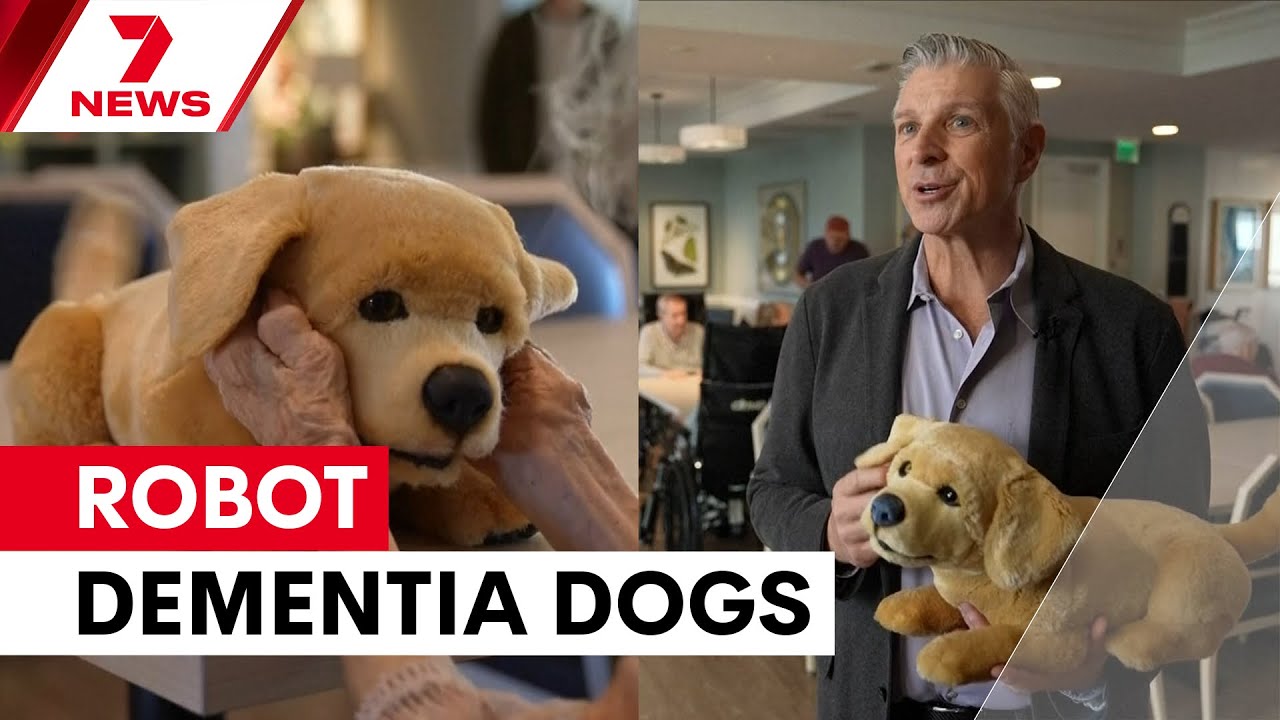
Table of Contents
- New lifelike robotic pets aim to reduce loneliness, anxiety and pain for seniors with cognitive decline
- From a family need to a researched solution
- What the research says
- Design challenges: lifelike form meets smart behaviour
- Where it’s headed: production and clinical trials
- Practical benefits and ethical considerations
- Key takeaways
- Questions people ask
- Final note
New lifelike robotic pets aim to reduce loneliness, anxiety and pain for seniors with cognitive decline
Robotic puppy for dementia patients is already attracting global interest as a practical companion for seniors living with Alzheimer’s and mild cognitive impairment. The idea began when a founder’s mother, after a dementia diagnosis, had to have her real dog taken away for safety reasons and rejected traditional substitutes such as dolls and stuffed toys.
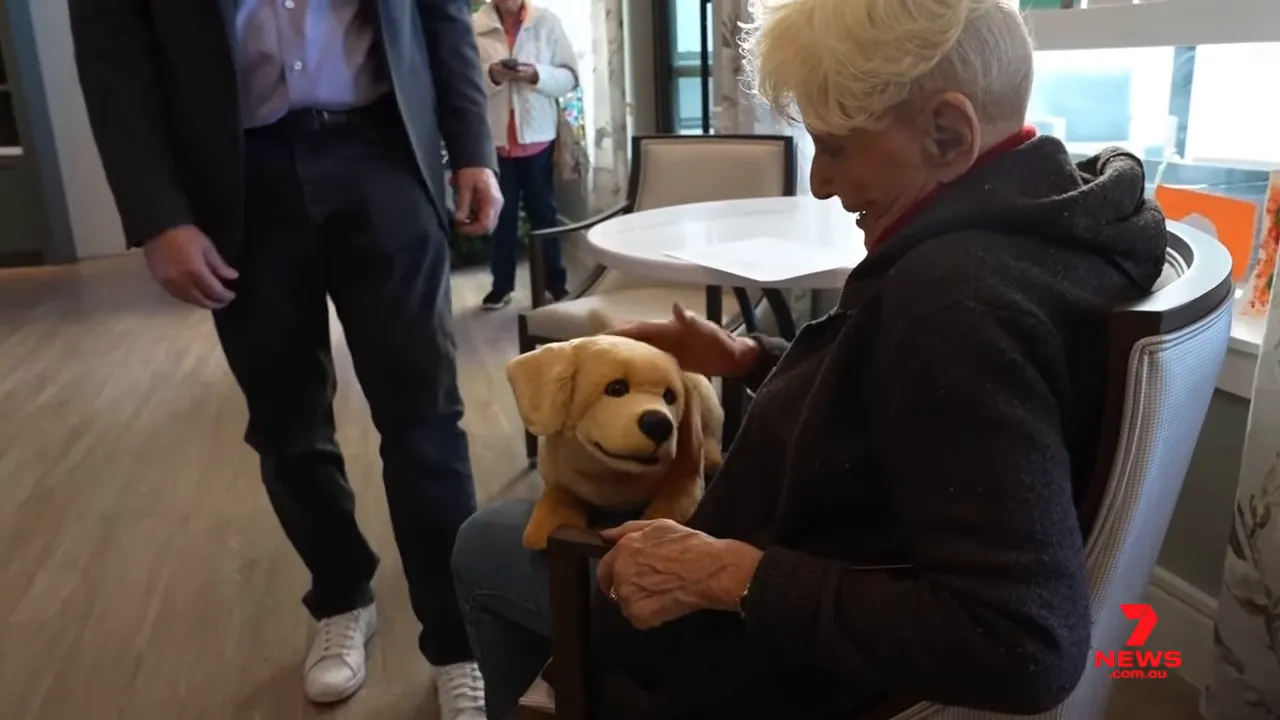
That personal experience launched a multi-year research and development effort that culminated in a realistic robotic companion designed specifically for older adults. Along the way, the team drew on academic evidence showing emotional attachments to objects can ease the behavioural and psychological symptoms of dementia.
From a family need to a researched solution
The project began at home and matured into formal study and design work, including a master’s thesis at Stanford University. The founder discovered that her mother’s reaction—rejecting simple toys—was not unique. An estimated 300 million seniors worldwide live with dementia or pre-dementia mild cognitive impairment, creating a substantial unmet need for safe, meaningful companionship.
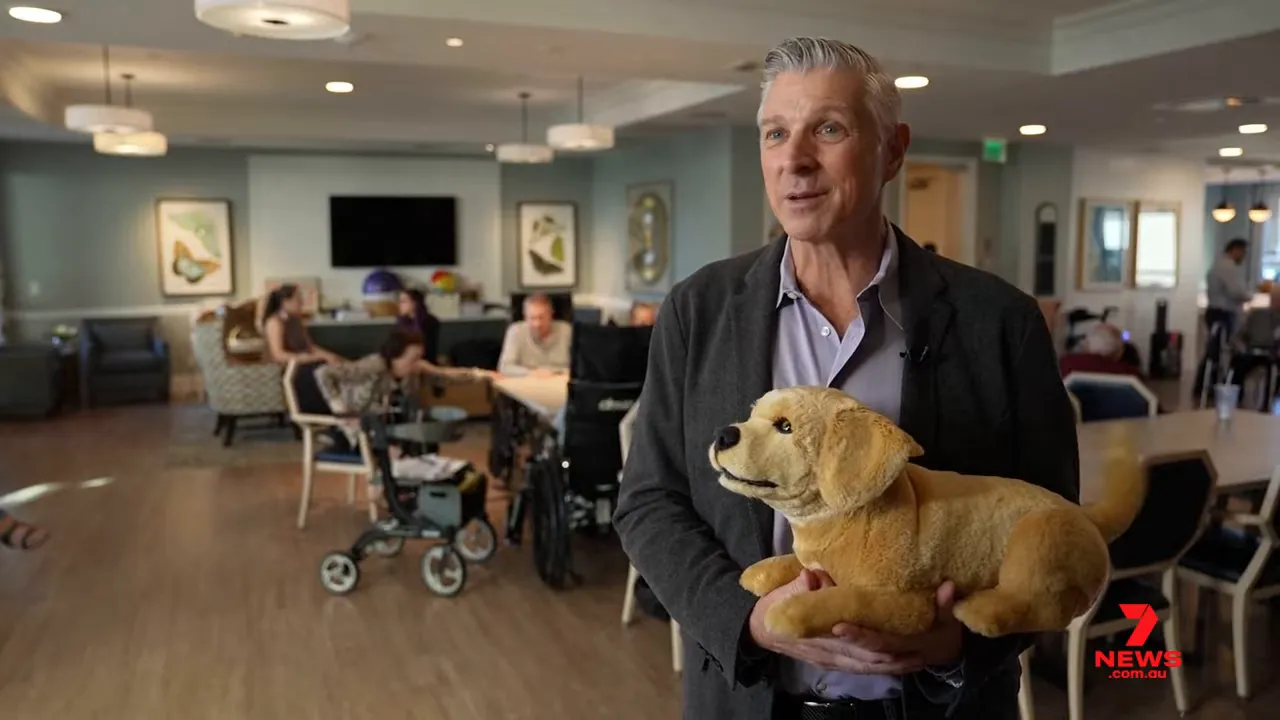
Rather than reverting to traditional baby dolls or static soft toys, the team pursued a more ambitious goal: create a robotic pet that is convincingly lifelike and capable of forming emotional bonds with users.
What the research says
Decades of peer-reviewed studies back the concept that when a senior forms a robust emotional attachment to an object, they often experience relief from symptoms such as loneliness, anxiety, depression and delirium. In some cases, attachment can also reduce agitation and hallucinations.
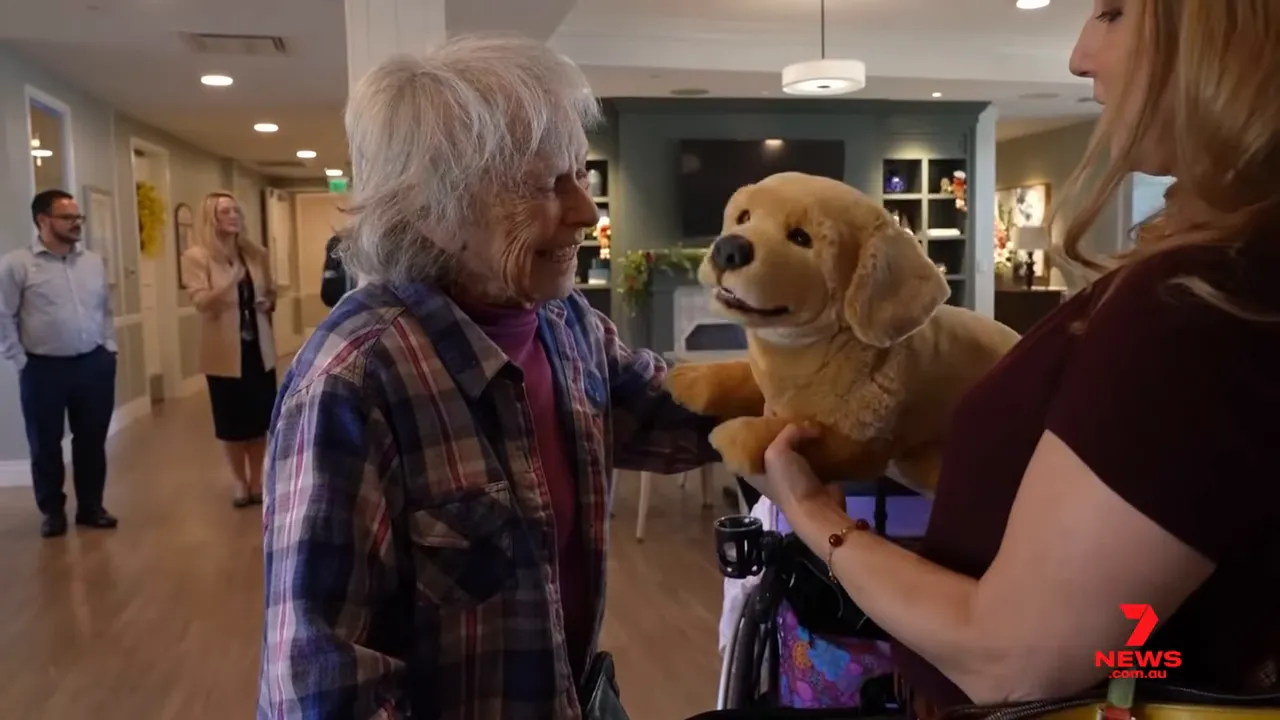
More recent research comparing robotic animals with conventional dolls and stuffed toys finds that robotic companions often outperform traditional objects. Benefits reported include decreased need for pain medication and improved engagement with care staff.

Design challenges: lifelike form meets smart behaviour
Creating a convincing caregiver companion requires more than a fluffy exterior. The team found that basic toy-like robots failed to hold attention; the companion needed to behave like a real puppy to sustain emotional connection.
That realism demands sophisticated mechanical engineering, sensors and artificial intelligence. The robot must sense touch, interpret interactions, and move autonomously in ways that feel natural and reassuring to a senior user.
Where it’s headed: production and clinical trials
The robotic puppy is moving from prototype to production. The team reported they are in final production preparations, expecting first paid shipments in summer and in-hospital clinical studies to start in spring. Early interest has been strong: the project has over 20,000 pre-orders and waitlist customers spread across 116 countries.
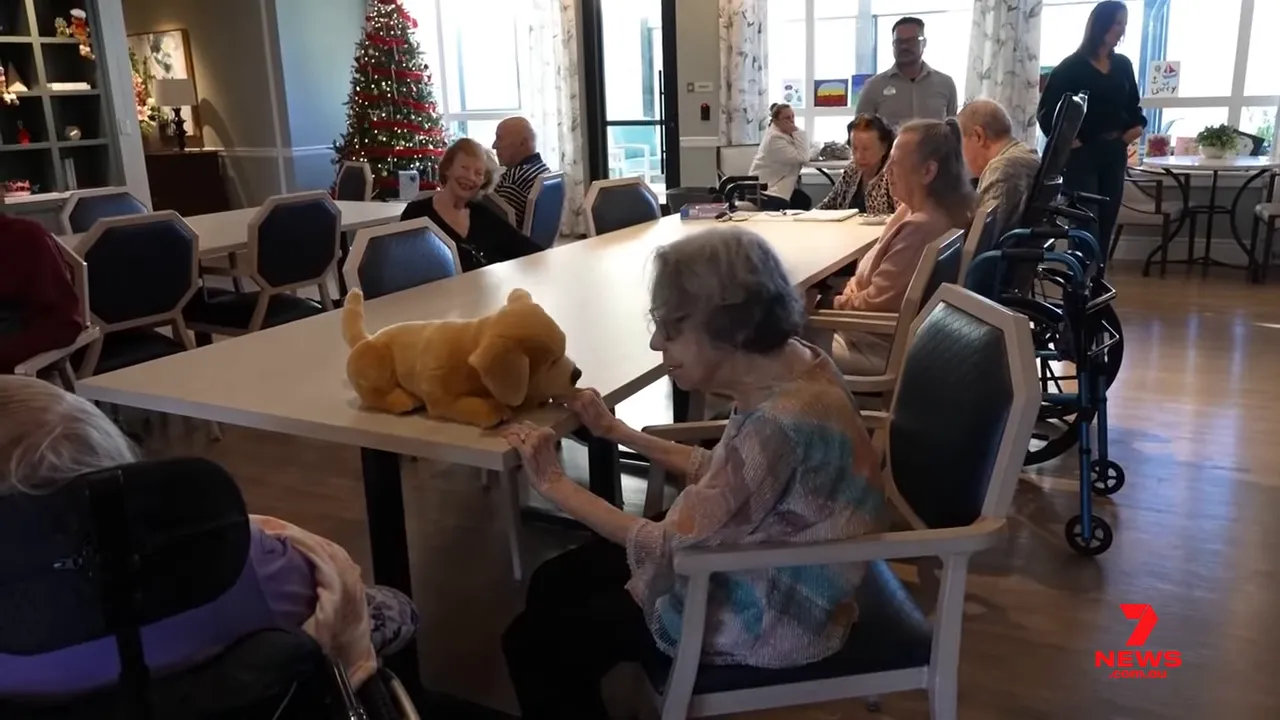
Clinical trials will be important to quantify benefits in real-world care settings and to refine how the device is deployed in hospitals, residential aged care and private homes.
Practical benefits and ethical considerations
Robotic companions offer a way to provide emotional support without the safety and care burdens of live animals. They can be particularly useful where allergy, bite risk, or mobility and supervision constraints make live pets impractical.
At the same time, care providers and families must consider dignity and consent. The goal is to use these devices to enhance quality of life, not to replace human contact. Proper introduction, ongoing supervision and integration with broader therapeutic approaches are essential.
Key takeaways
- The project started from a family experience and developed into a researched robotic companion for older adults with cognitive decline.
- Decades of studies indicate emotional attachment to objects can ease dementia symptoms; robotic animals often show stronger effects than static toys.
- Lifelike appearance and intelligent behaviour are crucial to forming meaningful attachments.
- First customer shipments and clinical studies are imminent, and global demand is already high.
Questions people ask
Who stands to benefit from a robotic puppy?
Seniors with dementia or mild cognitive impairment who have lost or can no longer safely care for a live pet, as well as care settings where live animals are not possible due to allergies, infection control or staffing limitations.
How does a robotic puppy help with dementia symptoms?
When a senior forms an emotional bond with a lifelike object, studies show reductions in loneliness, anxiety, depression, agitation and even pain. Robotic animals can engage attention and provide gentle sensory feedback that calms and comforts users.
Is there scientific evidence this approach works?
Yes. Dozens of peer-reviewed studies across decades show benefits from attachment objects, and more recent research indicates robotic companions often outperform traditional dolls and stuffed animals, including reducing pain medication use.
When will robotic puppies be available?
Early production milestones indicate first paid customer shipments are expected in summer, with in-hospital clinical studies beginning in spring. Availability will expand as trials and production scale up.
Are there ethical concerns with using robotic companions?
Ethical considerations include ensuring informed consent, preserving dignity, and not substituting human interaction. These devices should complement, not replace, human care and social engagement.
Final note
"What do you think? I think she's beautiful."
The simple reaction captured the project’s purpose: to create a companion that feels real enough to comfort and connect. As technology and clinical evidence progress, lifelike robotic companions could become a meaningful tool for improving the quality of life for millions of older Australians and people worldwide.
The information in this article has been adapted from mainstream news sources and video reports published on official channels. Watch the full video here Robotic puppy offers hope for dementia patients | 7NEWS


