Queensland floods: Thousands of cattle lost
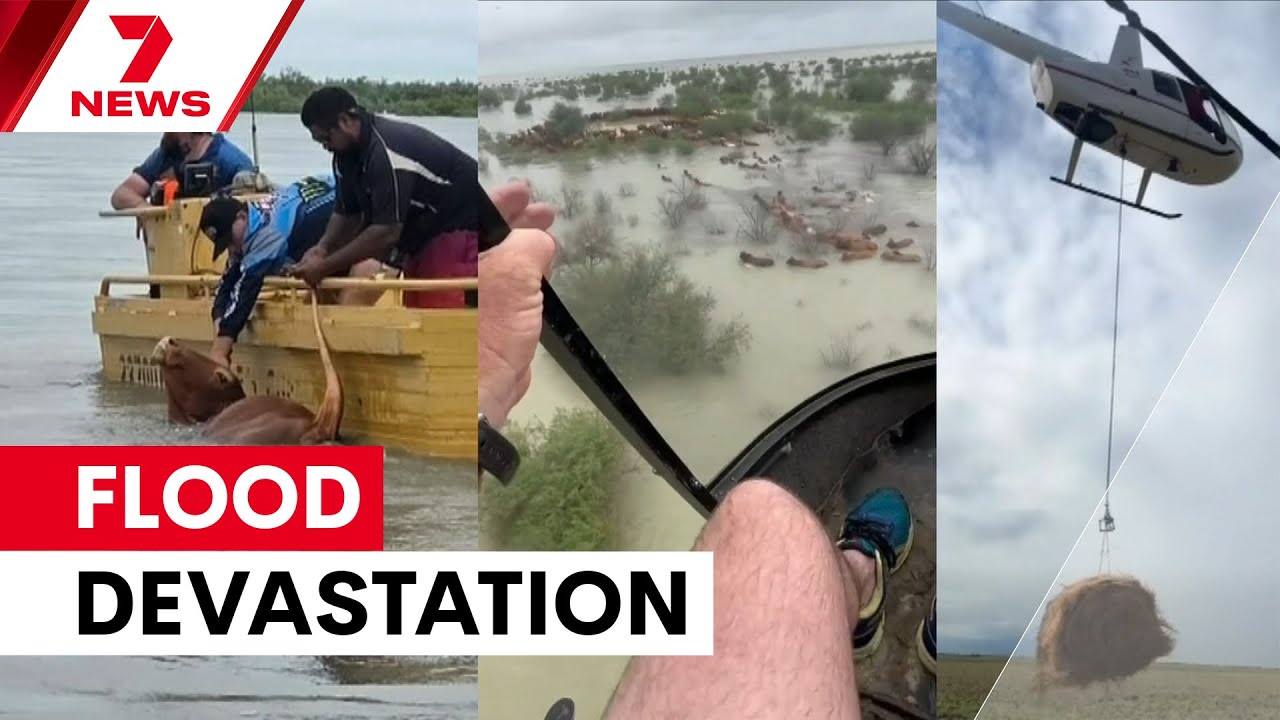
Table of Contents
Emergency fodder drops and an unfolding livestock disaster across western shires
Queensland floods have left cattle producers reeling as severe inundation along the Diamantina River has devastated stations across Winton, Cloncurry, Julia Creek and McKinlay Shires. Helicopter pilots are making emergency fodder drops to stranded mobs while producers remain largely isolated at home.
Local authorities and station owners say the full scale of the losses will only be clear once floodwaters recede. For now, the response combines aerial support, ongoing stock searches and days of on-ground assessment as conditions allow.
In Winton Shire, pilots have been in regular contact with emergency coordinators. Helicopter crews located multiple mobs of cattle stranded on higher ground and have begun targeted fodder drops to keep animals alive until they can be mustered or moved.
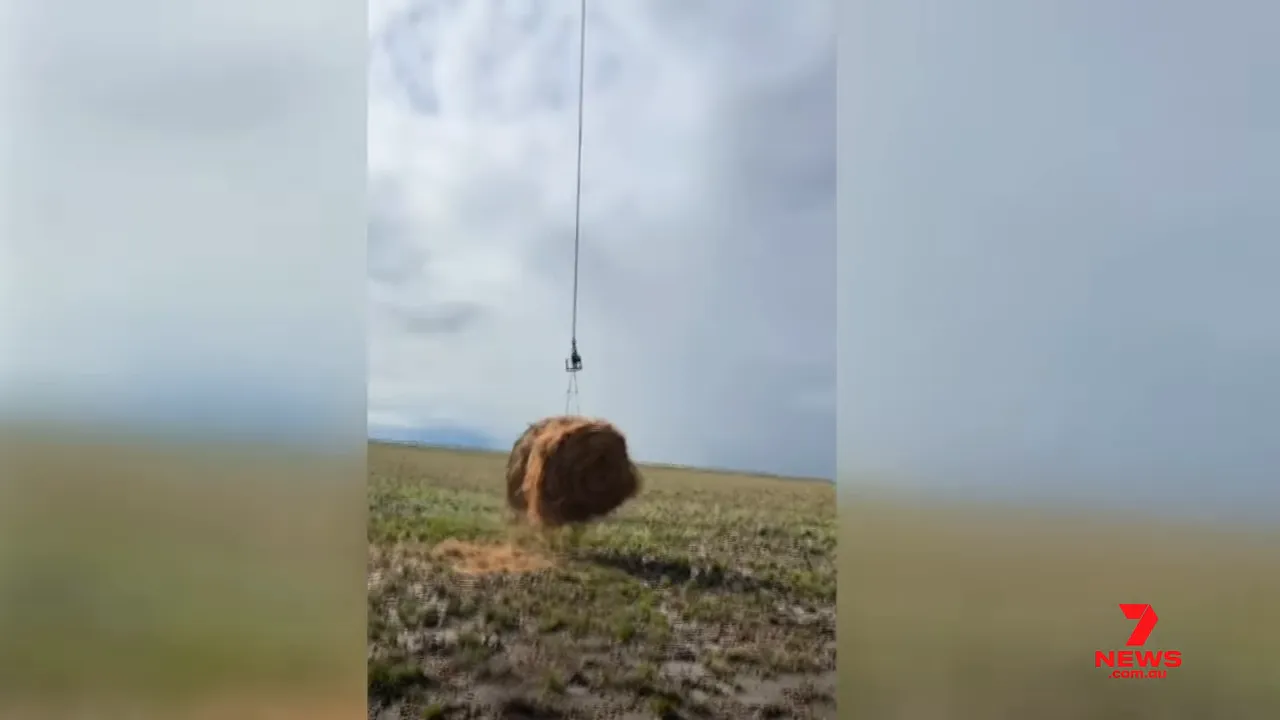
Fodder drops are being performed along the Diamantina River where water levels and cut access have left cattle without grazing. These drops aim to sustain livestock that are still found alive on remaining dry patches of country.
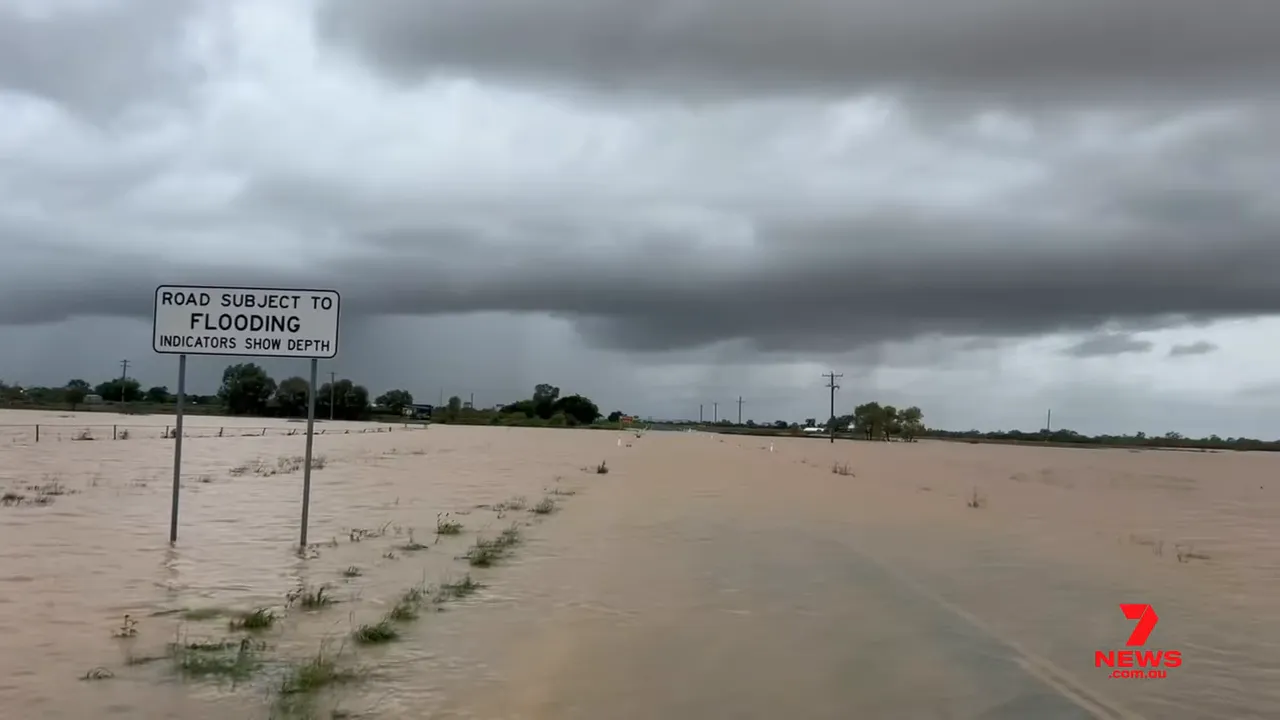
Some of the worst-hit areas include Cloncurry, Julia Creek and McKinlay Shires. Producers in those regions have reported the loss of thousands of head of cattle, with more carcasses expected to be discovered as floodwaters fall and access improves.
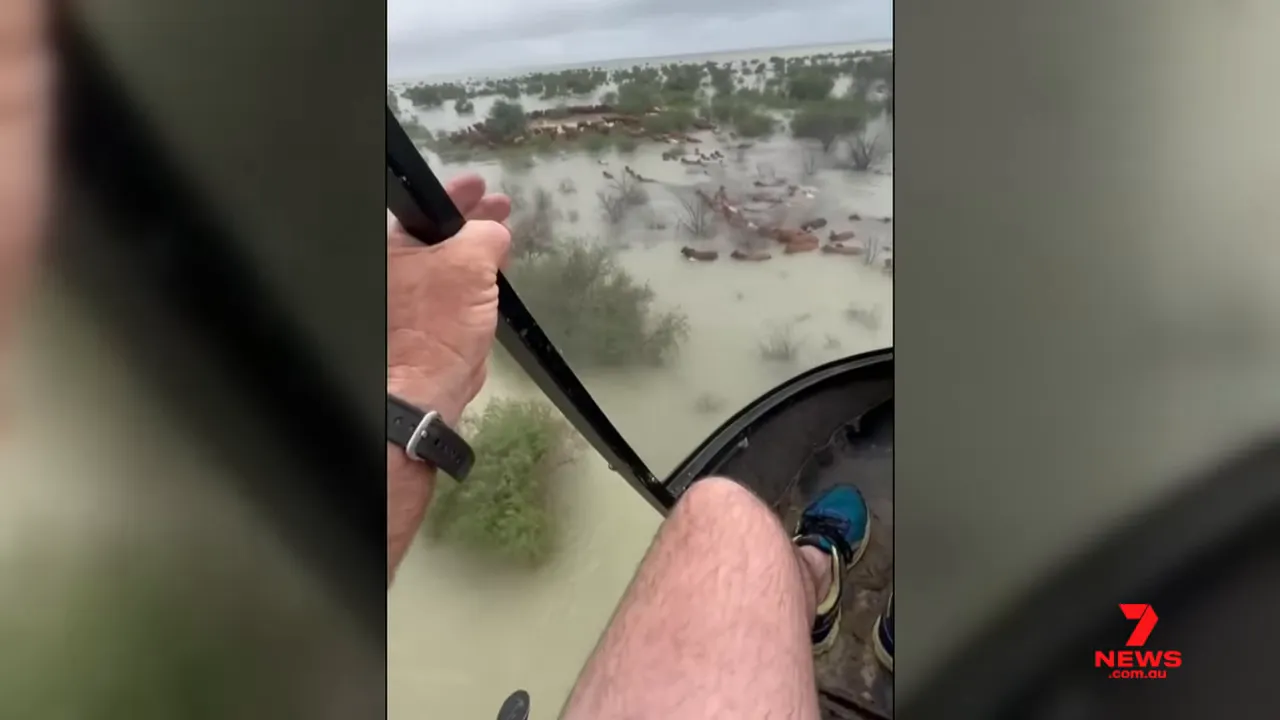
Recovery teams emphasise that these figures are provisional. As waters ease, inspectors will canvass paddocks and stock routes to establish a definitive tally and plan removals and carcass disposal to manage animal health risks.
How authorities and producers are responding
Pilots continue daily sorties to search for surviving mobs and assess whether cattle can be mustered to safer paddocks or will need further aerial support. Decisions are made case by case, balancing animal welfare with crew safety.
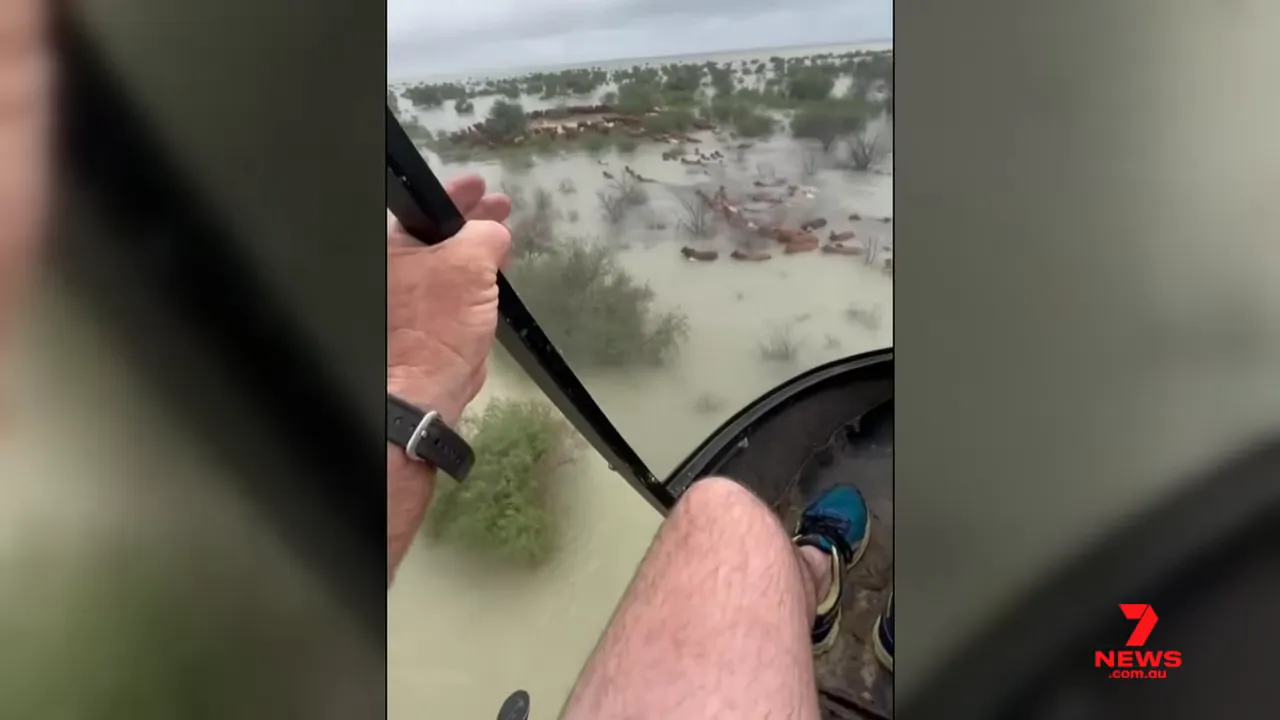
Because this is only the second day of sunshine in many affected districts, most producers remain at home and cannot access their properties except by air. That isolation slows on-farm assessments and complicates logistics for feed, water and stock movement.
Short-term priorities
- Continue emergency fodder drops where livestock are stranded.
- Coordinate aerial searches to locate surviving mobs and assess muster feasibility.
- Plan for humane euthanasia and safe carcass disposal where necessary to reduce disease risk.
- Support producers with logistics and welfare checks as roads and airstrips reopen.
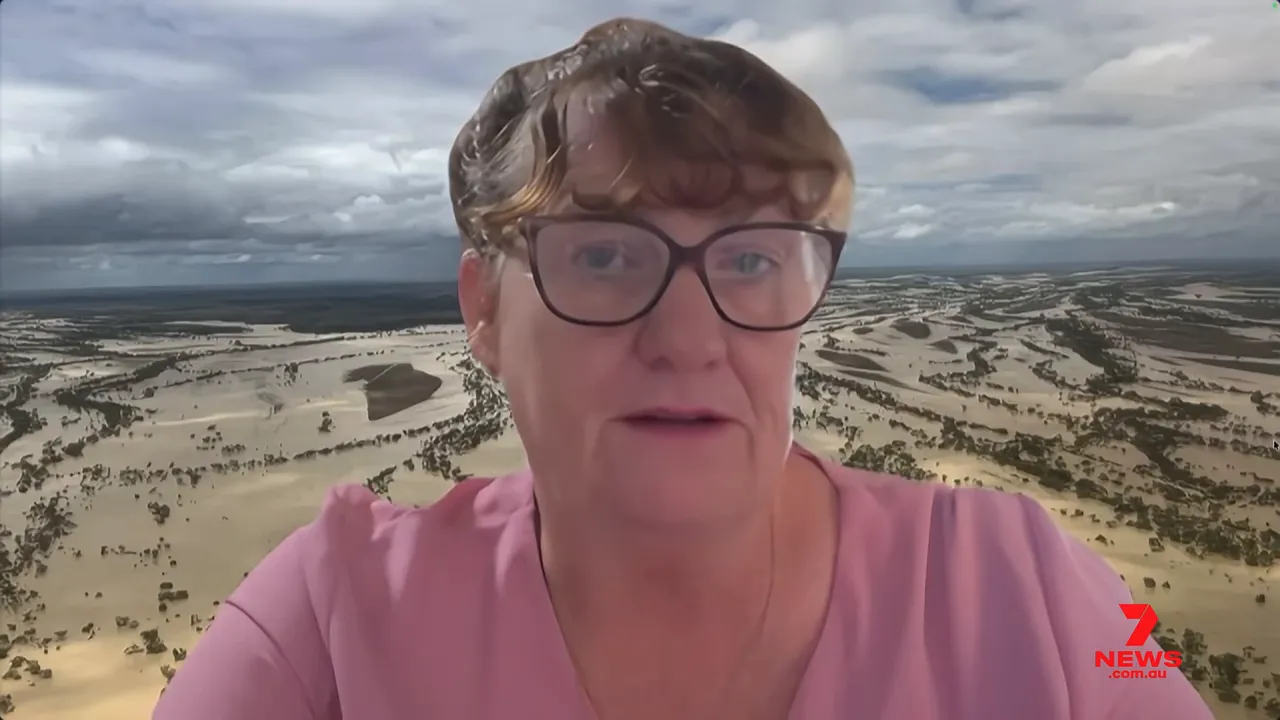
Local managers warn the situation will unfold over weeks rather than days. The immediate focus is stabilising animal welfare and providing producers with accurate information so they can begin recovery planning once access improves.
"It's an unfolding situation day by day."
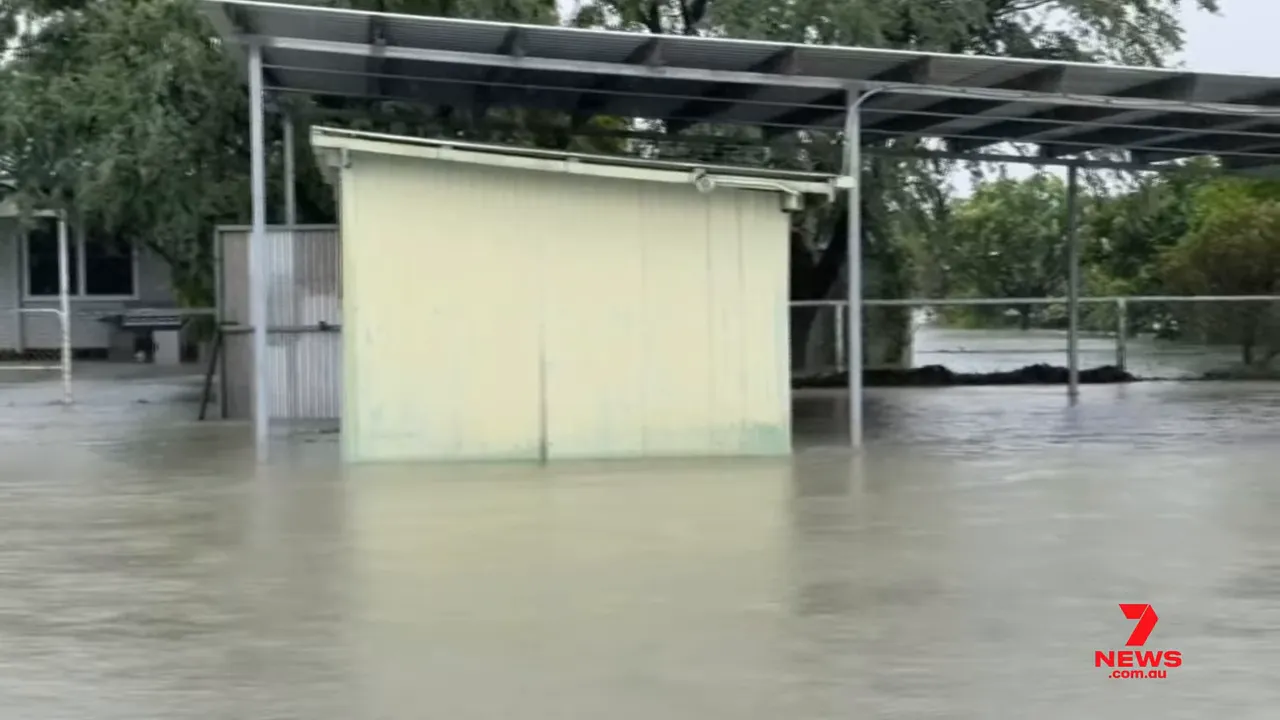
As roads dry and relief resources are mobilised, farmers will need clear support on carcass management, fodder resupply and financial assistance. Agencies are likely to prioritise biosecurity and safe disposal to reduce the risk of secondary impacts on surviving stock.
Key takeaways
- Severe flooding along the Diamantina River has caused major livestock losses across multiple western Queensland shires.
- Thousands of cattle are reported lost; the final toll will be known only after floodwaters recede.
- Emergency fodder drops by helicopter are sustaining stranded mobs until muster or relief access is possible.
- Producers remain largely isolated — many cannot reach properties except by air — delaying full assessments and recovery work.
When will the full extent of livestock losses be known?
A definitive count will only be possible once floodwaters fall and roads reopen. Local authorities expect assessments to continue for several weeks as crews survey paddocks and stock routes.
What immediate help is being provided to stranded cattle?
Helicopter teams are conducting fodder drops to mobs located on higher ground. Aerial searches also determine whether livestock can be moved or require further emergency support.
Which regions are most affected?
Winton, Cloncurry, Julia Creek and McKinlay Shires have reported the most severe impacts, with producers in those districts reporting thousands of lost cattle and ongoing access issues.
How are producers accessing their properties?
Many producers remain at home and can access their stations only by air while roads and crossings remain underwater. This limits on-site assessments and the speed of recovery operations.
What are the next steps for affected communities?
Authorities will continue aerial support while coordinating ground teams as access returns. Priority actions include animal welfare checks, carcass disposal planning, and providing logistical and financial support to help producers rebuild.
The information in this article has been adapted from mainstream news sources and video reports published on official channels. Watch the full video here Thousands of cattle lost in Queensland floods | 7NEWS


