Aug 3, 2025
The Victorian Premier Promises to Make Working from Home a Legal Right for Victorians
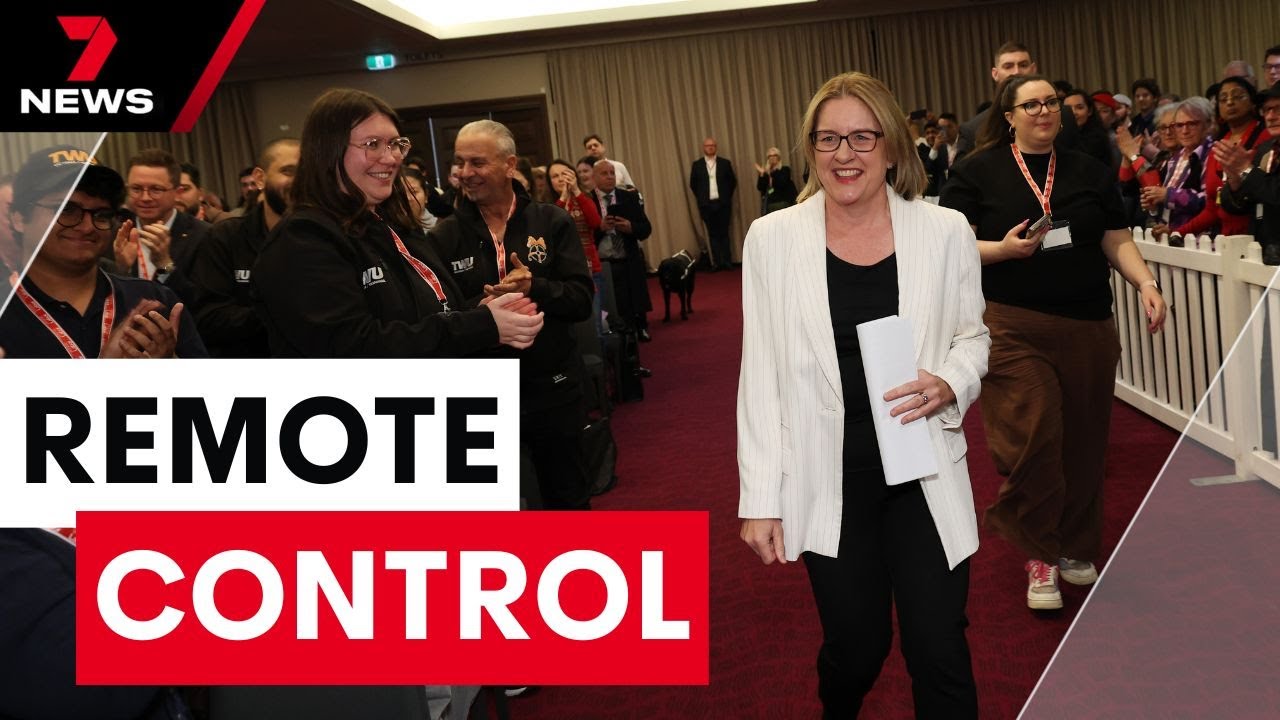
The Victorian Premier has announced a bold new policy that aims to enshrine the right to work from home into state law, overriding existing federal industrial relations frameworks. This groundbreaking move by the Labor government marks a significant shift in workplace rights, promising to make working from home not just a privilege or a request, but a legally protected right for eligible Victorian workers.
Table of Contents
- A Historic Commitment to Remote Work
- Industry Reaction: Concerns Over Government Overreach
- Scope and Implementation: Defining Who Can Work from Home
- Political and Legal Implications
- Public Response and Conference Atmosphere
- Conclusion: A New Era for Work in Victoria?
- Frequently Asked Questions
A Historic Commitment to Remote Work
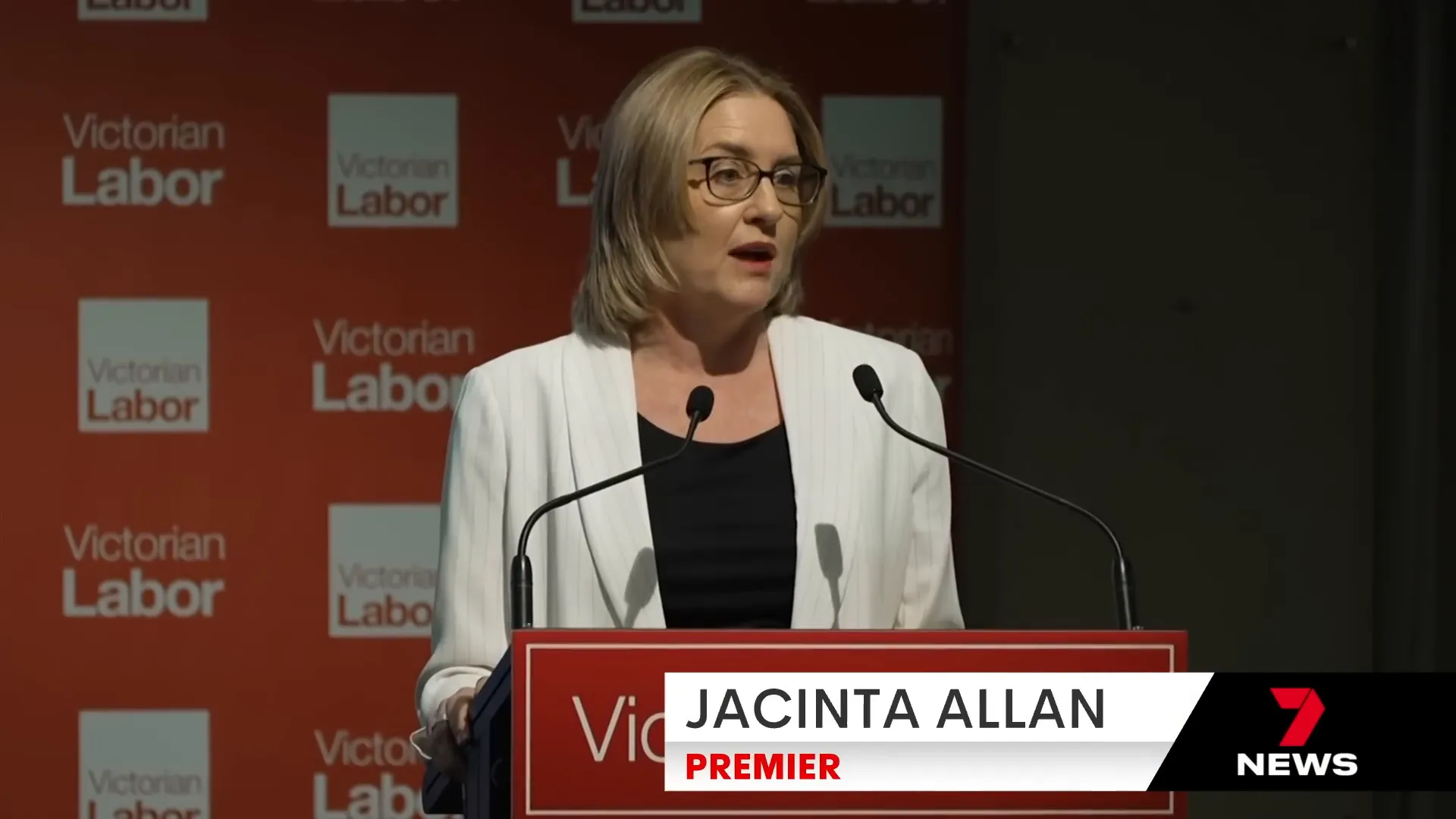
At the recent state Labor conference, the Premier addressed party members with a clear and emphatic message: “My Labor government will make working from home a right. Not a request, a right. And we will enshrine it in law.” This announcement signals the government’s intention to legislate working-from-home rights ahead of the next state election, positioning Victoria at the forefront of workplace flexibility in Australia.
Currently, around 60% of professionals in Victoria already operate in hybrid work arrangements, blending remote and office work. The government argues that formalising this right will reflect and support the evolving nature of the modern workplace, where flexibility has become essential.
Industry Reaction: Concerns Over Government Overreach
Despite support from many workers and unions, the announcement has drawn immediate criticism from business groups. Industry leaders have expressed concerns that the legislation constitutes government overreach and adds regulatory burdens that could discourage businesses from operating in Victoria.
“I think this is a complete overreach. It’s another regulatory burden or requirement that just makes the cost of doing business too hard,” said a representative from the business sector.

Businesses have also voiced worries about the unclear scope of the legislation, particularly regarding which industries will be covered. For example, airline workers are likely to be excluded from remote work mandates due to the nature of their roles requiring physical presence at airports.
Scope and Implementation: Defining Who Can Work from Home
The state government has indicated there will be a consultation period to determine the specifics of the legislation, including which sectors and roles will be eligible for the legal right to work from home. This process aims to balance flexibility with the operational realities of different industries.
While many professional roles can adapt to hybrid or fully remote work, certain occupations such as factory workers, healthcare professionals, teachers, and police officers inherently require on-site presence. The government acknowledges these nuances and plans to tailor the legislation accordingly.
Political and Legal Implications
This initiative represents a rare instance where state legislation seeks to override federal industrial relations laws, which traditionally govern workplace rights across Australia. The Premier anticipates resistance from some employers who prefer traditional workplace models and resist ceding control over work arrangements.
“Plenty of bosses who fight us on this, I’m absolutely sure of it. Bosses who cling to outdated ways of working because they don’t want to give up control,” the Premier stated.
The government’s push to pass this legislation before the upcoming state election highlights its commitment to redefining work culture in Victoria and potentially setting a precedent for other states to follow.
Public Response and Conference Atmosphere
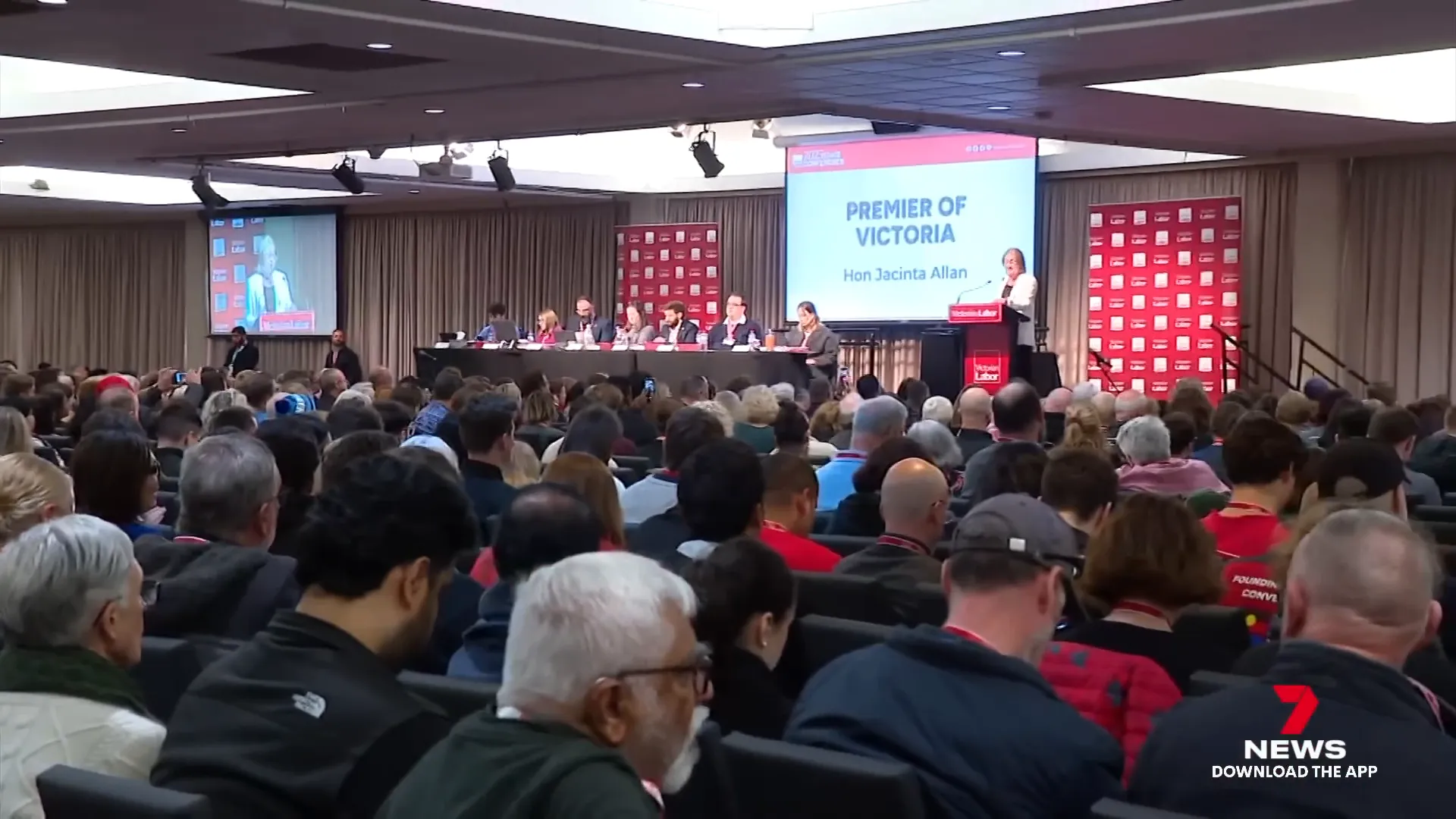
The announcement was made at the Mooney Valley Racetrack during the state labor conference, which was heavily policed due to anticipated protests. However, only a small number of protesters appeared, peacefully voicing support for other social issues such as Palestine and public housing.

Conclusion: A New Era for Work in Victoria?
Victoria’s plan to make working from home a legal right represents a significant evolution in workplace standards, reflecting changing attitudes towards flexibility and work-life balance. While the proposal has sparked debate between government, industry, and workers, it undeniably places Victoria at the cutting edge of employment law reform.
As the consultation process unfolds and the legislation moves closer to becoming law, all eyes will be on Victoria to see how this bold approach impacts the state’s economy, workforce satisfaction, and business environment.
Frequently Asked Questions
Will all workers in Victoria have the right to work from home?
No, the legislation will include a consultation period to determine which industries and roles are eligible. Some jobs, such as those in factories, healthcare, and education, require on-site work and may be excluded.
How does this state law interact with federal industrial relations laws?
The Victorian government intends for this legislation to override federal industrial relations laws in the state, which is an uncommon approach and may lead to legal challenges or negotiations.
Why do some businesses oppose the working from home legislation?
Business leaders argue that mandating working from home adds regulatory burdens, increases costs, and may prompt some companies to relocate outside Victoria.
When is the legislation expected to be passed?
The government aims to pass the law next year, prior to the upcoming state election.
How many workers currently work in hybrid or remote arrangements in Victoria?
Approximately 60% of professionals in Victoria already work in hybrid situations, combining remote and office work.


