Pokémon cards craze grips Australia
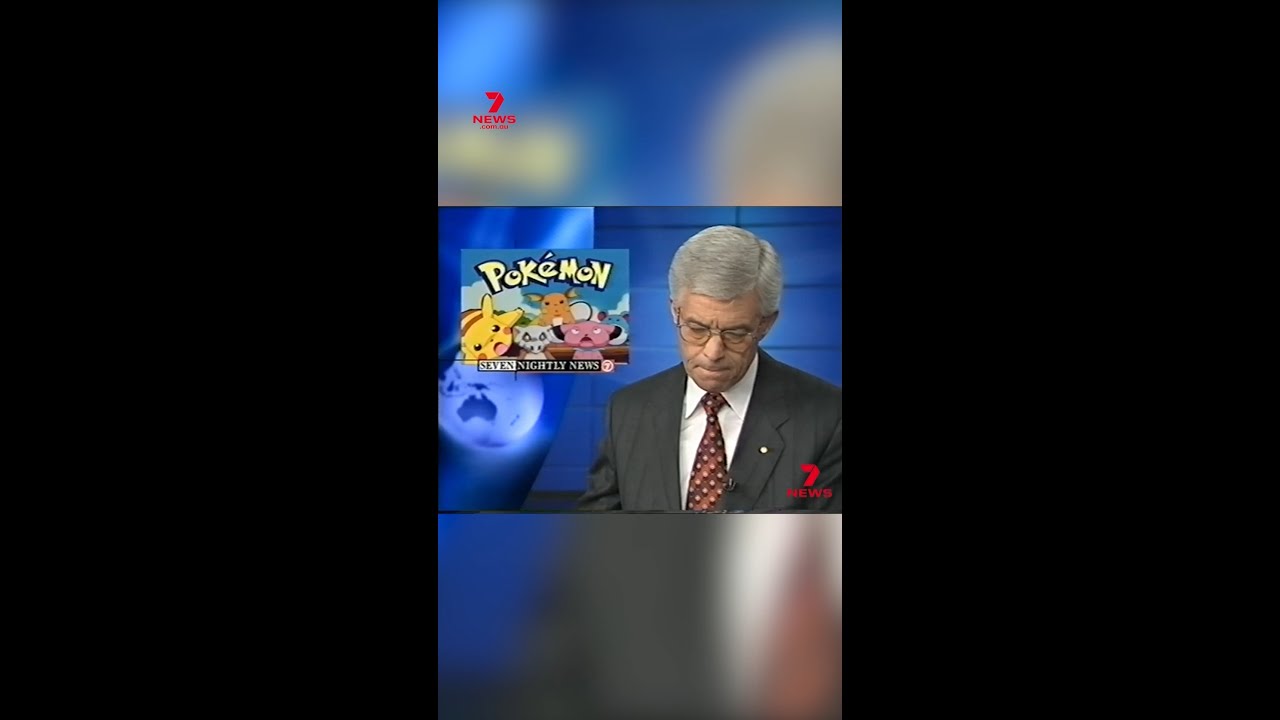
Table of Contents
- How a late‑1990s trading‑card boom sparked fascination and concern
- How the craze unfolded
- When playground fun became a school problem
- Who spoke up — and what they said
- Why the craze resonated with kids
- Practical takeaways for parents and schools
- Looking back: what the Pokémon episode taught us
- FAQs
How a late‑1990s trading‑card boom sparked fascination and concern
The Pokémon cards craze took hold across Australia in 1999 and quickly became the must‑have item for children. Pokémon cards dominated playgrounds, toy aisles and family conversations as kids traded, collected and argued over rare pulls like Charizard and Pikachu.
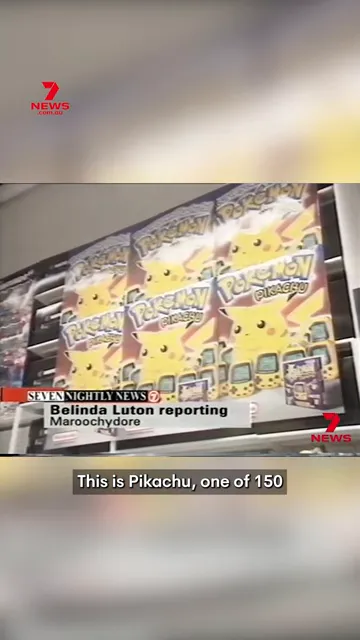
What began as a Japanese computer game and TV cartoon — short for "Pocket Monster" — turned into a global merchandising machine. Packs of cards, handheld Game Boy titles and branded merchandise flew off shelves, with retailers reporting deliveries selling out within days.
How the craze unfolded
Retailers in major cities reported unprecedented demand. Packs sold for between $5 and $20, while rare cards traded privately for tens or even hundreds of dollars. Australian spending on Pokémon products climbed into the millions over just a few months.
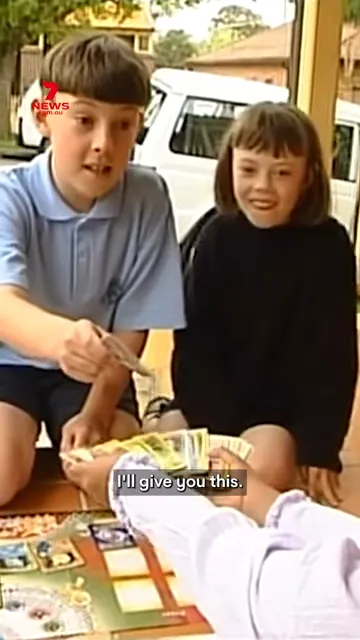
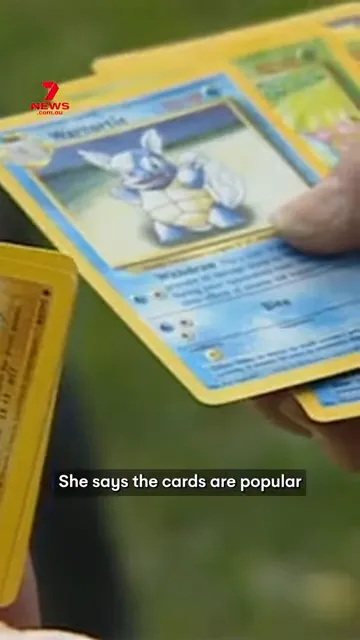
Children as young as six and seven were swept up in collecting and trading, treating cards as social currency. The exchange rituals — showing, swapping and negotiating — fuelled both excitement and social status among peers.
When playground fun became a school problem
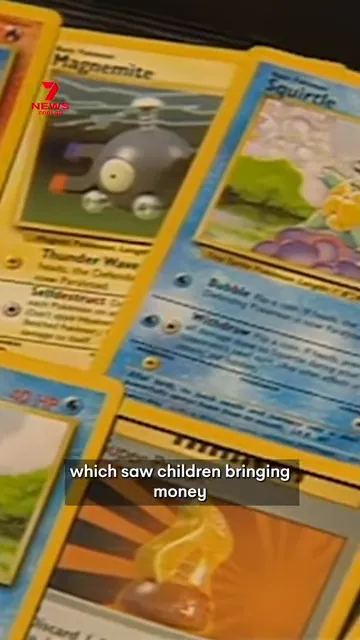
By the peak of the craze, some schools banned Pokémon cards because trading led to disputes, thefts and children bringing cash to school. Principals described students arriving upset or having money or prized cards taken during break times.
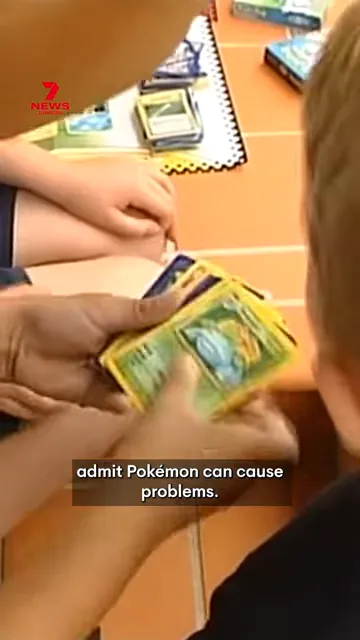
Parents and teachers also raised worries about gambling‑like behaviour when kids paid for blind packs hoping to find rare cards. High‑value cards and public displays of ownership heightened tensions for families who couldn’t keep up with the expense.
Who spoke up — and what they said
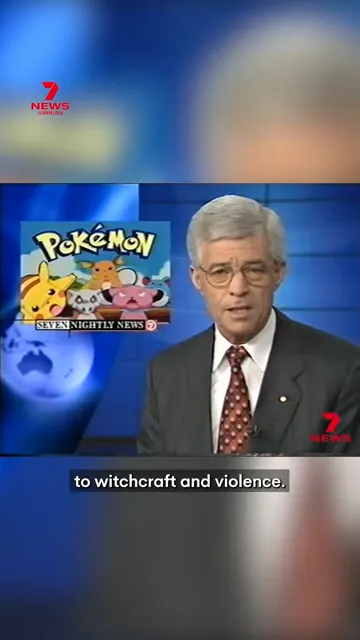
Concerns came from a range of voices: school principals, a church leader who warned about negative moral influences, and a small number of parents who said their children were spending lunch money on cards.
“We couldn’t cop the concerns of parents, it was just disruptive.”
At the same time, child‑development experts argued the collecting and trading were typical social behaviours. Observers highlighted negotiation skills, peer interaction and imaginative play as positive outcomes of the hobby.
Why the craze resonated with kids
Marketing and media amplified the appeal. Pokémon offered role‑playing fantasies — trainers, battles and the ultimate goal of becoming a Pokémon master — that captured young imaginations. The mix of collectability, gaming and a TV narrative made the franchise particularly sticky.
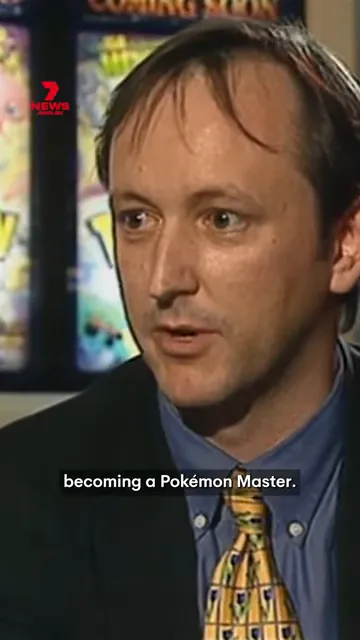
Toys retailers compared the boom to previous hits like Star Wars but noted Pokémon’s speed and scale were unmatched at the time. The phenomenon even reached mainstream coverage overseas, reflecting its global impact.
Practical takeaways for parents and schools
There are balanced ways to respond that acknowledge both the social benefits and the potential harms. Encourage varied play, set rules about trading and money at school, and discuss fair play and the risks of spending real cash on blind packs.
Schools found that clear policies — such as banning trades on campus, temporarily confiscating cards during class time, or organising supervised trading events — reduced conflict while preserving children’s enthusiasm for the hobby.
Looking back: what the Pokémon episode taught us
The 1999 Pokémon cards craze is a reminder that popular culture can reshape children’s social worlds overnight. It also showed how adults can balance safeguarding with allowing children to explore collection, imagination and negotiation within clear boundaries.
Decades on, the lessons remain relevant whenever a new toy or game goes viral: expect excitement, plan for conflict, and use the moment to teach financial literacy and respectful interaction.
FAQs
Were Pokémon cards really banned at schools?
Yes — some schools introduced bans or confiscation policies after disputes, thefts and concerns about children bringing cash to trade. Many schools later adopted supervised or restricted trading to manage the issue.
Did the card craze cause long‑term problems for children?
There is little evidence of long‑term harm. Experts noted that collecting and trading teach social skills, though short‑term problems like theft, exclusion and excessive spending did occur and needed adult management.
How much money did Australians spend on Pokémon in 1999?
Estimates at the time put Australian spending in the millions within a few months, with individual rare cards selling for tens or hundreds of dollars and packs priced between approximately $5 and $20.
What practical rules can parents set to manage trading?
Suggested rules include no cash trading at school, limiting the number of packs purchased, setting clear swap boundaries, supervising trades, and using trades as an opportunity to teach negotiation and value.
Could a similar craze happen again?
Absolutely. New games, collectibles or digital trends can spread quickly. The same strategies — open communication, clear rules and education about money and fairness — help families and schools respond constructively.
The information in this article has been adapted from mainstream news sources and video reports published on official channels. Watch the full video here 7NEWS VAULT: Pokémon craze grips Australia in 1999


