Sydney and Melbourne house prices fall again: March update

Sydney and Melbourne house prices fall again, adding to a run of uncertainty for buyers in Australia’s two biggest property markets. In the latest monthly figures, values eased for a second consecutive month—an early signal that affordability and confidence are being tested by broader economic pressures.
For homebuyers watching the market closely, the key takeaway is clear: fewer buyers are jumping in while rates, inflation and global worries continue to weigh on decision-making.
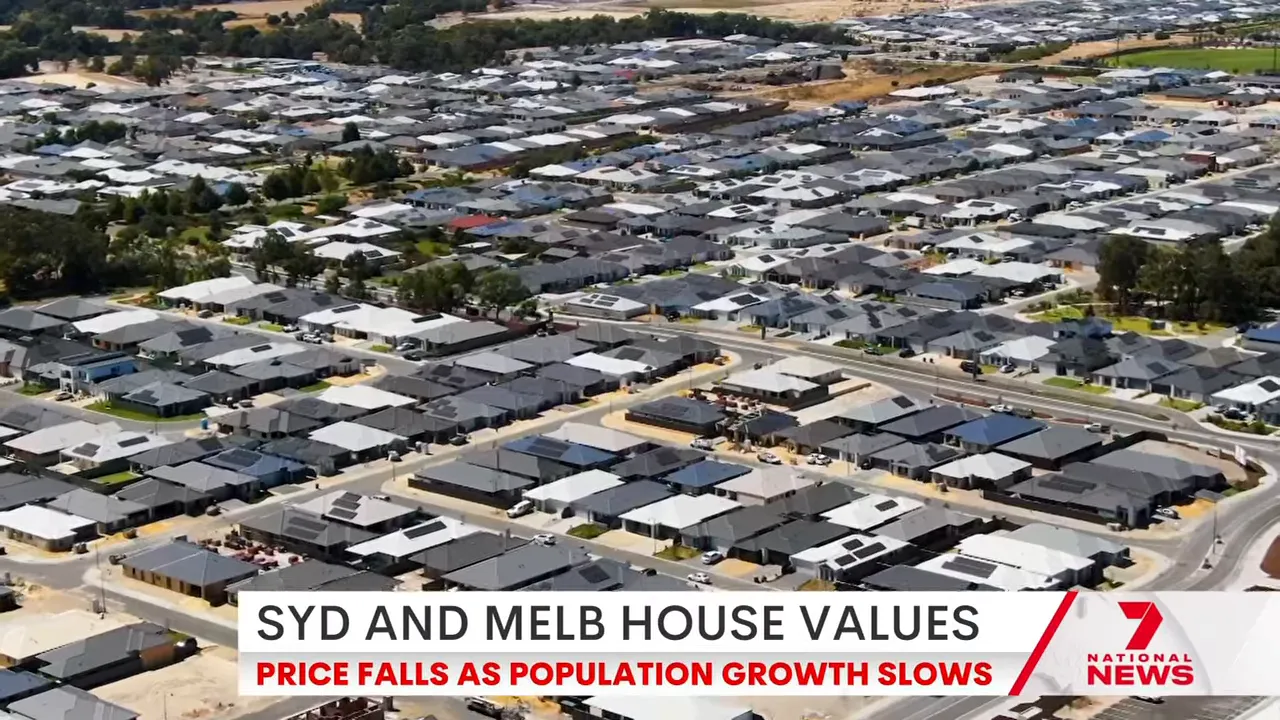
Table of Contents
- What happened in March?
- Why are prices moving lower?
- Population growth is also slowing
- What this could mean for buyers and sellers
- Embed: market coverage context
- Key takeaways
- FAQ
What happened in March?
New data shows house values declined across both Sydney and Melbourne in March. Sydney values dropped by 0.3%, while Melbourne fell by 0.6%.
With prices now down for a second month in a row, the market message is shifting from “stability” towards “caution”. Even relatively small monthly movements can matter when they compound over multiple reporting periods.
Why are prices moving lower?
Economic uncertainty is pushing buyers out of the market. The main pressure points are rising interest rates, ongoing inflation, and international tensions that can quickly dampen consumer confidence.
When borrowing costs rise and everyday expenses feel less predictable, many households reassess the timing of big purchases—especially in markets where deposits, repayments and holding costs all matter.
Population growth is also slowing
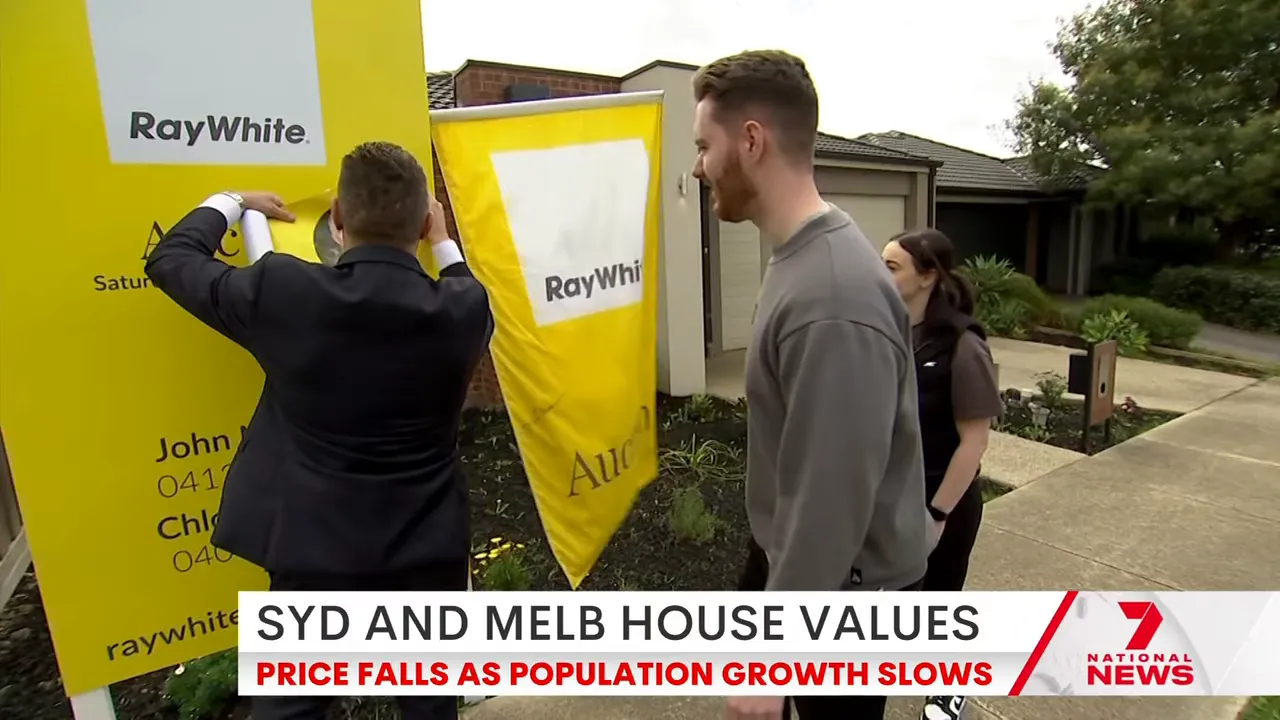
Alongside financial headwinds, population growth in both cities has slowed to its lowest level since the COVID-19 pandemic. That matters because population trends influence demand for housing over time.
In practical terms, slower growth can mean fewer new households entering the market, which reduces upward pressure on prices—particularly when buyer sentiment is already softening.
What this could mean for buyers and sellers
For buyers, falling prices can create breathing room, especially for those who have been waiting for better entry points. However, easing monthly movements don’t automatically mean a rapid turnaround—confidence and affordability still drive decision-making.
For sellers, a second consecutive month of declines can increase the urgency to justify pricing with strong property presentation, realistic expectations, and a clear narrative around value.
Embed: market coverage context
Key takeaways
- Sydney house prices fell 0.3% in March.
- Melbourne house prices fell 0.6% in March.
- Both cities have seen falls for a second consecutive month.
- Rising interest rates, inflation and global tensions are deterring buyers.
- Population growth has slowed to its lowest level since COVID-19, adding downward pressure.
FAQ
Why did Sydney and Melbourne house prices fall in March?
Values declined as economic uncertainty kept buyers cautious. Rising interest rates, inflation and international tensions were also described as key factors, alongside slowing population growth.
How much did prices change?
Sydney values fell by 0.3% and Melbourne values fell by 0.6% in March.
Is this the first time prices have dropped recently?
No. The report notes prices have fallen for a second consecutive month, indicating a continuing soft patch rather than a one-off dip.
How does population growth affect housing values?
Population growth influences demand. When growth slows, there may be fewer new households moving into each city—reducing upward pressure on prices, especially when buyer confidence is already weakened.
What should buyers watch next?
Monitor borrowing costs (interest rates), inflation trends, and broader sentiment. Those factors—and the pace of population growth—tend to shape whether declines stabilise or continue.
The information in this article has been adapted from mainstream news sources and video reports published on official channels. Watch the full video here Sydney and Melbourne house prices fall again | 7NEWS


