Australia Fuel Crisis: PM Address, Oil Tensions and What It Means
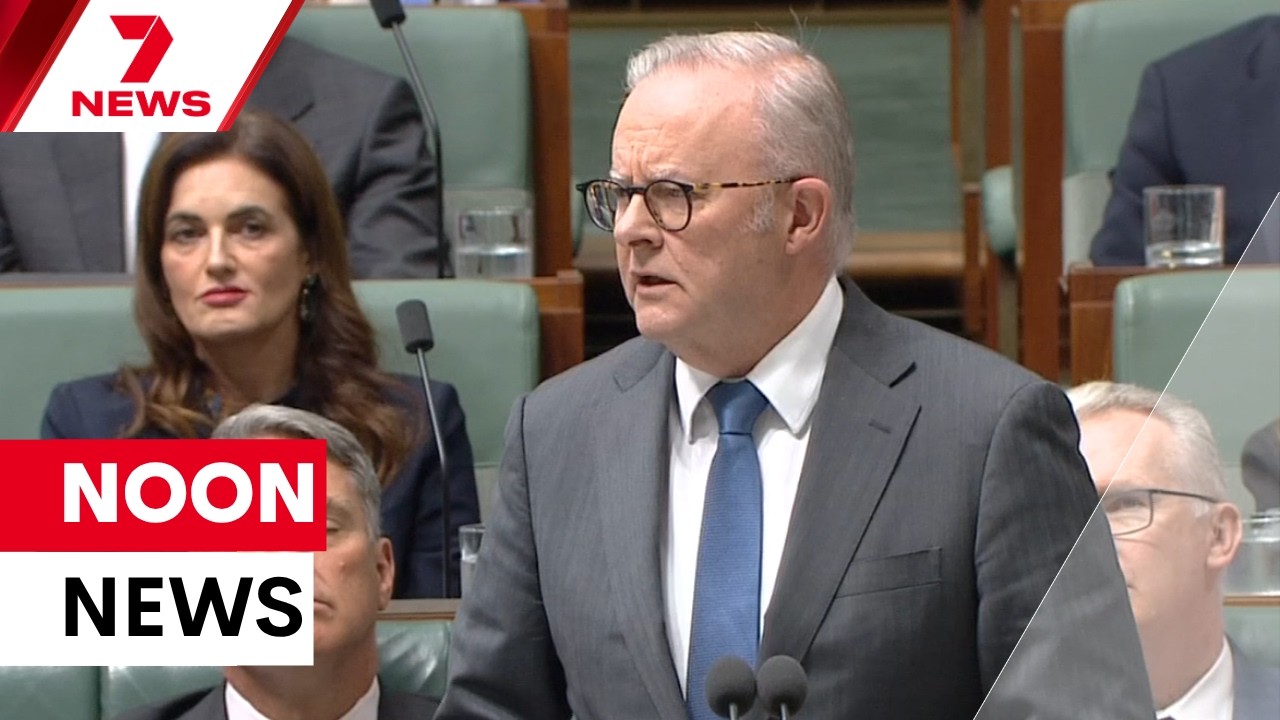
Australia fuel crisis concerns are moving into a new phase, with the Prime Minister set to make a special national address tonight. The message is expected to outline the country’s response to conflict in the Middle East—while urging Australians to conserve fuel where possible. The timing matters: changes to fuel excise and broader cost pressures are already landing for households and small businesses.
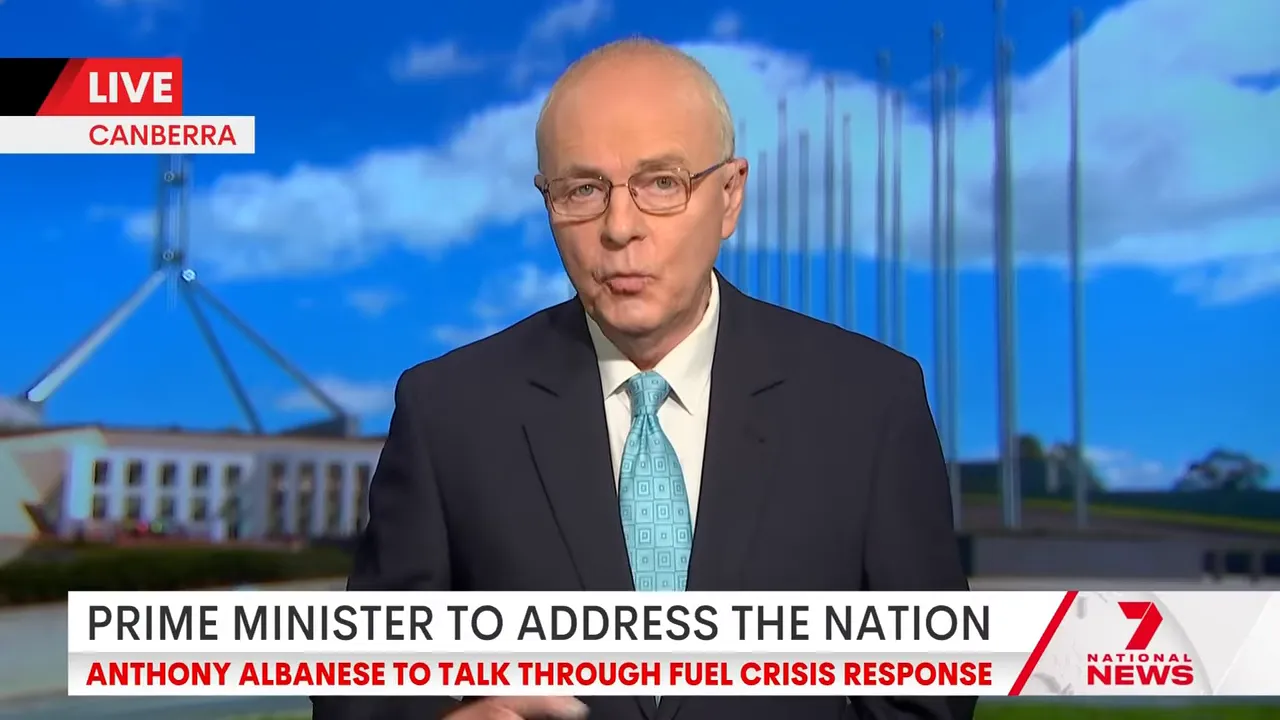
Table of Contents
- Why a Prime Ministerial address is happening now
- Fuel excise cut begins today—when will you see savings?
- Middle East tensions and the Strait of Hormuz: the oil question
- What this means for Easter travel and cash-strapped commuters
- Beyond fuel: broader cost hikes also start today
- Quick snapshot of other national updates
- FAQ
- Video
Why a Prime Ministerial address is happening now
The Prime Minister has announced he will address the nation tonight regarding Australia’s fuel crisis and the country’s role in the Middle East conflict. In particular, Australians are expected to be told how individual actions—such as conserving fuel—can help stretch supply to where demand is greatest.
While the move is described as rare, it is not unprecedented. Australia has seen similar prime ministerial addresses during major national shocks, including the global financial crisis and the COVID-19 pandemic.
The address also comes alongside economic measures designed to make the system more flexible. Officials point to the war’s impact on the global economy, with Australian households and small businesses effectively paying the price through higher costs and disrupted supply conditions.
Fuel excise cut begins today—when will you see savings?
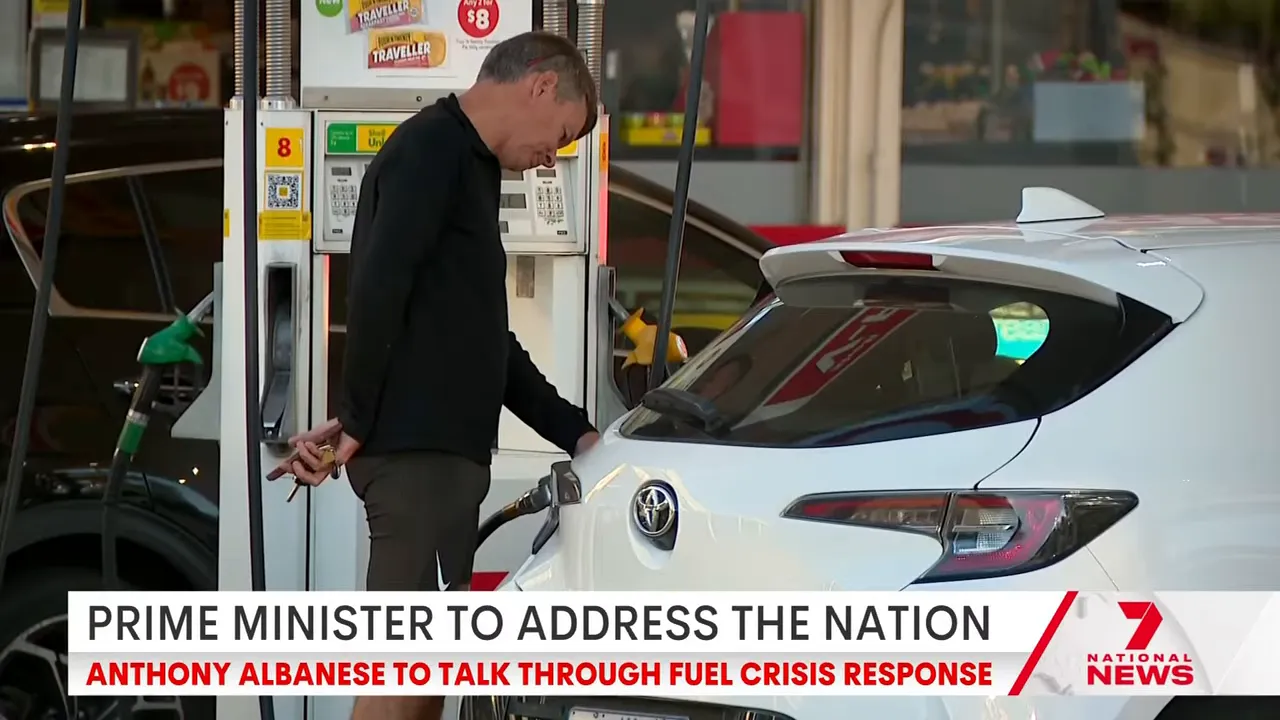
One key change begins immediately: the government’s cut to fuel excise starts today. In Canberra, one service station has already advertised the full 26 cents per litre from early morning.
For most motorists, however, the real-world effect is expected to take time. The saving is generally forecast to flow through to pump prices over the next one to two weeks.
There’s also political pressure building at the state level. The discussion is whether states should return GST windfalls associated with rising fuel prices. Victoria’s Premier is supporting a proposal backed by New South Wales, and it is expected to deliver an additional potential saving of roughly six to 10 cents per litre on top of the excise change.
Middle East tensions and the Strait of Hormuz: the oil question
While Australians are preparing for policy announcements at home, global headlines are dominated by escalating tensions connected to the Strait of Hormuz. Donald Trump has criticised NATO allies, telling them to “go get your own oil”, as pressure rises around the critical shipping waterway.
The US president also suggested the US could withdraw forces within weeks, with or without an agreement. He further indicated that securing the strait would be left to countries that rely on it for their own oil supplies.
In parallel, there are reports that the US may shift its approach from diplomacy toward direct pressure, including warnings directed at American tech company operations in the region. The underlying message from global leaders is straightforward: supply risks tied to the conflict remain front of mind for energy markets.
What this means for Easter travel and cash-strapped commuters
For many Australians, the fuel crisis isn’t happening in isolation—it’s colliding with travel demand and everyday transport costs. Easter travel plans are described as being “up in the air” across the country, with tourism operators calling for support as motorists weigh higher driving expenses.
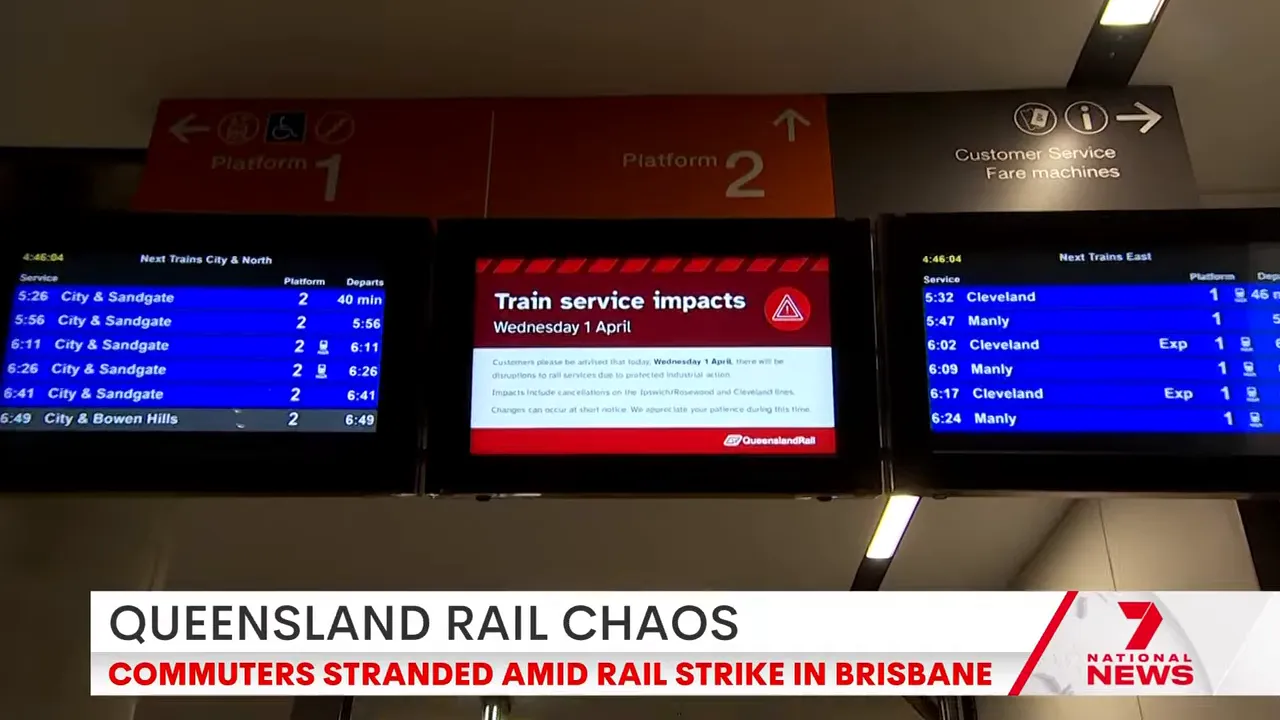
Meanwhile, commuters in Brisbane faced an additional blow: a rail strike that left thousands stranded. In Southeast Queensland, thousands turned up to stations expecting services that were scrapped at short notice, with impacts especially affecting the Ipswich area and Cleveland lines.
As fuel prices spike, the value of public transport rises for cash-strapped households. When services are disrupted, the cost burden can shift back onto cars and ride options—exactly the direction policy makers want to avoid during a fuel squeeze.
Beyond fuel: broader cost hikes also start today
Even as excise changes are debated and processed, Australians are also stepping into other cost increases from today. Private health insurance premiums are set to rise by nearly 4.5%, the biggest jump in about a decade.
Mortgage repayments are also climbing as homeowners continue to feel the impact of recent rate moves. Government energy rebates are ending as well, leaving households with fewer immediate buffers against mounting expenses.
Quick snapshot of other national updates
- Royal news: Buckingham Palace announced King Charles and Queen Camilla will visit the United States later this month, marking a notable first for a British king.
- International appeal: Pope Francis (Leo) called on Donald Trump to find a way out of the war in Iran, urging a reduction in violence.
- Community leadership: Olympic great Kathy Freeman has taken on an advisory role for the Brisbane 2032 Games, including support for Aboriginal and Torres Strait Islander advisory work.
FAQ
When is the Prime Minister’s special address?
Tonight. The broadcast timing varies by state, with 7pm for NSW, Victoria and Tasmania; 6pm for Queensland; 6.30pm for South Australia; 4pm for WA and the Northern Territory; and 5.30pm for regions in that time slot.
Will the fuel excise cut lower pump prices immediately?
Not usually. While some stations advertise the full cut right away, the expected flow-through to most pump prices is around one to two weeks.
Why are global events affecting Australian fuel prices?
Oil supply and shipping risks linked to Middle East tensions can quickly influence global oil markets. Those market shifts then translate into higher costs at the pump domestically, alongside other pricing dynamics.
What can motorists do to reduce costs during the fuel crisis?
Practical steps include planning routes, limiting unnecessary trips, driving efficiently, and checking fuel prices to choose better-value stations where available.
Are there other cost increases starting today?
Yes. Private health insurance premiums are rising, mortgage repayments are increasing for many households, and government energy rebates are ending.
Video
The information in this article has been adapted from mainstream news sources and video reports published on official channels. Watch the full video here Prime Minister to address the nation through fuel crisis response | 7NEWS


