NDIS crackdown, school uniforms and Gen Z going offline
NDIS crackdown measures are gaining momentum in Australia, with new laws aimed at stopping fraudulent operators and protecting funding for people who genuinely need support. The changes include tougher penalties—up to five years behind bars and fines reaching $400,000.
In the same national conversation, other research is shifting attention to everyday choices in schools and how young Australians spend their time online. Together, these stories point to a broader theme: fixing systems that don’t work—and making room for healthier, more human routines.
Table of Contents
- NDIS crackdown: tougher penalties for fraudulent operators
- School uniforms: a case for sports uniforms
- Gen Z going offline: scrapbooking, vinyl and crafts
- Key takeaways
- FAQ
NDIS crackdown: tougher penalties for fraudulent operators
The Australian Senate has passed new laws targeting rorting and fraud in the NDIS sector. For Australians who rely on the program, the stakes are personal: when money is siphoned off through misconduct, participants can miss out on the support that can change—or even save—their lives.
Advocates argue the key issue isn’t just cost, but trust. When the public sees NDIS spending rise alongside increasing taxes, suspicion grows that government funds aren’t being used as intended. Curtailing rorting, they say, helps ensure money goes to the right places.
One concern raised by participants and observers is that the system can be difficult to navigate, and some providers may take advantage of gaps in oversight or participant understanding. A common complaint is that services don’t always match what participants are billed for.
In one example shared during the discussion, an NDIS participant reportedly received an in-home assessment that took only a short time, followed by an invoice for hundreds of dollars. While the neighbour was able to push back, the story underscores how vulnerable people can feel when disputing charges.
What the crackdown is meant to change
The intent of the tougher penalties is straightforward: deter dodgy behaviour and improve accountability. If penalties are strong enough, the argument goes, fraudulent operators are less likely to treat the program like a “free-for-all”.
Ultimately, supporters of the laws want participants to experience something closer to what the NDIS promised—genuine choice, appropriate services, and funding that supports real needs rather than questionable billing.
School uniforms: a case for sports uniforms
Another fresh study suggests formal school uniforms are losing ground. According to the research discussed, three quarters of Australians believe students should wear sports uniforms instead of formal uniform styles.
Support for sports uniforms is often framed around comfort and practical outcomes. With many students spending much of their school day moving, encouraging easier, more active clothing could help boost physical activity—particularly since only about a quarter of Australian students are seen as getting enough exercise.
Unity vs flexibility
Uniforms still matter to many families and educators for reasons beyond appearance. Uniform advocates point to the role of a consistent look in building a sense of belonging and unity.
At the same time, the conversation isn’t simply “uniforms or no uniforms”. There’s a recurring view that formal uniform has its place, but comfort and practicality should be prioritised—especially where it affects the school routine, mornings at home, and student participation.
Some participants in the discussion also argued that, for practical households, having one uniform and sticking to it makes the process easier. The broader message is to reduce decision fatigue for parents and carers while keeping a uniform expectation in place.
Gen Z going offline: scrapbooking, vinyl and crafts
The final story takes a different turn—from policy and school routines to what young people do for fun. New research suggests Gen Z is moving away from purely digital entertainment and returning to tactile hobbies like scrapbooking, vinyl record collecting, and creative crafts.
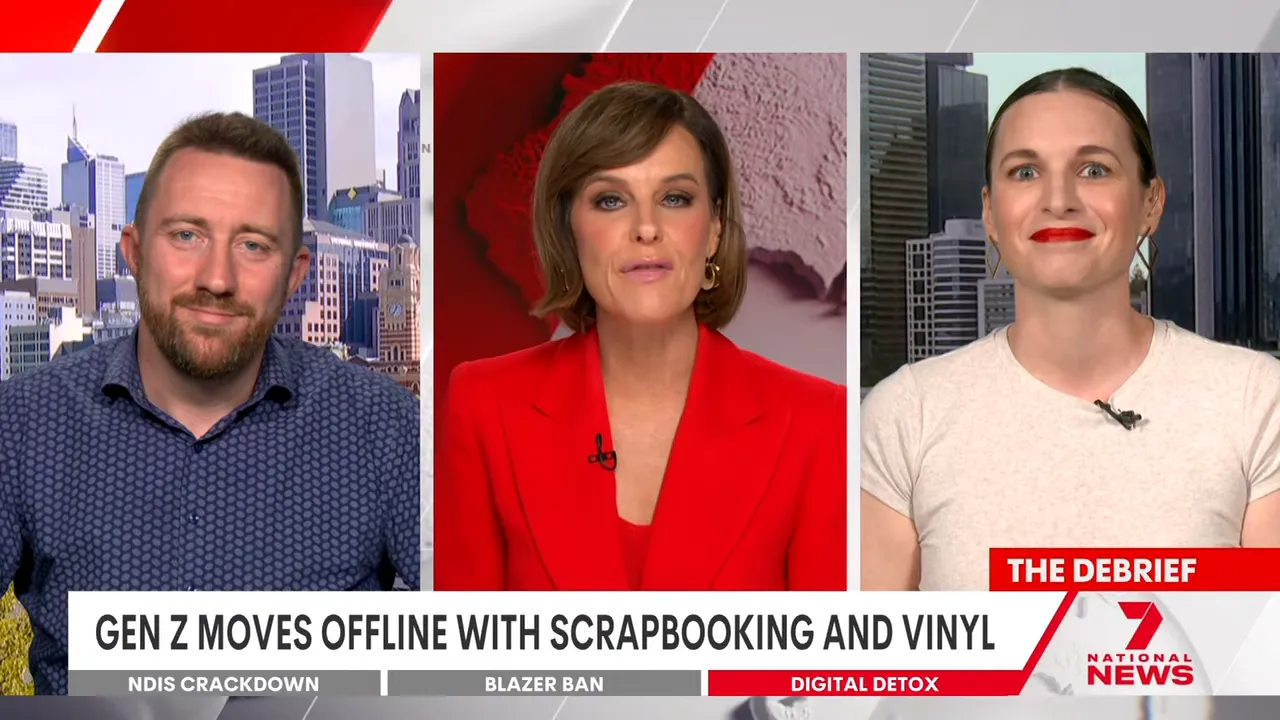
Whether it’s gardening, crocheting, knitting or spending time with a vinyl collection, the underlying theme is the same: doing activities that engage hands, attention and imagination—rather than consuming endless digital content.
Why “offline” is becoming a mental health conversation
The shift back to traditional hobbies also connects to ongoing research about the mental health impacts of online time—especially for teenagers. While the topic is complex, the discussion highlights a common takeaway: when we disconnect, minds have space to wander, creativity can return, and people may rediscover a more grounded sense of self.
There’s also something practical in the optimism. Offline hobbies can replace the constant scroll with activities that feel rewarding and personal—like creating something physical or listening to music in a slower, more intentional way.
Key takeaways
- NDIS crackdown laws aim to deter fraud, with penalties up to five years and fines up to $400,000.
- The reforms are intended to restore trust and ensure funding reaches people who genuinely need it.
- New research suggests Australians favour sports uniforms over formal uniforms, citing comfort and activity.
- Gen Z appears to be leaning back into offline hobbies such as scrapbooking, vinyl and crafts.
- Offline creativity is increasingly discussed as a mental health-supportive alternative to constant digital stimulation.
FAQ
What penalties are included in the NDIS crackdown?
The new laws impose tougher consequences for fraudulent NDIS operators, including potential imprisonment of up to five years and fines up to $400,000.
Why is the NDIS crackdown seen as important?
Supporters say rorting diverts funds away from participants who need support most. Stronger penalties are meant to reduce fraud and improve accountability, so spending reaches the right people for the right services.
What does the uniforms research suggest?
It suggests three quarters of Australians think students should wear sports uniforms rather than formal school uniforms, largely due to comfort and encouraging physical activity.
How does going offline relate to mental health?
The discussion links offline hobbies to reduced exposure to constant digital activity. By giving people space to disconnect, it may support mental wellbeing—particularly for teenagers—while promoting creativity and real-world engagement.
What offline hobbies are mentioned in the research?
The examples include scrapbooking, vinyl record collecting, gardening, crocheting and knitting—activities that are hands-on and creative.
The information in this article has been adapted from mainstream news sources and video reports published on official channels. Watch the full video here NDIS crackdown and Gen Z's return to old-school hobbies | 7NEWS


