Artemis II countdown: NASA’s moon launch faces weather risk
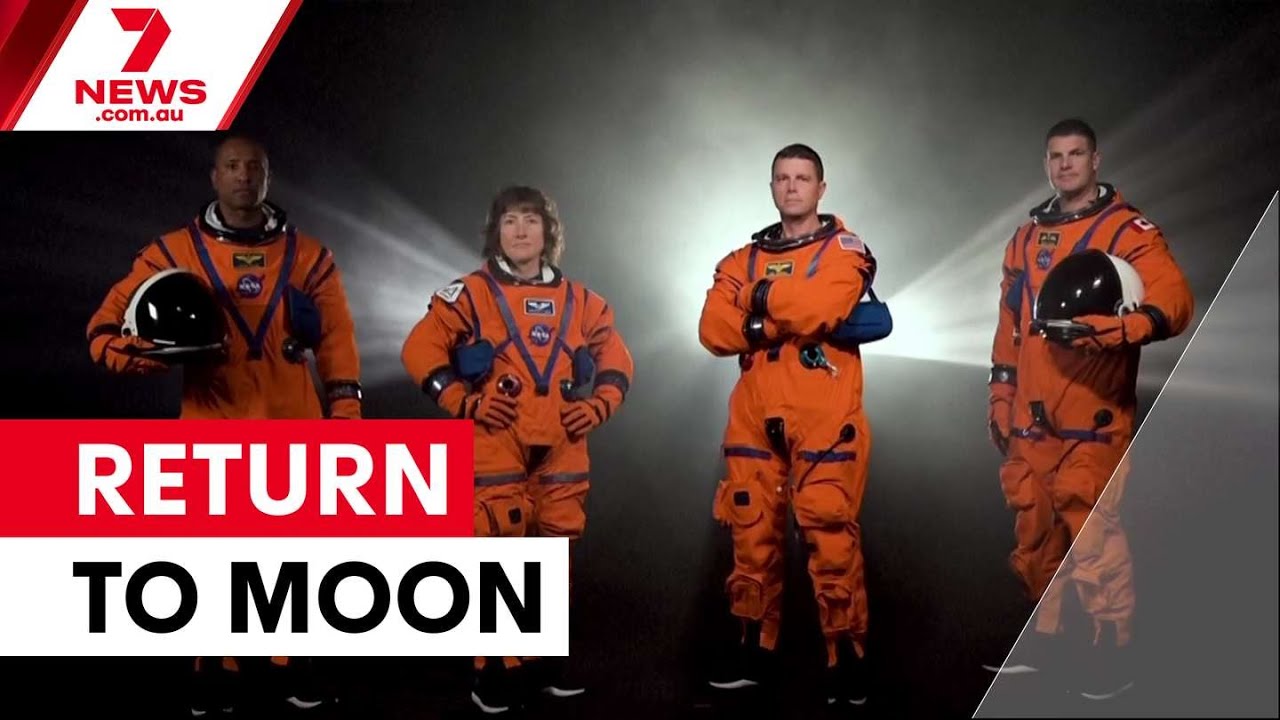
Artemis II countdown is officially underway, with NASA preparing humanity’s first crewed moon launch in 53 years. Scheduled for tomorrow morning, the mission will see four astronauts launch on a rocket described as the most powerful ever built for a crewed flight. Yet even with years of engineering and testing, one variable remains stubbornly out of NASA’s control: the weather.
Table of Contents
- 53 years after Apollo, Artemis II is ready—if skies cooperate
- Four launch chances over six days—optimism tempered by reality
- Why the weather matters more than people expect
- A cautious Artemis approach—and a bigger mission than just a trip
- From lunar outpost to Mars ambitions
- Inspiration matters: why this launch can shape future astronauts
- FAQ
53 years after Apollo, Artemis II is ready—if skies cooperate
NASA has begun the countdown to Artemis II, the second mission in the agency’s Artemis programme. It’s a high-stakes moment for the four astronauts, who will strap in for their flight as preparations move from the briefing room to the launch pad.
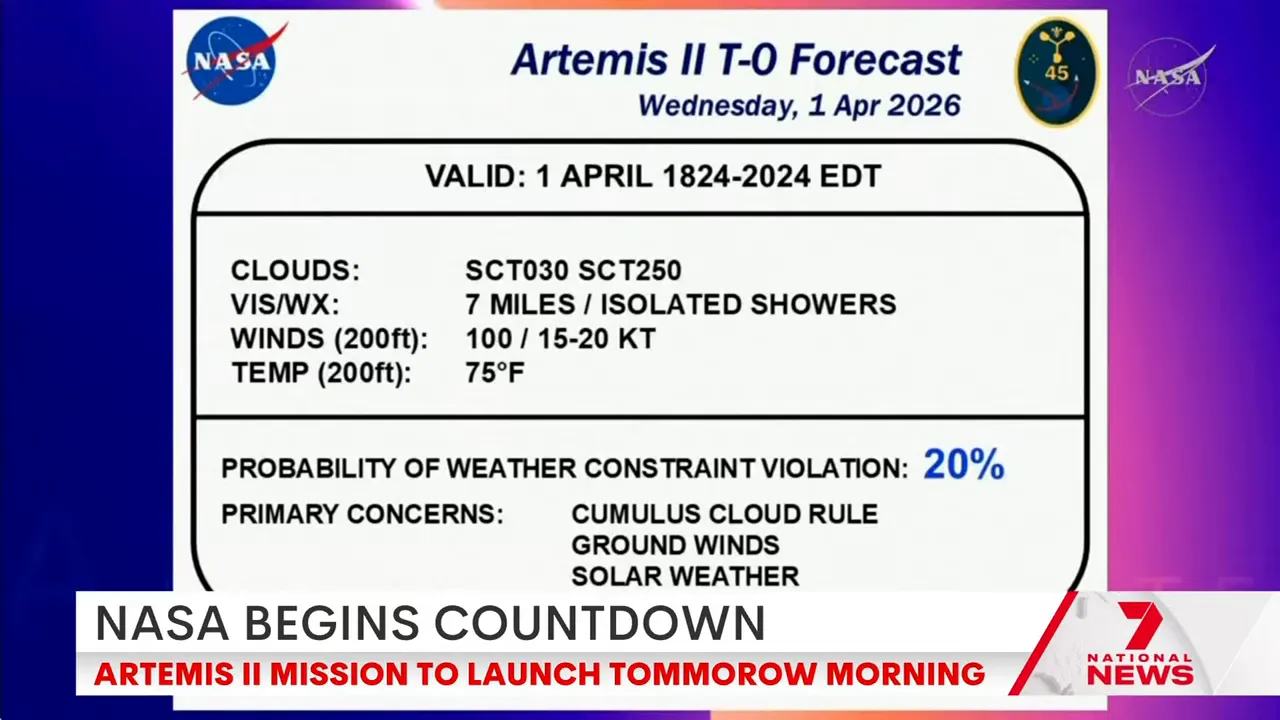
April is also complicating the calendar. After a fuel leak earlier in February, NASA’s recent news conference focused on what could still disrupt progress—specifically, the risk posed by April showers. Officials signalled that light, shallow rain would not automatically derail plans, but the final decision depends on safety and conditions at launch time.
Four launch chances over six days—optimism tempered by reality
NASA has four launch attempts available across a six-day window. In that context, officials expressed cautious optimism for the earliest opportunity, with tomorrow described as the best of the options.
With lives on board, the message is clear: there is no room for mistakes, pranks, or wishful thinking. One NASA spokesperson even acknowledged the date—April 1—joking that while history includes prank culture around launch days, the focus remains on doing things properly.
Why the weather matters more than people expect
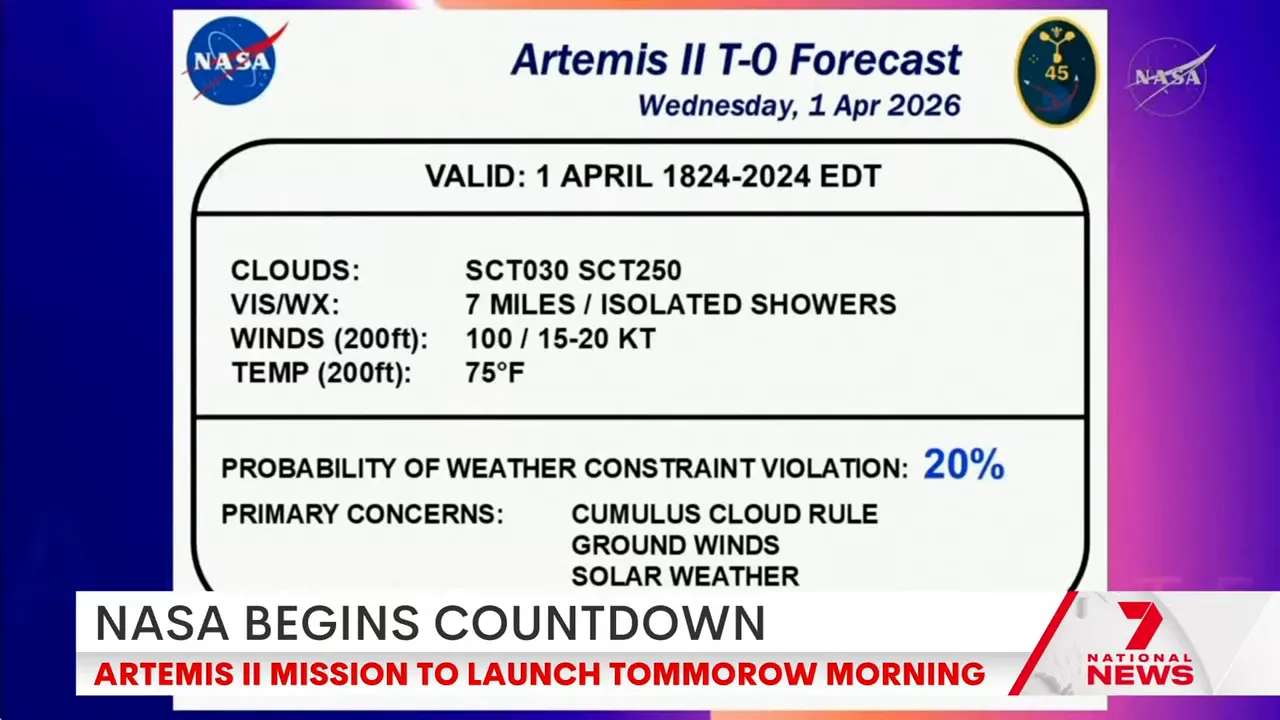
Space launches can look like pure engineering, but they’re also heavily influenced by environmental conditions. During countdown, launch teams continuously assess factors that could affect vehicle systems, ground operations, and overall crew safety.
In this case, NASA’s planning emphasises that not all rain is automatically a problem. The key distinction is whether showers are “shallow and flat”—conditions that may be tolerable for flight. Still, rain timing and intensity can shift fast, which is why a multi-attempt schedule exists in the first place.
A cautious Artemis approach—and a bigger mission than just a trip
Artemis II builds on Apollo’s legacy, but with a different tone and timeline. Commentators describe it as a more measured approach compared with the swashbuckling confidence associated with earlier moon missions.
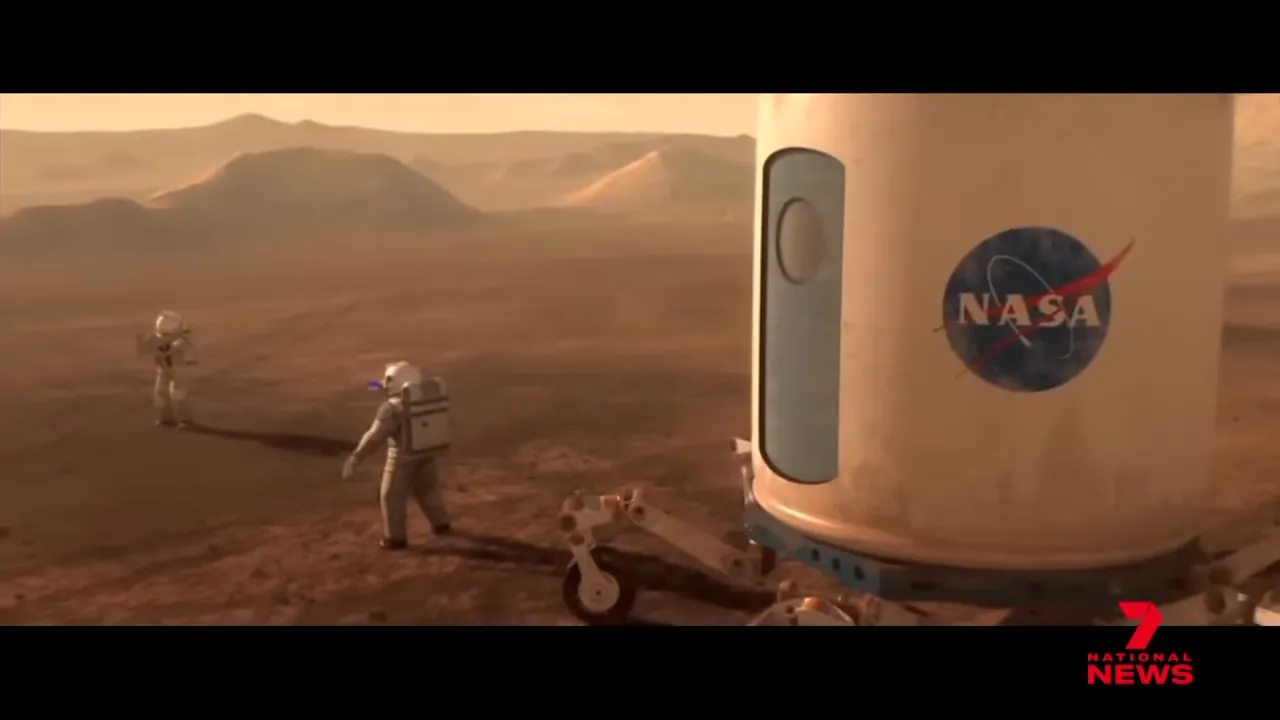
Back in the Apollo era, NASA’s goal was straightforward: go to the moon, land, and return safely. Artemis carries those roots forward, but it also adds a new, longer-term purpose—establishing a lunar outpost that can eventually support future missions, including journeys intended for Mars.
From lunar outpost to Mars ambitions
The immediate Artemis II mission is about more than just testing capabilities. It also functions as a stepping stone in a broader strategy to build sustained operations on and around the Moon.
In the long term, NASA sees the lunar outpost as a “launch pad” for deeper space exploration. More immediately, the programme aims to inspire—ensuring the next generation views space exploration as something within reach.
Inspiration matters: why this launch can shape future astronauts
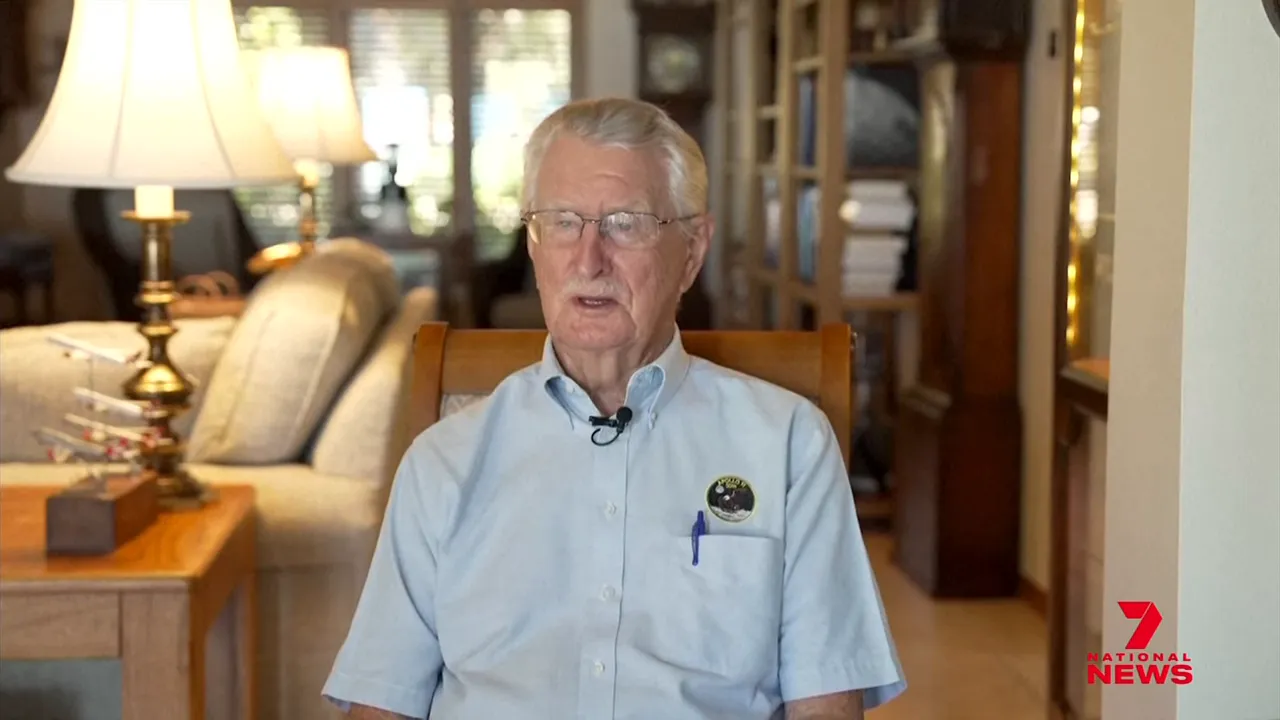
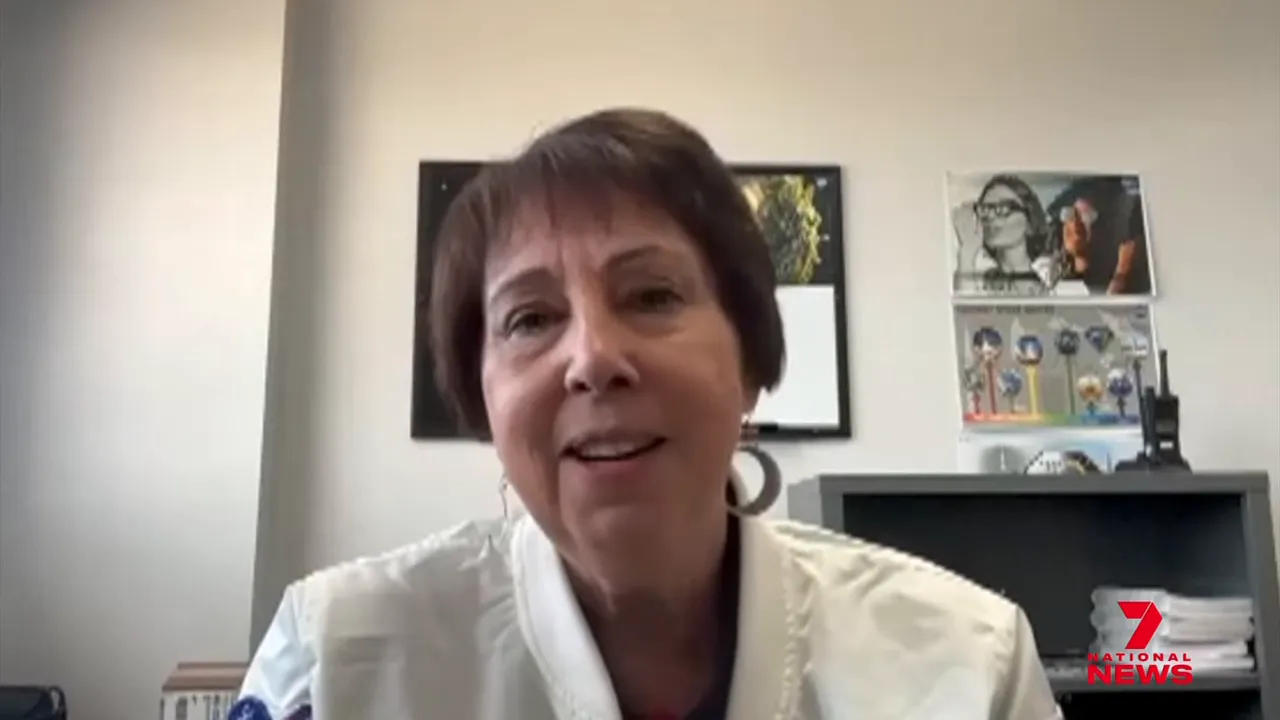
One interview highlighted how Apollo-era inspiration echoes across decades. The Artemis mission, too, may become the moment that sparks interest in space for children watching from home.
The idea is simple: school-aged viewers today could become the astronauts of tomorrow, including those who one day travel on missions heading toward Mars.
FAQ
When is Artemis II scheduled to launch?
NASA has targeted tomorrow morning for the first launch attempt within a six-day window.
What is the biggest reason the launch could be delayed?
Weather remains the primary concern, with NASA monitoring conditions closely to ensure safety.
How many launch attempts does NASA have?
NASA has four launch attempts available across six days.
What is Artemis II trying to achieve?
While Artemis II advances capabilities for future missions, its broader mission is also to establish the groundwork for a lunar outpost—part of a pathway that may eventually support missions to Mars.
Why is this mission being described as different from Apollo?
Artemis is often framed as more cautious and programme-driven, with a long-term strategy that goes beyond just the single feat of landing—aiming instead for sustained lunar presence.
Who benefits from the inspiration goal of Artemis?
The programme’s inspiration focus is aimed at the next generation—children watching the launch today may become future astronauts and engineers.
The information in this article has been adapted from mainstream news sources and video reports published on official channels. Watch the full video here NASA counts down to first moon mission in 53 years | 7NEWS


