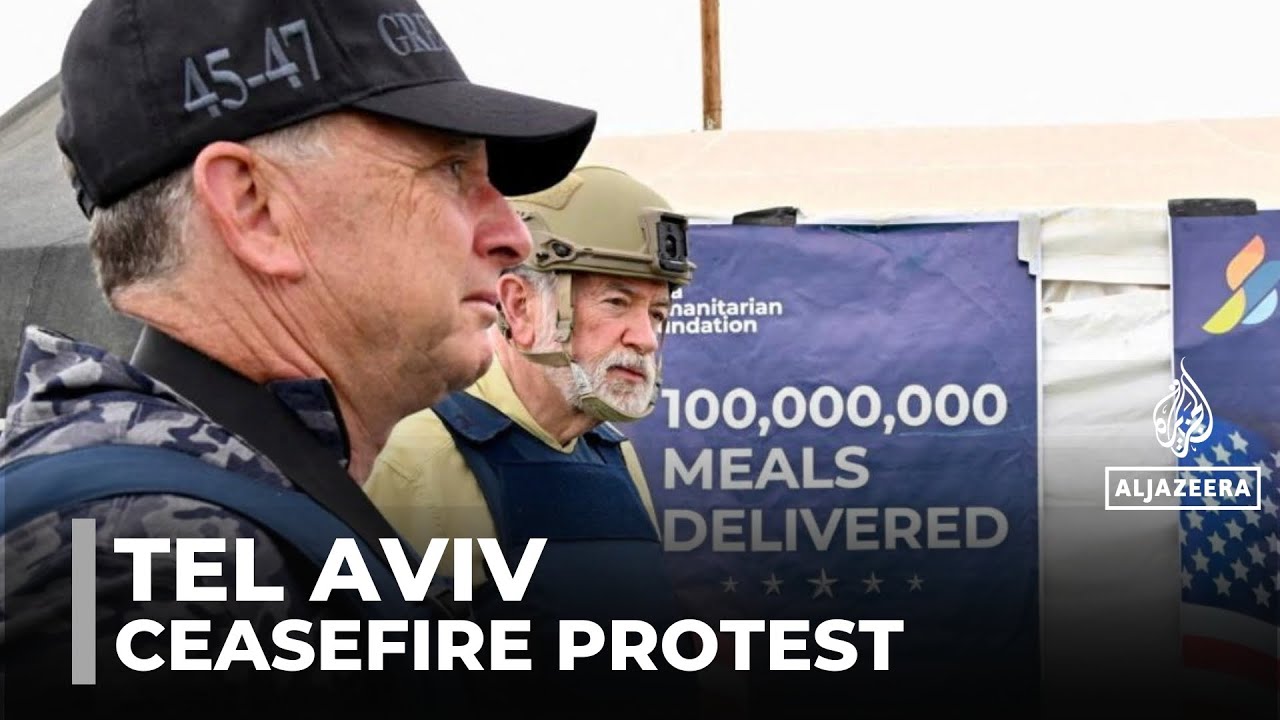
In the heart of Tel Aviv, at the place now known as Hostage Square, a powerful message echoes daily. Families of Israeli captives held in Gaza are united in their call for an immediate ceasefire and the release of all hostages. Their voices carry urgency and frustration, amplified by recent developments that reveal the harsh realities faced by those caught in the ongoing conflict.
Table of Contents
- Hostage Square: The Epicentre of Pressure
- Appeal to the American Administration
- Renewed Urgency Amid Shocking Images
- Steve Witkoff’s Visit: Listening but No Resolution
- Political Realities and Unmet Expectations
- The Humanitarian Crisis in Gaza
- Conclusion: A Call for Immediate Action
- Frequently Asked Questions
Hostage Square: The Epicentre of Pressure
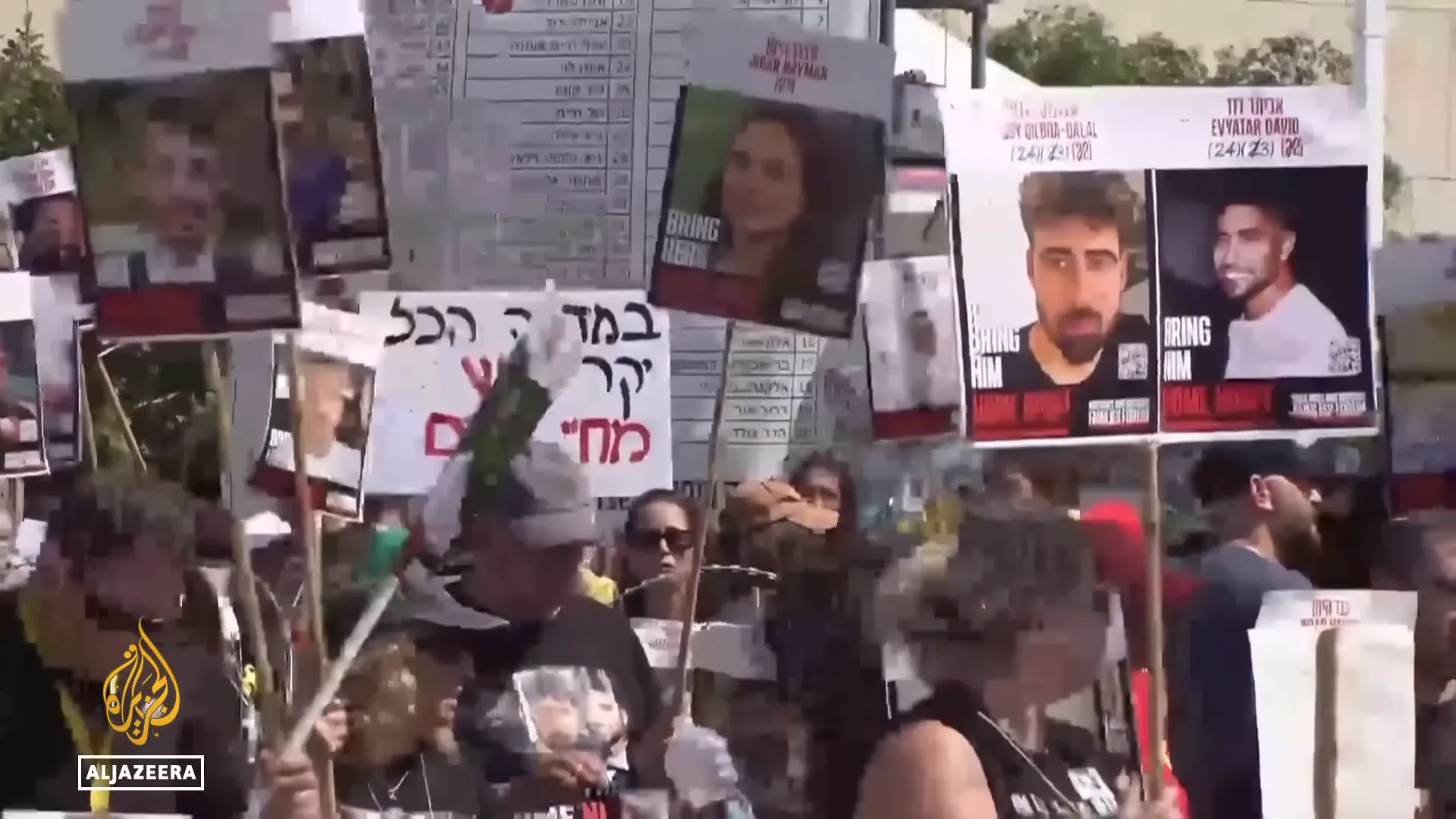
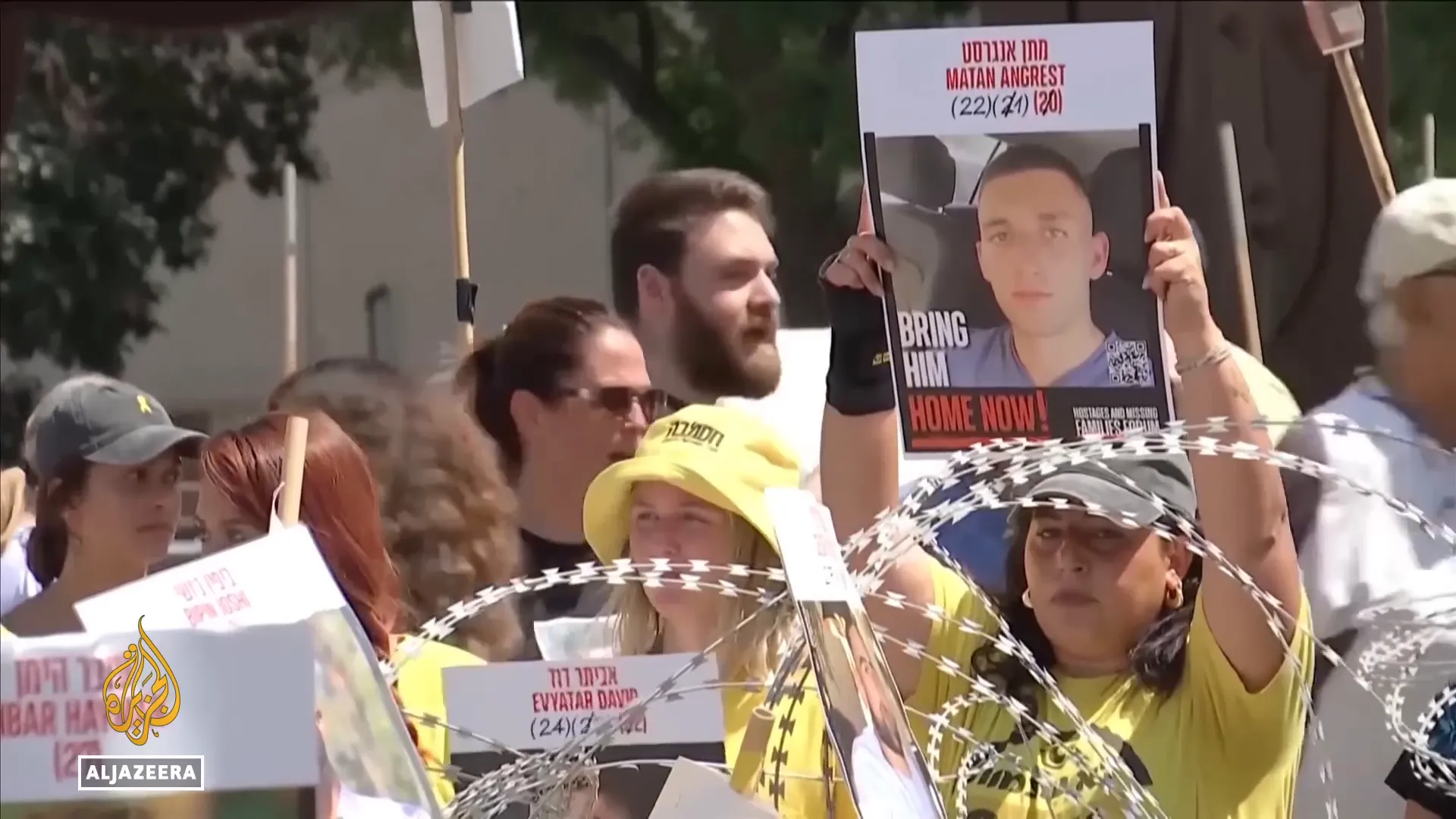
Hostage Square has become a focal point where families gather to demand swift government action. Their message is clear and unwavering: the Israeli government must stop stalling and fulfill its primary mission since the outbreak of hostilities on October 7, 2023 — to secure the release of all hostages and bring an end to the war.
"We're calling on the current Israeli government to stop stalling and to stop doing what it was meant to do since October seventh two thousand twenty-three, to release all the hostages, to put an end to the war, and do the right thing and just do it now," the families insist.
Appeal to the American Administration
Alongside their demands of the Israeli government, these families also urge the United States to exercise its influence. They call on the American administration to "start pulling strings" to help achieve a ceasefire and the safe return of captives. This plea highlights the international dimension of the conflict and the hope placed on diplomatic intervention.
Renewed Urgency Amid Shocking Images
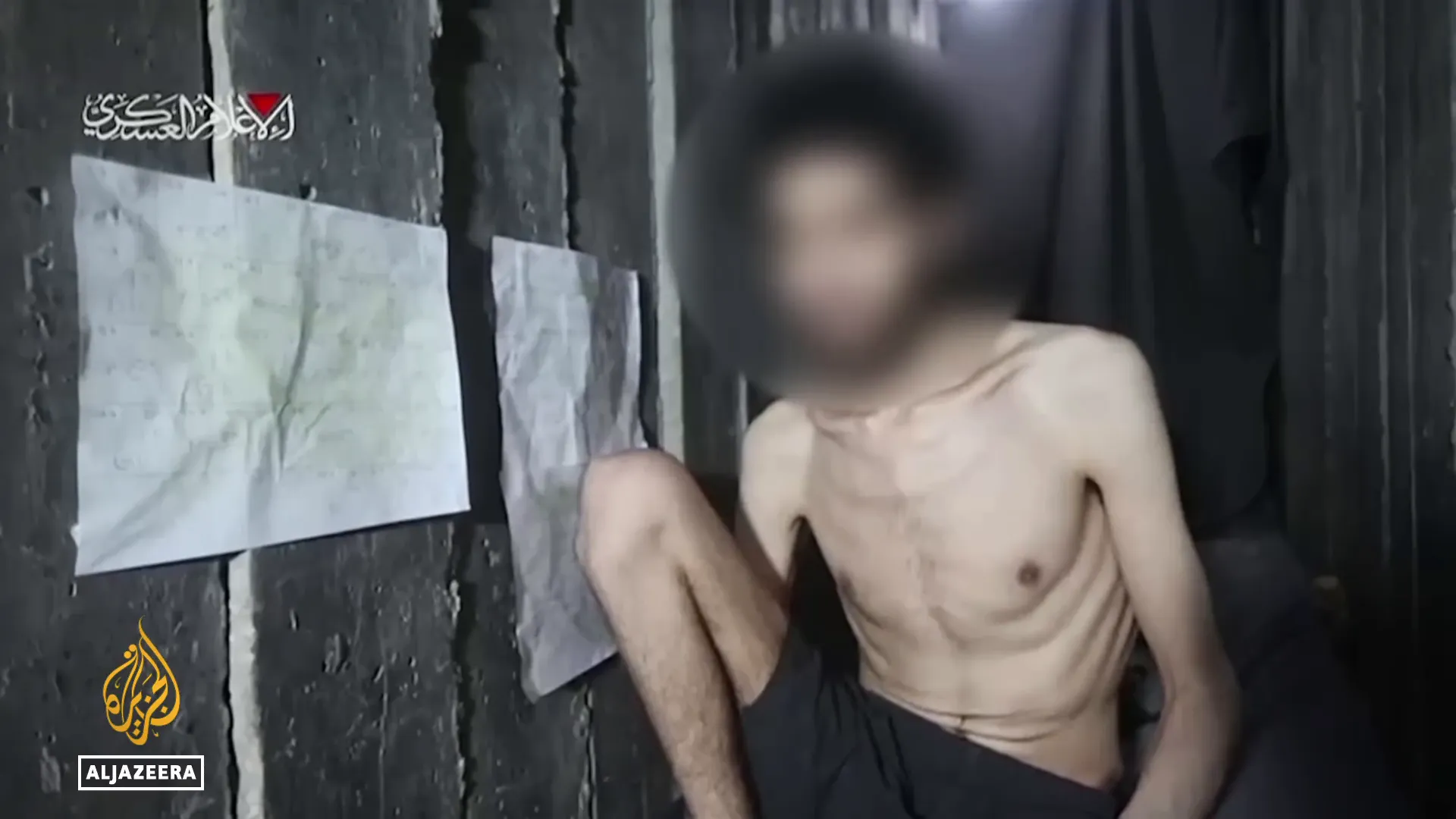
The urgency of the families’ demands has intensified following the release of distressing images by Hamas. These images show David Evatiar, an Israeli soldier still held captive in Gaza, emaciated and visibly suffering. The stark reality of starvation within Gaza is no longer abstract but painfully clear, evoking deep concern across Israel.
These images bear a haunting resemblance to previous photographs of malnourished Palestinian children, underscoring the widespread humanitarian crisis across the Strip.
The Tragic Story of Atif Abu Khatir
The human cost of the conflict is also painfully illustrated by the story of 17-year-old Atif Abu Khatir. His weight had dropped to 25 kilograms — the weight expected of a nine-year-old child. His heart was too weak to sustain him, and his mother was left helpless as he gently passed away.

Steve Witkoff’s Visit: Listening but No Resolution
US Special Envoy Steve Witkoff spent approximately two hours at Hostage Square, engaging with the families and hearing their stories firsthand. Despite his presence, it remains unclear whether he was able to ease their anger or provide new hope.
Just hours after his visit, the families returned to the square, their voices louder and their frustration more palpable as they continued to denounce the government’s handling of the situation.
Political Realities and Unmet Expectations
Witkoff conveyed that Israeli Prime Minister Benjamin Netanyahu is committed to ending the war. However, recent statements from political sources claiming that a comprehensive ceasefire deal was imminent have been revealed as empty slogans.
"The preconditions set by Israel are unrealistic and unworkable," critics argue, pointing to the complex and inflexible demands that hinder progress toward peace.
The Humanitarian Crisis in Gaza
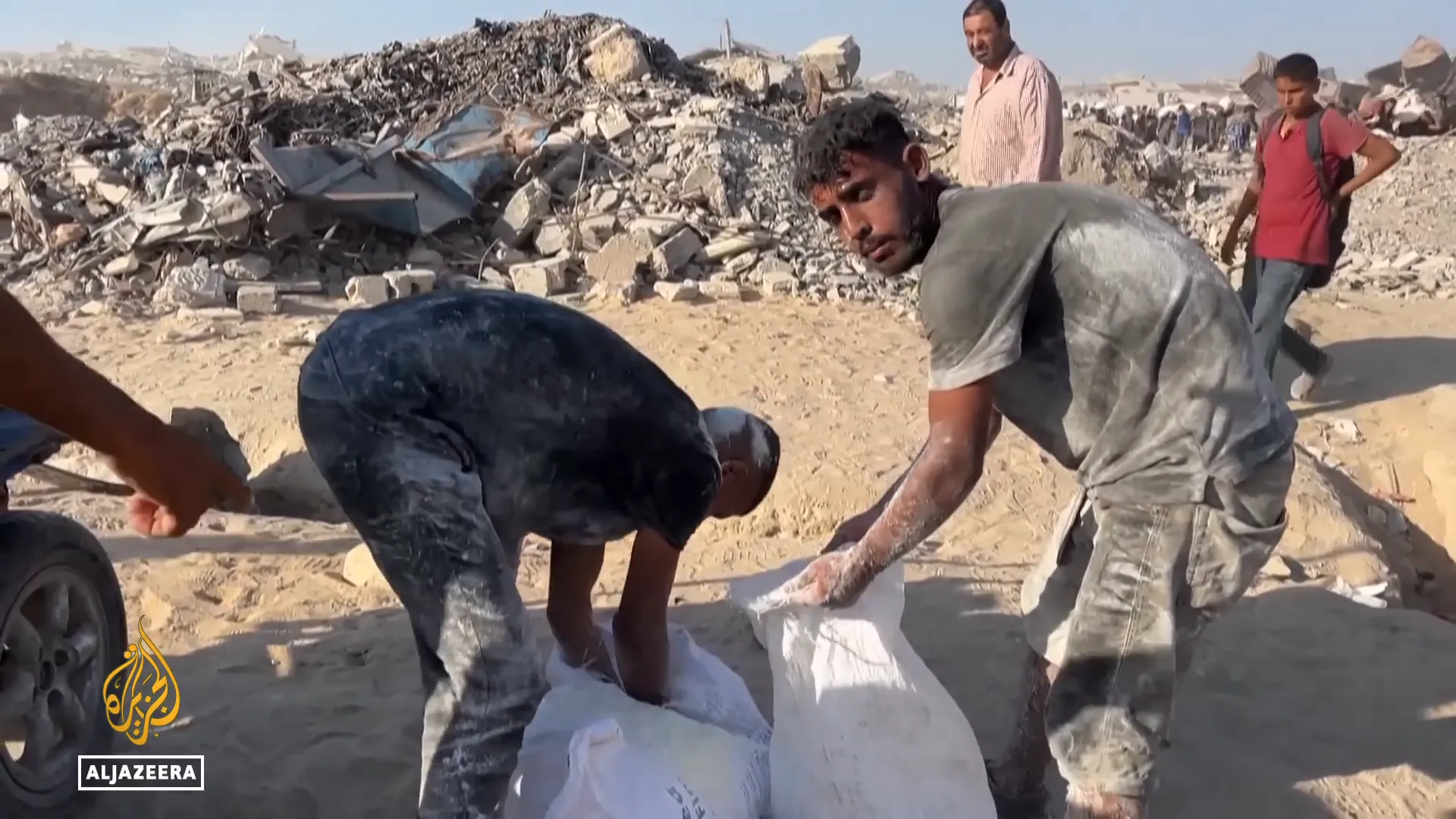
The suffering is not confined to Israeli captives. Palestinians in Gaza are also enduring severe hardship, with many scavenging for food amid a blockade that has led to widespread starvation.
For Palestinians, the desire for a ceasefire is equally urgent, as each day brings more death, grief, and despair across the region.
Conclusion: A Call for Immediate Action
The situation at Hostage Square in Tel Aviv encapsulates the desperation and determination of families caught in the crossfire of a brutal conflict. Their demand is simple yet profound: an immediate ceasefire and the safe return of all hostages. As international attention focuses on diplomatic efforts, the human stories behind the headlines remind us of the urgent need for peace and compassion on all sides.
Only through sustained pressure, honest dialogue, and genuine compromise can this cycle of violence be broken.
Frequently Asked Questions
Who is Steve Witkoff and what was the purpose of his visit?
Steve Witkoff is the US Special Envoy tasked with diplomatic efforts related to the Israel-Hamas conflict. His visit to Tel Aviv, particularly Hostage Square, was to engage with families of Israeli captives and discuss potential ceasefire agreements.
What is Hostage Square?
Hostage Square is a gathering place in Tel Aviv where families of Israeli captives held in Gaza come together to demand government action for their release and to call for an immediate ceasefire.
Why is there such urgency for a ceasefire now?
The urgency stems from the deteriorating humanitarian conditions, including starvation among captives and civilians in Gaza, as well as the ongoing violence that continues to claim lives on both sides.
What are the main obstacles to a ceasefire deal?
One of the main obstacles is the set of preconditions imposed by Israel, which many consider unrealistic and unworkable, complicating negotiations and delaying progress toward peace.
How is the international community involved?
The international community, particularly the United States, is called upon to use diplomatic influence to facilitate a ceasefire and the release of hostages. Envoys like Steve Witkoff play a key role in these efforts.


