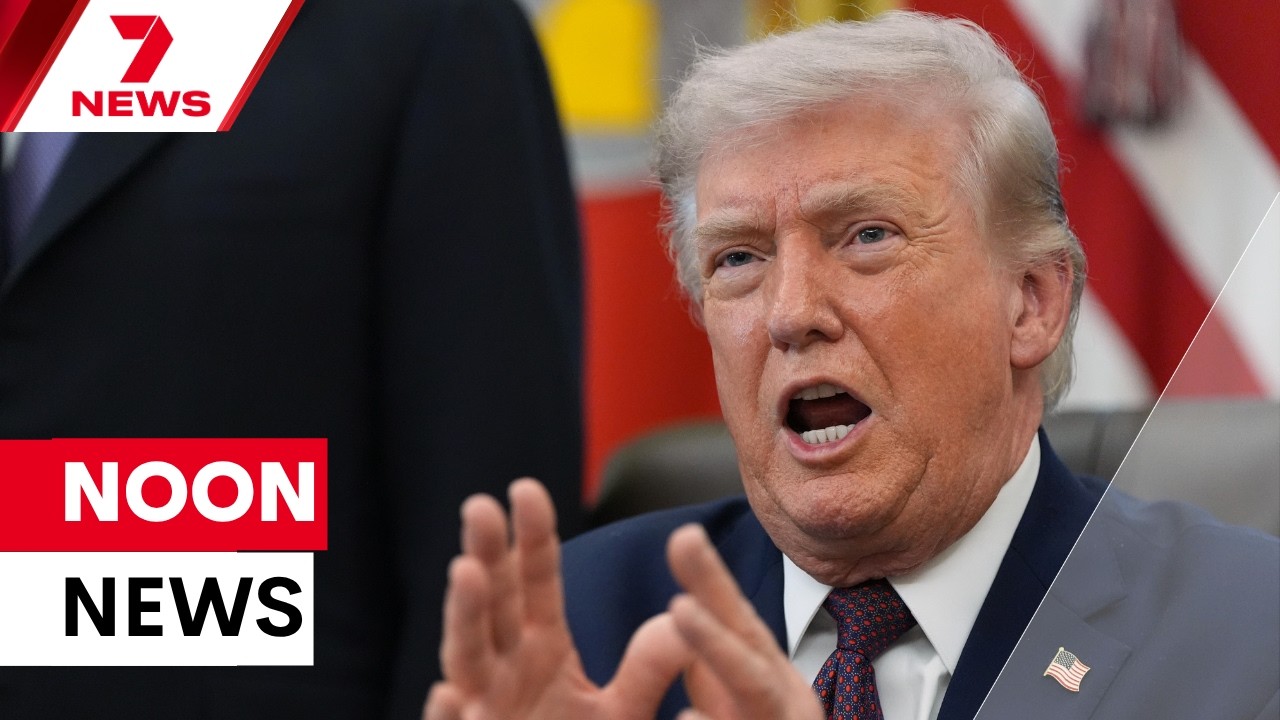
Trump and Iran have reportedly agreed to a two-week ceasefire, with a key condition: Iran would reopen the Strait of Hormuz. The latest development follows days of escalating warnings, including comments from Donald Trump about the prospect of catastrophic destruction. As the potential pause in fighting takes shape, markets reacted instantly—while governments, analysts and everyday Australians watch closely for signs that oil and fuel costs will ease.
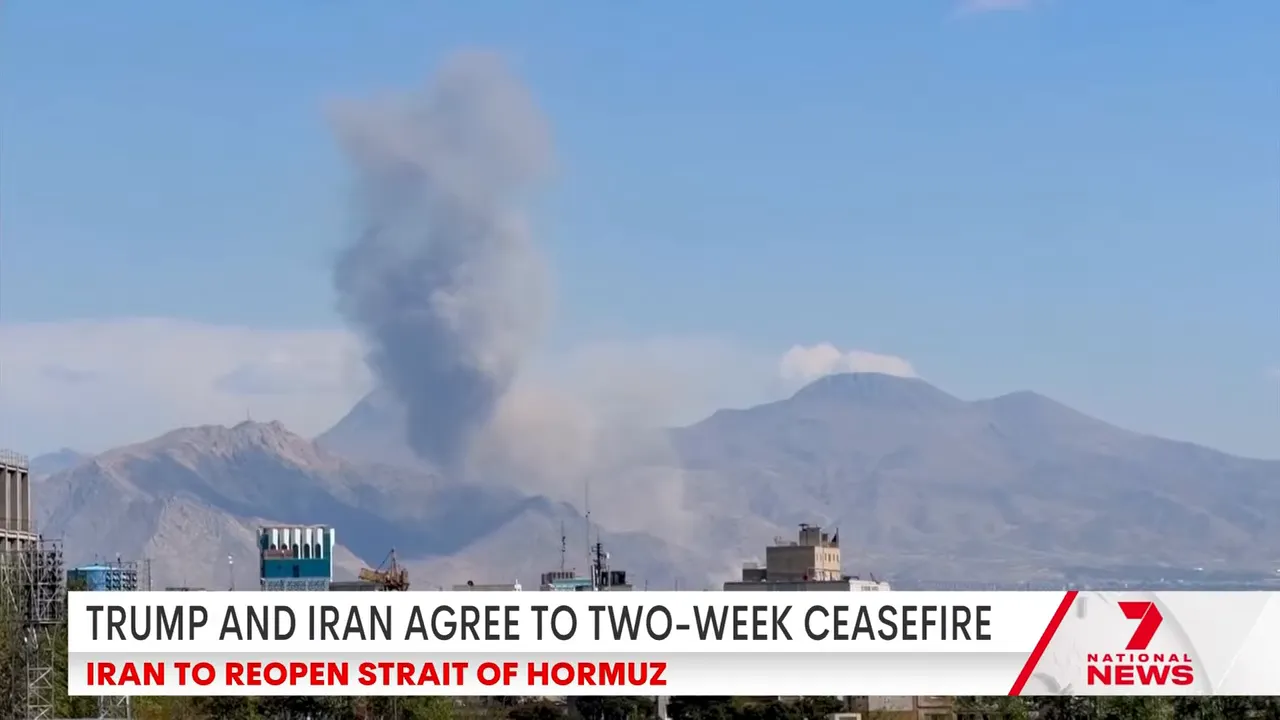
Table of Contents
- The ceasefire deal hinges on Hormuz being opened
- A last-minute negotiation before the deadline
- What the US says it received from Iran
- How markets and oil prices responded immediately
- Australia’s Prime Minister responds to Trump’s language
- Why Australians are watching: fuel price pressure
- Milestones in custody: Ben Roberts-Smith’s first night in prison
- Queensland hate speech laws: first test in Brisbane
- Vandals target Essendon HQ and a Richmond cafe
- Repeated shootings raise fears for a Panania family
- What’s next: uncertainty, costs, and the possibility of de-escalation
- FAQ
The ceasefire deal hinges on Hormuz being opened
In the Middle East, Iran has reportedly accepted a ceasefire for two weeks, in exchange for the agreement to open the Strait of Hormuz. The arrangement is described as “double-sided”, meaning the pause applies to fighting on more than one side.
Crucially, the decision is said to be conditional: the United States’ pause on a wide-scale campaign targeting Iran’s civilian infrastructure would depend on Iran agreeing to the “complete, immediate and safe opening” of the Strait of Hormuz.
The reported turnaround is striking. Earlier, Trump had warned of extreme consequences, telling an audience that a “whole civilisation will die.” Within hours, however, that posture shifted—at least for the short term—toward suspending the bombing and attack plan for a fortnight.
A last-minute negotiation before the deadline
The deal came late—described as an “11th hour” outcome—after high-stakes conversations involving Pakistan’s prime minister, who reportedly acted as a key negotiator. The ceasefire announcement followed moments after the agreement was said to have been broken close to Trump’s deadline.
That deadline was linked directly to whether Tehran would reopen the Strait of Hormuz or face what were characterised as devastating strikes, including on civilian infrastructure.
What the US says it received from Iran
Alongside the ceasefire decision, Trump’s position suggests Washington has received a proposal from Iran—described as a 10-point proposal. The ceasefire is framed not only as a temporary pause, but also as a bridge to further talks.
Those discussions are reported to begin in Pakistan on Friday, meaning the negotiation effort will not simply end with the two-week window.
How markets and oil prices responded immediately
Even before any physical reopening could be verified, global sentiment moved quickly. Worldwide stocks rallied following the ceasefire news, while the price of oil reportedly fell sharply.
In the Australian context, that reaction translated into momentum on the ASX, described as surging after investors gained confidence that fighting might pause. There was also a noticeable lift in the Australian dollar on the prospect of reduced geopolitical risk.
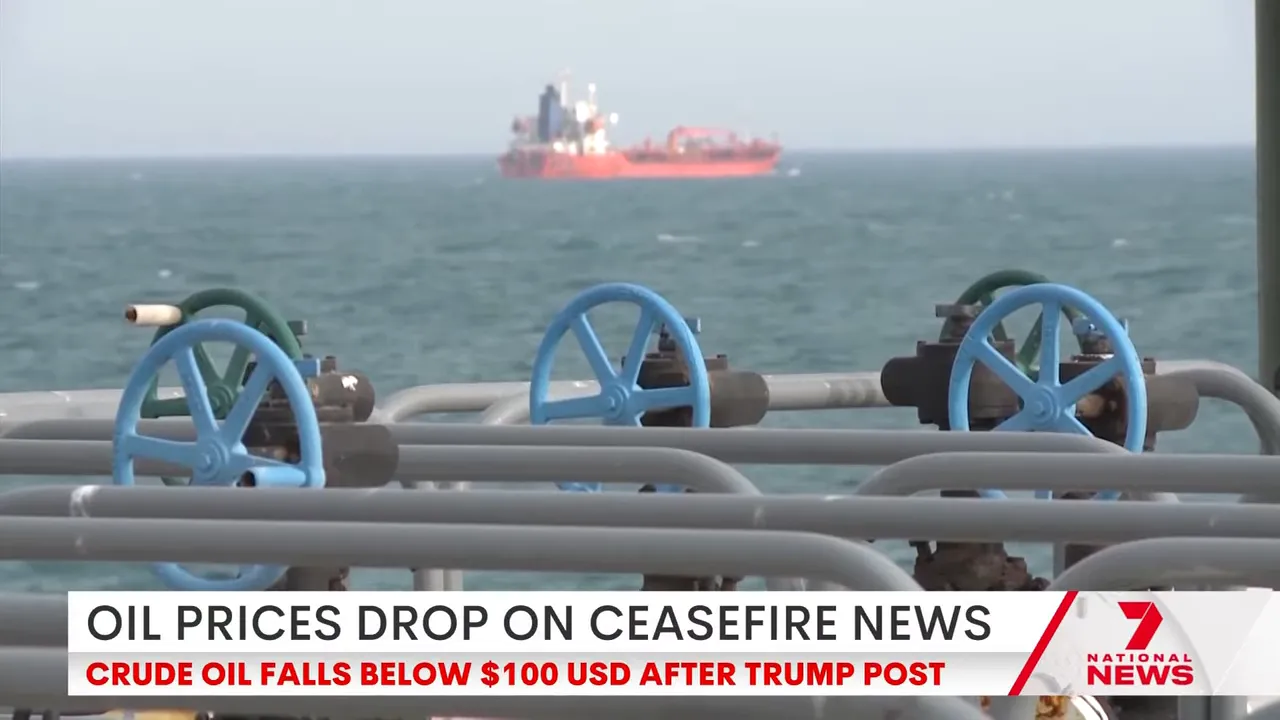
One important caution was emphasised: while the oil market’s drop was steep, the government and commentators stopped short of claiming the Strait of Hormuz was fully open in practice. The argument was that progress is welcome, but the “sooner the Strait of Hormuz open” the better—for the world’s oil supply and for Australians’ petrol and diesel prices.
Australia’s Prime Minister responds to Trump’s language
In Australia, Prime Minister Anthony Albanese was critical of the language used overnight during the earlier threat period. The concern wasn’t only about the strategic stance, but about the appropriateness of the rhetoric.
National Security Editor Tim Lester reported that Albanese’s criticism was measured, but clear: language such as “a whole civilisation will die” was said to be inappropriate from the President of the United States. The point made was that conflicts must be conducted within international law, including protections for civilians who are not parties to the conflict.
At the same time, the Prime Minister described the likelihood of a ceasefire as “very positive”, adding that he hoped it leads to a permanent de-escalation.
Why Australians are watching: fuel price pressure
The connection between a Strait of Hormuz ceasefire and Australian households is direct. The Strait is a critical shipping route, and when disruptions or threats loom, oil prices can jump—creating flow-on pressures across transport and logistics.
That is why observers described a “light at the end of the tunnel” for fuel prices as oil fell and markets priced in less immediate risk. The key challenge is timing: policy and politics can’t automatically change global oil movements, so households depend on whether the ceasefire holds and whether the Strait reopening occurs reliably.
Milestones in custody: Ben Roberts-Smith’s first night in prison
Later in the broadcast, attention shifted from international conflict to a major Australian legal case. Australia’s most decorated living soldier, Ben Roberts-Smith, spent his first night behind bars after being charged with multiple counts of war crime murder.
He was remanded in custody at Silverwater Jail in Sydney, with reporting that he made no application for bail and that none was put before the court that morning.
Roberts-Smith, a Victoria Cross recipient, was charged with five war crimes late the previous day after his arrest at Sydney Airport, following arrival from Brisbane. Police alleged that the victims were unarmed civilians killed directly by Roberts-Smith or on his orders during deployments in Afghanistan between 2009 and 2012.
This was described as the most serious allegations ever brought against an Australian serviceman, following years of investigation into the conduct of special forces overseas. The reporting also referenced a landmark civil case in 2023, in which a judge found that multiple murder allegations against Roberts-Smith were substantially true—while the criminal charges were still a first of their kind.
The matter was reported as set to stand down until June 4, with lawyers potentially able to apply for an emergency bail hearing later that day. Roberts-Smith has maintained his innocence, and if convicted, he could face life in prison.
Queensland hate speech laws: first test in Brisbane
Another legal development involved a test case for Queensland’s new hate speech laws in Brisbane. Pro-Palestinian activists challenged the laws after a protester was charged for using a banned phrase.
Reporting said that Liam Parry was the first to be charged, after allegedly using the phrase at a protest outside Parliament last month. He faced Brisbane Magistrates Court for the first time and indicated he would be fighting the charge.
In court, protesters gathered in support, with police also warning an attendee after a sign referencing a Gaza slogan—illustrating that the issue is not only legal, but highly charged in public expression.
The maximum penalty reported for the charged offence was two years’ jail. Parry’s case was adjourned to the end of the month, and he remained out on bail.
Vandals target Essendon HQ and a Richmond cafe
Back in Melbourne, vandalism drew condemnation after the Essendon Football Club’s headquarters was targeted. Club officials discovered that the ground of their training facility had been torched with petrol over the Easter long weekend. Damage was estimated at around $10,000.
Police were also investigating earlier graffiti, including “Sack Voss”, found on the side of a cafe in Richmond the day before.
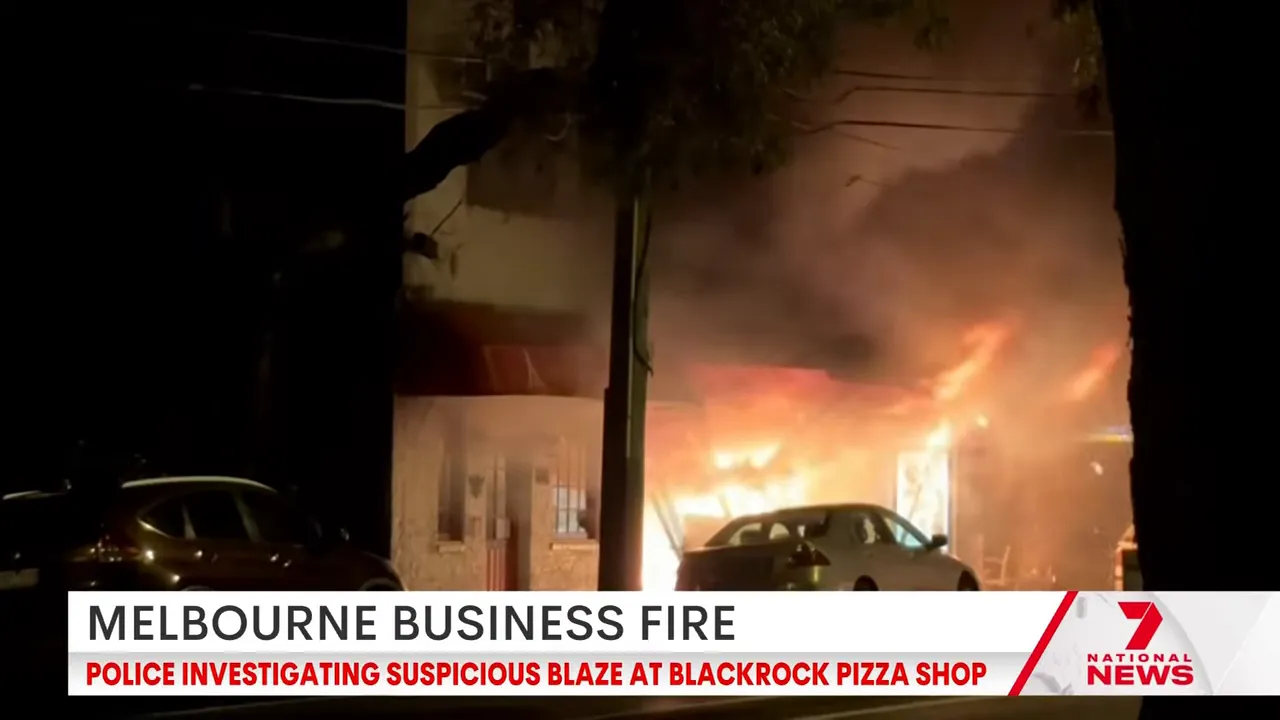
In a separate incident, a massive fire gutted a pizza shop in Black Rock early on the morning in question. Reports said loud explosions woke locals around 2:30am, and it was understood a stolen car arrived with arsonists who used accelerant inside before setting the business alight.
Firefighters arrived quickly—within minutes of the first emergency call—but the accelerant meant the blaze was too fierce for crews to enter. No one was at the pizza shop at the time, but a nearby business upstairs involved a young couple who were asleep. They heard bangs, shouting and fuel-like smells, then escaped in their underwear.
Repeated shootings raise fears for a Panania family
In Sydney’s west, police were hunting a gunman after multiple shots were fired at a home in Panania overnight. The incident was described as the fourth time the property had been targeted in as many weeks.
Security camera footage showed a gunman stepping out of a white car just before 11pm and firing a single shot into the home’s front window. Investigators alleged that the address has links to underworld crime.
The earlier attacks reportedly included a previous gunman who fired at the property three weeks earlier, and another two days later—though one shooting was believed to have failed. A firebombing or related incident then followed, but it was believed to be mistaken identity involving a vehicle in the neighbouring driveway.
Neighbours said the family had been traumatised and had not been home for the previous two weeks, but returned around 7pm before being targeted again about two and a half hours later. Police were seeking both the gunman and a getaway driver.
What’s next: uncertainty, costs, and the possibility of de-escalation
The ceasefire in the Middle East is short—only two weeks—but its implications are broad. If the Strait of Hormuz is reopened safely, oil could flow more reliably, reducing pressure on fuel prices. If it does not, volatility could return quickly.
At the same time, Australia’s national concerns continue on other fronts: high-profile criminal charges proceed through courts, activists test the boundaries of hate speech legislation, and communities respond to vandalism and violence.
FAQ
What is the two-week ceasefire between Trump and Iran?
It is reported to be a temporary, “double-sided” pause in fighting, linked to conditions involving the Strait of Hormuz, with further talks expected to follow during a set timeframe in Pakistan.
What condition is Iran required to meet?
The reporting says the agreement depends on Iran agreeing to the complete, immediate and safe opening of the Strait of Hormuz.
How did markets react to the ceasefire news?
Worldwide stocks reportedly rallied and oil prices fell sharply, with observers noting the ASX gained momentum and the Australian dollar also jumped on the prospect of a ceasefire.
Did Australia confirm that the Strait of Hormuz is open?
Commentary in the broadcast suggested caution: progress was welcomed, but officials and commentators indicated they were not yet confident the strait was open immediately.
What is happening in the Ben Roberts-Smith case?
He has been charged with multiple war crime murder counts and was reported to be held in custody after his first night in prison, with no bail application made at the time reported.
What is the Queensland hate speech test case in Brisbane?
It involves pro-Palestinian activists challenging Queensland’s new hate speech laws after a protester was charged for allegedly using a banned phrase. The matter was adjourned to later in the month, with the defendant out on bail.
The information in this article has been adapted from mainstream news sources and video reports published on official channels. Watch the full video here Trump and Iran agree to two-week ceaseifre, Iran to reopen Strait of Hormuz | 7NEWS


