Aug 3, 2025
Israel's Forced Displacement Plans: Rights Group Warns of Ethnic Cleansing
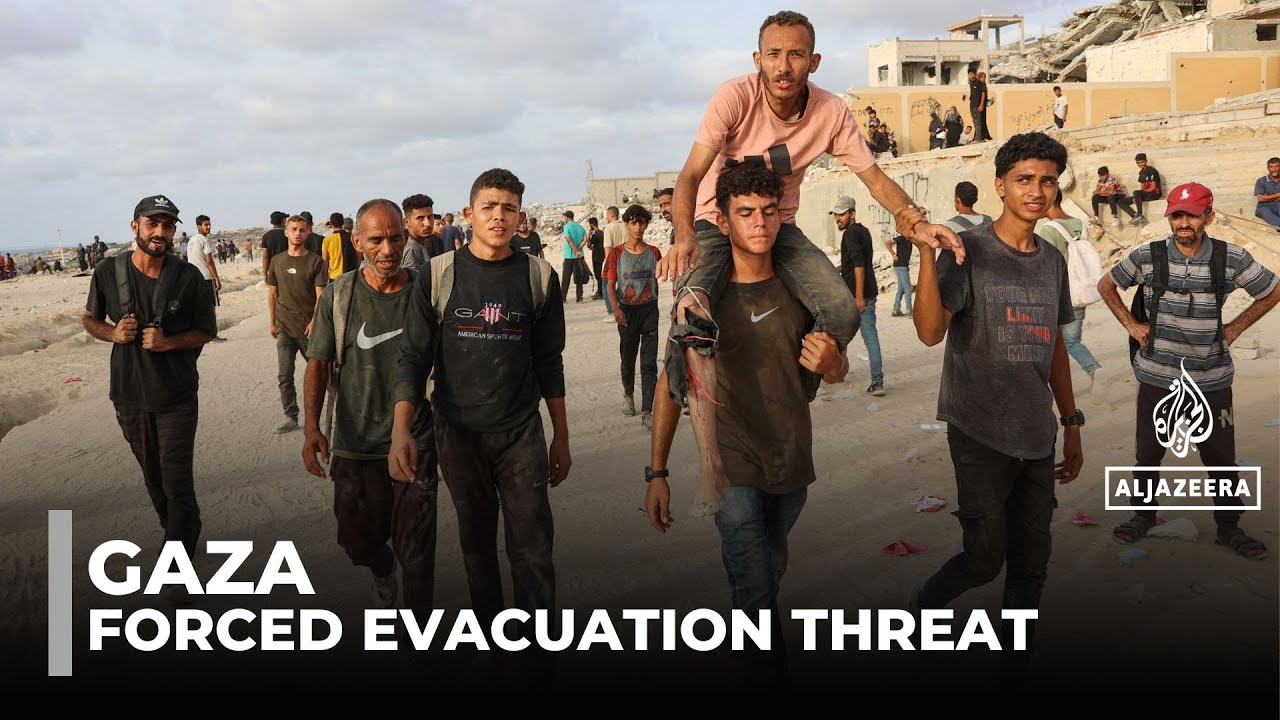
More than sixty-six percent of Gaza's population are refugees, a staggering figure that underscores the ongoing tragedy faced by Palestinians. Their story of forced displacement began with the creation of Israel in 1948, known as the Nakba, but it is far from over. Today, a new and harrowing chapter unfolds as Israel intensifies efforts to expel Palestinians from their land once and for all.
Table of Contents
- Displacement in Gaza: From Temporary to Permanent
- Forced Displacement Extends to the West Bank and Negev
- Targeting UNRWA and Palestinian Refugee Status
- Broader Support for Forced Transfer Among Israelis
- Conclusion: A Dire Warning of Ethnic Cleansing
- Frequently Asked Questions (FAQs)
Displacement in Gaza: From Temporary to Permanent
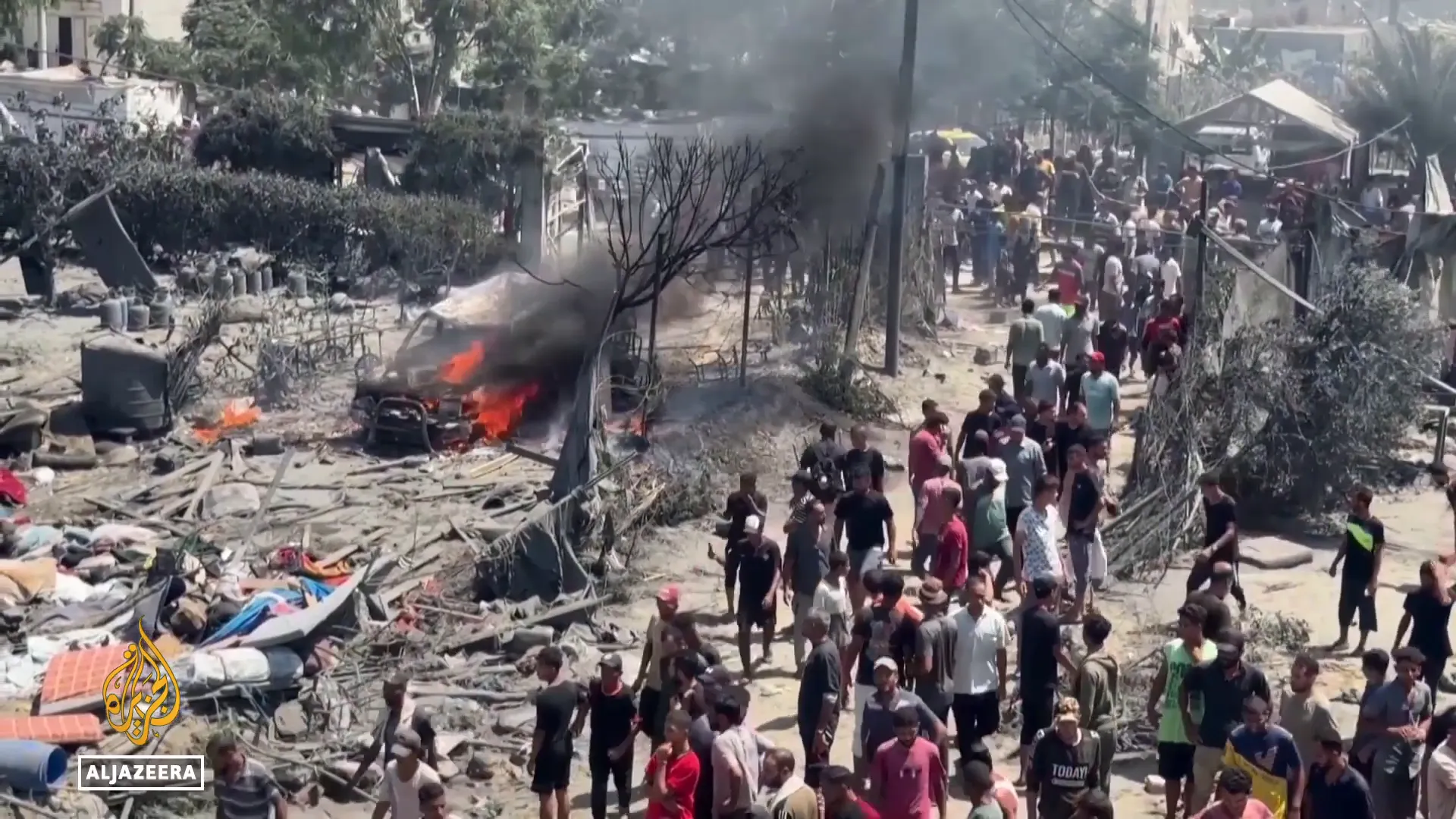
Since the outbreak of war in Gaza, ninety percent of the population has been displaced at least once, transforming the memories of the Nakba into a painful, living reality—this time, broadcast live on television. An alarming report by the Israeli rights group B’Tselem reveals Israel’s apparent objective: to transform what was once temporary displacement into permanent removal, using tactics of destruction and starvation to engineer depopulation.
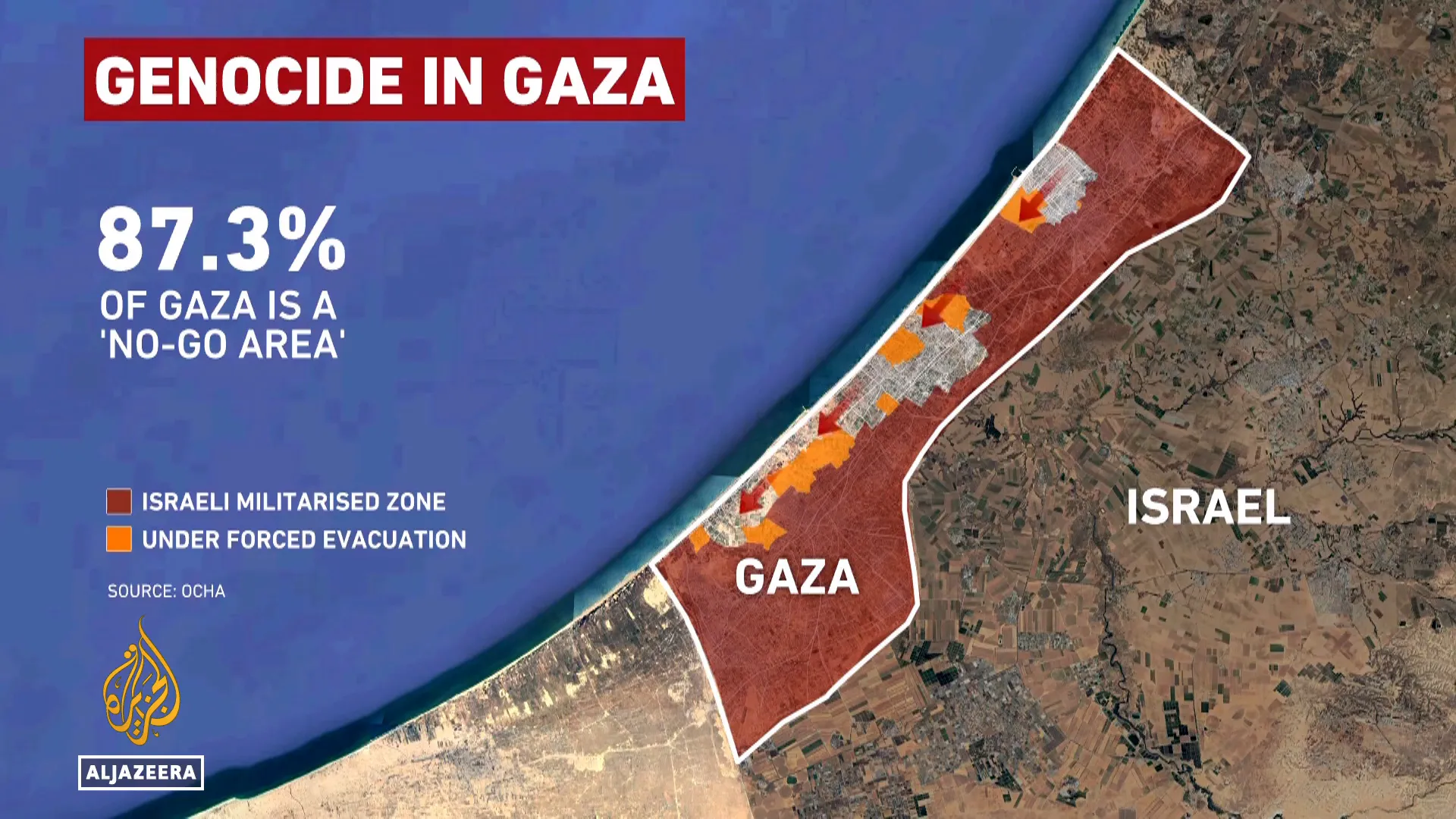
Almost ninety percent of the Gaza Strip has been designated either as Israeli military zones or subjected to forced evacuation orders. Israeli officials have openly declared ethnic cleansing in Gaza as a war objective, pushing Palestinians from the northern areas into so-called “safe evacuation zones” in the south, which critics describe as concentration zones.
Prime Minister Benjamin Netanyahu has explicitly advocated for the transfer of Palestinians out of Gaza altogether, stating, “You’re talking about probably a million and a half people, and we just clean out that whole thing.” Shortly after these remarks, the Israeli cabinet formed a new unit tasked with facilitating the departure of hundreds of thousands of Palestinians from the Strip.
Forced Displacement Extends to the West Bank and Negev
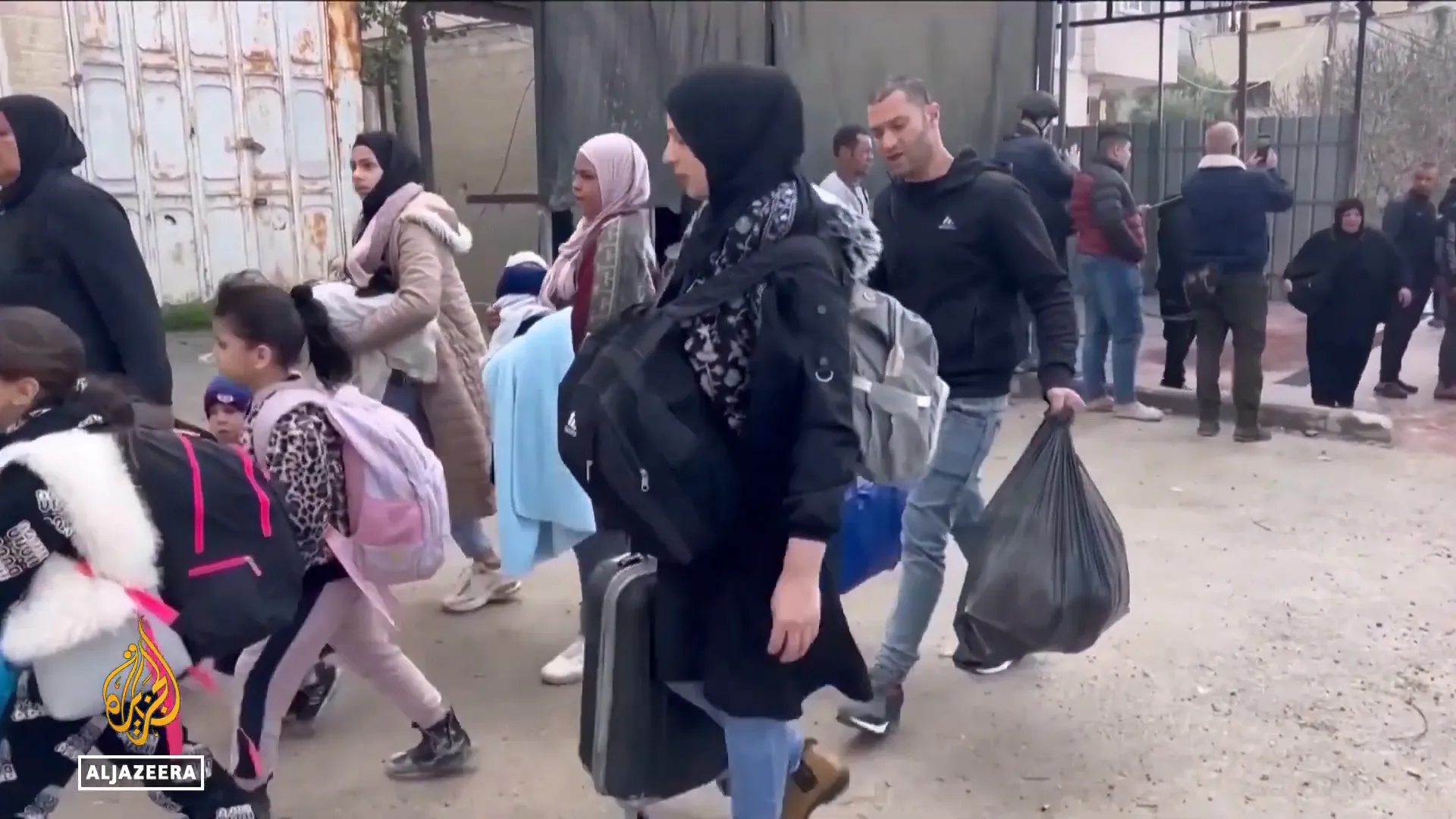
This strategy is not confined to Gaza. In the occupied West Bank, the largest forced displacement since 1967 is underway. Approximately forty thousand Palestinians have been driven from their homes and refugee camps, often at gunpoint. Eyewitness accounts describe soldiers harassing residents, urging them to leave, and offering dismissive suggestions like moving abroad to places such as France for a “better life.” One resident recounted, “They want to evict us in any way possible.”
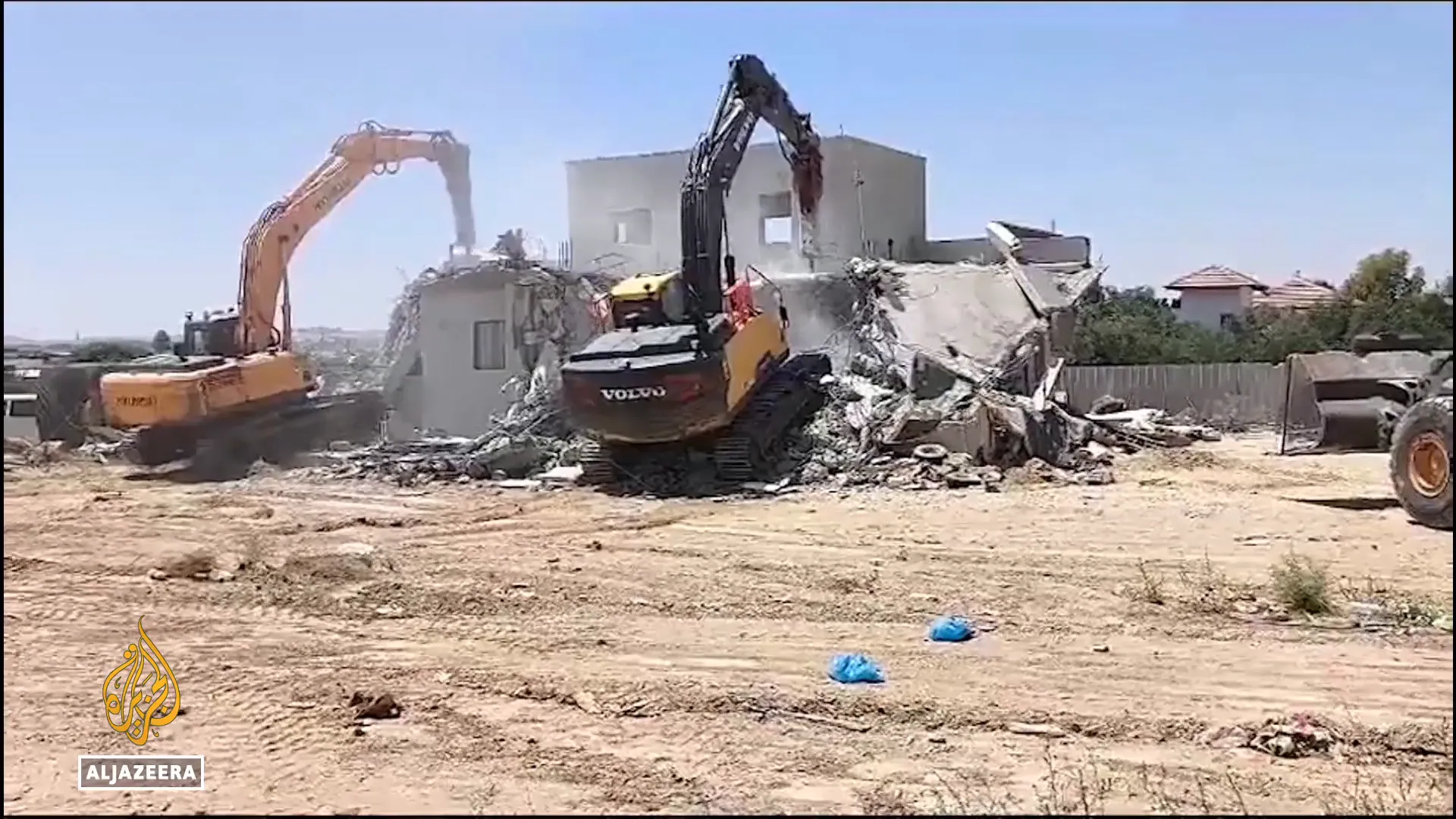
Meanwhile, in Israel’s Negev region, demolition orders for Palestinian homes have surged, quadrupling since the war’s onset. These demolitions contribute to a broader campaign of displacement and dispossession.
Targeting UNRWA and Palestinian Refugee Status
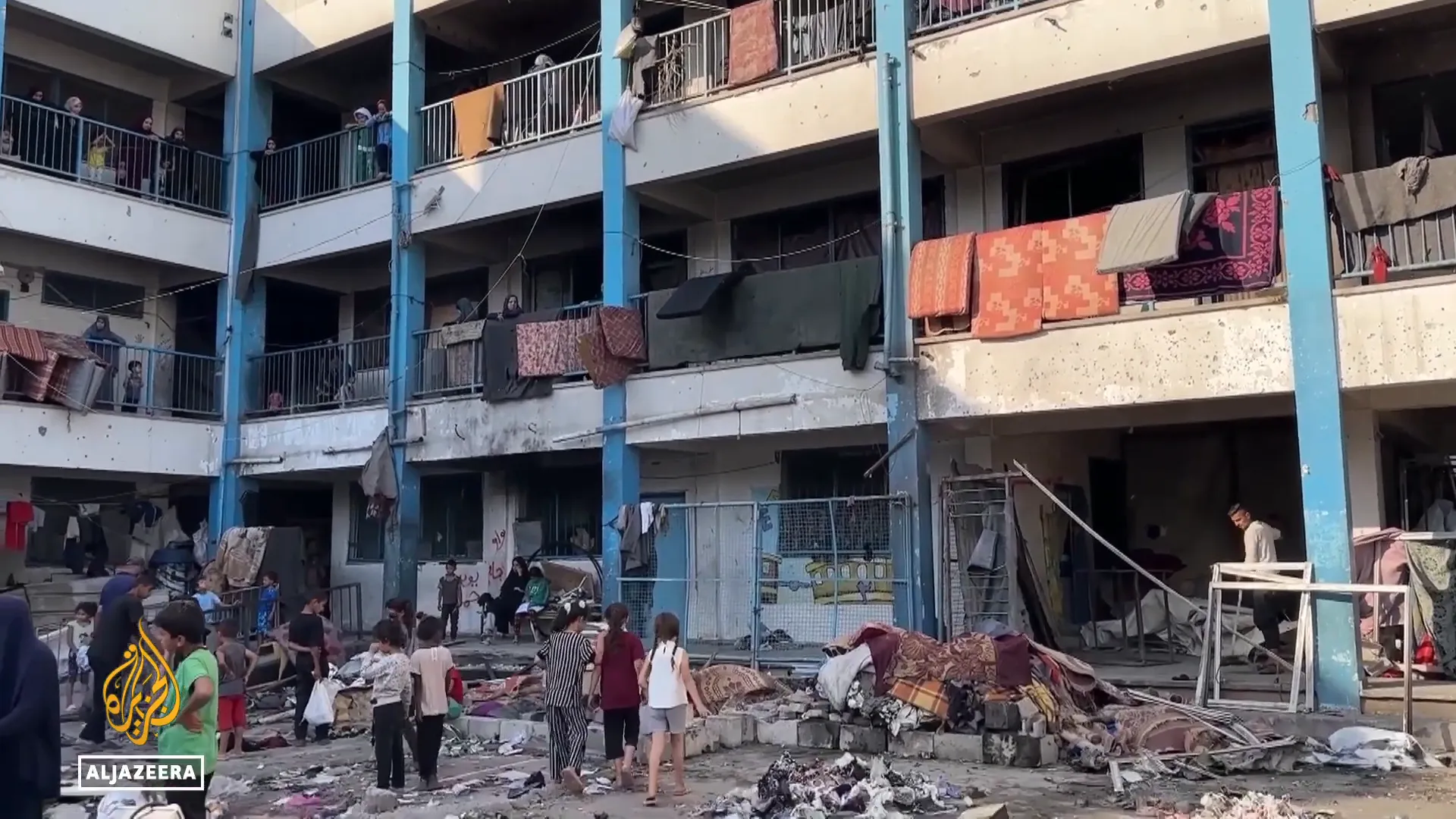
Legislation banning the United Nations Relief and Works Agency for Palestinian Refugees (UNRWA) is not merely aimed at halting its operations. It strikes at the core of Palestinian identity by attacking the very organizations that preserve Palestinians’ status as refugees. This move threatens to erase international recognition of their rights and protections.
Broader Support for Forced Transfer Among Israelis
Among many Israelis, there is significant support for the forced transfer of Palestinians, seen as a solution to what is referred to as the “Palestine problem.” The problem, as framed by proponents, is Palestinians’ presence on their land. The proposed solution is expelling them from it.
Conclusion: A Dire Warning of Ethnic Cleansing
The ongoing forced displacement across Gaza, the West Bank, and Israel’s Negev region represents more than just a military tactic—it is a systematic campaign to permanently remove Palestinians from their homeland. Human rights groups like B’Tselem have raised the alarm about ethnic cleansing, urging the international community to recognize and respond to these grave violations.
As the situation unfolds, it is critical to stay informed and support efforts to protect the rights and dignity of Palestinians facing displacement, destruction, and starvation.
Frequently Asked Questions (FAQs)
What percentage of Gaza’s population are refugees?
More than sixty-six percent of Gaza's population are refugees, many of whom or their ancestors were displaced during the Nakba in 1948.
What is Israel’s stated objective regarding Palestinians in Gaza?
Reports from rights groups and statements from Israeli officials suggest that Israel aims to permanently displace Palestinians from Gaza, using military zones, forced evacuations, and starvation tactics as part of a broader ethnic cleansing campaign.
How many Palestinians have been displaced in the West Bank recently?
Approximately forty thousand Palestinians have been forced out of their homes and refugee camps in the West Bank, often under threat or at gunpoint.
What is the significance of legislation targeting UNRWA?
Legislation banning UNRWA aims to halt its operations and undermine the status of Palestinians as refugees by dismantling the institutions that protect their rights and provide essential services.
Is there support for forced transfer among Israelis?
Yes, there is considerable support among many Israelis for the forced transfer of Palestinians, viewing it as a solution to what they call the “Palestine problem.”