Middle power alliance: Canada urges Australia cooperation
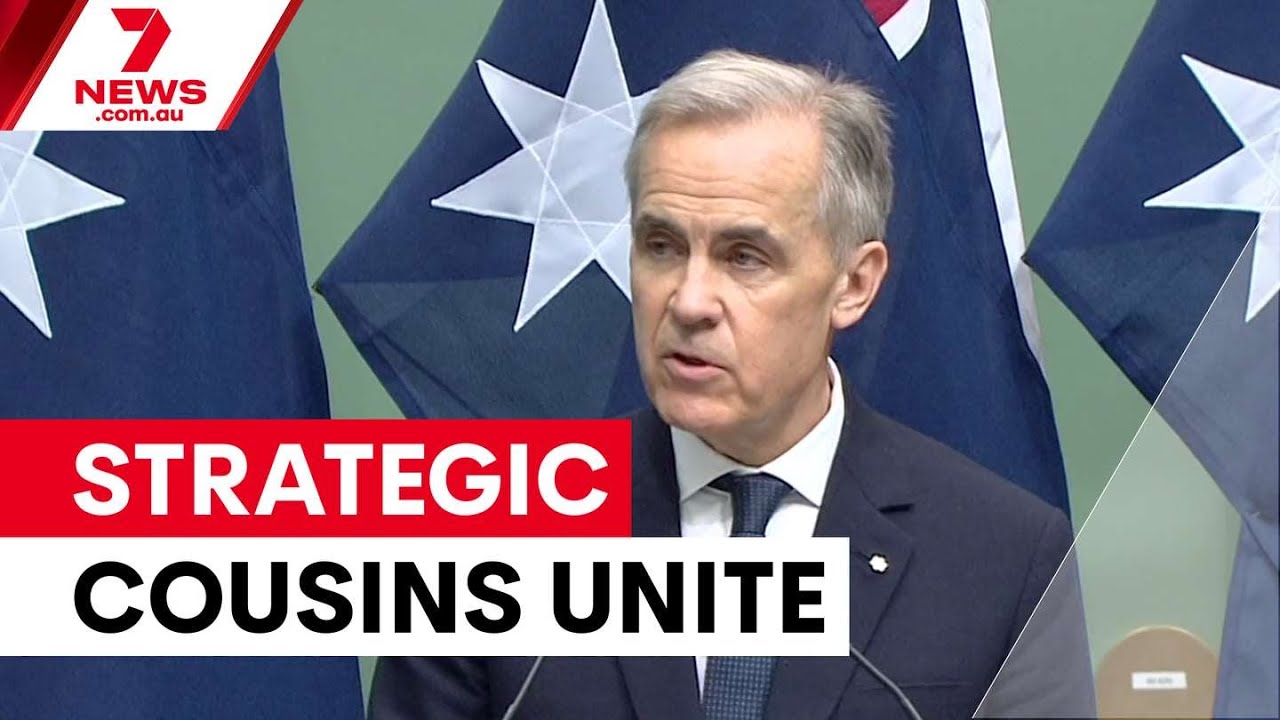
Table of Contents
- Mark Carney calls for closer ties on defence, minerals and AI during Canberra visit
- What Carney wants — and why it matters
- Immediate impacts back home
- Key takeaways
- Practical next steps
- FAQs
Mark Carney calls for closer ties on defence, minerals and AI during Canberra visit
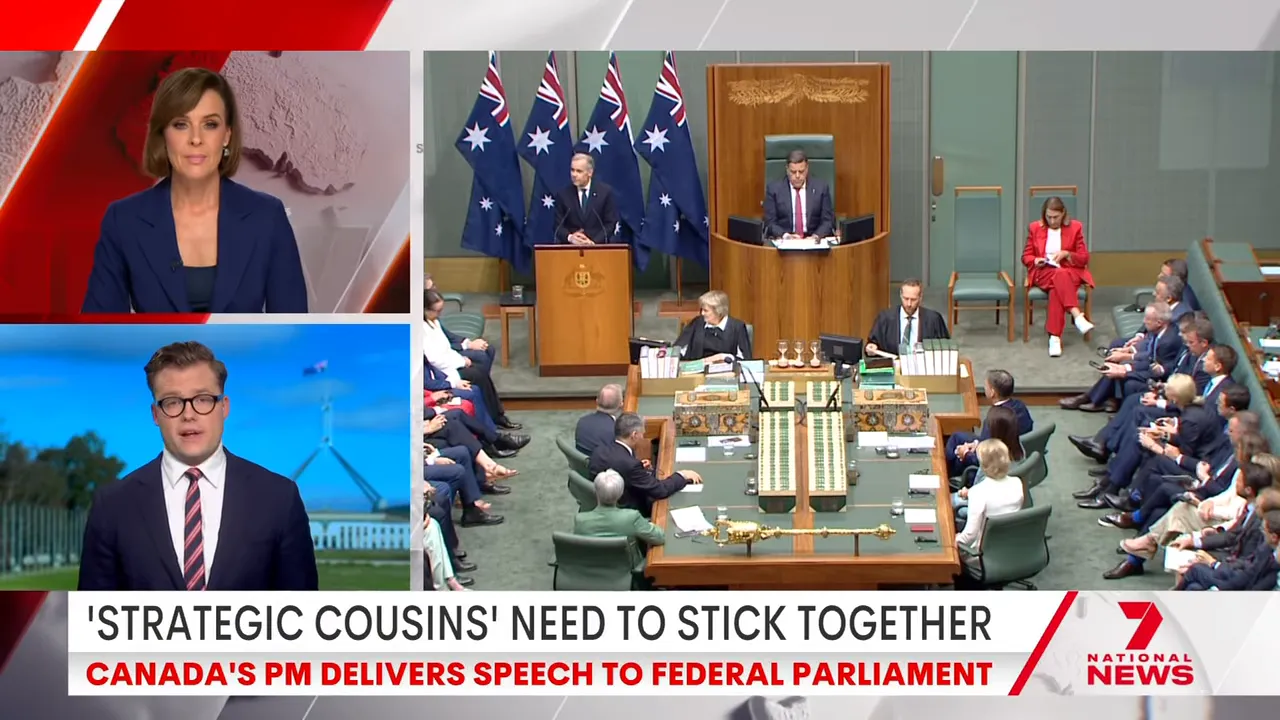
CANBERRA — Canadian Prime Minister Mark Carney used a state visit to press for a stronger middle power alliance between Canada and Australia, urging new coalitions built on shared values and strategic cooperation. The middle power alliance message came during a formal address in Federal Parliament and was framed against rising global tensions and the economic fallout from conflict in the Middle East.
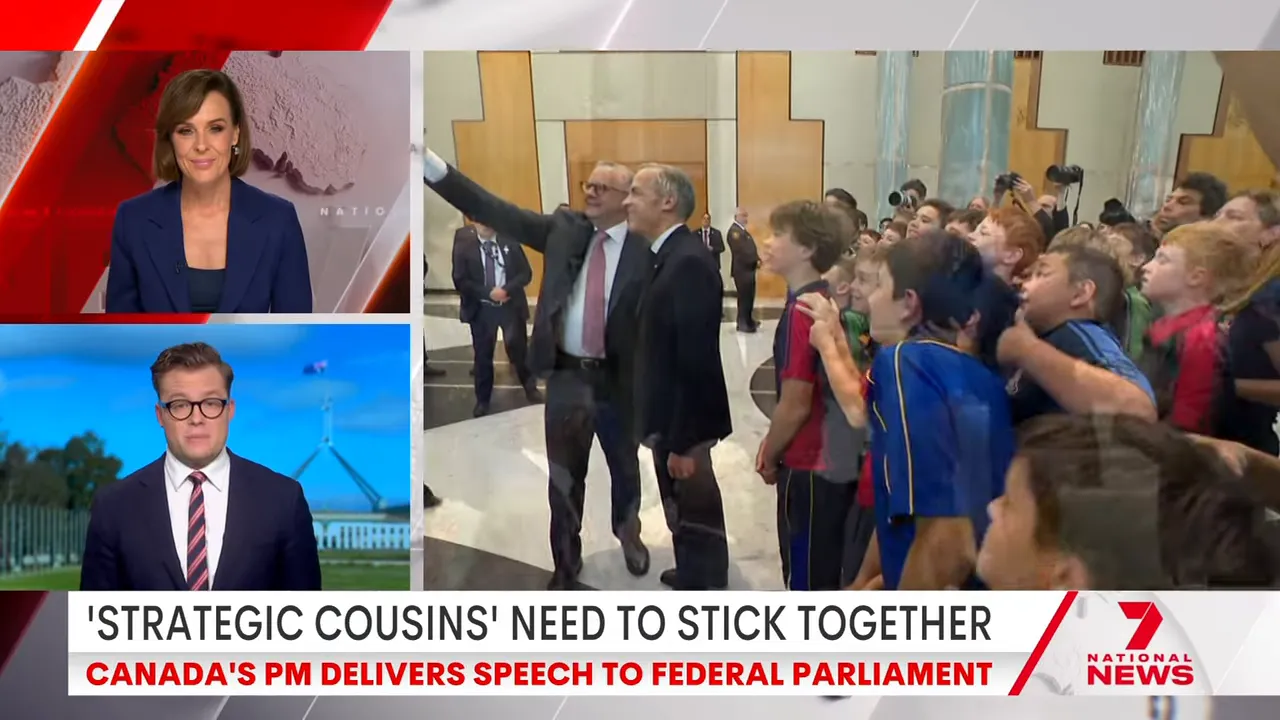
The visit followed full ceremonial protocol: handshakes, a salute as cannons fired on the forecourt of Parliament House, national anthems and schoolchildren taking selfies with the guest of state. MPs and Senators packed the chamber to hear Carney outline why middle powers should act together rather than leave outcomes to dominant hegemons.
Carney argued that Australia and Canada are "strategic cousins" whose influence depends on forming rules and conventions that reflect common values. He urged collaboration on three practical fronts: defence capability, securing critical minerals and shaping the ethical and strategic development of artificial intelligence.
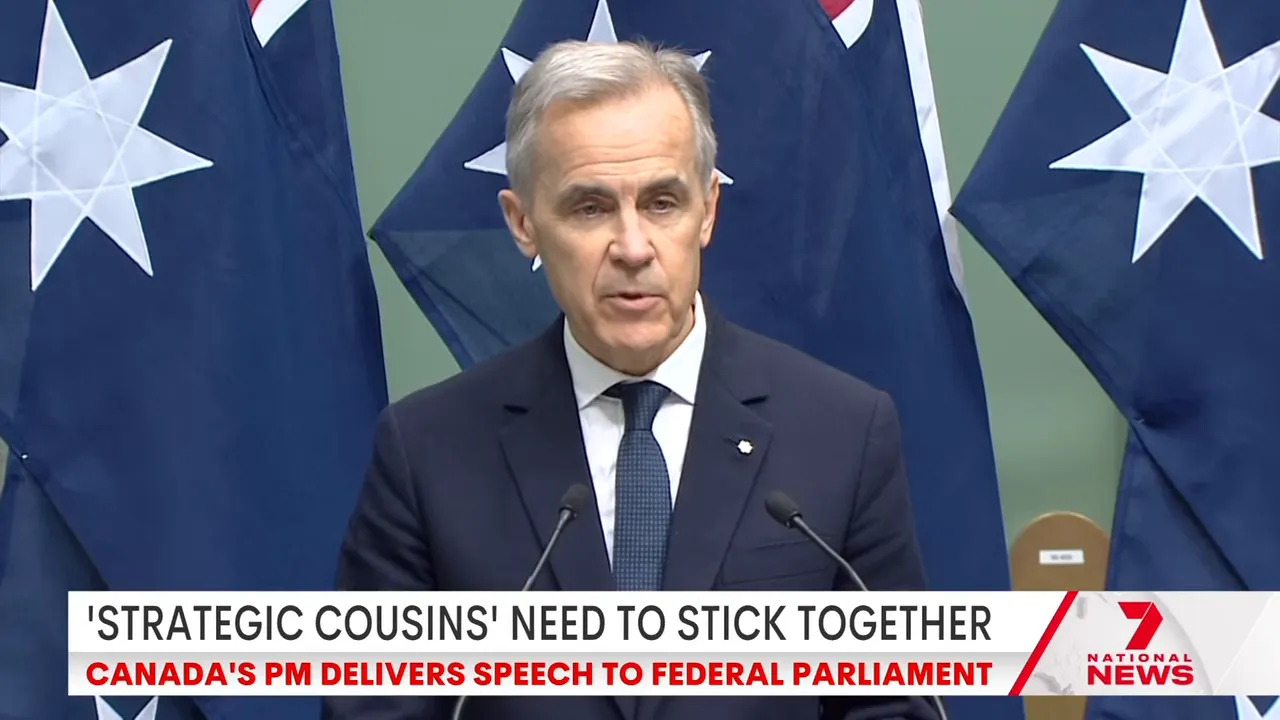
“The question today for middle powers like us is whether we establish the conventions and help write the new rules that will determine our security and prosperity or let the hegemon's dictate outcomes.”
His remarks were delivered as the world watches instability in the Middle East, which has already manifested in economic pain for Australia. Recent disruptions to shipping through the Strait of Hormuz and threats of drone strikes have pushed up input costs for farmers and increased fertilizer prices.
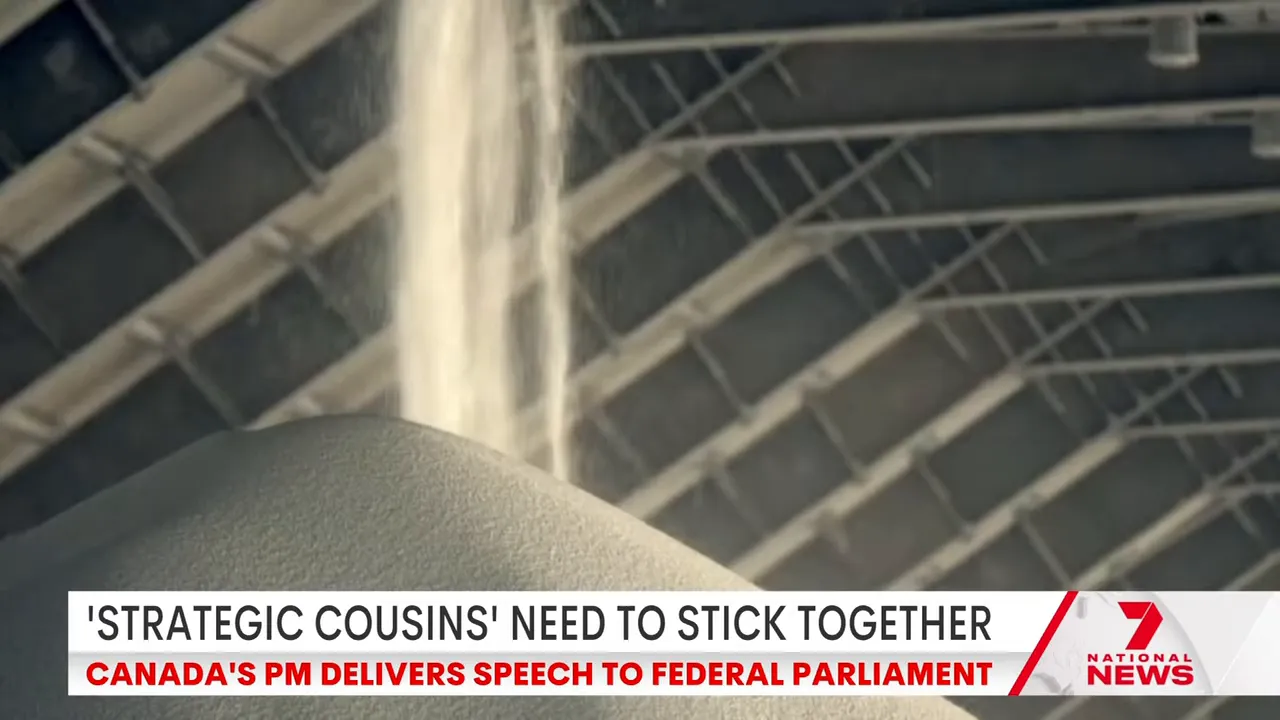
Urea fertiliser prices jumped by roughly $150 a tonne in recent days, a shock Carney used to illustrate why middle powers must plan for resilience and self-reliance. Politicians in Australia responded by saying the crisis is a reminder to build hard power and greater domestic capability, not just rely on distant allies.
What Carney wants — and why it matters
Carney’s position is practical rather than ideological: form alliances that pool resources, set standards and reduce strategic dependence on single dominant powers. Defence cooperation can mean joint exercises, equipment interoperability and shared supply chains for critical components.
On critical minerals, Australia and Canada are both major producers of resources essential to modern technologies — from batteries to semiconductors. Coordinated investment and export strategies could secure supply for allied economies while reducing leverage that adversarial states might exploit.
Artificial intelligence was singled out as a field where rules are still being written. Carney urged middle powers to influence global norms on AI safety, governance and ethical deployment before capabilities become governed only by the largest states or private actors.
Immediate impacts back home
The Iran conflict’s effect on trade routes has had immediate economic consequences for Australian agriculture and logistics. Higher fertiliser costs threaten crop margins and may push up food prices if producers pass on the increases.
Shipping disruptions in the Strait of Hormuz are also provoking calls from some MPs for Australia to strengthen its own defence posture and diversify import sources. The debate now centres on balancing international cooperation with domestic resilience.
Key takeaways
- Middle power alliance is the central proposal: Canada and Australia should form closer coalitions based on shared values.
- Priority areas include defence, critical minerals and artificial intelligence.
- Global instability — notably the Iran conflict — has already raised costs for Australian farmers and disrupted shipping.
- Carney urged middle powers to help write international rules rather than defer to hegemonic decision-making.
Practical next steps
Policymakers could start by convening bilateral working groups on supply chain security for critical minerals and aligning export controls. Defence planners may prioritise joint interoperability exercises and shared procurement where sensible.
For AI, middle powers can collaborate on regulatory principles and funding for safety research, ensuring smaller states have a voice in shaping standards that affect global deployment.
FAQs
What does "middle power alliance" mean in this context?
The term refers to closer strategic cooperation between nations like Canada and Australia that are influential but not dominant global powers. The aim is to pool influence, set rules and reduce dependence on a single hegemon.
Why is this message being pushed now?
Heightened geopolitical tensions and economic impacts from the Middle East conflict — such as higher fertiliser prices and shipping disruptions — have created urgency for middle powers to strengthen resilience and influence.
What specific areas did Carney highlight for cooperation?
Carney emphasised defence, critical minerals and artificial intelligence as immediate priorities where joint action could yield strategic benefits.
How might this affect Australian farmers and supply chains?
Short-term effects include higher input costs like urea fertiliser, disrupted shipping routes and potential increases in food prices. Long-term cooperation aims to secure supply chains and reduce vulnerability to disruption.
What can citizens expect next?
Expect policy discussions between ministers, potential working groups on minerals and AI, and parliamentary debates about defence spending and supply-chain diversification as governments weigh resilience measures.
The information in this article has been adapted from mainstream news sources and video reports published on official channels. Watch the full video here Canada's PM calls for middle power alliance | 7NEWS


