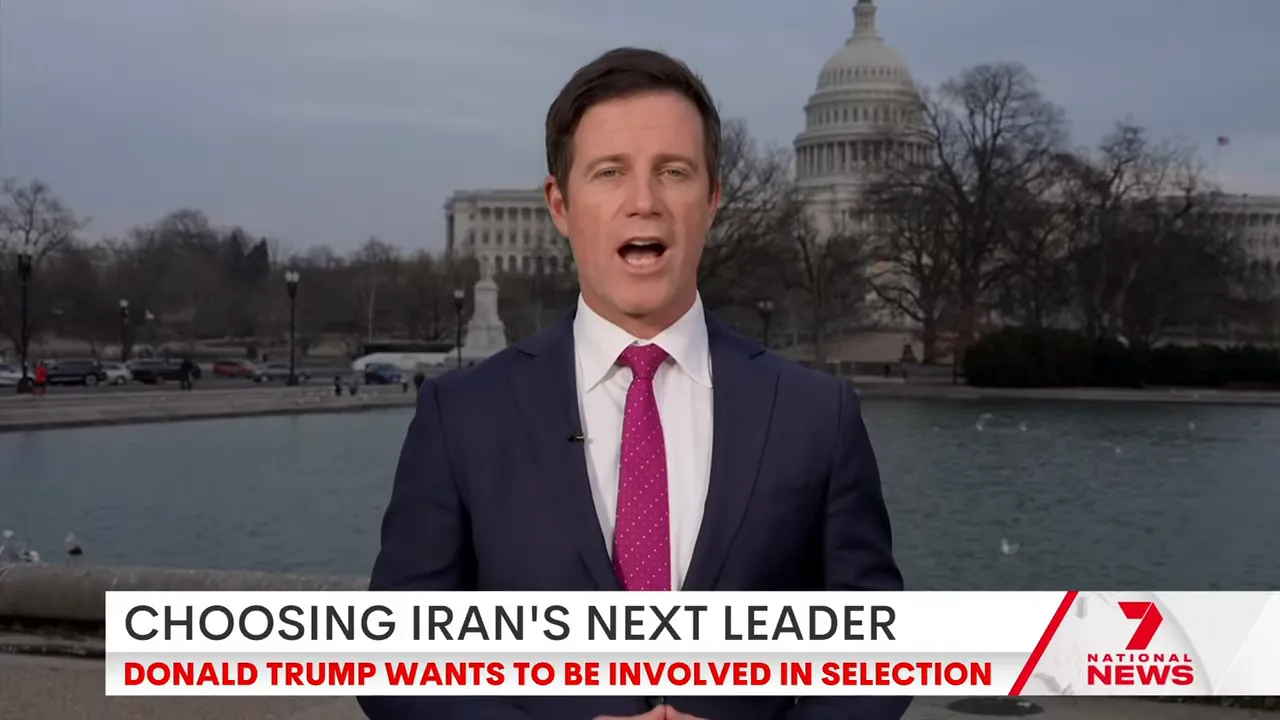
Trump seeks role in choosing Iran's next leader
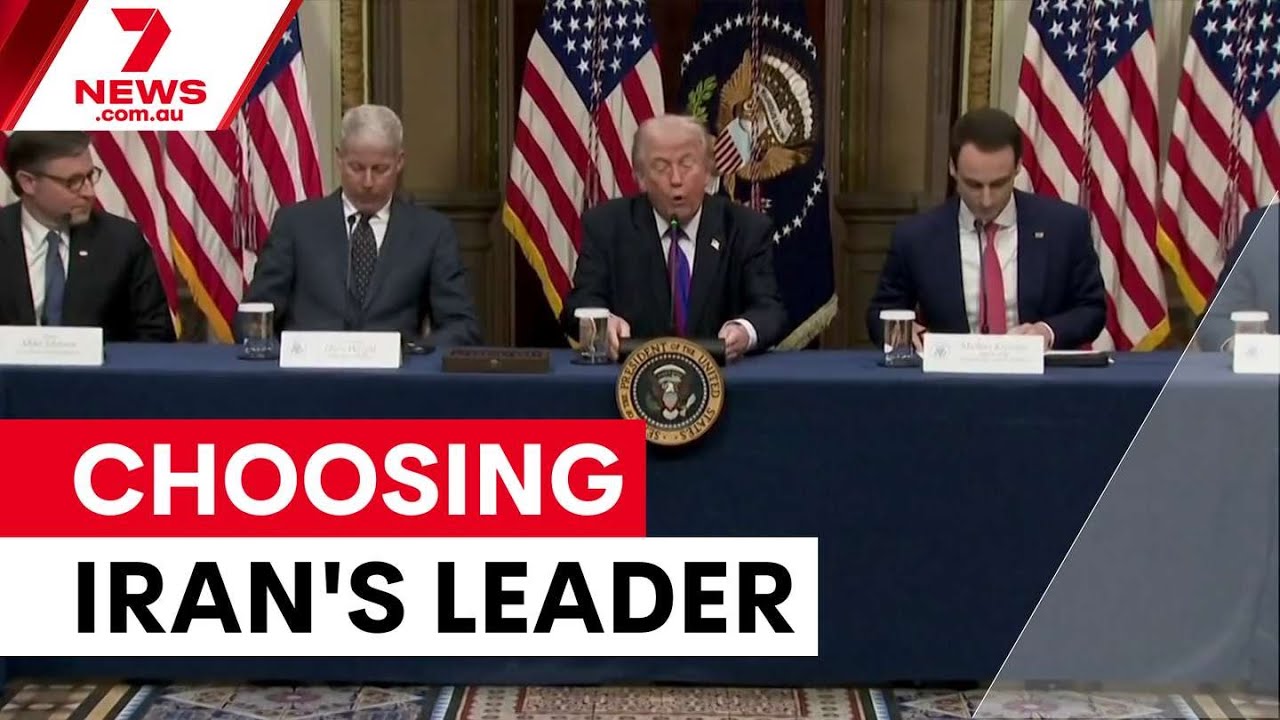
Table of Contents
- WASHINGTON, US — President says he wants a personal hand in Iran’s succession after recent strikes
- What was said, and where it was said
- How the White House framed past actions
- Who else weighed in
- Why this matters
- Immediate reactions and likely next steps
- Key takeaways
- FAQs
WASHINGTON, US — President says he wants a personal hand in Iran’s succession after recent strikes
Trump seeks role in choosing Iran's next leader, the president declared as he welcomed football champions to the White House, marking his most explicit comments to date on the country's succession. He rejected one leading candidate — identified by the administration as the son of the late supreme leader — calling him a "lightweight" and saying that choice would risk a return to conflict within five years.
The announcement came at a high-profile reception in Miami where sporting stars including Lionel Messi were present, while officials briefed on the battlefield situation in Iran. The president compared his approach to an intervention in Venezuela earlier this year, saying the United States would ensure Iran’s next leader would not threaten America or its neighbours.
What was said, and where it was said
The comments were made during a White House reception for Major League Soccer champions, a setting that juxtaposed sport with geopolitics. Mr Trump said he wants "a personal hand" in helping choose the country's next leader and explicitly named the son of the late supreme leader — described in the report as a front-runner — as unacceptable.
He argued that simply continuing the previous supreme leader's policies would lead to further confrontation with the United States within a few years. The president framed his intervention as part of a broader aim to secure a "better future for Iran" while protecting regional security.
How the White House framed past actions
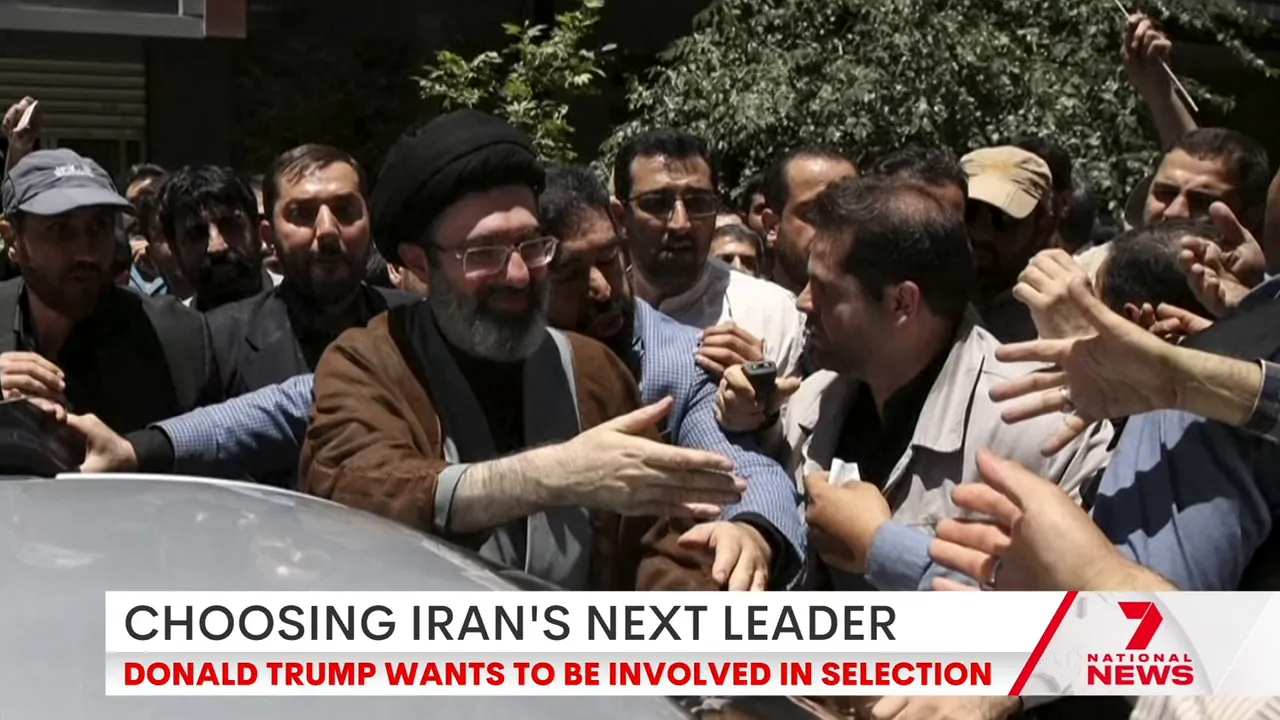
The president invoked a precedent in Venezuela, saying he had ordered the arrest and removal of Nicolas Maduro in January and installed his deputy, Delce Rodriguez, as replacement. He used that example to suggest the United States could play a decisive role in influence over leadership outcomes abroad.
That comparison underlines a more interventionist posture and raises immediate questions about international law, diplomatic norms, and the practical limits of external influence on a sovereign state's succession process.
Who else weighed in
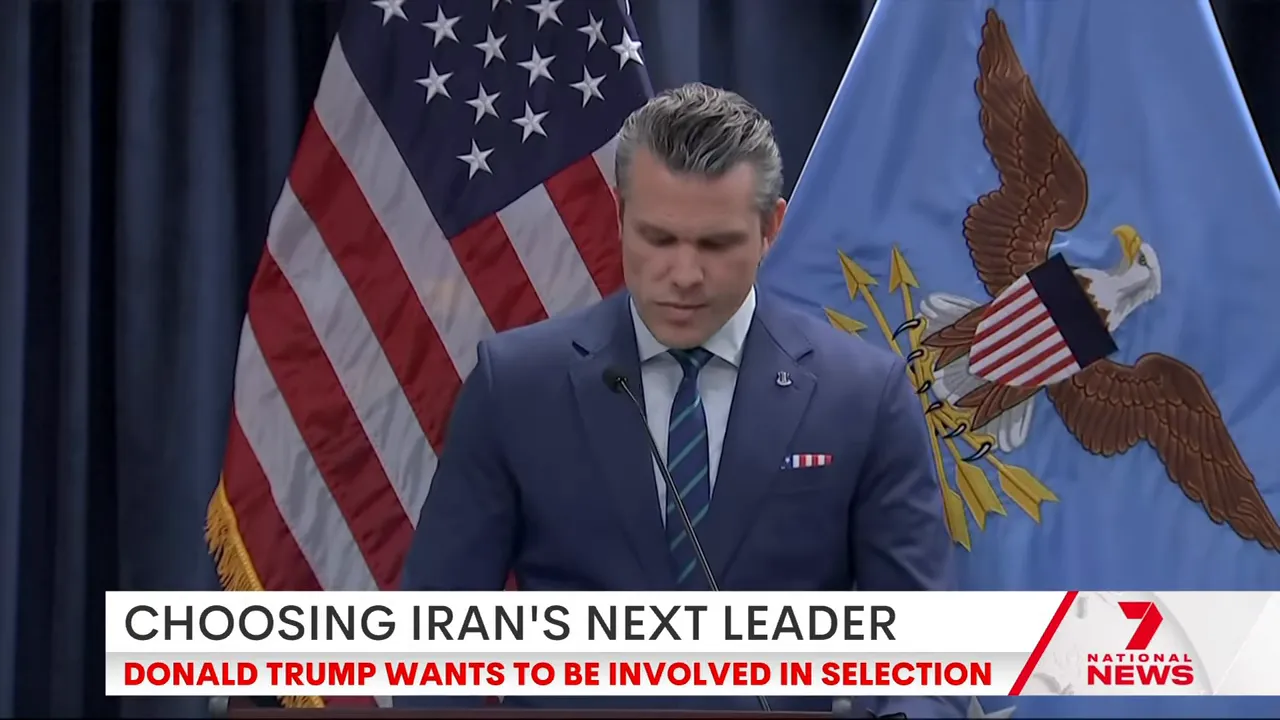
At the same time as the reception, a senior US official — named in the report as Pete Hegseth — provided an update on the battlefield situation in Iran. He warned that Tehran might be calculating the United States cannot sustain the current level of engagement; he described that as a miscalculation.
White House messaging combined domestic political theatre with strategic signalling to allies and adversaries in the region, emphasising that the next Iranian leader must not pose a threat to the US, Israel, or neighbouring states.
Why this matters
Succession in Iran has significant regional and global implications. Whoever emerges as supreme leader will shape Tehran’s foreign policy, nuclear posture, and relationships with proxy groups across the Middle East. Direct US involvement — or even a pledge to influence the outcome — risks heightening tensions, complicating diplomatic channels, and inviting reciprocal measures.
Analysts will be watching for how Washington seeks to exert influence: diplomatic pressure, sanctions, support for internal opposition, or more overt actions. Each path carries different legal and strategic consequences.
Immediate reactions and likely next steps
Domestic and international responses are likely to be swift. Allies will seek clarification on US intent and strategy, while opponents may use the statement to rally domestic support and paint external involvement as interference. The practical timeline for leadership transition in Iran, and who the other contenders are, will shape how events unfold.
In the short term, expect heightened diplomatic activity, intelligence monitoring, and public messaging from both sides as they test each other's resolve and capabilities.
Key takeaways
- The president publicly said he wants direct input into Iran’s succession process.
- He rejected a leading candidate — described as the son of the late supreme leader — calling him a "lightweight".
- Trump compared his intended role to a prior intervention in Venezuela earlier this year.
- US officials say Iran may be testing American resolve; the White House rejects the idea the US cannot sustain current pressure.
FAQs
What did the president actually say about choosing Iran's next leader?
The president said he wants to have a personal hand in selecting Iran's next supreme leader and rejected one leading candidate, arguing that a continuation of prior policies would risk renewed conflict with the United States.
When and where were these comments made?
The comments were made during a White House reception for Major League Soccer champions in Miami, where the president was hosting sporting guests while officials provided battlefield updates.
Did the White House reference any past examples of intervention?
Yes. The president likened his intended role to a recent intervention in Venezuela, saying he ordered the arrest and removal of Nicolas Maduro in January and had Delce Rodriguez installed.
What are the likely international implications?
Public US involvement in another country's succession can increase regional tensions, complicate diplomatic efforts, and prompt countermeasures. Allies will seek reassurances while opponents may harden their positions.
The information in this article has been adapted from mainstream news sources and video reports published on official channels. Watch the full video here Trump seeks role in choosing Iran's next leader | 7NEWS


