Iranian women's team sings anthem amid Gold Coast protests
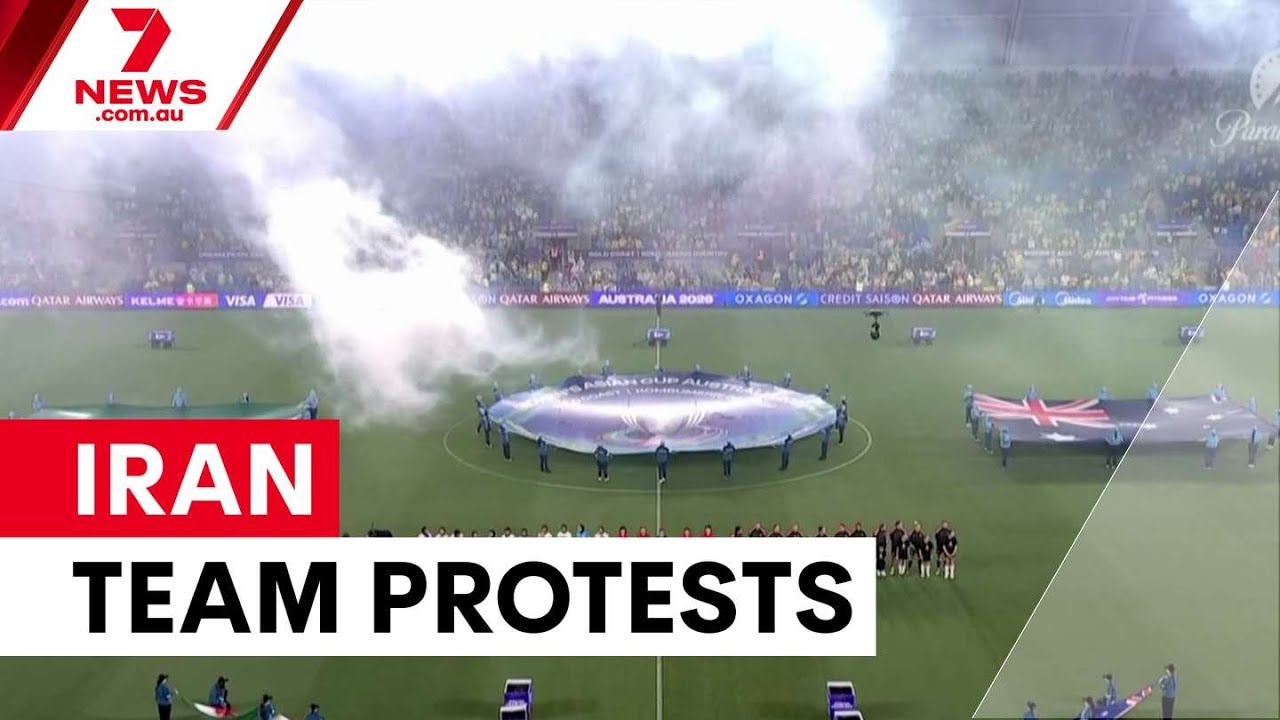
Table of Contents
- GOLD COAST, AUSTRALIA —
- What happened at Cbus Stadium
- Pressure for asylum and safety concerns
- Voices from the crowd and experts
- What it means for sport and diplomacy
- Key takeaways
- FAQs
GOLD COAST, AUSTRALIA —
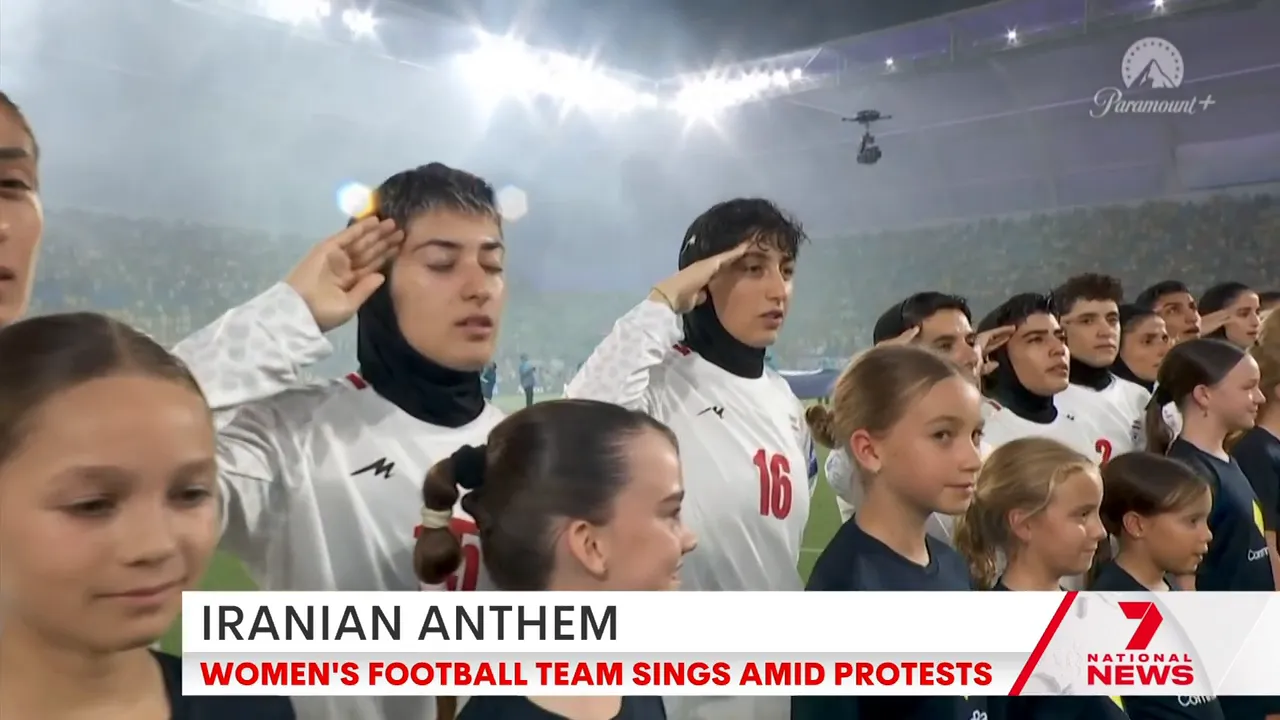
The Iranian women's team sings anthem amid Gold Coast protests before their Asian Cup match against the Matildas, reversing a silent stance taken in their opening game. The players stood, saluted and sang the national anthem at Cbus Stadium, a moment that drew both support and renewed scrutiny from demonstrators and commentators.
What happened at Cbus Stadium
The match drew attention well before kickoff. Around 100 protesters gathered outside the stadium protesting Iran's actions abroad and arguing the players are being used by the regime. Inside, the team’s decision to sing the anthem marked a clear change from their previous silence at the tournament's opening game.
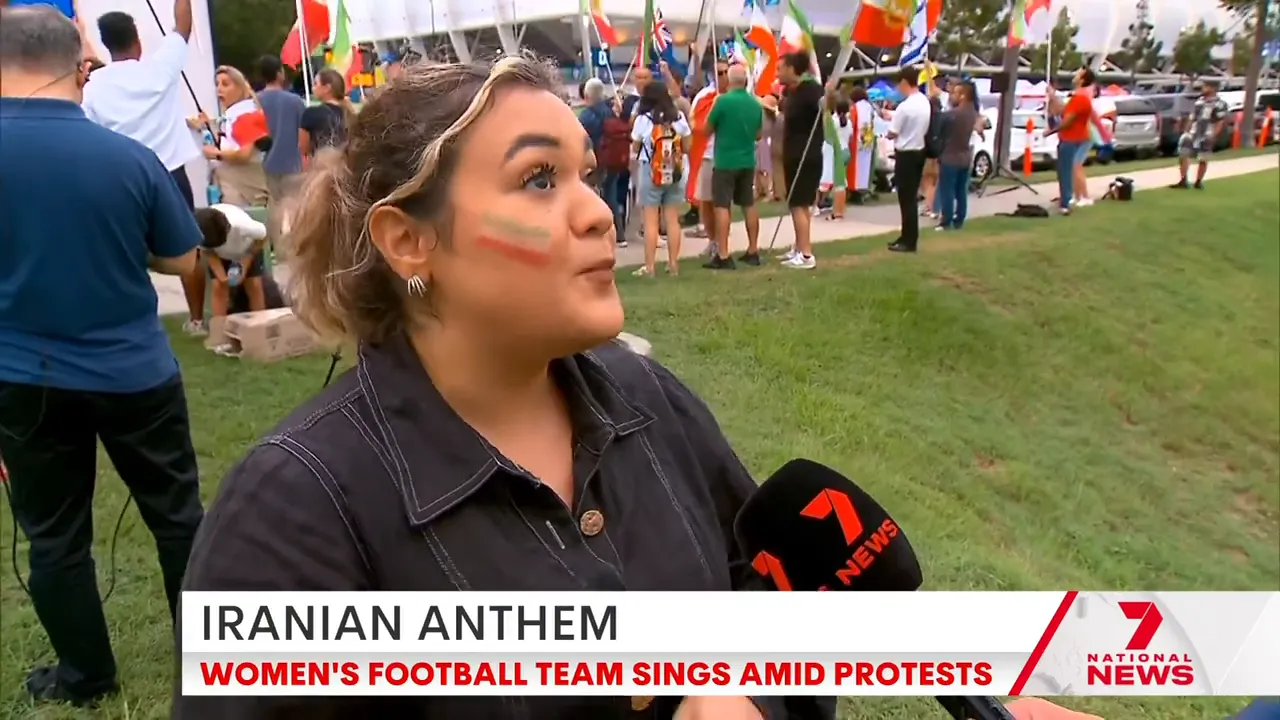
Protesters outside described the players as “hostages to the Iranian regime,” and tensions around the squad’s public gestures have grown as political and human-rights concerns follow the team on the international stage. The crowd’s presence underlined how international sport can become a focal point for broader geopolitical disputes.
Pressure for asylum and safety concerns
Calls have emerged for the Australian government to consider asylum options for members of the squad. Independent Iranian journalist and political analyst Ali Bornaei warned that players could face arbitrary detention or worse if they return home, heightening the urgency of diplomatic and humanitarian discussions.
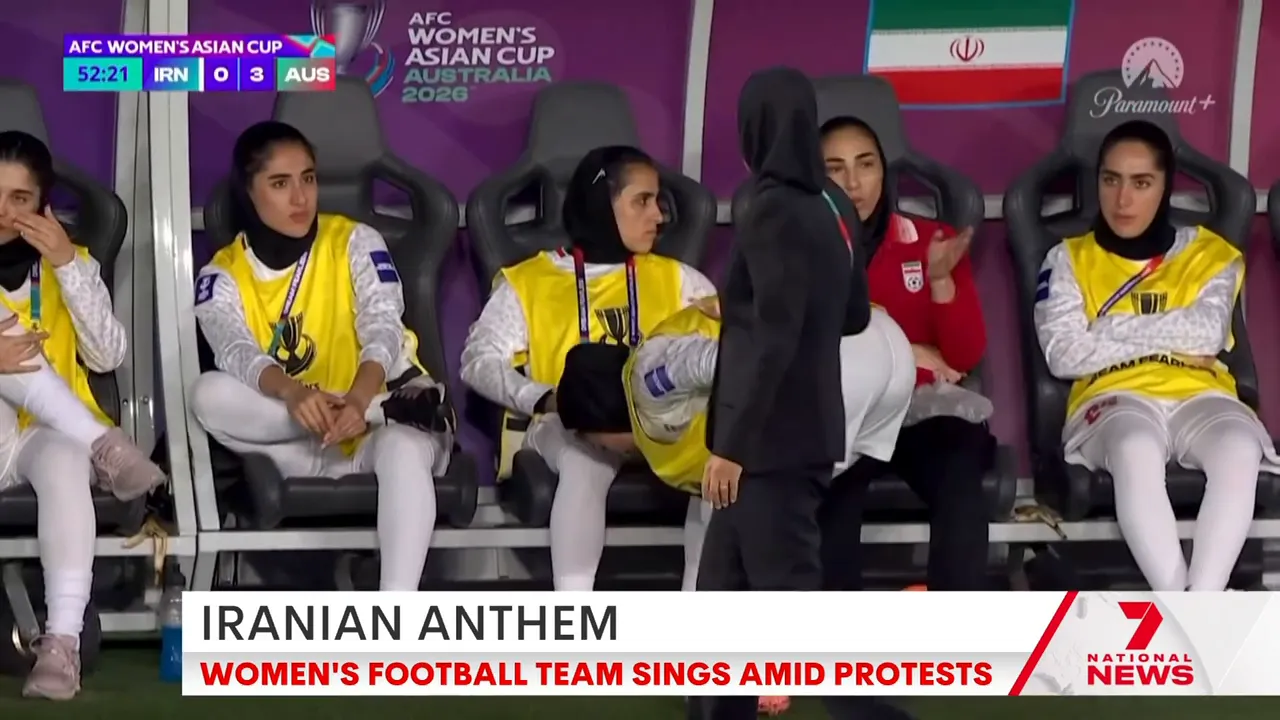
Those urging asylum say the players are vulnerable because of their visibility and the political context in Iran. Opponents of intervention, however, caution that decisions must balance immigration law, international obligations and the players’ own wishes.
Voices from the crowd and experts
“Our girls who have been here against oppression, they have been even oppressed here.”
The quote from demonstrators captures the complex emotions at the stadium: solidarity for the struggle against oppression, frustration at perceived constraints on expression, and concern for the athletes’ safety. Analysts point out that athletes from politically sensitive nations often become symbols in contests far beyond sport.
What it means for sport and diplomacy
Sporting events frequently intersect with politics; this match is a reminder that national teams can prompt diplomatic questions as well as passionate local responses. Host nations, tournament organisers and football federations face difficult choices when athletes’ welfare, public sentiment and international relations collide.
- Scene: The incident occurred at Cbus Stadium on the Gold Coast during the Asian Cup match against Australia’s Matildas.
- Protest size: About 100 demonstrators outside the venue.
- Policy pressure: Calls for asylum and safety assessments for the players have intensified.
- Expert warning: Independent analysts warn of possible detention or worse if players return to Iran.
Key takeaways
- The team’s decision to sing the national anthem represented a notable reversal of their earlier silence.
- Public protests outside the stadium highlighted broader political concerns linked to Iran.
- Human-rights and immigration implications are prompting calls for government action.
- Sporting events can rapidly become stages for international debate and humanitarian questions.
FAQs
Why did the Iranian team sing the national anthem at the Gold Coast match?
The team reversed an earlier decision to remain silent and instead saluted and sang the national anthem before their match against the Matildas. The change drew mixed reactions from spectators and protesters, reflecting broader political tensions surrounding the squad.
Were there protests at the stadium?
Yes. Around 100 demonstrators gathered outside Cbus Stadium on the Gold Coast, expressing concerns that the players are being used by the Iranian regime and calling attention to human-rights issues.
Is Australia considering asylum for the players?
There is public and political pressure for the Australian government to consider asylum for members of the team. Officials have been urged to assess the players’ safety, though any decisions involve legal and diplomatic considerations.
What risks do experts say the players face if they return to Iran?
Independent analysts, including Iranian journalists, have warned the players could face arbitrary detention and even execution if they return, given the current political climate and the heightened visibility of the squad.
The information in this article has been adapted from mainstream news sources and video reports published on official channels. Watch the full video here Iranian women's team sings anthem amid protests | 7NEWS


