Stranded Australians Arrive Home from Dubai War Zone
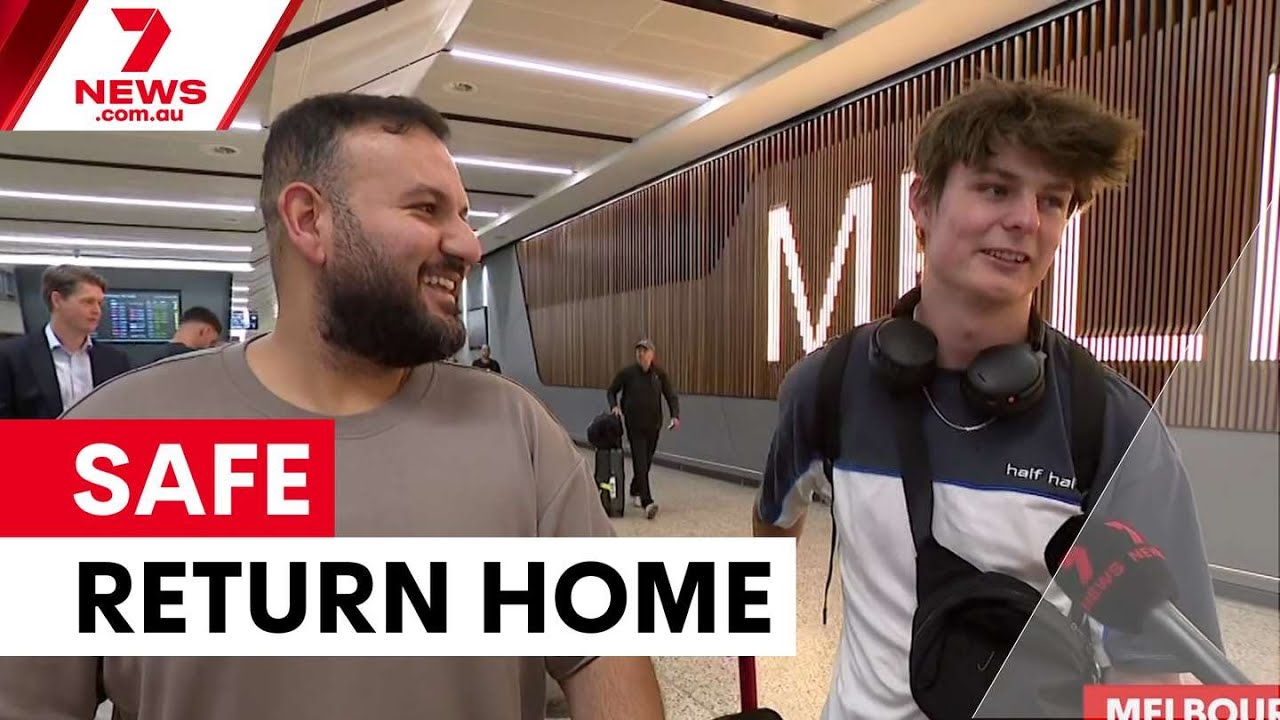
Table of Contents
- Repatriation flight lands in Melbourne as regional conflict disrupts travel
- What passengers experienced
- Why flights were cancelled
- Practical advice for travellers
- Government and consular support
- Key takeaways
- Frequently asked questions
Repatriation flight lands in Melbourne as regional conflict disrupts travel
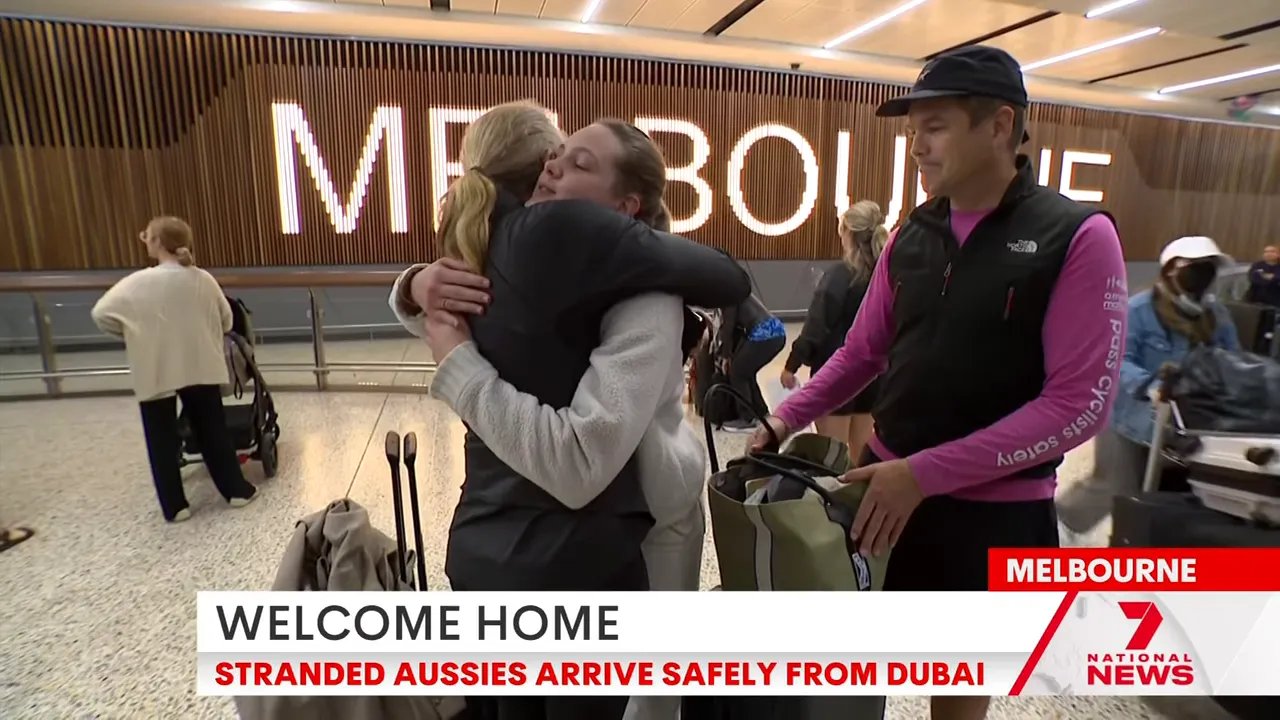
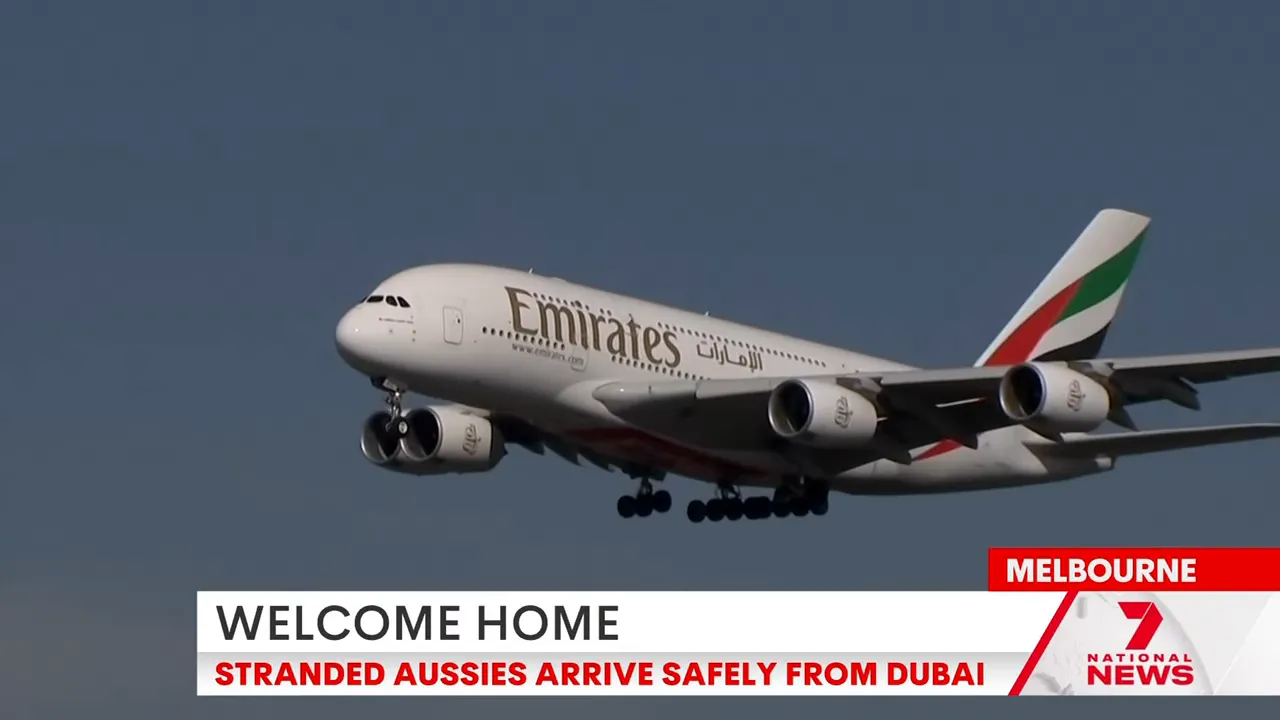
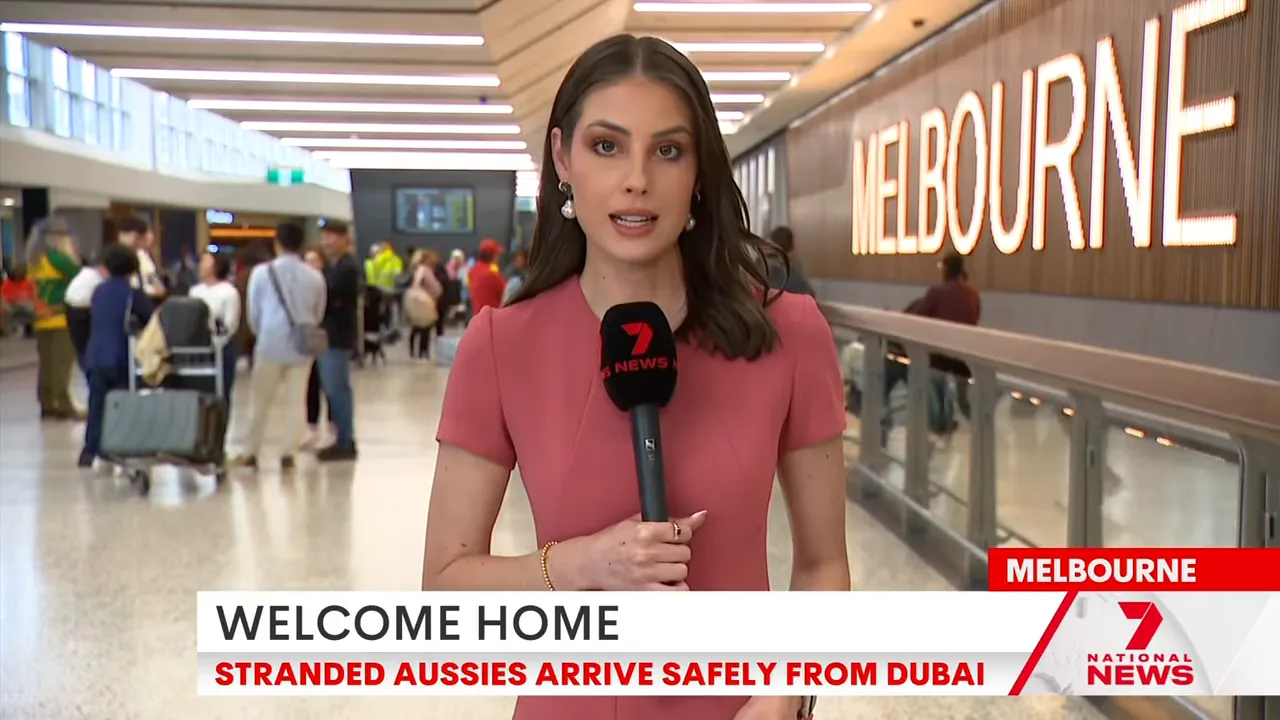
Stranded Australians began to return home today as a repatriation flight from Dubai touched down at Melbourne’s Tullamarine Airport. The Emirates service carried more than 290 passengers, many of whom had endured cancelled flights and days of uncertainty before finally being reunited with family.
The flight landed just after six in the morning, bringing relief to travellers who had been unable to leave the region after fresh attacks in the United Arab Emirates and wider instability linked to the war around Iran. For many, the journey home offered an emotional end to a fraught period.
Passengers described chaotic conditions on the ground, with airspace closures causing widespread cancellations and leaving more than 100,000 Australians still stranded across the Middle East. Federal agencies, including DFAT, and airlines are coordinating a major repatriation effort to get people home as quickly and safely as possible.
What passengers experienced
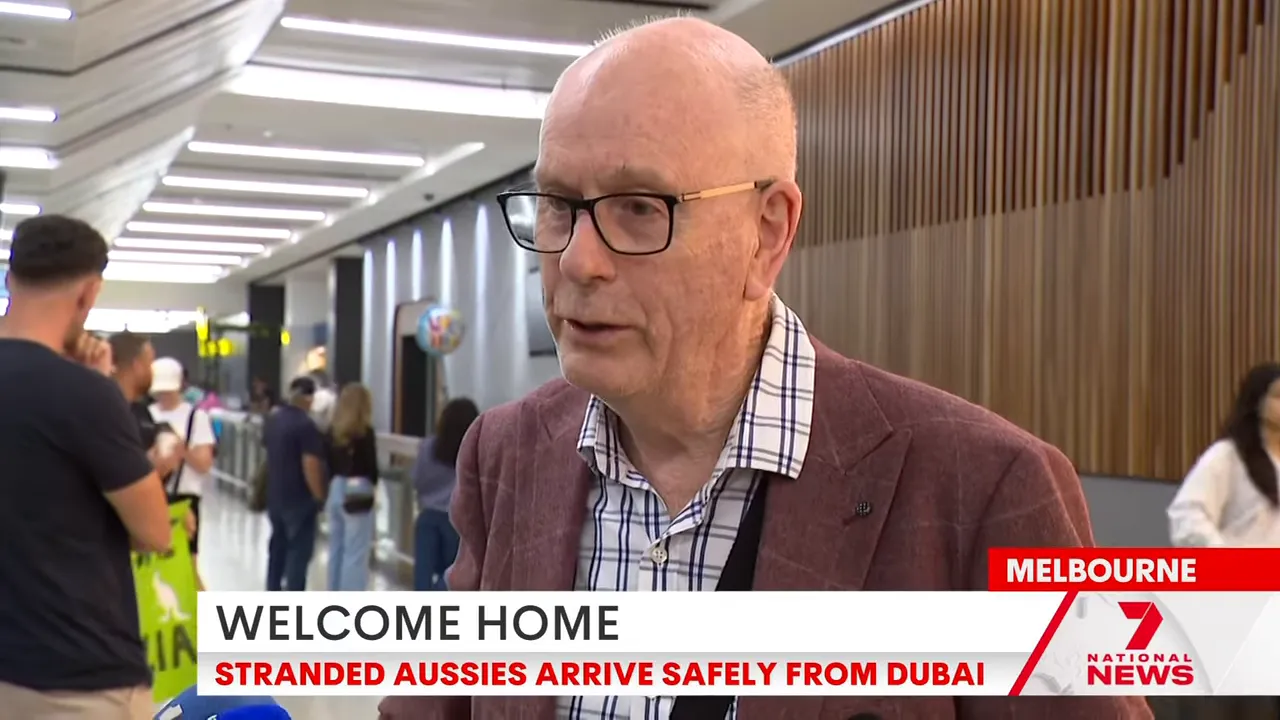
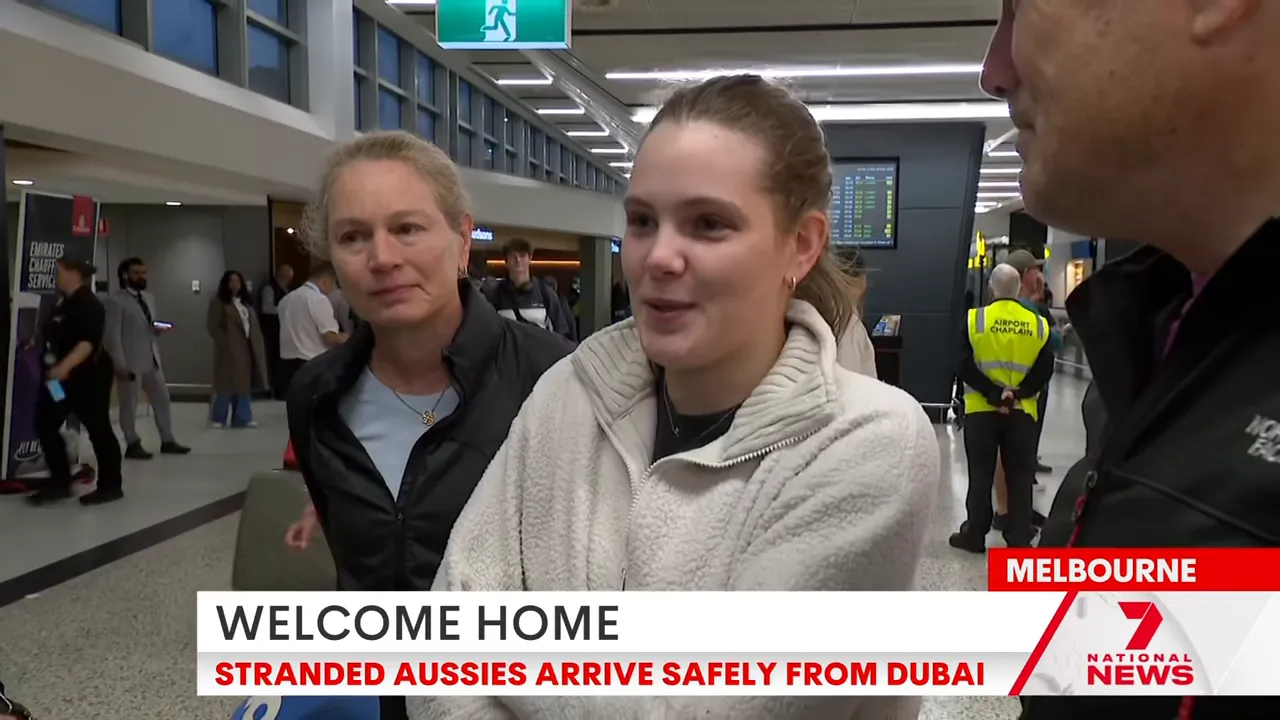
Those on the flight said some airlines and local authorities provided good support, while others found assistance lacking. One passenger praised Emirati staff but criticised Australian consular services for being difficult to contact during the crisis.
"The Emirate looked after us extremely well, they're fantastic. The Australian consulate embassy staff were useless, could not be contacted."
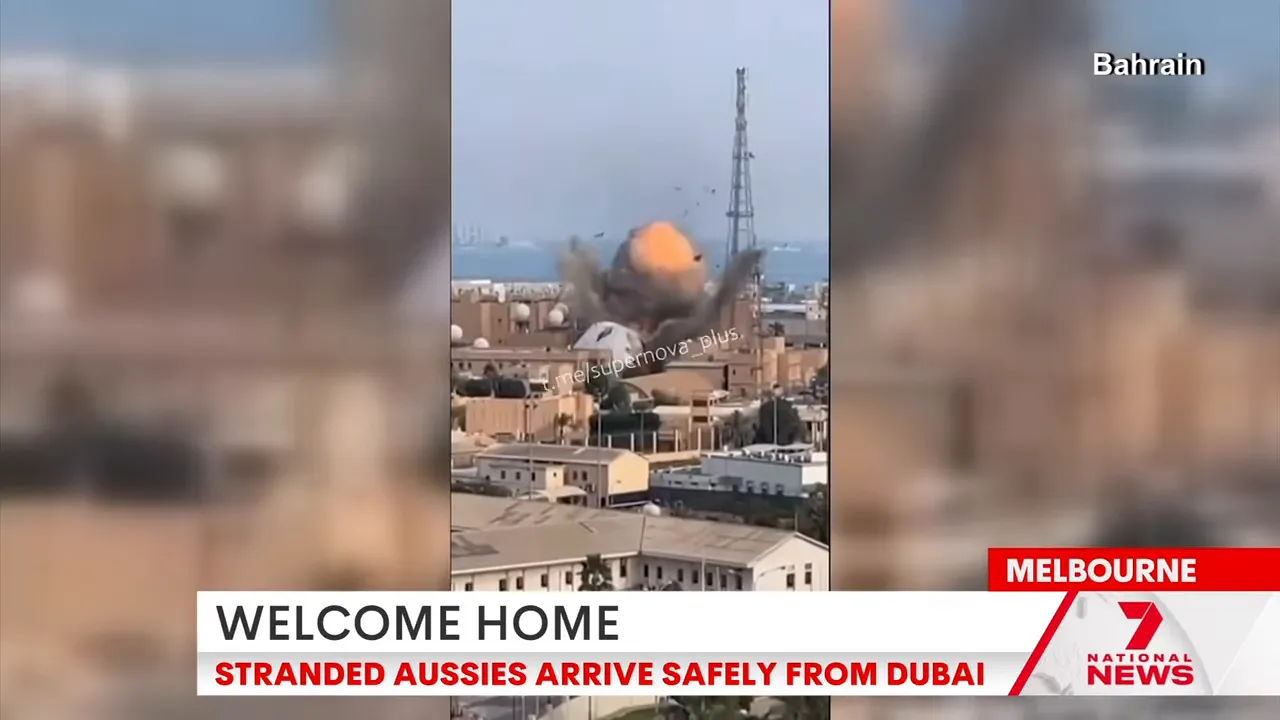
Several travellers recounted nights shaken awake by explosions and missiles. One passenger said they could see missiles from their apartment — an experience they described as “quite terrifying.” Many families decided to leave Dubai temporarily and stay with relatives in Australia until the situation stabilises.
Why flights were cancelled
The regional military conflict has led to widespread airspace closures, disrupting international routes and forcing airlines to cancel or divert services. That ripple effect has left thousands of Australians stranded and grounded travel plans across the region.
Practical advice for travellers
If you have travel plans to the Middle East or are currently in the region, official advice is simple and immediate: speak with your airline first and check the latest travel advice before departing. Airlines hold the most up-to-date information about schedules and rerouting.
- Contact your airline as your first point of information and assistance.
- Register with DFAT’s Smartraveller service for alerts and consular help.
- Keep travel documents and emergency contacts to hand.
- Have contingency plans for accommodation and onward travel if flights are cancelled.
Government and consular support
The federal government and DFAT have been organising repatriation flights and support services, but the scale of the disruption—more than 100,000 Australians affected—has stretched resources. Passengers and advocacy groups have urged clearer communication and faster access to consular assistance.
Key takeaways
- The repatriation flight from Dubai landed at Melbourne’s Tullamarine carrying over 290 passengers.
- Airspace closures across the region have caused major travel disruption and cancellations.
- More than 100,000 Australians remain stranded in the Middle East and surrounding areas.
- Speak with your airline and check Smartraveller and official travel advice before travelling.
Frequently asked questions
Who is affected by these repatriation flights?
Australian citizens and residents who were in the UAE and neighbouring regions when airspace closures and conflict led to cancelled flights. Many are tourists, temporary residents or people visiting family.
How many Australians remain stranded?
Reports indicate more than 100,000 Australians remain in the Middle East and surrounding areas, with governments and airlines working to organise large-scale repatriation.
What should I do if my flight is cancelled?
Contact your airline first for rebooking or repatriation options, register with DFAT’s Smartraveller for updates, and follow official travel advice. Keep documentation and emergency contacts accessible.
Is it safe to travel to the region now?
Safety depends on local conditions. Check the latest travel advice from Smartraveller and consult your airline. If official advice is to avoid travel, postpone non-essential trips until the situation stabilises.
How is the government responding?
The federal government and DFAT are coordinating repatriation flights and consular support, though the scale of disruption has created logistical challenges. Authorities advise Australians to monitor official channels for updates.
The information in this article has been adapted from mainstream news sources and video reports published on official channels. Watch the full video here Stranded Australians arrive home from Dubai war zone | 7NEWS


