Ali Khamenei's death: Impact on Iranians
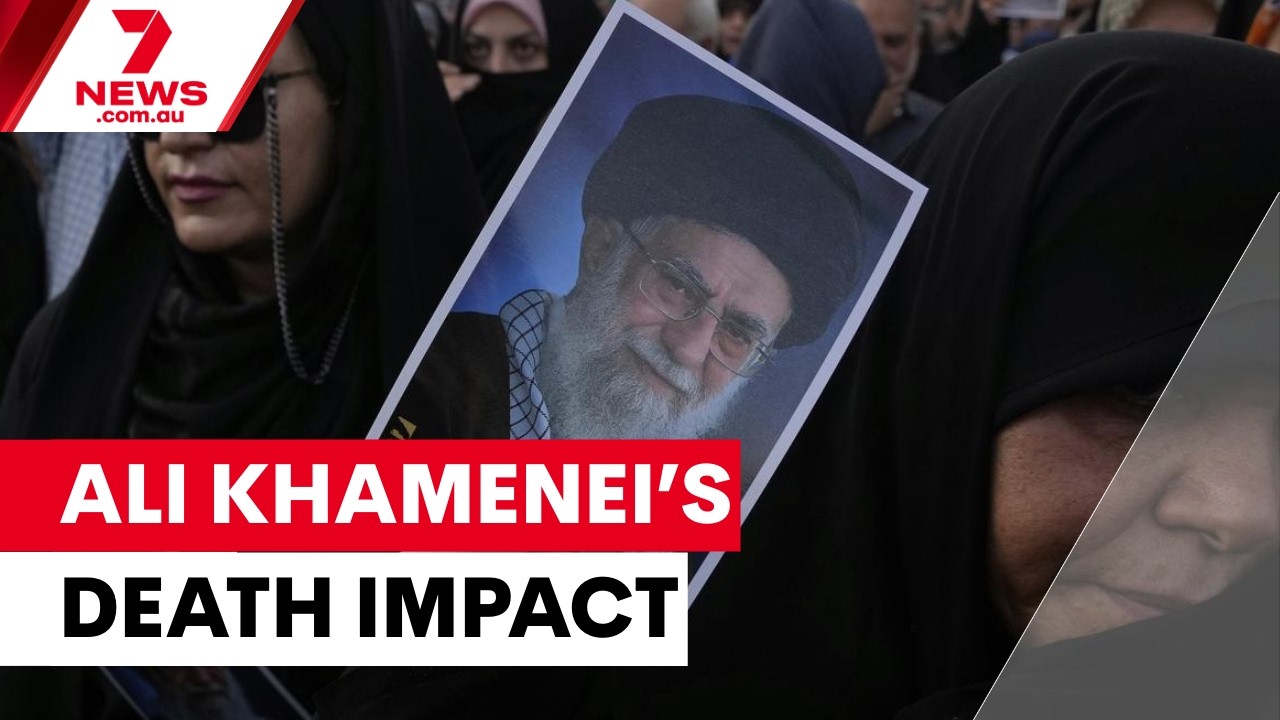
Table of Contents
- What happened, who reacted and what it could mean for Iran's future
- Why reactions varied so widely
- How succession planning shaped expectations
- What outside actors want — and the limits of military pressure
- Human cost and the immediate toll
- What happens next
- Key takeaways
- Frequently asked questions
- Further reading and context
What happened, who reacted and what it could mean for Iran's future
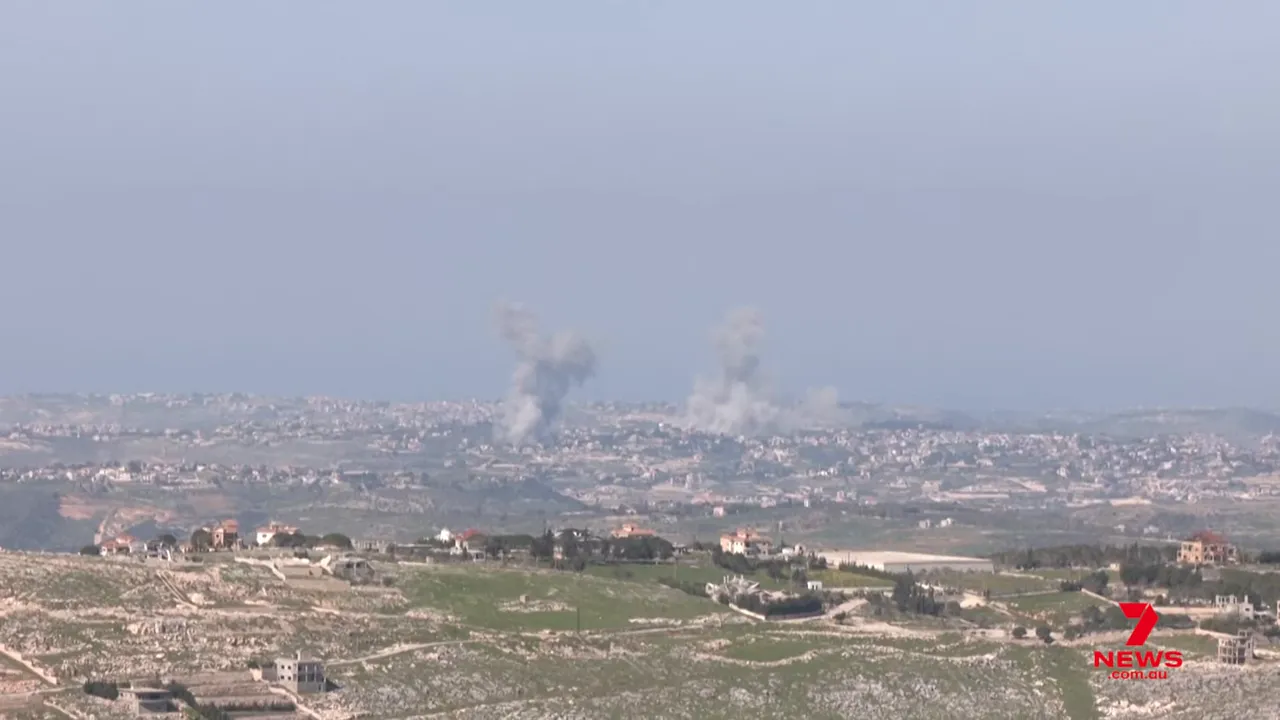
TEHRAN — Ali Khamenei's death inside his Tehran compound after the first barrage of airstrikes labelled Operation Evident Fury has left the country deeply divided. Some Iranians celebrated the end of a 36‑year rule while others mourned, reflecting decades of political, social and economic strain that shape public sentiment today.
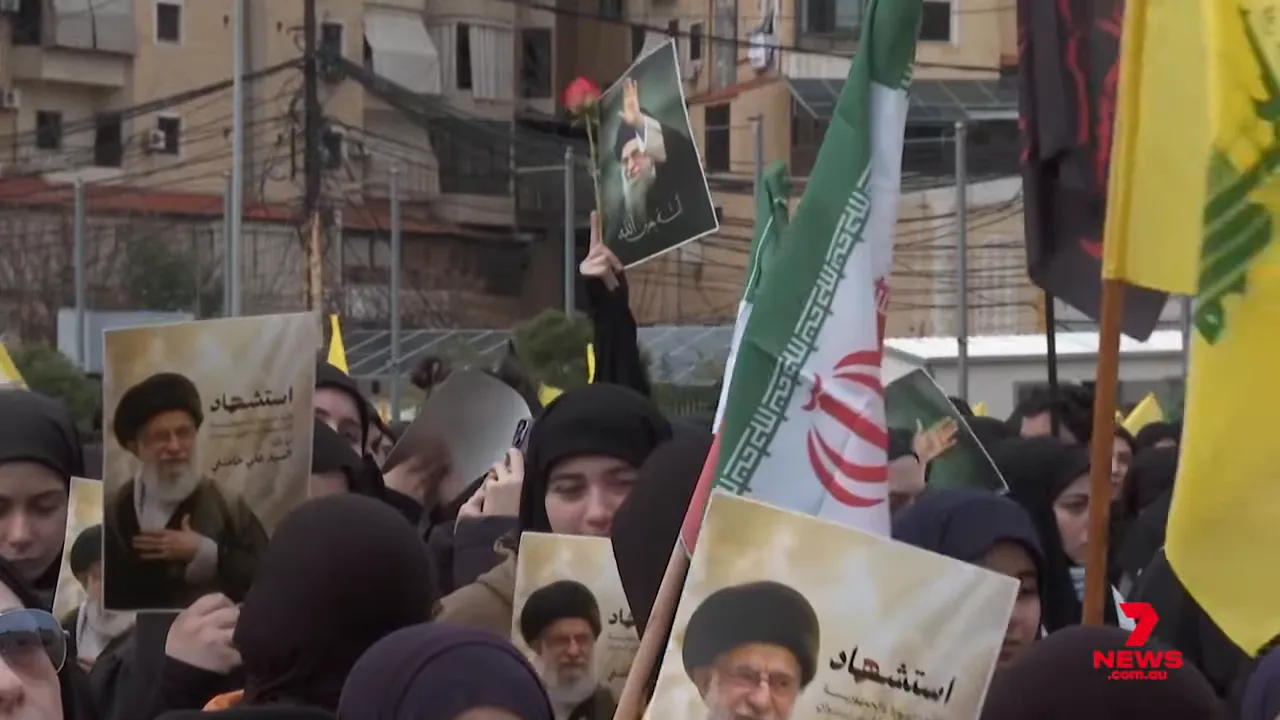
The strikes, carried out by Israel and the US, killed the Supreme Leader and triggered an immediate surge of emotion across Iran. Public reaction ranged from relief among those demanding democratic, secular reform to grief among veterans and supporters of the 1979 Islamic Revolution. Those responses reveal competing visions of Iran’s future and underscore how brittle public opinion is under an authoritarian system.
Why reactions varied so widely
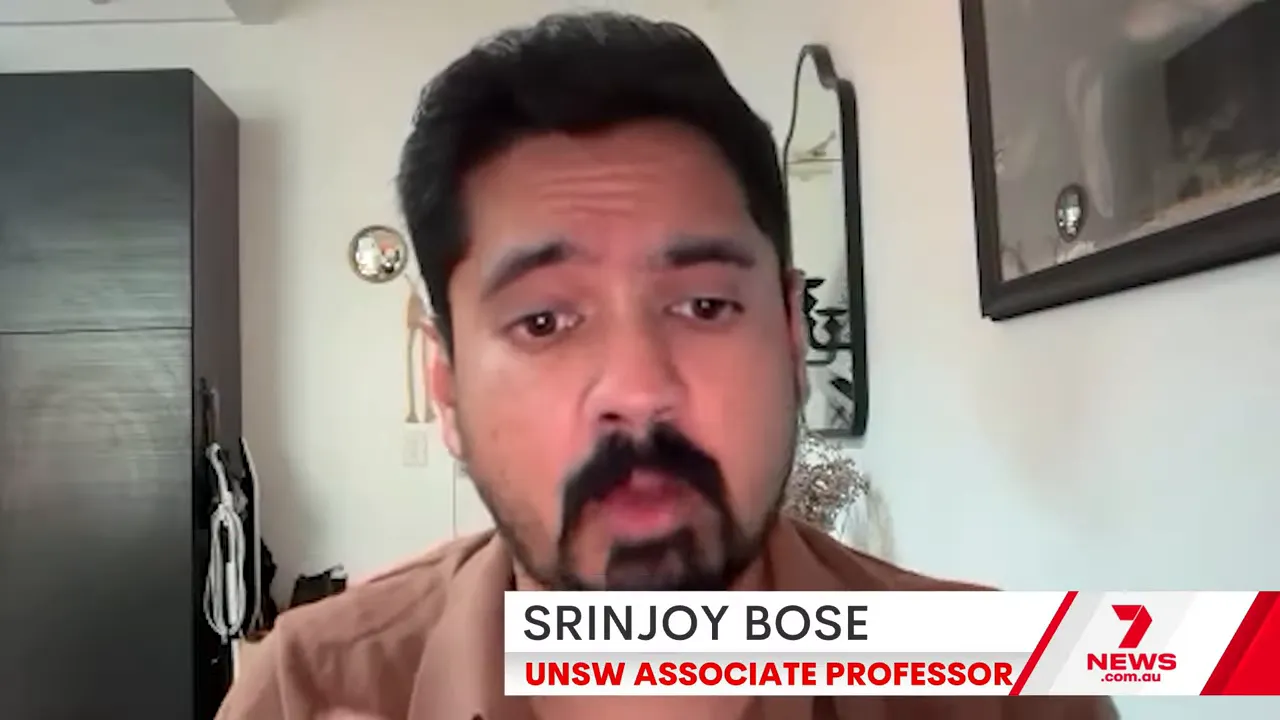
Associate Professor Shinroi Bose explained that long‑standing economic hardship, social repression and political frustration have left many Iranians exhausted and eager for change. For those people, Khamenei’s death represented a possible opening to rebuild institutions on more democratic and secular lines.
Conversely, sizeable groups remain committed to the theocratic order. Many who fought in or championed the 1979 Revolution still believe in its ideals and see the current system as legitimate. In an environment where public polling is risky and freedom of expression restricted, it is difficult to quantify how many fall into each camp.
How succession planning shaped expectations
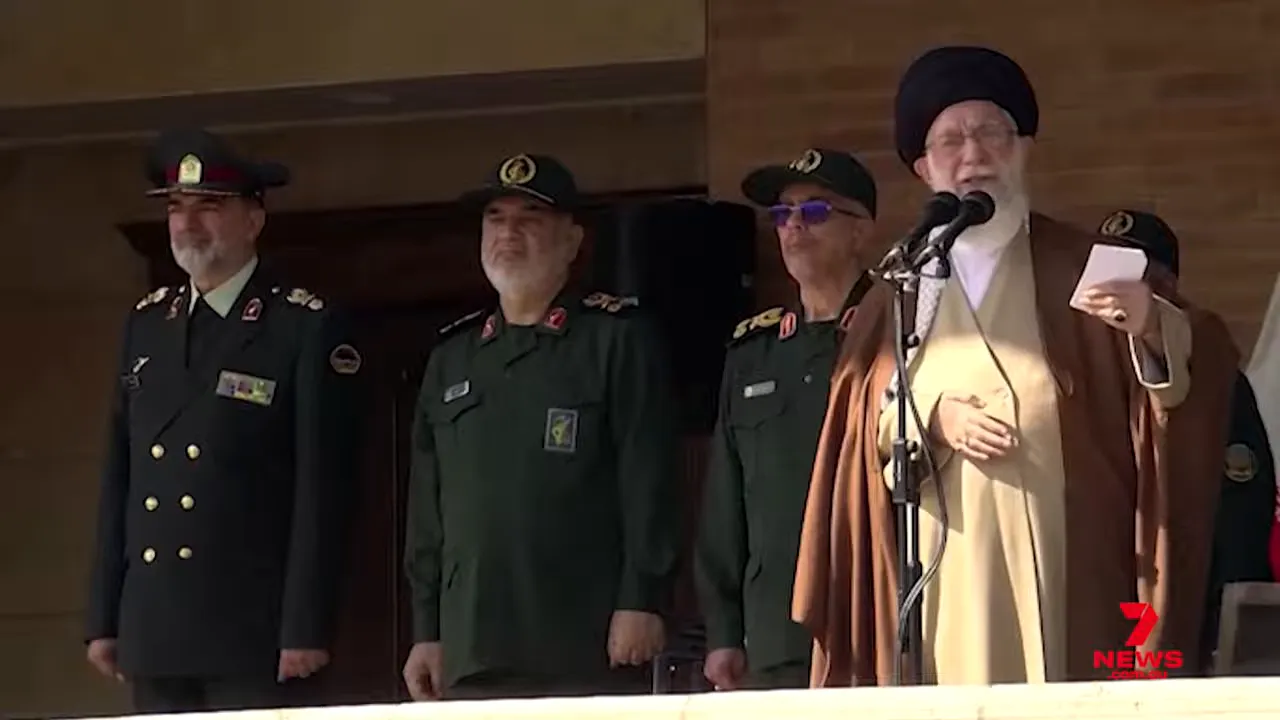
Reports indicate Khamenei had been preparing for succession to preserve command and control and to limit chaos. Succession planning was intended to preserve governance and provide a measure of stability, but past regional examples warn that sudden regime change rarely produces orderly outcomes.
Observers point to Iraq and Afghanistan as cautionary tales: external attempts to force regime change often produce prolonged instability rather than the rapid, orderly transition their proponents expect.
What outside actors want — and the limits of military pressure
The United States and Israel signalled they sought to degrade Iran’s capacity to threaten their interests and appeared to favour political change. Yet there is little public indication either government has a clear, viable plan for what should replace Iran’s theocratic system.
As Bose noted, bombing campaigns and targeted killings may weaken military capabilities in the short term, but they do not constitute a realistic, legal or reliable strategy to construct a stable political alternative. The assumption that heavy military pressure will collapse a regime and produce a favourable new order is historically fraught.
Human cost and the immediate toll
The conflict has already exacted a heavy toll. Nearly 800 people were reported killed across Iran, and US fatalities rose to six. Political leaders warned the conflict could continue for weeks, escalating uncertainty inside and beyond Iran’s borders.
What happens next
- Short term: Authorities will push to demonstrate continuity of governance and security to prevent fragmentation.
- Political space: Repression is likely to intensify as the state seeks to control public narrative and prevent mass mobilisation.
- Regional implications: Neighbouring states and global powers will reassess security postures; risks of wider escalation remain.
- Long term: Meaningful change depends on domestic political dynamics, not solely on external military pressure.
Key takeaways
- Ali Khamenei's death exposed deep divisions in Iranian society between those who want systemic reform and those who support the theocratic order.
- Succession planning was in place, but a stable transition is not guaranteed and could inflame domestic tensions.
- External actors may seek regime change, but historical precedents show such outcomes are uncertain and often counterproductive.
- Immediate priorities will centre on restoring stability, managing public reaction, and preventing regional escalation.
Frequently asked questions
Why were some Iranians celebrating and others mourning?
Reactions reflected long‑term grievances and loyalties. Those celebrating hoped Khamenei’s death could open a path to democratic, secular reforms. Those mourning included veterans and supporters of the 1979 Islamic Revolution who remain committed to the theocratic system.
Was the attack local or international?
The strike that killed Khamenei was part of a barrage of airstrikes launched by Israel and the United States, described publicly as Operation Evident Fury.
Did Khamenei prepare for succession?
Yes. There are indications he had engaged in succession planning designed to maintain command and control and to give the country a measure of continuity and stability.
Will external bombing force regime change?
History suggests it is unlikely. While military strikes can weaken capabilities, producing a stable political transition through force alone has repeatedly failed in the region.
How many people have been killed so far?
Reports indicated almost 800 people had been killed across Iran, and US deaths had risen to six at the time of reporting.
Further reading and context
Understanding Iran’s trajectory requires attention to domestic economic pressures, generational shifts in political attitudes, and the longstanding influence of revolutionary institutions. Analysts caution that external actors should prioritise strategies that support peaceful, internally driven political evolution rather than relying on military solutions.
The information in this article has been adapted from mainstream news sources and video reports published on official channels. Watch the full video here Ali Khamenei's death impact on Iranians | 7NEWS


