Table of Contents
- Family finds closure as German records reveal WWI pilot's unmarked grave in France
- How the discovery happened
- Wider significance
- What happens next?
- Key takeaways
- FAQs
Family finds closure as German records reveal WWI pilot's unmarked grave in France
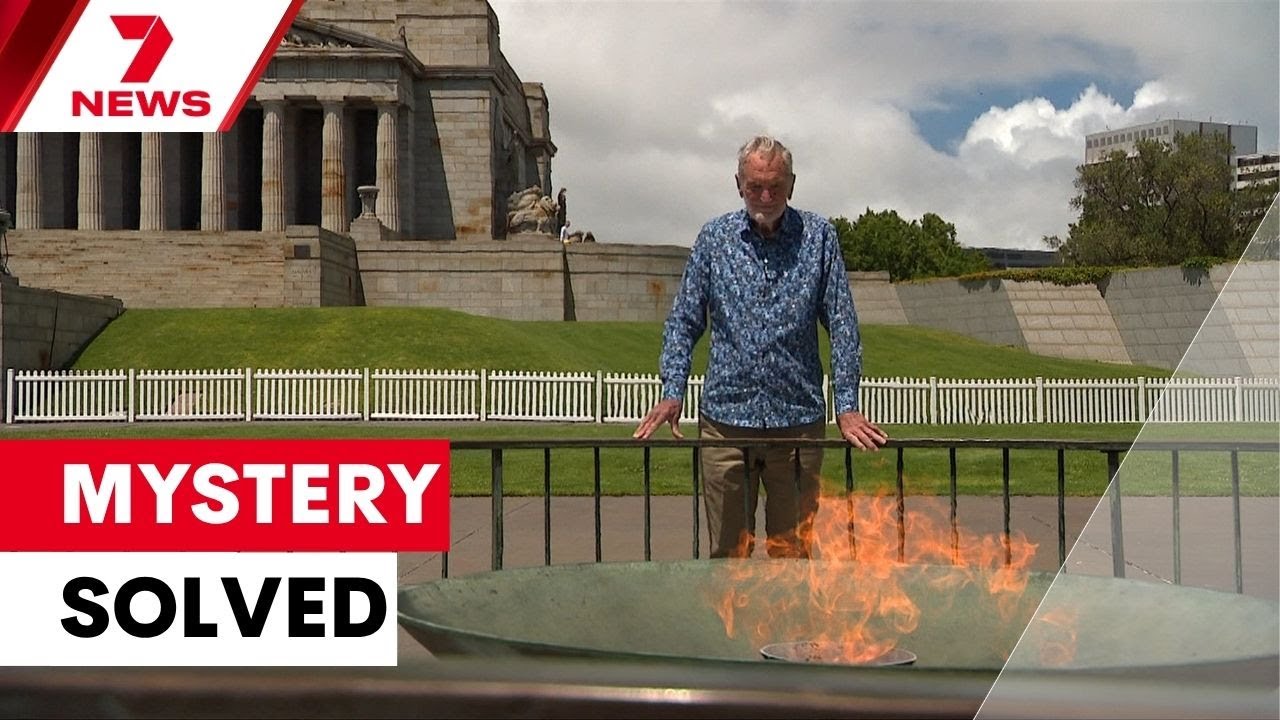
VICTORIA, AUSTRALIA — The Martin family has finally had an answer they waited 107 years for after an Aussie digger's resting place re-discovered in a rural French cemetery. The grave of their relative, Charles, a First World War fighter pilot shot down in 1918, was identified after researchers matched German wartime records to a previously unmarked burial.
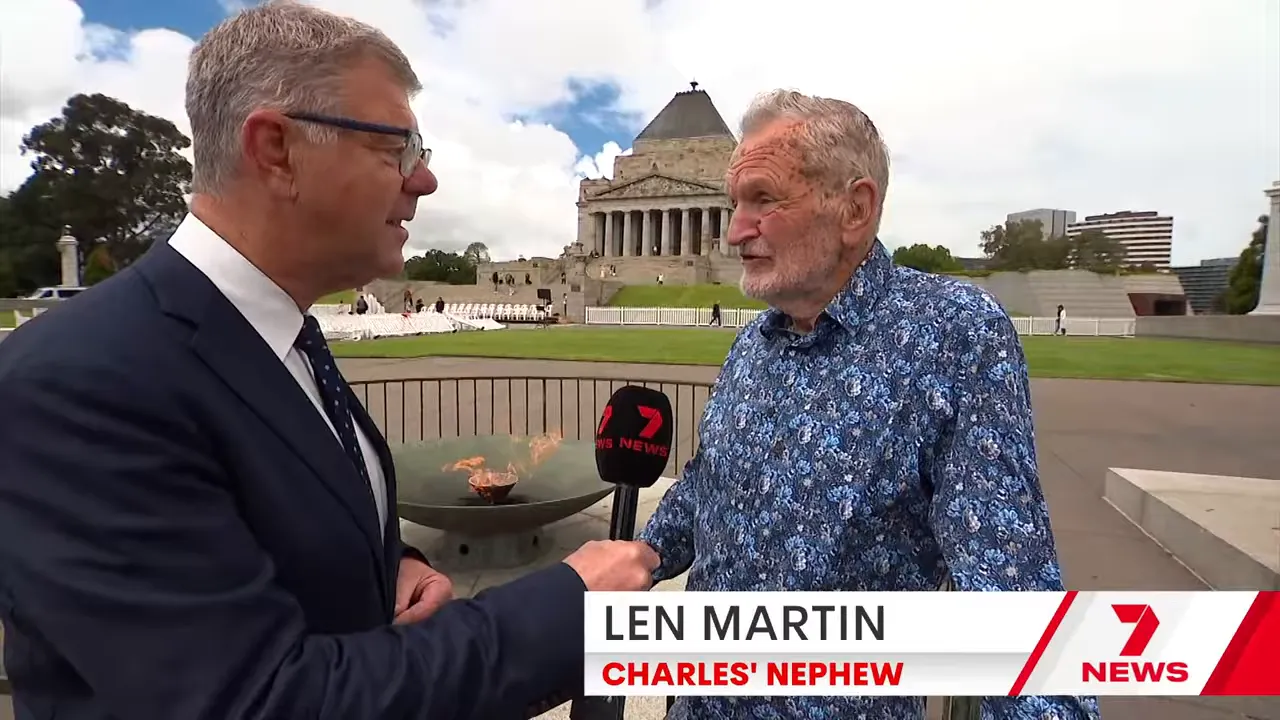
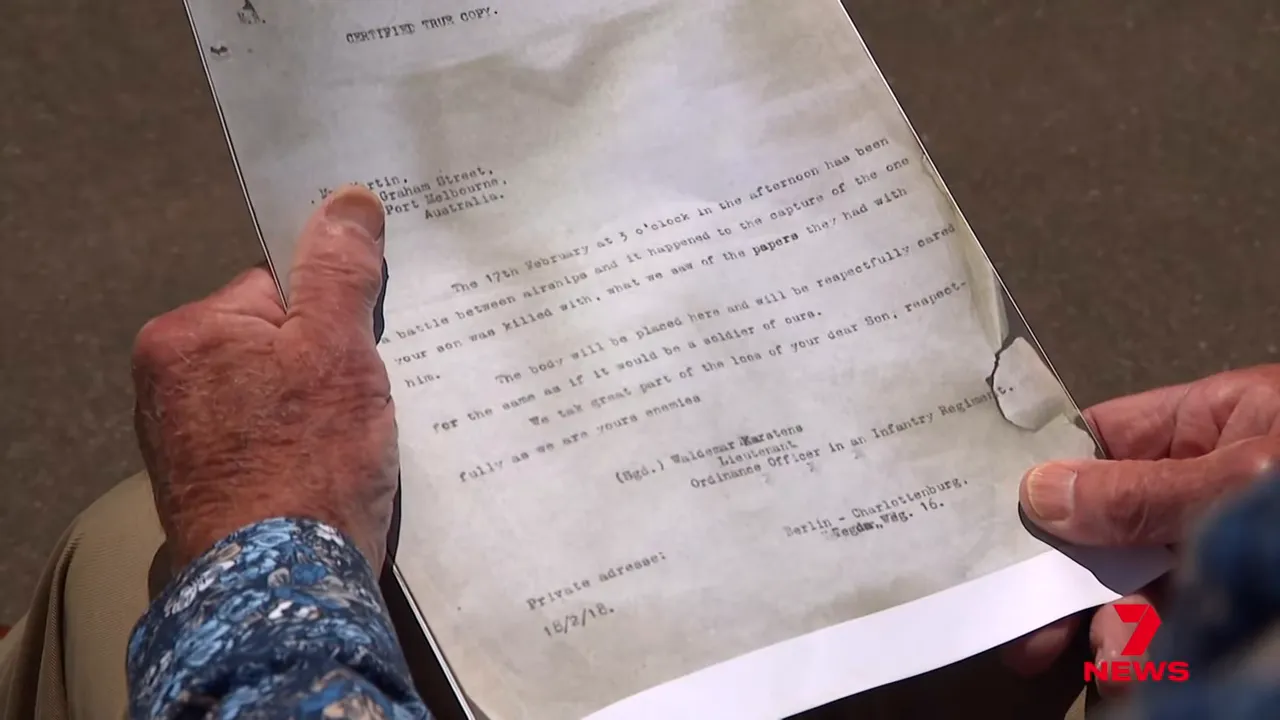
Len Martin, who has been searching for any trace of his uncle, described the moment as “really sort of relieved and happy” after decades of uncertainty. The discovery follows eyewitness German accounts that described Charles’s aircraft breaking up in mid-air before crashing, and a formal letter to his parents advising they had respectfully buried him.
The identification came after detailed examination of German records showing an unmarked grave in a small French country cemetery. For Charles’s mourning family, the letter from a German officer that read “In the loss of your dear son” offered sympathy but no location — until modern research bridged that gap.
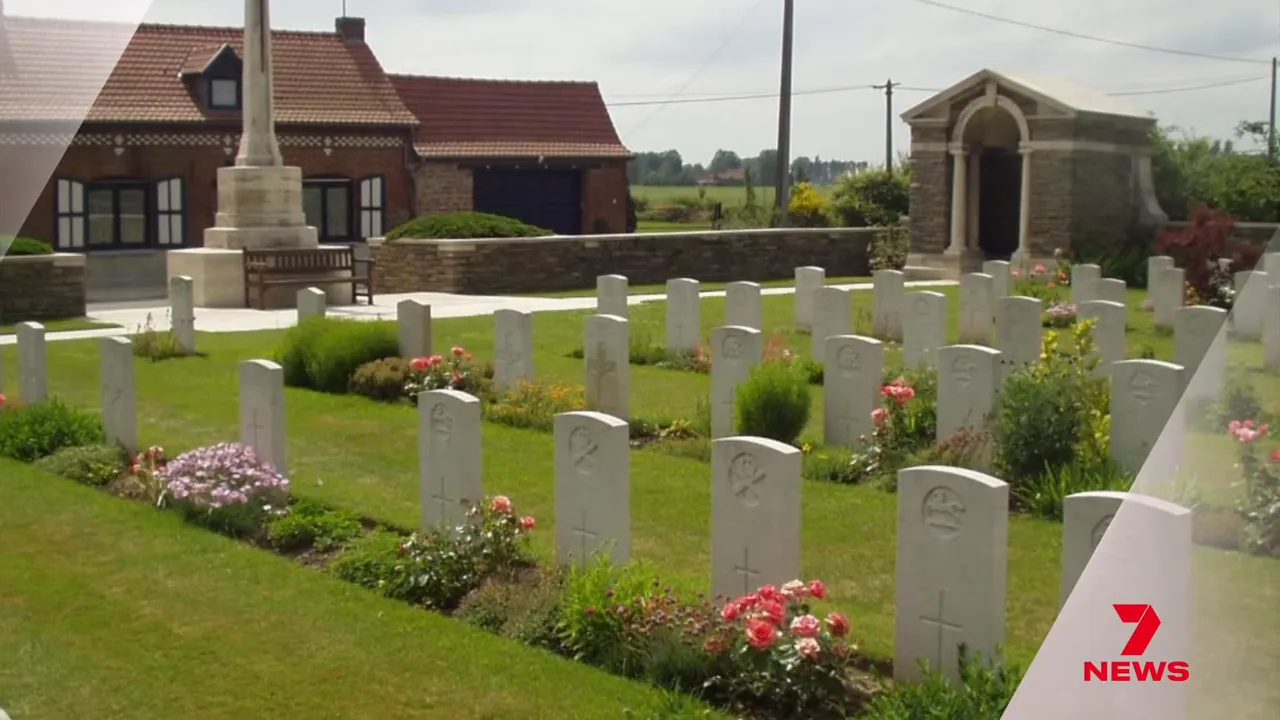
Next year, Len will attend a ceremony in France to unveil a new marked gravestone for Charles, bringing formal recognition and a place to mourn. The emotional importance of that public remembrance is echoed by relatives and historians alike.
How the discovery happened
Military researchers from the Army’s Unrecovered War Casualty Unit, working with volunteers from the Fallen Diggers Group, cross-referenced German battlefield reports and burial registers with Allied loss records. That collaboration pinpointed the likely burial site for Charles and confirmed the identity, allowing for a marked headstone to be prepared.
Eyewitness testimony in German records describing the aircraft’s mid-air breakup helped investigators link the incident to Charles’s loss in 1918. The process reflects growing international cooperation to locate and identify soldiers who were buried without markers during and after battles.
Wider significance
The Martin family’s closure is one of many possible recoveries. There are approximately 18,000 Australians from the Western Front with no known graves, and efforts like these aim to reduce that number by matching archival material, burial lists and battlefield evidence.
“These men gave, they’re basically there today for our tomorrow,” one commentator said, underscoring why families and veterans’ groups press for identification and commemoration.
What happens next?
With the grave identified, a formal ceremony will be arranged to unveil a marked gravestone and allow family members to pay their respects. The Army and volunteer groups continue to investigate other cases using the same archival techniques and on-site surveys.
Key takeaways
- Charles, an Australian fighter pilot shot down in 1918, had his unmarked grave identified after 107 years.
- German wartime records and eyewitness accounts were central to the identification.
- The Army’s Unrecovered War Casualty Unit and Fallen Diggers Group volunteers led the search.
- About 18,000 Australians from the Western Front still have no known graves.
- A ceremony will be held next year to unveil a marked gravestone and provide closure for the family.
FAQs
Where was Charles’s grave found?
Records showed an unmarked burial in a small French country cemetery; the exact location will be acknowledged during the upcoming unveiling ceremony.
When did Charles die?
Charles was shot down and killed in 1918 during the First World War.
Who identified the grave?
The Army’s Unrecovered War Casualty Unit, working with Fallen Diggers Group volunteers, identified the grave using German records and battlefield evidence.
How many Australians from the Western Front still have no known graves?
Approximately 18,000 Australians from the Western Front are listed as having no known grave.
What will the family do next?
Len Martin plans to attend an emotional ceremony next year to unveil a new marked headstone for his uncle Charles and to commemorate his service.
Report credited to Nick McCallum, Seven News.
The information in this article has been adapted from mainstream news sources and video reports published on official channels. Watch the full video here An Aussie digger's resting place re-discovered after being lost for more than a century | 7NEWS


