Triple-negative breast cancer warning for young women
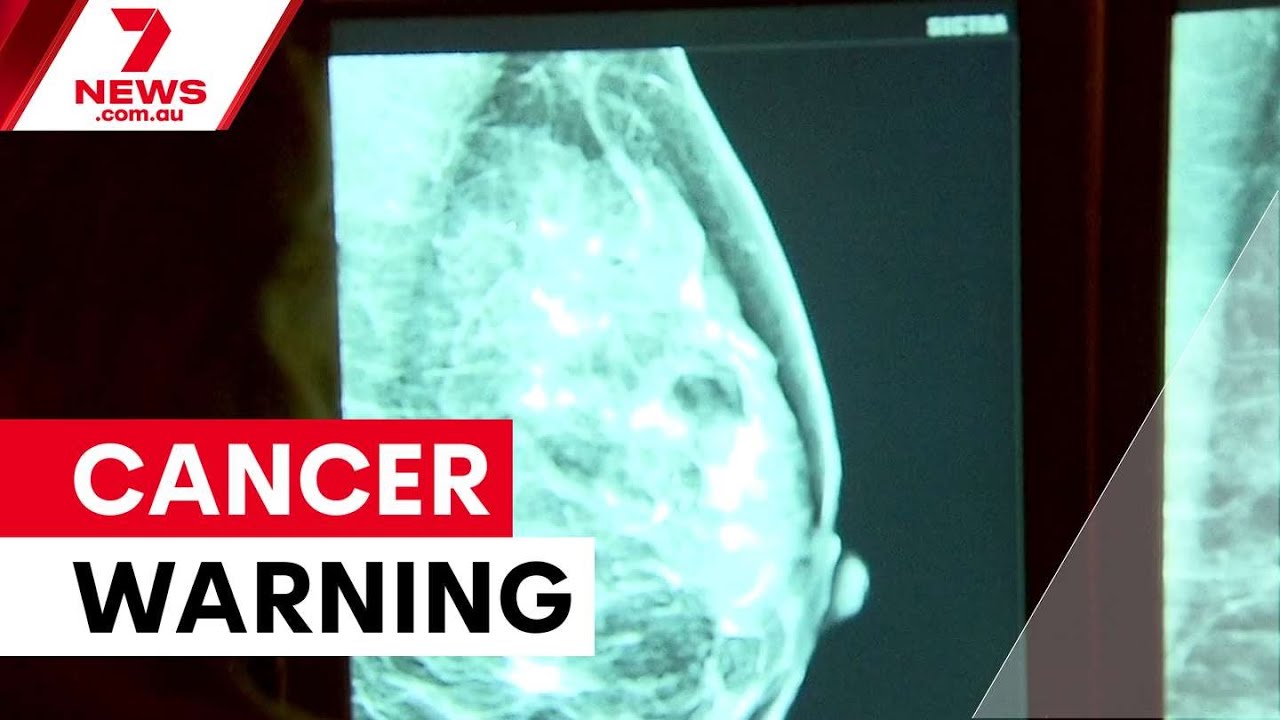
Table of Contents
- Urgent reminder as a fast-growing breast cancer can be missed by routine screening
- What this means for Australian women
- Practical steps to take right now
- Why early action matters
- Key takeaways
- What is triple-negative breast cancer?
- Why is it often missed by routine screening?
- Should women under 40 get screened?
- When should I see a doctor about a breast change?
Urgent reminder as a fast-growing breast cancer can be missed by routine screening
SYDNEY, AUSTRALIA — Triple-negative breast cancer is a fast-growing form of the disease that health advocates say is frequently missed by routine screening. Women are being urged to pay attention to any new or persistent breast changes and seek prompt medical follow-up rather than waiting for a scheduled screening.
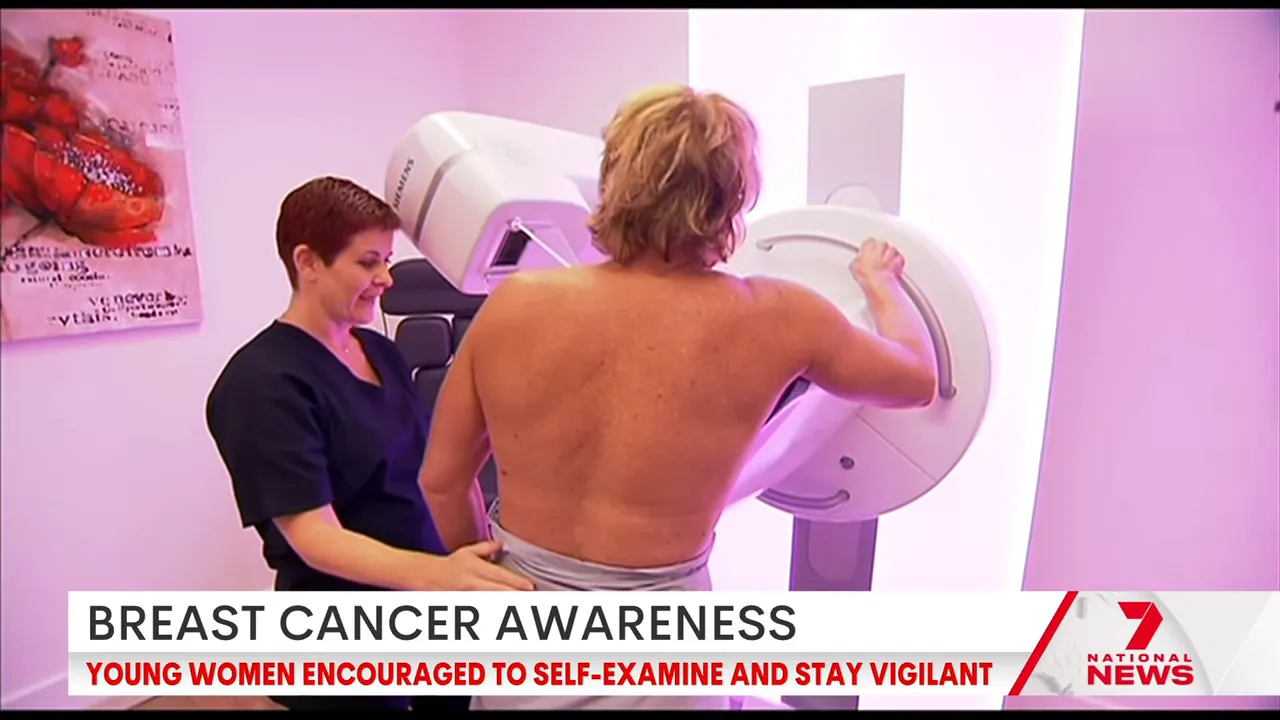
In recent reports, clinicians and patient groups highlighted that triple-negative disease is often misdiagnosed or undetected, particularly in younger women. Many Australian women under 40 are not part of the BreastScreen Australia program, meaning routine mammography may not pick up cancers in that age group.
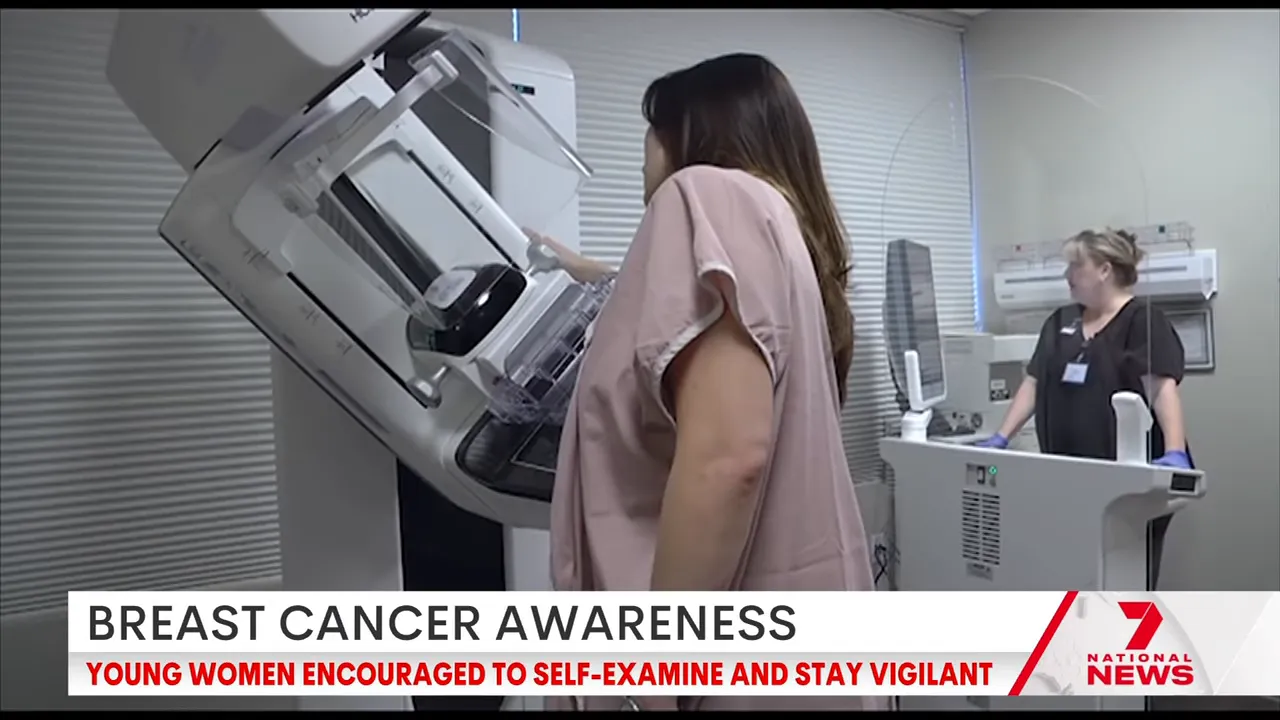
The concern is twofold: triple-negative tumours can grow quickly, and symptoms may appear between scheduled screens. With Breast Cancer Awareness Day approaching, experts are reminding women to trust their instincts — if something feels different, act on it without delay.
What this means for Australian women
Health advocates say younger women should be aware that being below the screening age does not make them immune to breast cancer. If you notice a lump, a new area of thickening, changes to the skin or nipple, or persistent pain, these warrant a medical review even if you have a recent clear check.
Primary care doctors can arrange urgent imaging or refer to a specialist if concerns persist. Early assessment helps ensure fast-growing cancers are investigated promptly.
Practical steps to take right now
- Trust your instincts: Don’t delay if you notice a change in your breast.
- See your GP: Ask for an urgent clinical assessment and appropriate imaging.
- Follow up: If symptoms persist or a result feels inconsistent with what you’re experiencing, request further tests or a specialist referral.
- Know your risk: If you have a family history or other concerns, discuss personalised screening options with your doctor.
Why early action matters
Triple-negative breast cancers tend to grow and spread faster than some other types, which is why a symptom-driven approach is critical for younger women who sit outside routine screening invitations. Prompt assessment increases the chance of timely diagnosis and access to appropriate treatment.
Community awareness campaigns and clinicians emphasise that awareness, rather than alarm, is the goal — recognising changes early leads to better outcomes.
Key takeaways
- Triple-negative breast cancer can be fast-growing and may be missed by routine screens targeted at older age groups.
- Women under 40 are often not included in BreastScreen Australia, so symptom vigilance is important.
- Trust your instincts: new or persistent breast changes should prompt immediate medical follow-up.
- Speak to your GP about urgent assessment, imaging or specialist referral if you have concerns.
What is triple-negative breast cancer?
Triple-negative breast cancer is a subtype that lacks three common receptors (oestrogen, progesterone and HER2), which affects how the cancer behaves and how it is treated. It is known for being more aggressive and faster growing than some other types.
Why is it often missed by routine screening?
It can be missed because it may develop rapidly between scheduled screens and because younger women — who are at higher risk of faster-growing tumours — are not routinely included in some national screening programmes. Symptoms appearing between screens should prompt a clinical review.
Should women under 40 get screened?
National screening guidelines vary and many programs do not routinely invite women under 40. However, if you have symptoms or a strong family history, talk to your GP about personalised screening or earlier assessment.
When should I see a doctor about a breast change?
If you notice a new lump, persistent pain, skin or nipple changes, or any breast change that lasts beyond a short time, seek medical review promptly rather than waiting for a routine screening appointment.
The information in this article has been adapted from mainstream news sources and video reports published on official channels. Watch the full video here Triple-negative breast cancer warning for young women | 7NEWS


