Superannuation gap: school fees and pet etiquette debated

Table of Contents
- Why the superannuation gap and other community issues are back in the spotlight
- Retirement realities: who is most at risk and why it matters
- School fees scrapped: the SA Labor promise and its impact
- Pet etiquette: where do we draw the line?
- Practical takeaways for households and communities
- Key takeaways
- Frequently asked questions
- Final thought
Why the superannuation gap and other community issues are back in the spotlight
The superannuation gap is emerging as a major concern after new research found women retire with about $50,000 less in their super balances than men on average. That statistic has sparked a broader conversation about retirement security, education funding and everyday civic etiquette — three issues that cropped up in a recent national discussion and are directly relevant to thousands of Australian households.

Retirement realities: who is most at risk and why it matters
Women are being flagged as significantly more worried about their retirement income, and the numbers explain why. Time out of the workforce for caregiving, part-time work patterns and pay gaps compound over decades and leave many women with smaller superannuation nests.
Experts and broadcasters who discussed the findings urged earlier financial education. Teaching people how superannuation works — not just the idea of saving, but how contributions, compounding returns and employment breaks affect long-term balances — can change outcomes over a lifetime.
For individuals approaching midlife, small changes now can still matter. Consolidating accounts, checking insurance inside superannuation and topping up voluntary contributions where possible are practical steps to reduce the gap.

School fees scrapped: the SA Labor promise and its impact
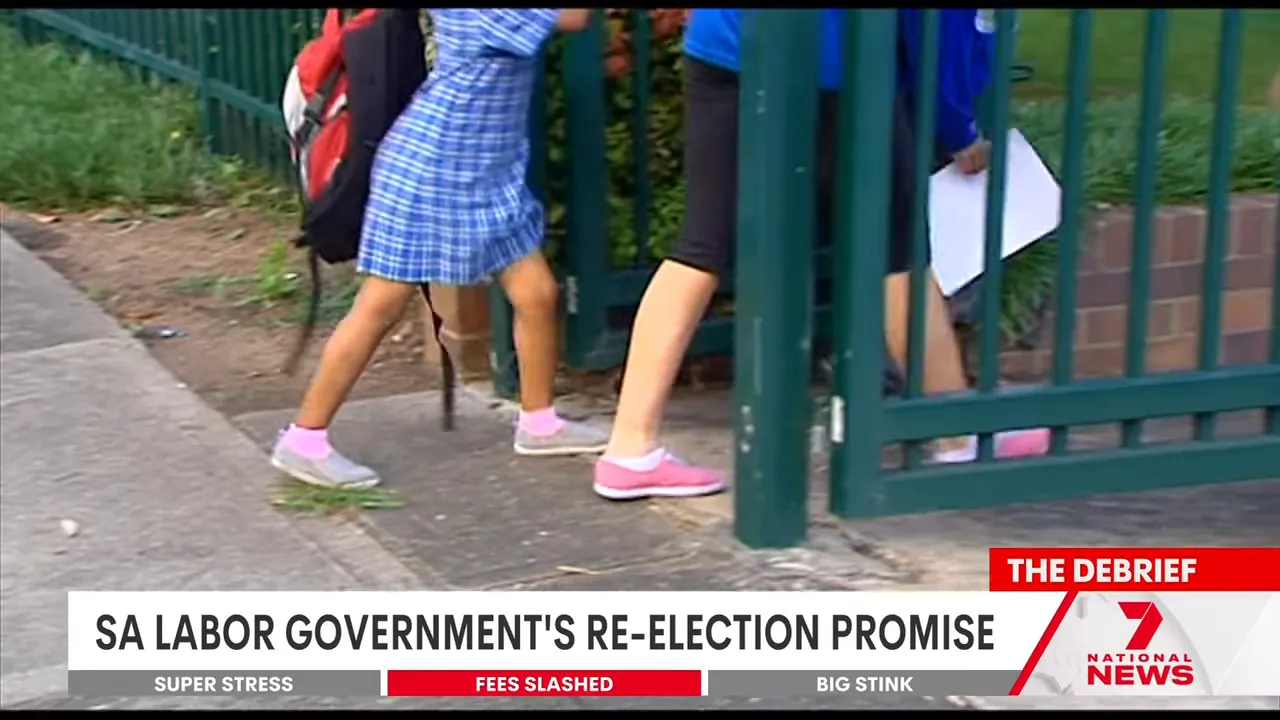
In South Australia, the state Labor government has pledged to abolish public school fees from next year in a plan costing $152 million. The government says the move would save roughly 90,000 families more than $8,000 per child over the course of a student’s education.
Local commentators welcomed the policy as immediate relief for household budgets. For many families, removing school fees reduces pressure and frees up cash for essentials — or savings for things like the ever-important superannuation top-ups for parents who may be juggling work and caregiving.
Critics argue the plan raises questions about budget priorities and whether similar funding could be better spent elsewhere. Supporters counter that in the context of broader infrastructure budgets, the outlay is modest and targets a direct burden on families.
Pet etiquette: where do we draw the line?
A separate but lively debate focused on pet owners and public behaviour. An opinion piece criticised dog owners who carry used dog poo bags in public or take them into cafes. The image provoked a strong reaction from both sides: pet lovers who want the freedom to include dogs in daily life, and other members of the public who expect hygiene and consideration in shared spaces.
At the heart of the argument is simple courtesy: if you walk a dog in public, pick up waste promptly and dispose of it appropriately. Taking responsibility keeps public areas pleasant for everyone and prevents conflict between pet owners and other patrons.

Practical takeaways for households and communities
- Understand your superannuation: check balances, consolidate multiple funds, and consider salary-sacrifice or voluntary contributions when feasible.
- Public policy can change household budgets quickly: the proposed abolition of school fees in South Australia would reduce long-term education costs for many families.
- Simple civic manners — like disposing of dog waste — prevent disputes and keep shared spaces clean and welcoming.
Key takeaways
- New research highlights a persistent superannuation gap of about $50,000 between women and men on average.
- South Australia’s proposed $152 million plan to abolish school fees aims to save families significant expenses over time.
- Pet-owner etiquette remains a contentious but solvable community issue: responsibility and consideration go a long way.
Frequently asked questions
How big is the superannuation gap and who does it affect most?
Research indicates women retire with roughly $50,000 less in superannuation than men on average. The gap is driven by career breaks, part-time work and cumulative lower earnings over time, affecting those who take on unpaid caring roles most severely.
What can individuals do now to reduce the superannuation gap?
Practical steps include consolidating multiple super accounts to reduce fees, reviewing insurance inside super, making voluntary contributions (including salary sacrifice), and seeking financial advice tailored to life stages and caregiving responsibilities.
Will abolishing school fees really help families?
Yes. Removing school fees reduces out-of-pocket education costs and can free household funds for essentials or savings. The South Australian proposal estimates average savings of more than $8,000 per child across their schooling.
Are dogs allowed in cafés and public eateries?
Policies vary by business and local regulations. Many cafés permit dogs in outdoor areas but not inside. Pet owners should respect venue rules and other patrons’ preferences to avoid conflicts.
What’s the best way to handle pet waste in public?
Always pick up dog waste immediately and dispose of it in an appropriate bin. Carry a discreet, sealed bag until you find a bin, and avoid leaving it in public places or taking it into indoor spaces like cafés.
Final thought
These three debates — retirement security, education funding and everyday civility — are connected by a common theme: how public policy and personal choices shape household wellbeing. Small policy changes can ease financial pressure, while small acts of consideration protect the fabric of shared life. Both matter.
The information in this article has been adapted from mainstream news sources and video reports published on official channels. Watch the full video here Super gap, school fees and pet etiquette debated | 7NEWS


