Middle East conflict: civilians and children killed in strikes
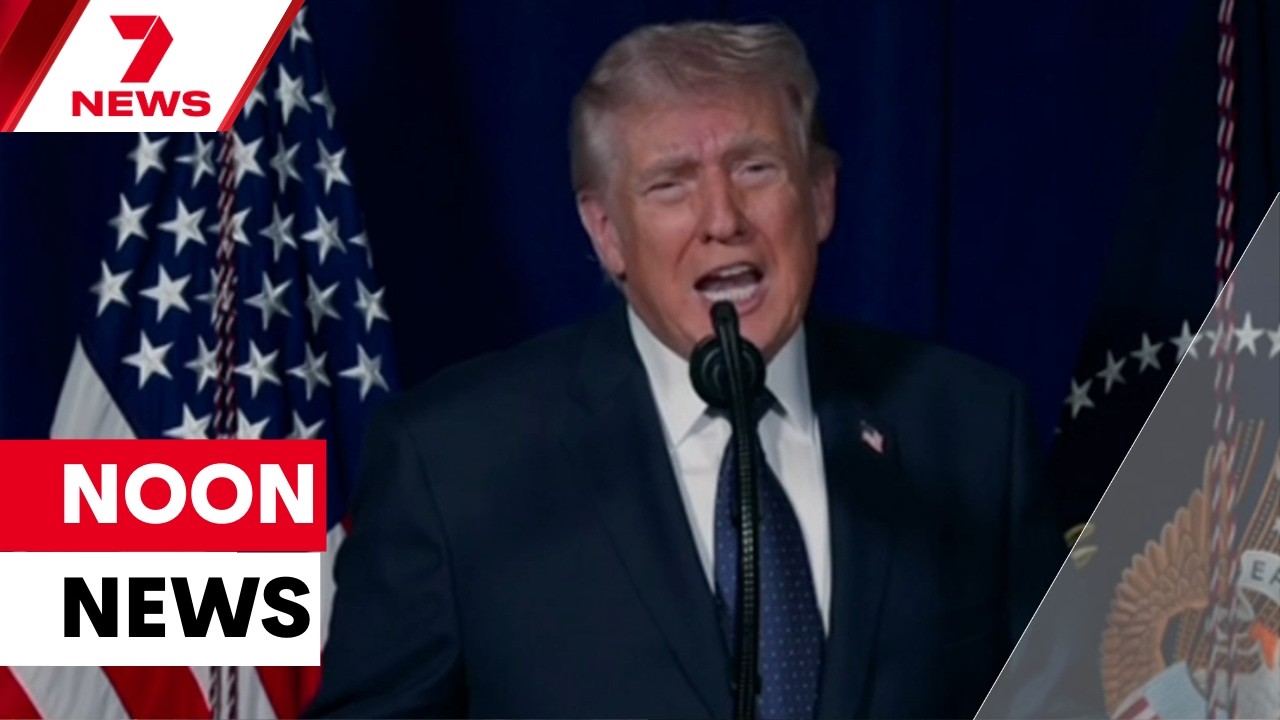
WASHINGTON / TEL AVIV / CANBERRA — The Middle East conflict has escalated sharply after coordinated strikes by the United States and Israel on Iranian targets. In the past 48 hours the offensive — branded Operation Epic Fury by the White House — has hit military infrastructure, naval vessels and civilian areas, leaving children and other non-combatants among the dead.
Table of Contents
- How the offensive unfolded
- Where the worst damage occurred
- Wider regional and economic implications
- What it means for Australians abroad
- Domestic headlines and human stories
- Key takeaways
- FAQs
How the offensive unfolded
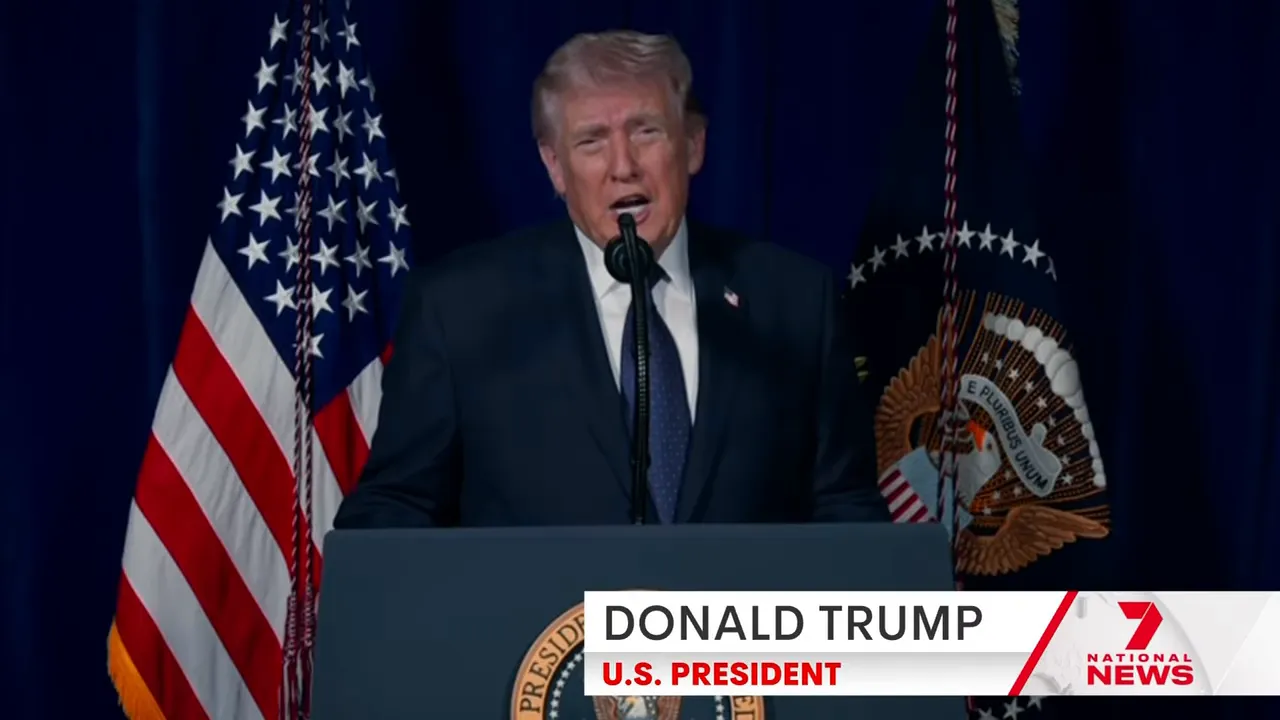
United States President Donald Trump, speaking in a recorded message before returning to Washington, described a major campaign that he says struck "hundreds" of Iranian military targets. The strikes reportedly included Revolutionary Guard facilities, air‑defence systems and naval assets.
The US has confirmed three service personnel were killed. The president framed the operation as necessary to prevent Iran acquiring a nuclear weapon and warned it could continue for weeks while mission objectives are completed.
Where the worst damage occurred
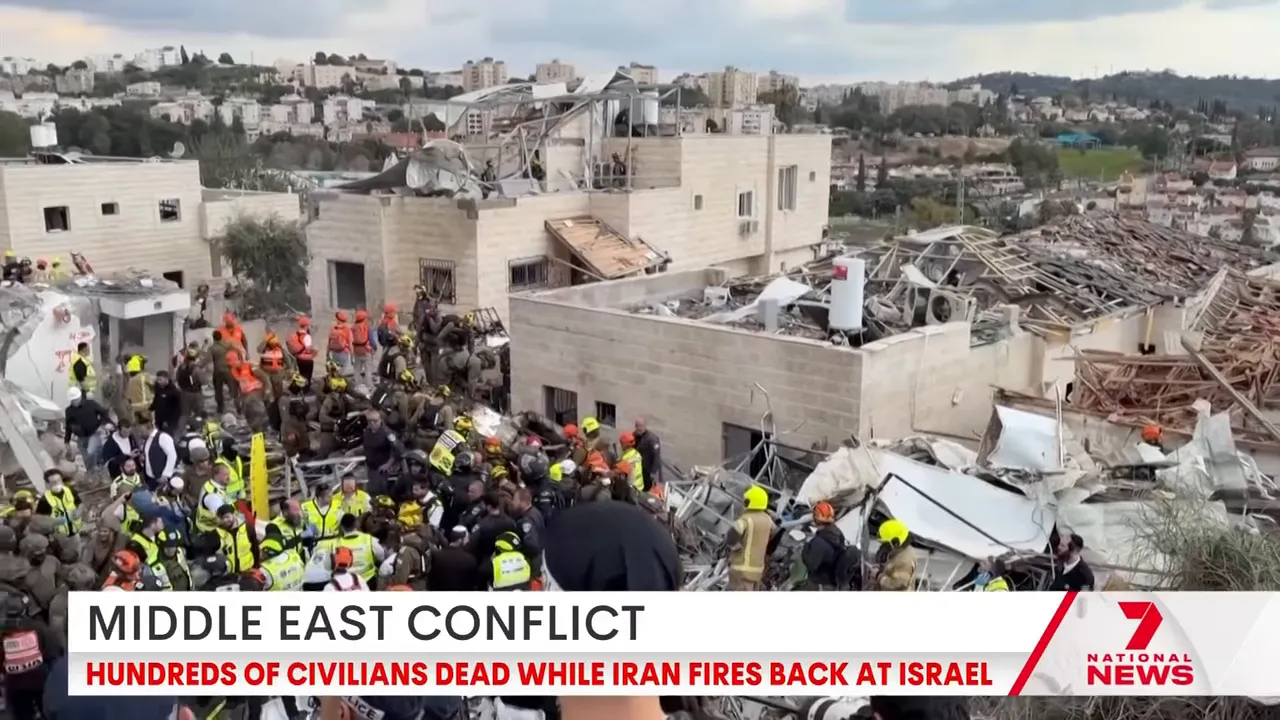
One of the most devastating incidents was an Iranian missile that struck a community bunker near Beit Shemesh outside Jerusalem. The blast collapsed the shelter and neighbouring buildings, killing at least nine people and injuring dozens, including children.
Israeli forces have opened an investigation into why the Iron Dome system failed to intercept the incoming ballistic missile in that area. Meanwhile, Israeli air operations over Iran have reportedly exceeded 250 missions since the campaign began.
Wider regional and economic implications
Fighting has spread through parts of the Gulf, with civilian casualties reported in the United Arab Emirates and commercial airspace disrupted after strikes to airports in Dubai and Abu Dhabi. Major carriers have suspended flights through parts of the region.
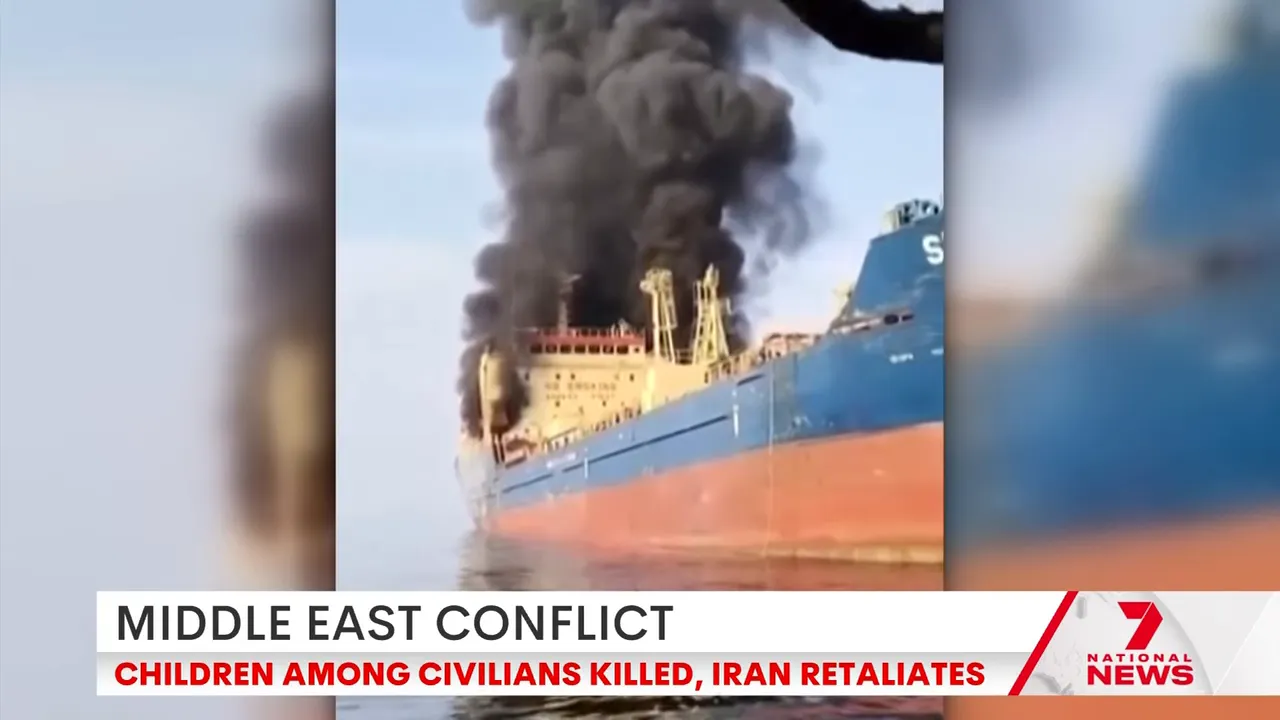
The Straits of Hormuz — a waterway that handles roughly a fifth of global oil flows and a quarter of gas shipments — saw its first reported container‑ship attack during the latest exchanges. Shipping companies are already warning of rerouted services and higher costs.
What it means for Australians abroad
More than 115,000 Australians were recorded as being in the Middle East region when the latest strikes began. With airspace closures and commercial cancellations, Canberra says its capacity to repatriate citizens is limited and is relying on airlines resuming services.
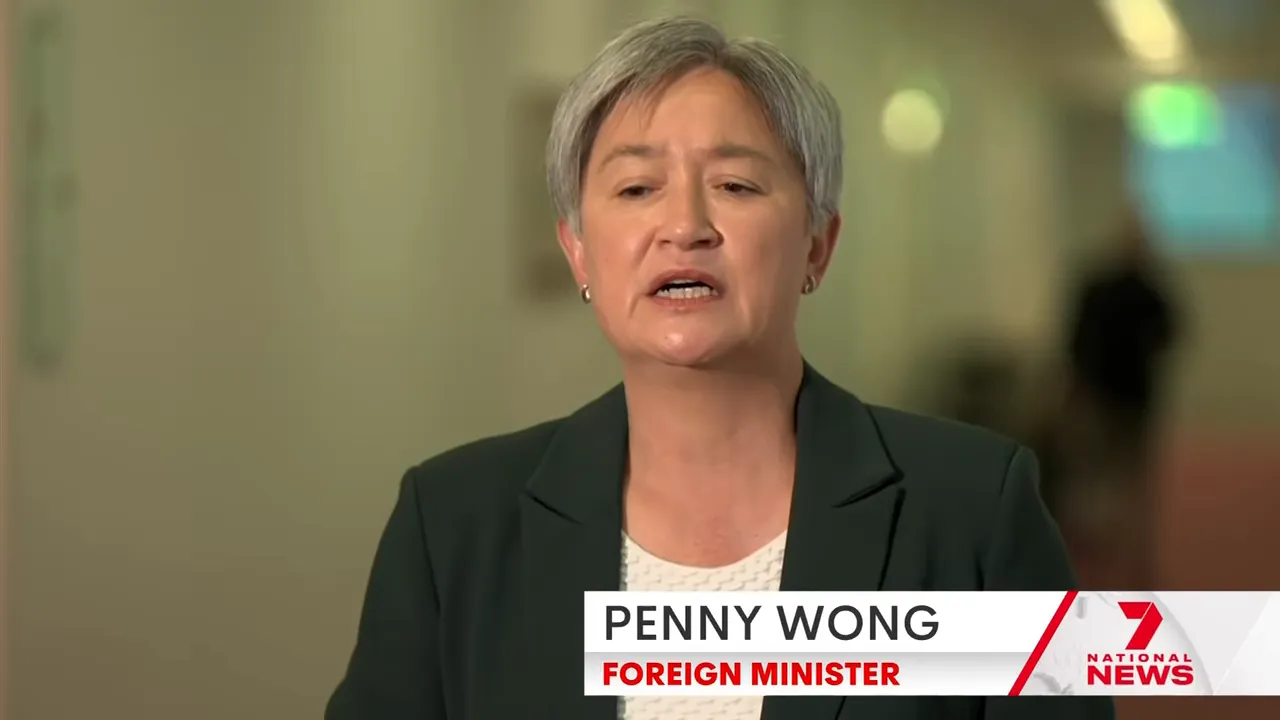
The Department of Foreign Affairs and Trade has opened an online portal for Australians to register their intention to leave. Foreign Minister Penny Wong urged travellers to monitor the Smart Traveller website and delay non‑essential travel to the region.
Domestic headlines and human stories
Amid international breaking news, Australian media also highlighted a separate criminal case: a former police officer accused of staging his partner's death in outback Queensland. The episode underscores how local tragedy and long investigations can continue even while global events dominate headlines.
Journalists covering these stories say thorough detective work and persistent inquiries were crucial to uncovering the truth in that case — a reminder of the role of institutions during both domestic and international crises.
Key takeaways
- Operation Epic Fury is a large, multi‑nation strike campaign that the US says targets Iranian military capability.
- Civilian areas have been hit, with children among those killed — incident investigations are under way.
- Commercial flights and shipping in the Gulf have been disrupted, with potential global economic impacts.
- Australia is coordinating with airlines and urging citizens to register with DFAT and follow Smart Traveller advice.
- Uncertainty remains over the campaign's duration and the risk of wider regional retaliation.
FAQs
How many Australians are currently in the region and affected?
The government estimates about 115,000 Australians are in the Middle East region. DFAT has opened an online portal for people to register their intention to leave so authorities can prioritise assistance and monitor demand for flights.
What is Operation Epic Fury?
Operation Epic Fury is the name given by US officials to a coordinated military offensive against Iranian targets. According to the White House, it includes air strikes on Revolutionary Guard facilities, air‑defence systems and naval assets.
Are commercial flights through the Gulf safe or running?
Many carriers have suspended flights through affected airspace after strikes on major airports. Travel remains disrupted and airlines are reviewing routes. The Australian government advises delaying non‑essential travel and monitoring airline updates and Smart Traveller alerts.
Could the conflict spread beyond the Middle East?
The risk of broader escalation exists, particularly from proxy groups and regional actors. European governments have said they will protect their interests, but analysts suggest any further military involvement may be limited and targeted rather than an all‑out continental war. Much depends on Iran’s responses and the resilience of regional actors.
What should Australians do if they are in the region?
Register with DFAT’s portal, follow Smart Traveller advice, keep in touch with airlines and avoid non‑essential travel. If you are in immediate danger, contact local emergency services and the nearest Australian consulate or embassy.
The information in this article has been adapted from mainstream news sources and video reports published on official channels. Watch the full video here Inside the Middle East conflict: children among civilians dead, Iran retaliates | 7NEWS


