Table of Contents
- Victorian inquiry reveals systemic dismissal of women's pain
- What the submissions show
- Recommendations and immediate changes
- Focus on adolescents and early intervention
- Why this matters
- Key facts at a glance
- FAQs
Victorian inquiry reveals systemic dismissal of women's pain
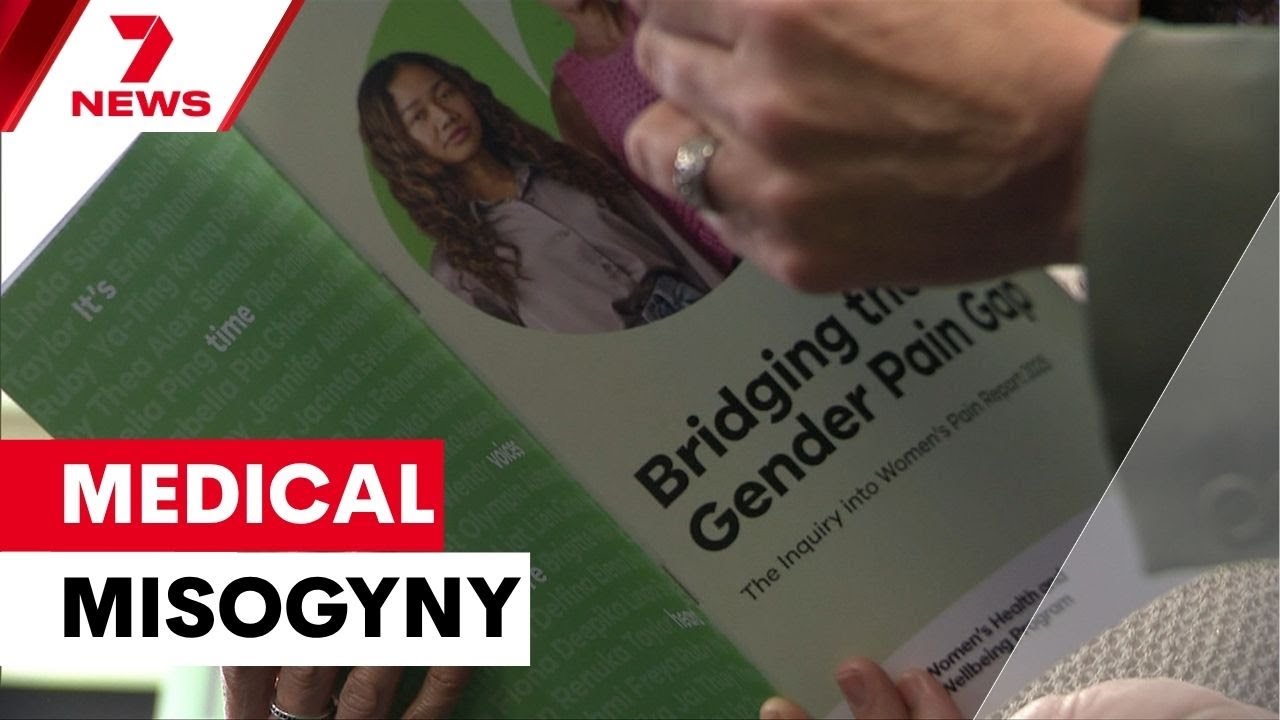
Medical misogyny features at the centre of a major Victorian inquiry after 13,000 women and girls shared experiences of chronic and dismissed pain. The inquiry — driven by submissions across the state — finds many patients living with daily pain for years, often told their symptoms are psychological rather than medical.
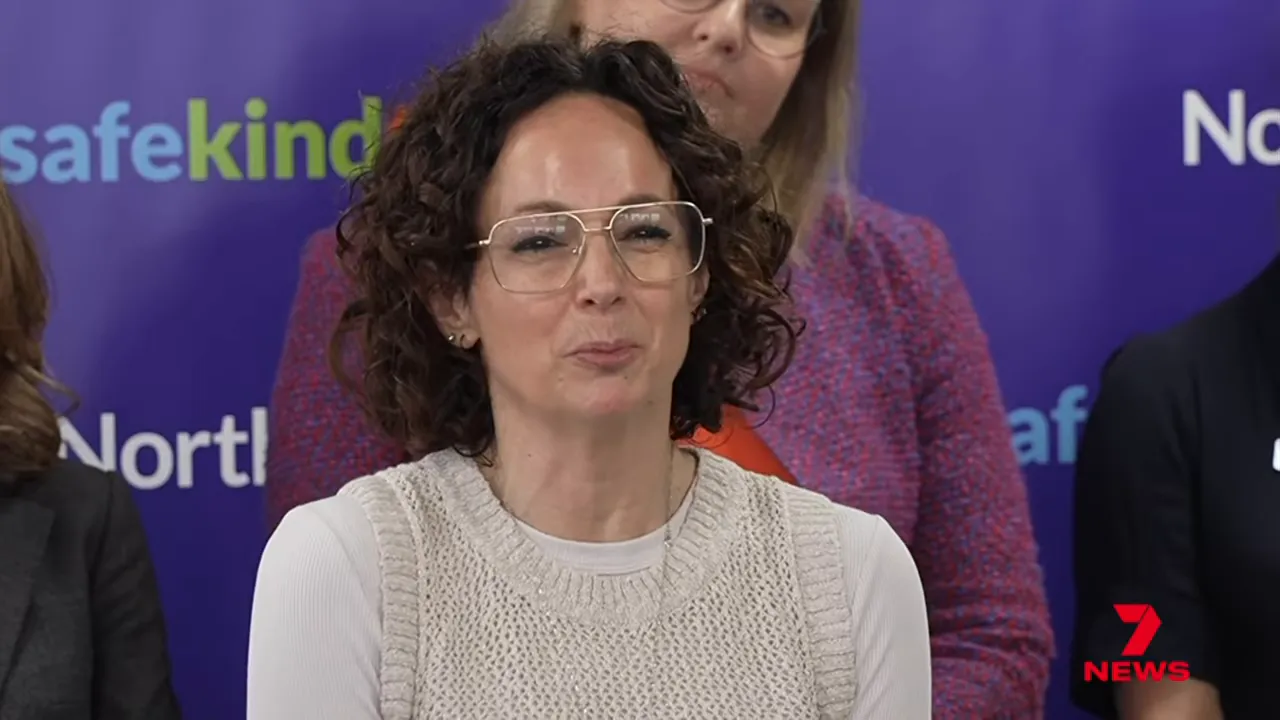
Thea Baker, a psychotherapist, says it took 40 years to be diagnosed with endometriosis and that "not being believed in my pain experience has been really difficult." Her story represents thousands of others who sought help, only to feel dismissed by healthcare professionals.
What the submissions show
More than half of those surveyed report living with pain every day, and for almost all respondents that pain has persisted for more than a year. The scale of reporting underlines systemic failure rather than isolated incidents.
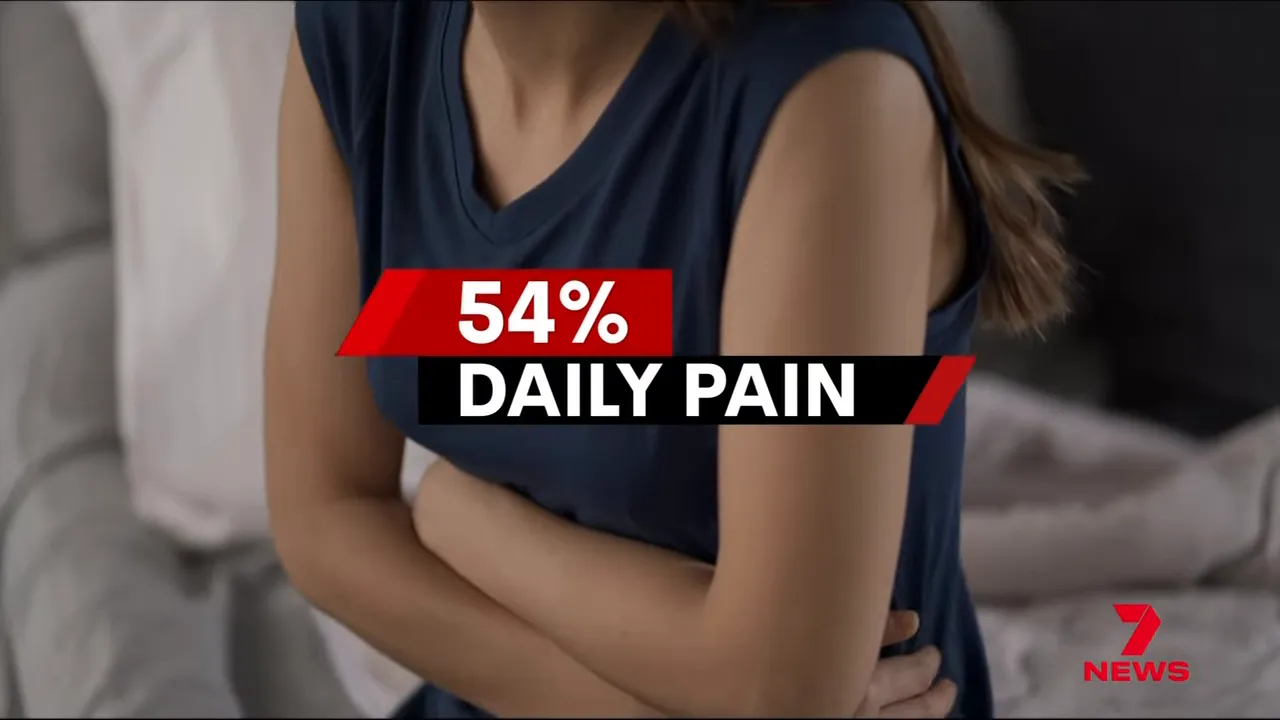
Alarmingly, 71% of participants said they felt dismissed by healthcare professionals. Too often, when people sought care they were treated for mental health problems—prescribed antidepressants—while the underlying physical causes remained undiagnosed.
"Not being believed in my pain experience has been really difficult."
Recommendations and immediate changes
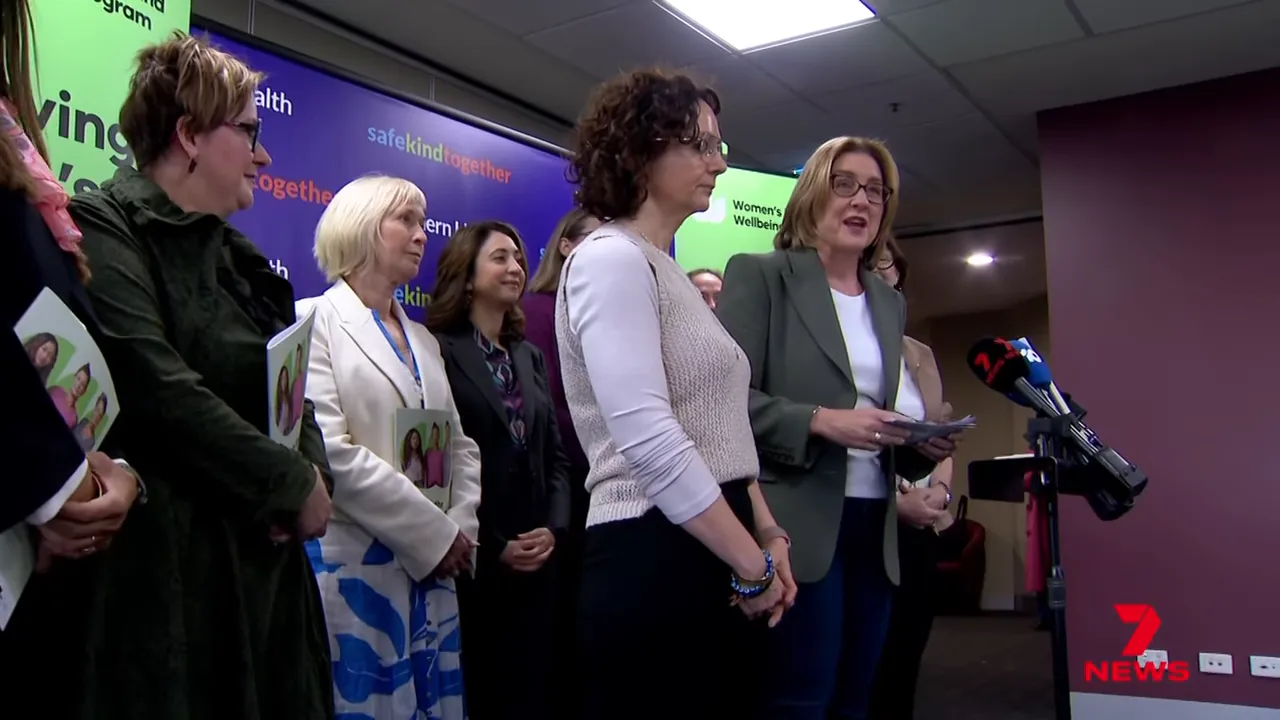
The inquiry's final report set out 27 key recommendations aimed at tackling both care and culture. These include improving public awareness, expanding clinician training, and making healthcare more affordable and accessible for those living with chronic pelvic pain and related conditions.
- Statewide pain treatment standards to ensure consistent care across Victoria.
- Clinical practice changes such as using the 'green whistle' during IUD insertion and removal to manage pain.
- Specialist services including a new clinic at the Royal Children's Hospital to support adolescents.
Focus on adolescents and early intervention
The inquiry highlights a worrying picture among young people: 90% of adolescents report period pain and 20% are missing out on school, sport or social activities because of it. Early diagnosis and treatment are presented as crucial to protecting long-term health and opportunities.

Speakers and report authors stress that intervening early can change futures — preventing chronic conditions from escalating and reducing the lifetime burden of untreated pain.
Why this matters
The inquiry exposes how gendered attitudes within healthcare can lead to delayed diagnoses, unnecessary suffering, and avoidable long-term harm. By collecting first‑hand accounts, the review provides evidence to support systemic change across hospitals, clinics and community health services.
Immediate measures and the full set of recommendations aim to shift practice and culture so that women's pain is taken seriously and treated promptly with appropriate medical investigation.
Key facts at a glance
- 13,000 submissions from Victorian women and girls informed the inquiry.
- More than 50% of respondents experience daily pain; most have had pain for over a year.
- 71% reported feeling dismissed by healthcare professionals.
- The report issued 27 recommendations, including statewide pain standards and a specialist paediatric clinic.
- 90% of adolescents report period pain and 20% miss activities because of it.
FAQs
What did the Victorian inquiry into women's pain find?
It found widespread reports of chronic pain, delayed or missed diagnoses, and a pattern of dismissal by healthcare professionals. The inquiry received 13,000 submissions and produced 27 recommendations to improve care, training and public awareness.
Who submitted evidence to the inquiry?
Victorian women and girls from across the state submitted personal accounts — 13,000 in total — describing experiences of pelvic, menstrual and other chronic pain conditions.
What immediate changes were recommended?
Immediate actions include introducing a statewide standard for pain treatment, using the 'green whistle' for IUD procedures to manage pain, and establishing a specialist clinic at the Royal Children's Hospital for adolescents.
Why is early intervention important for adolescents?
Early diagnosis and treatment can prevent chronic progression, reduce school and activity disruption, and protect long-term reproductive and general health. The inquiry found 90% of adolescents report period pain and 20% miss activities because of it.
How will the recommendations tackle medical misogyny?
Recommendations aim to change clinical practice through training, standardised pain protocols, better access to specialised care, and public awareness campaigns that validate women's pain and reduce gendered bias in healthcare.
The information in this article has been adapted from mainstream news sources and video reports published on official channels. Watch the full video here Medical misogyny exposed in landmark inquiry into women’s pain | 7NEWS


