The 2025 Victorian budget, handed down by Treasurer Jaclyn Symes, marks a significant moment for the state as it grapples with the challenges of soaring debt and a cautious economic outlook. As Victoria faces a projected net debt reaching $194 billion by the 2029 fiscal year, this budget reflects a restrained approach with a focus on fiscal responsibility, job cuts, and cautious optimism for the future.
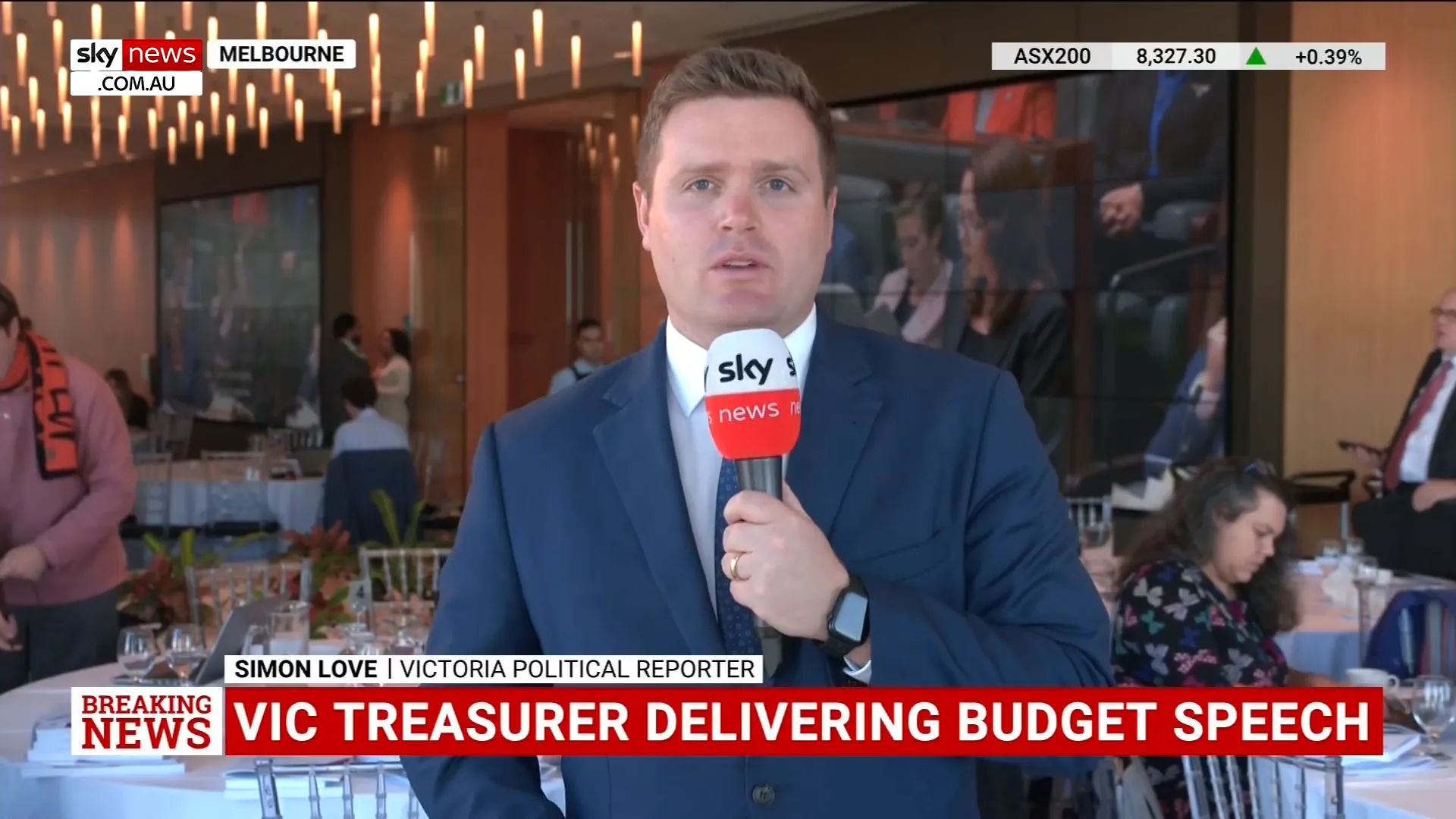
Table of Contents
- Understanding the Debt Trajectory: The Budget’s Foremost Concern
- Austerity in Action: Public Sector Job Cuts and Savings
- Trade Vulnerabilities and the Impact of US Tariffs
- Operating Surplus and the Fire Services Levy Controversy
- Looking Ahead: Ratings Agencies and Interest Payments
- A Budget with Few Sweeteners Ahead of the Election
- Conclusion: A Budget Focused on Stability and Fiscal Prudence
- Frequently Asked Questions (FAQ)
Understanding the Debt Trajectory: The Budget’s Foremost Concern
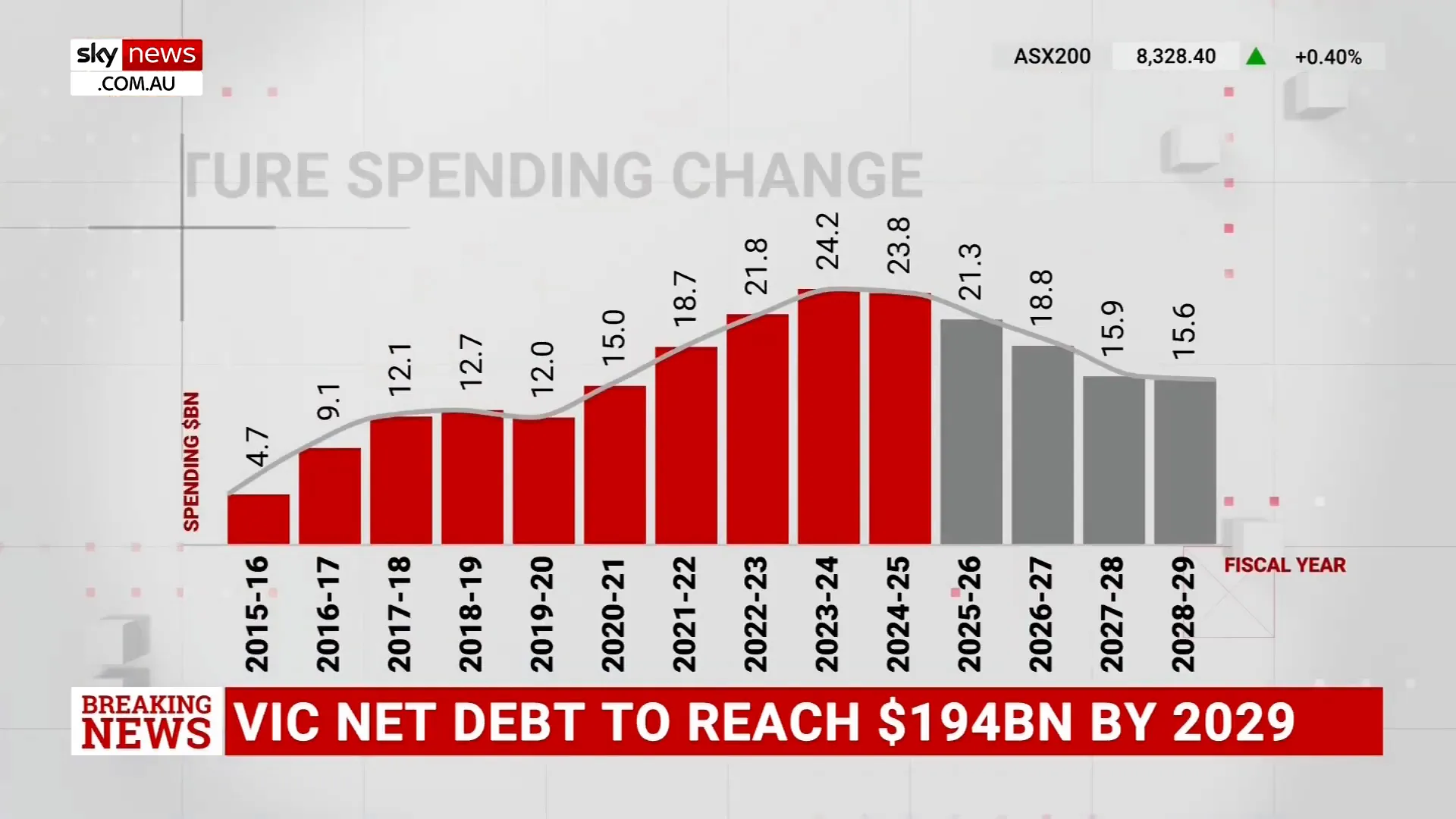
The headline of the Victorian budget 2025 is undeniably the state’s increasing net debt. Treasurer Jaclyn Symes projected that Victoria’s net debt will escalate to $194 billion by 2029. While some figures have been revised slightly downward from last year’s estimates, the overall trajectory remains a pressing concern for the government and the public alike.
This financial strategy reflects an acknowledgment by the Labor government that after years of substantial spending, the state must rein in expenditure to stabilize its finances. The budget signals a shift from the high-spending policies of the past towards more conservative fiscal management.
Austerity in Action: Public Sector Job Cuts and Savings
One of the most tangible measures in the budget is the forecasted $3.6 billion in savings, largely driven by cuts to public sector jobs. Initial reports suggested potential job cuts ranging from 3,000 to 4,000 public sector roles, but the budget confirms that approximately 1,200 full-time Victorian public sector jobs will be eliminated.
This reduction reflects the government's commitment to rein in spending and improve the state's financial position. The cuts are part of broader efforts to consolidate government departments and wind up certain entities, targeting inefficiencies within Victoria’s extensive public sector framework, which includes over 500 entities and 3,400 public boards and committees.
Trade Vulnerabilities and the Impact of US Tariffs
The budget also highlights Victoria's economic exposure to global trade tensions, particularly the impact of US tariffs. Victoria’s trade is heavily reliant on China and the United States, with China being the largest trading partner, followed by the US.
While the budget papers suggest that the direct impact of US tariffs on Victoria will be relatively modest, the indirect effects—such as reduced confidence in the global economy—pose a greater risk. The uncertainty surrounding international trade and economic stability, especially regarding China, could make investors and businesses more cautious, potentially slowing economic growth in Victoria.
Operating Surplus and the Fire Services Levy Controversy
One positive note in the budget is the confirmation of an operating surplus of $600 million for the 2025 financial year—the first surplus since the pandemic began. However, this surplus is closely tied to a contentious change in the emergency services tax.
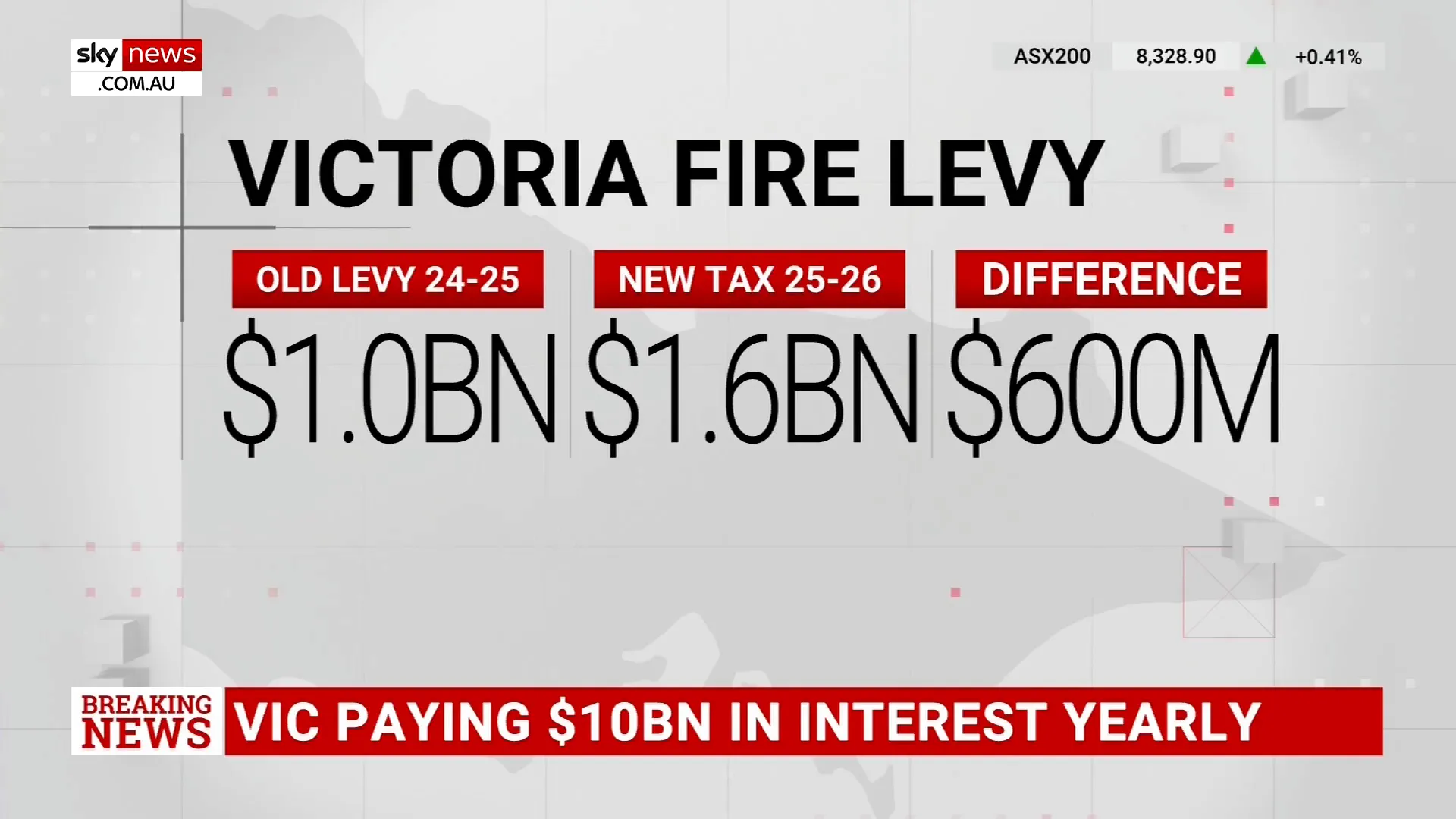
The budget reveals that the previous fire services levy generated approximately $1 billion in revenue, whereas the new emergency services tax is expected to raise $1.6 billion. This $600 million increase coincides with the surplus figure, suggesting that the government is banking on this tax hike to improve its fiscal position.
This change has sparked protests, including rallies in support of farmers and firefighters, who are concerned about the increased financial burden. The budget's reliance on this tax increase to achieve surplus status highlights the delicate balance the government is attempting to strike between fiscal responsibility and public acceptance.
Looking Ahead: Ratings Agencies and Interest Payments
With Victoria currently paying around $9 billion annually in interest on its debt, the government is under pressure to improve its credit rating to reduce borrowing costs. Treasurer Symes plans to visit New York to engage with major ratings agencies such as Standard & Poor’s and Moody’s. The goal is to "soften or sweeten the deal" and potentially lift Victoria’s credit rating, which would ease the financial pressure on the state’s budget.
Efforts to cut back spending through public sector job reductions and departmental consolidations are part of the strategy to present a stronger fiscal outlook to these agencies.
A Budget with Few Sweeteners Ahead of the Election
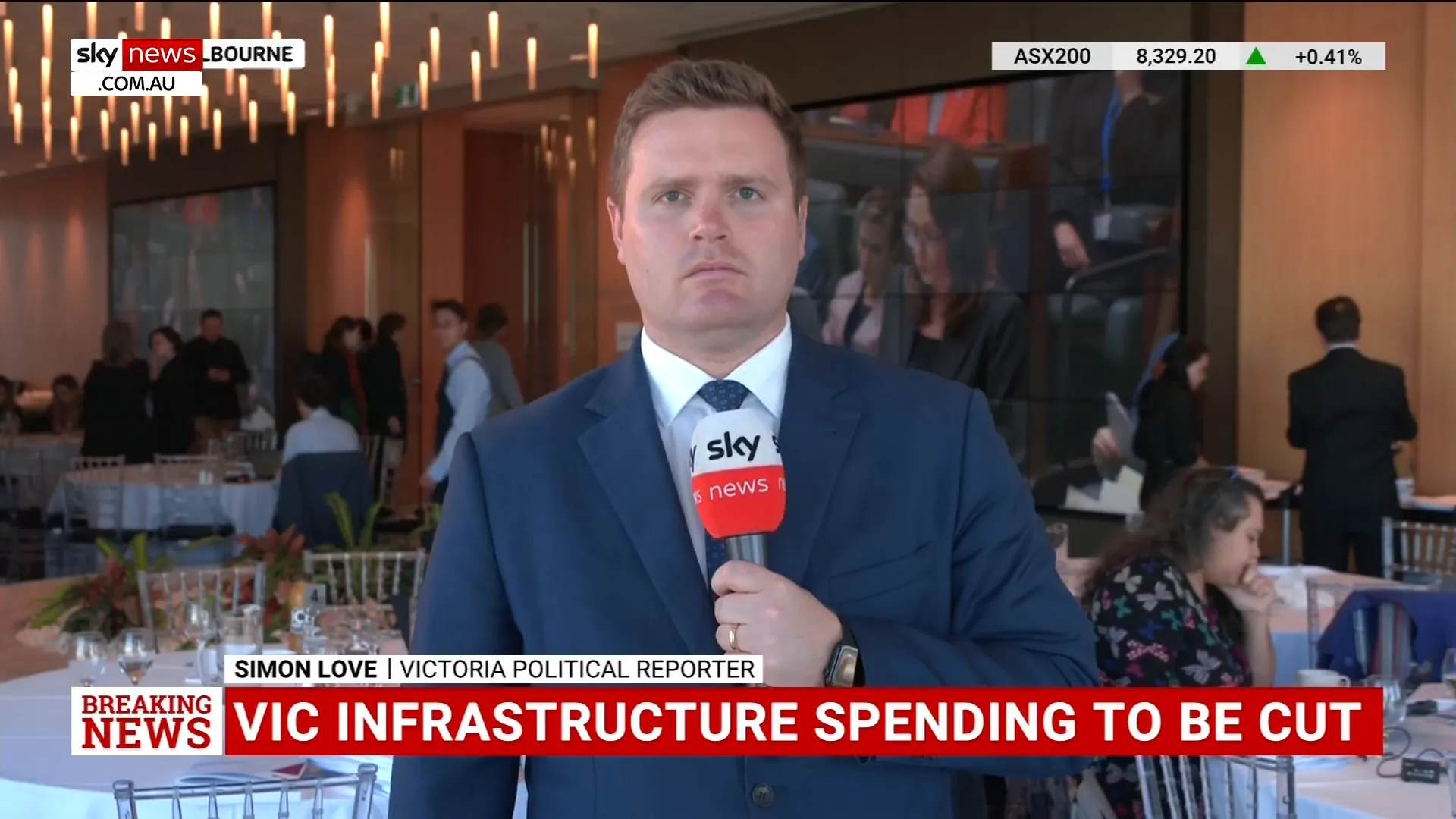
Given that this is Treasurer Symes’ first budget and that a state election looms next year, many expected more headline-grabbing spending or significant cost-of-living relief. However, the budget is relatively restrained, with no major new infrastructure projects announced, including no new funding for the highly anticipated suburban rail loop.
The budget does include some cost-of-living relief measures but lacks the large-scale spending boosts that have characterized previous budgets. This underwhelming approach reflects the government's cautious stance amid high debt and economic uncertainty.
Conclusion: A Budget Focused on Stability and Fiscal Prudence
The Victorian budget 2025 is a clear message from the state government: fiscal responsibility and debt management take precedence over ambitious new spending initiatives. Treasurer Jaclyn Symes has delivered a no-frills budget that acknowledges the financial pressures Victoria faces, including rising debt, global economic uncertainties, and the need to maintain investor confidence.
While the budget may disappoint those hoping for increased investment in infrastructure or significant public sector expansion, it reflects a pragmatic approach to ensure the state’s financial sustainability ahead of the next election. The challenge for the government will be balancing austerity measures like job cuts and tax increases with the public’s demand for services and economic support.
For more in-depth political and economic analysis, explore our politics and power coverage and stay informed on the latest developments in Australian state budgets and fiscal policy.
Frequently Asked Questions (FAQ)
What is the projected net debt for Victoria by 2029?
The Victorian government projects net debt to reach approximately $194 billion by the 2029 fiscal year.
How much savings does the 2025 budget aim to achieve, and how?
The budget targets $3.6 billion in savings, primarily through public sector job cuts, with around 1,200 full-time jobs confirmed to be cut.
What impact do US tariffs have on Victoria’s economy?
While direct exposure to US tariffs is modest, indirect effects such as reduced global economic confidence, especially in China, could negatively impact Victoria’s trade and investment climate.
Why is the emergency services tax controversial?
The new emergency services tax is expected to raise $1.6 billion, up from $1 billion under the previous fire services levy, increasing the financial burden on residents and sparking protests from farmers and firefighters.
Will there be new infrastructure spending in this budget?
No significant new infrastructure spending was announced, including no new funding for the suburban rail loop, reflecting the government’s cautious fiscal strategy.
How is the Victorian government addressing its credit rating?
Treasurer Jaclyn Symes plans to meet with credit rating agencies in New York to improve Victoria’s credit rating and reduce interest costs on the state’s debt.
For further reading on economic and political issues in Australia, visit our business and economy section and national news coverage.


