Table of Contents
- Immediate aftermath and a divided international response
- Celebrations on the streets and scenes of concern
- Protests, legal debate and geopolitical ripple effects
- Reactions from world leaders and allies
- Australia’s position and advice for citizens
- What this means for the region
- Key takeaways
- FAQs
Immediate aftermath and a divided international response
Strikes in Venezuela have provoked a mix of celebration and outrage around the world after President Maduro was captured in a US operation. Crowds in Caracas and Venezuelan communities overseas reacted with relief or alarm, while governments and legal experts weighed the consequences for regional stability and international law.
Celebrations on the streets and scenes of concern
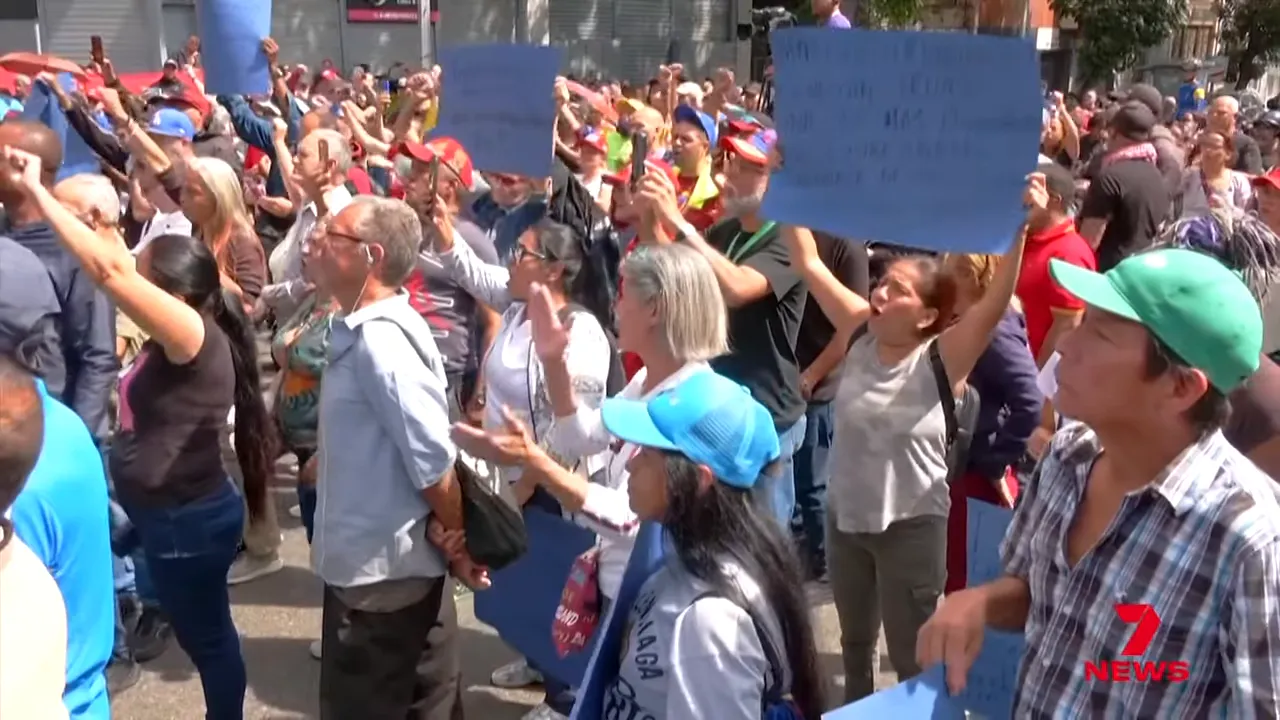
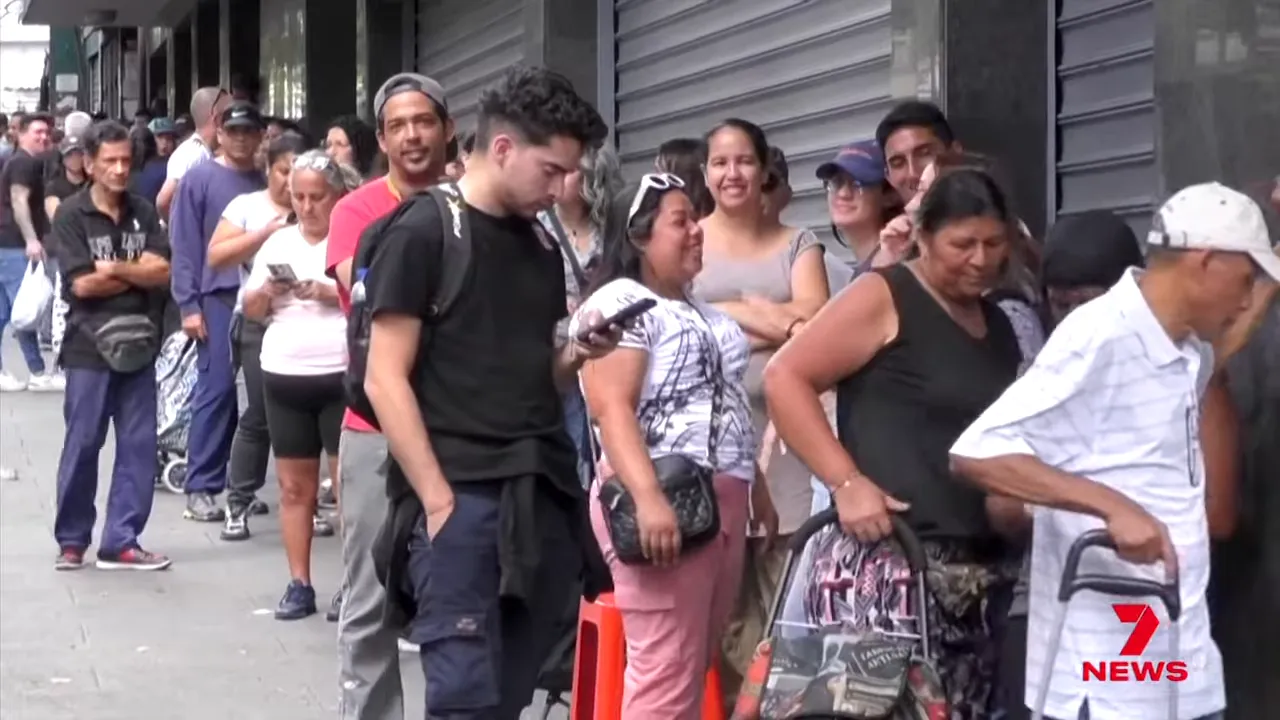
In Caracas, government supporters flooded the streets, chanting in support of Maduro even as other neighbourhoods celebrated what they saw as a first step towards change. Long queues at food and supply points underscored how fragile daily life remains for many Venezuelans.
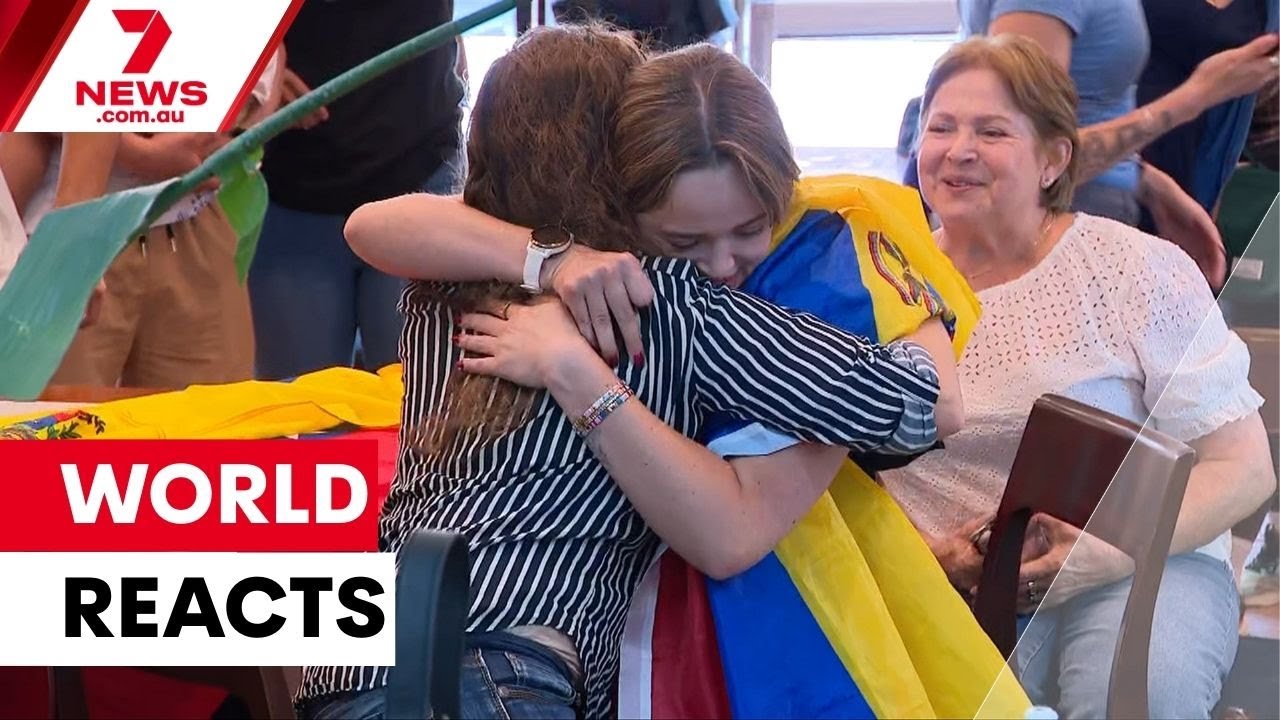
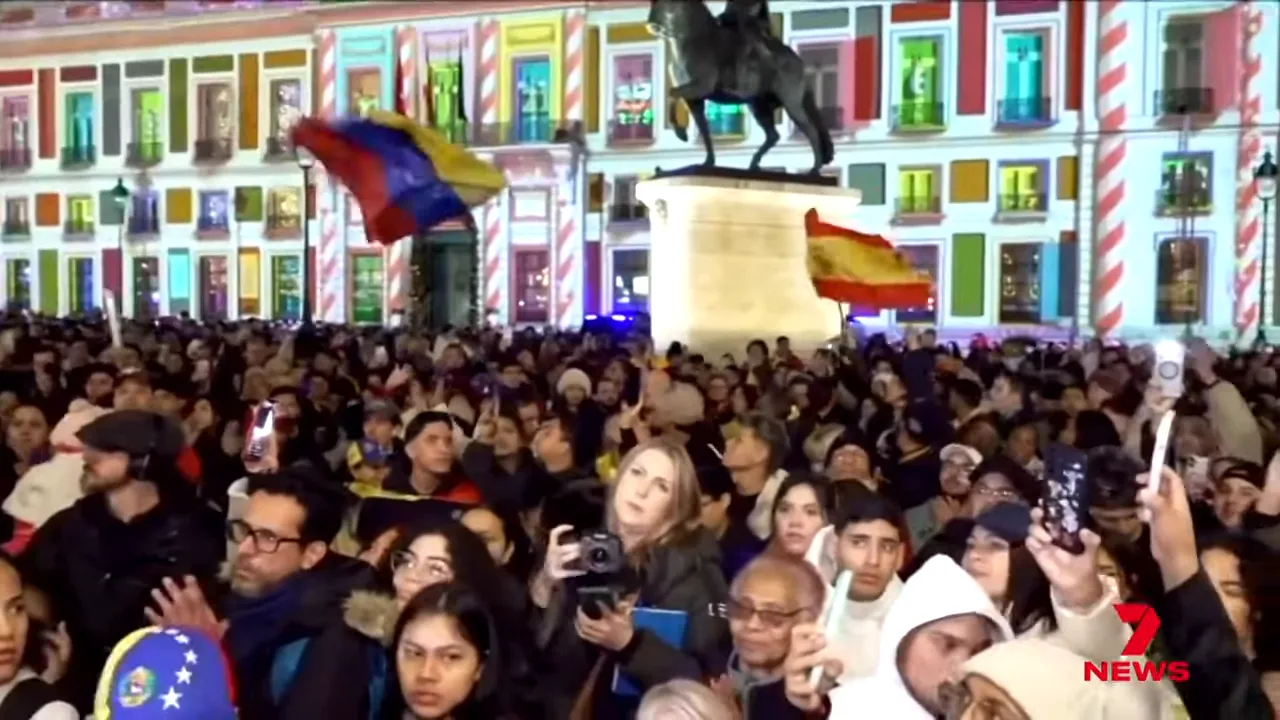
Across borders, exiled Venezuelans in Colombia set off fireworks and danced at the news, while communities in Berlin, Madrid and parts of the United States reported tearful celebrations. For many in the diaspora, the news brought a rare moment of hope after years of hardship.
Venezuela cannot be governed by North American imperialism.
Protests, legal debate and geopolitical ripple effects
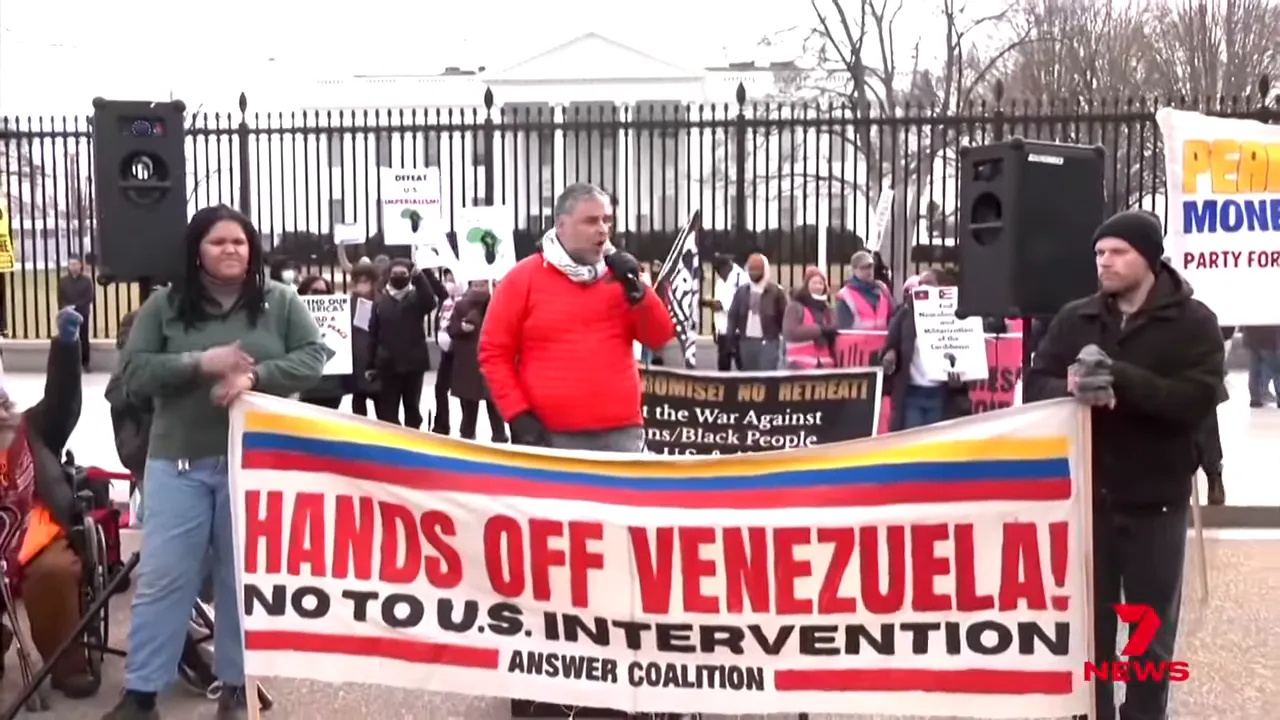
Not everyone welcomed the operation. Demonstrations erupted in Times Square and outside the White House, where critics accused the US of imperialism and voiced concern for civilian safety. At the same time, legal scholars and citizens questioned the authority under which the operation was carried out.
The US administration has argued the action fell under Article 2 powers to protect the country from transnational threats such as drug cartels. That claim is contentious and is likely to face intense legal and political scrutiny.
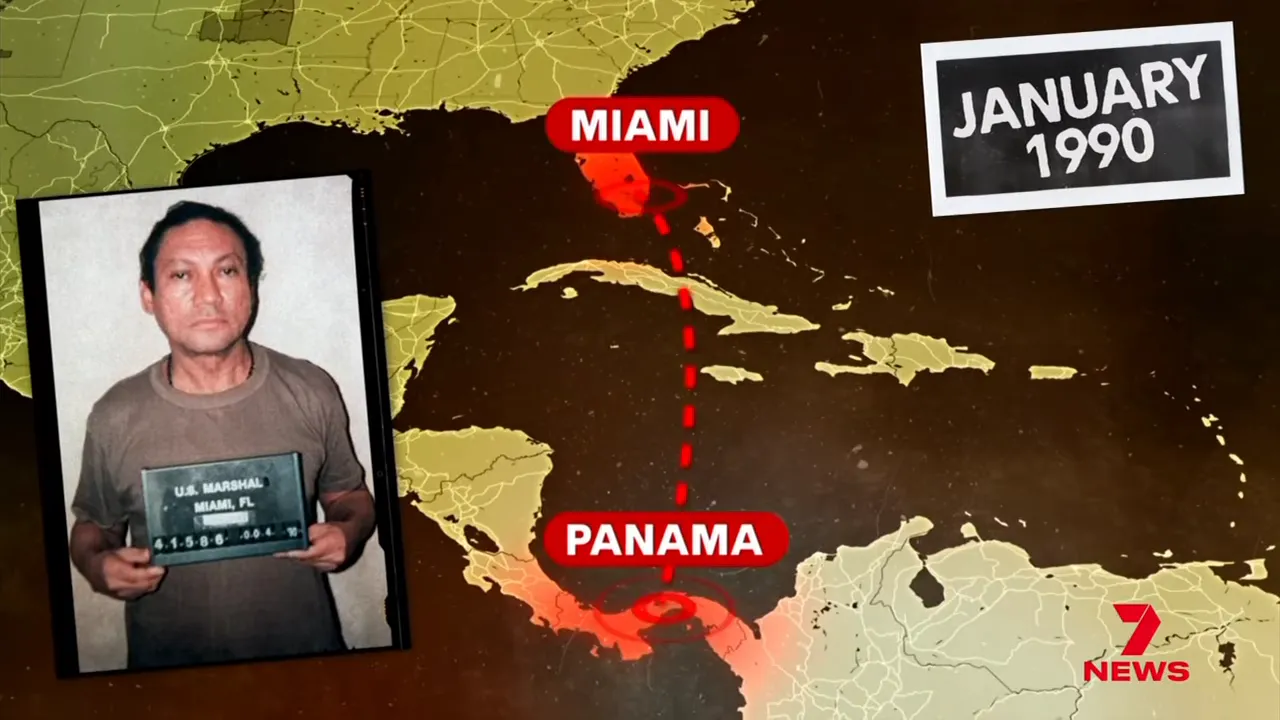
Observers noted precedent: the 1989–1990 US intervention in Panama that led to General Manuel Noriega’s capture and transfer to Miami for trial. Still, every situation carries unique legal and diplomatic implications, especially when major powers like Russia and China are involved.
Reactions from world leaders and allies
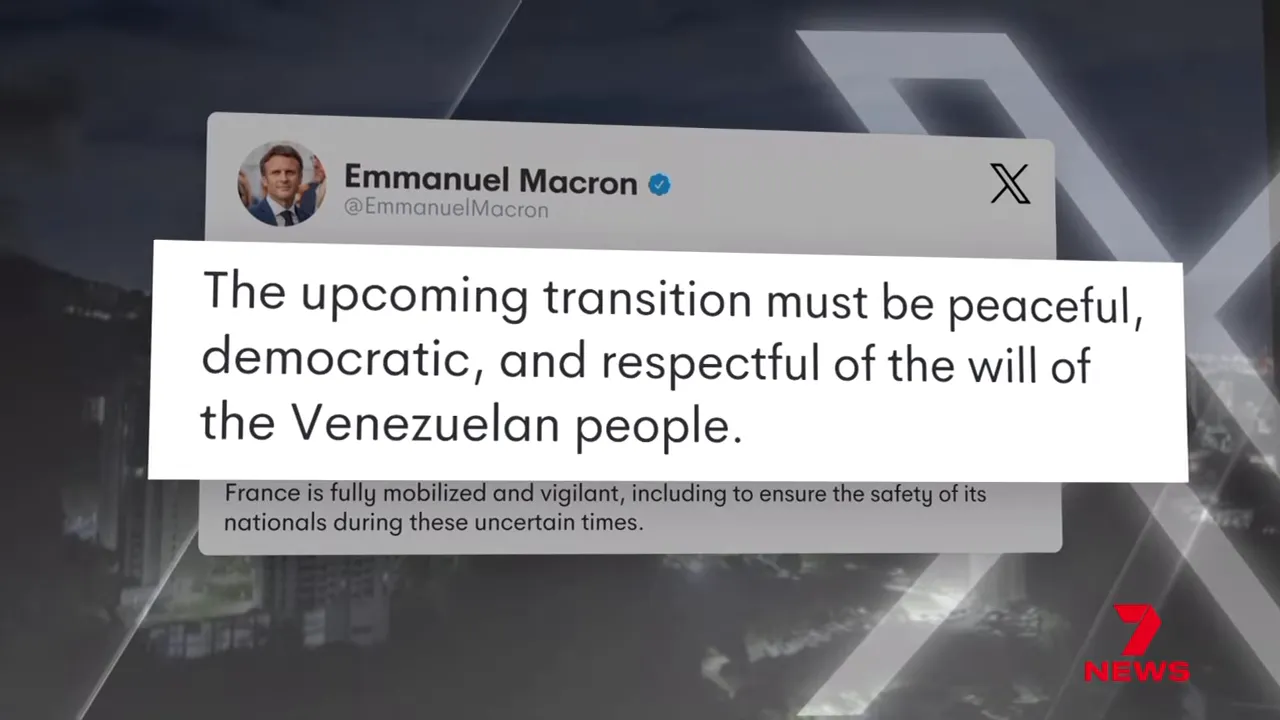
Allies offered mixed messages. The UK and France called for a peaceful, democratic transition and reiterated that any change must respect the will of the Venezuelan people. Paris and London emphasised diplomacy even while expressing concern about Maduro’s legitimacy.
With Maduro reported to have met a Chinese delegation hours before his capture and counted as an ally of Russia, the episode has potential to widen geopolitical tensions beyond Latin America.
Australia’s position and advice for citizens
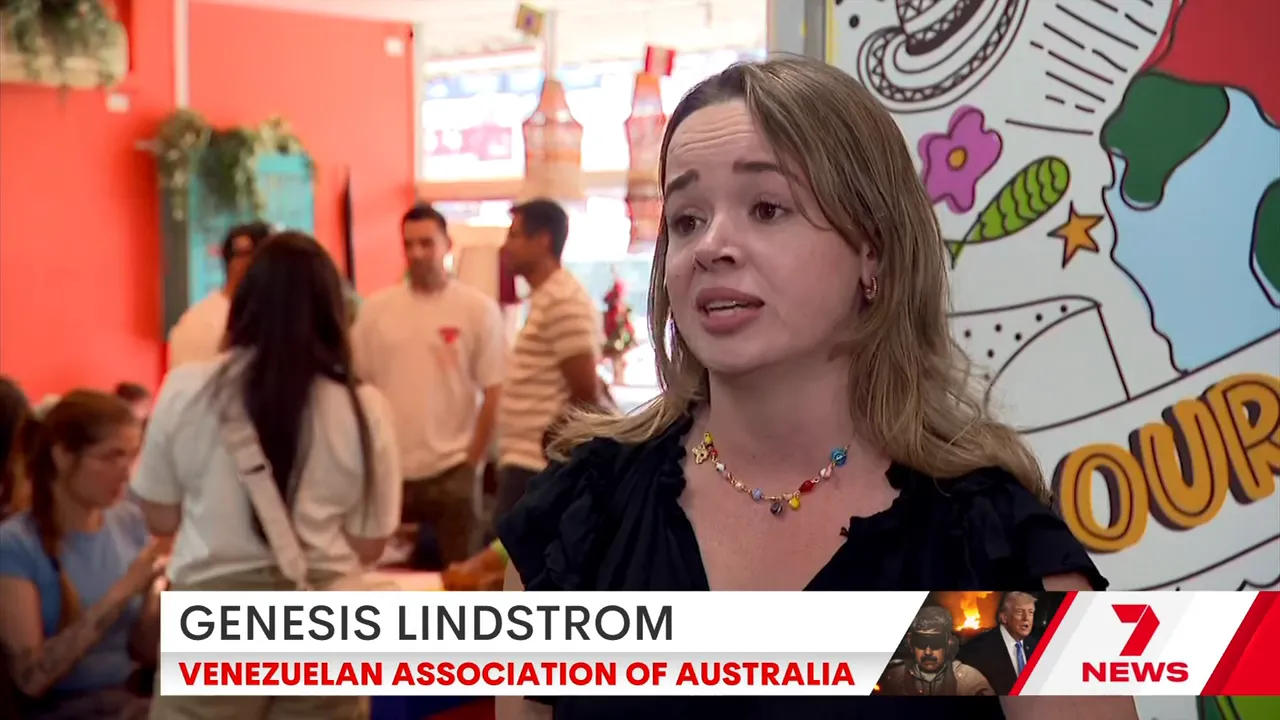
In Melbourne, members of the Venezuelan community said the operation brought cautious optimism. Families separated by years of exile spoke of relief but also fear for relatives still inside Venezuela.
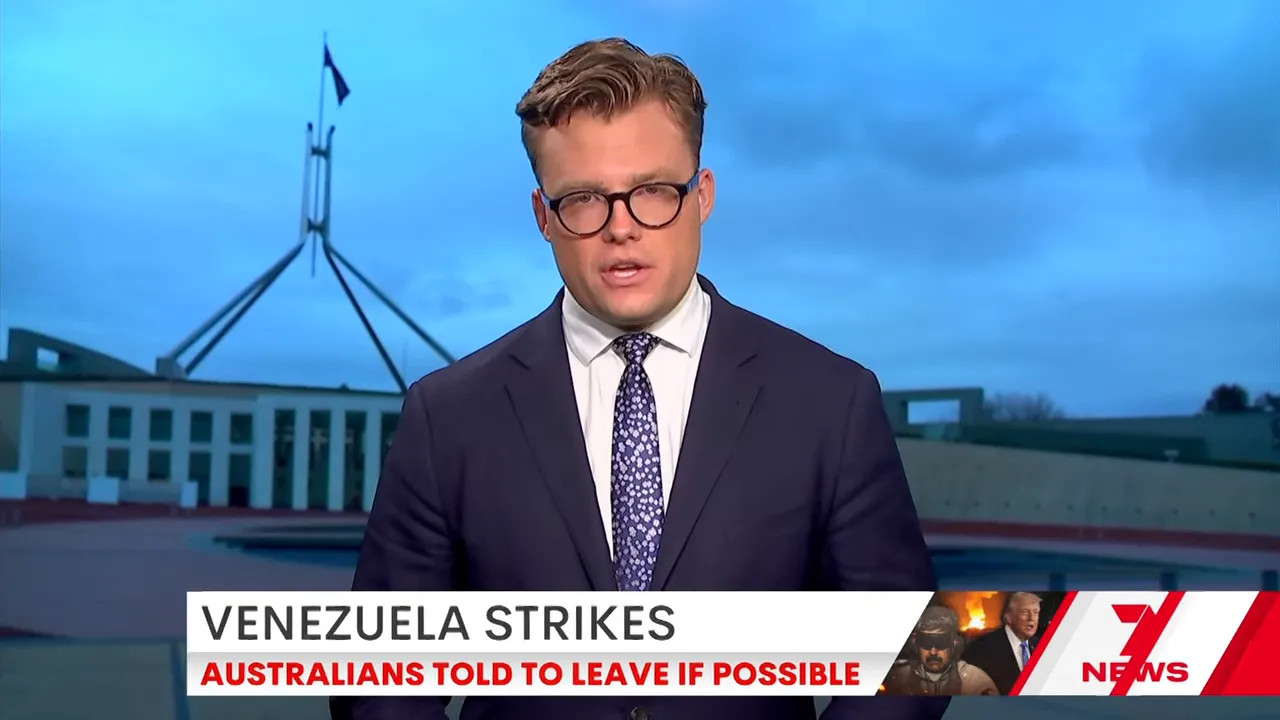
The Australian government has urged a peaceful, lawful transition and made clear it was neither involved in nor consulted on the operation. Canberra is making urgent inquiries to establish whether Australians in Venezuela have been affected and continues to advise citizens not to travel to the country while the security situation remains dangerous.
What this means for the region
Beyond the immediate headlines, the strikes highlight three central concerns: humanitarian needs inside Venezuela, the legal precedent for extraterritorial operations, and the broader geopolitical competition playing out in Latin America. Neighbouring countries face increased pressure from displaced people and from potential instability at their borders.
International calls for a peaceful, democratic transition are likely to grow louder as governments, NGOs and regional bodies seek to prevent further violence and support humanitarian access where it’s needed most.
Key takeaways
- Strikes in Venezuela have produced sharply divided responses: celebrations among many Venezuelans and strong protests in other quarters.
- Legal justification offered by the US is controversial and may be subject to judicial and diplomatic challenge.
- Allied nations call for a peaceful transition while urging respect for international law and human rights.
- Humanitarian and regional security concerns remain urgent, and Australians are advised to avoid travel to Venezuela.
FAQs
Is the US operation legally justified under international law?
The legality is disputed. The US cites domestic constitutional authority to address transnational threats, but international law experts say extraterritorial captures raise complex questions about sovereignty and precedent that will likely be debated by courts and diplomats.
What should Australians in Venezuela do now?
The Department of Foreign Affairs advises Australians to leave Venezuela as soon as it is safe to do so. Canberra is conducting urgent inquiries to confirm whether any citizens were impacted and to coordinate consular support where needed.
How have other countries responded?
Responses are mixed: some Western allies back a peaceful transition and question Maduro’s legitimacy, while other nations emphasise sovereignty and call for adherence to international law. The situation has attracted attention from major powers with interests in the region.
Are there historical precedents for this type of operation?
Yes. The US intervention that led to Panama’s Manuel Noriega being captured and taken to Miami in 1990 is often cited as a precedent, but each case differs in legal and geopolitical context.
The information in this article has been adapted from mainstream news sources and video reports published on official channels. Watch the full video here Mixed reaction from across the world on the strikes in Venezuela | 7NEWS


