Table of Contents
- Context and immediate fallout
- What happened during the operation
- Who is in charge now and how the US plans to operate
- Oil, reconstruction and the economics of recovery
- Regional implications: Cuba, Colombia and migration
- Legal process and the fate of Maduro
- What comes next: elections, security and reconstruction
- How Australians and the region might be affected
- Quick takeaways
- How soon will Venezuela hold free and fair elections?
- Will US troops stay in Venezuela long term?
- Will oil companies rebuild Venezuelan infrastructure at US direction?
- Does this mark a wider US policy shift toward nation-building in the region?
- What are the humanitarian priorities?
- Final observation
Context and immediate fallout
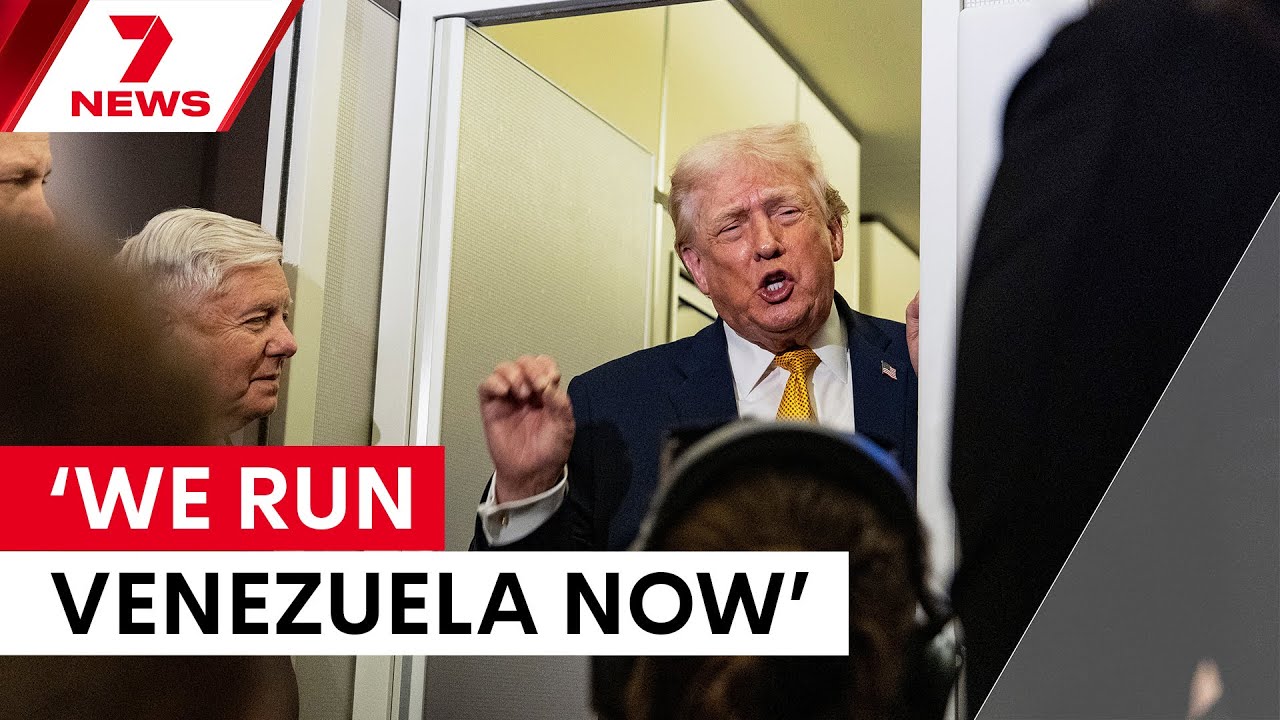
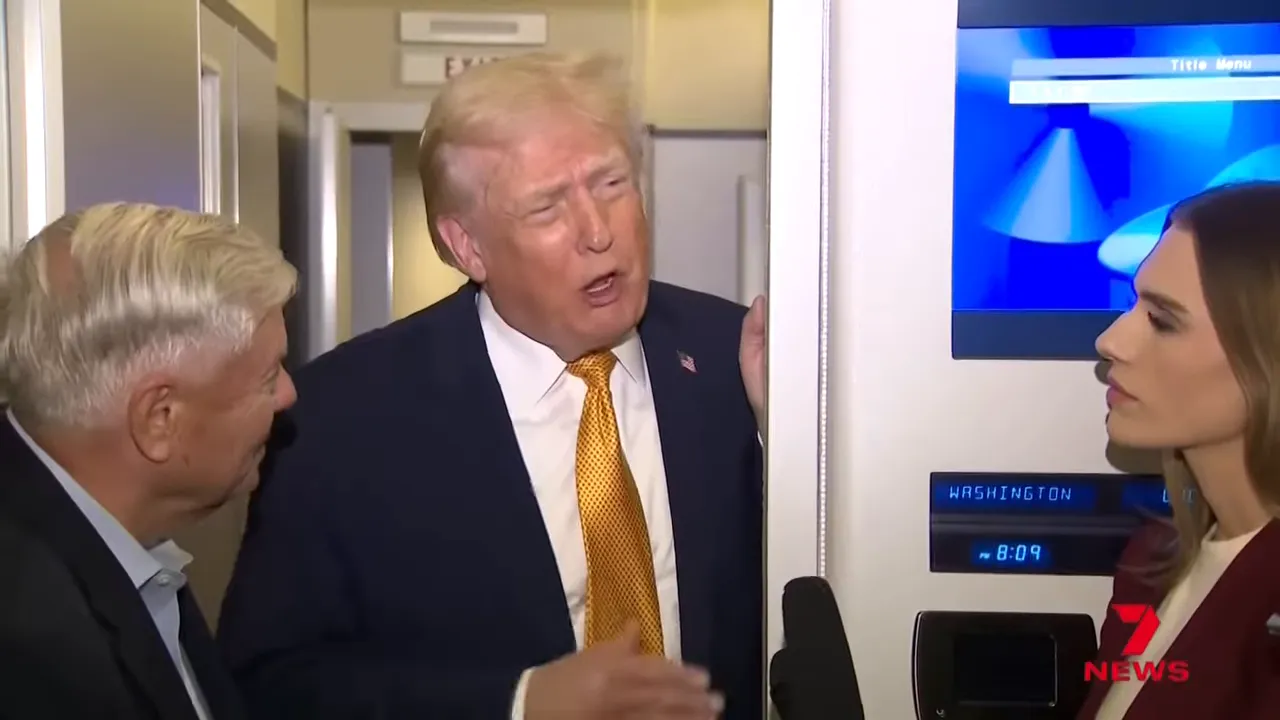
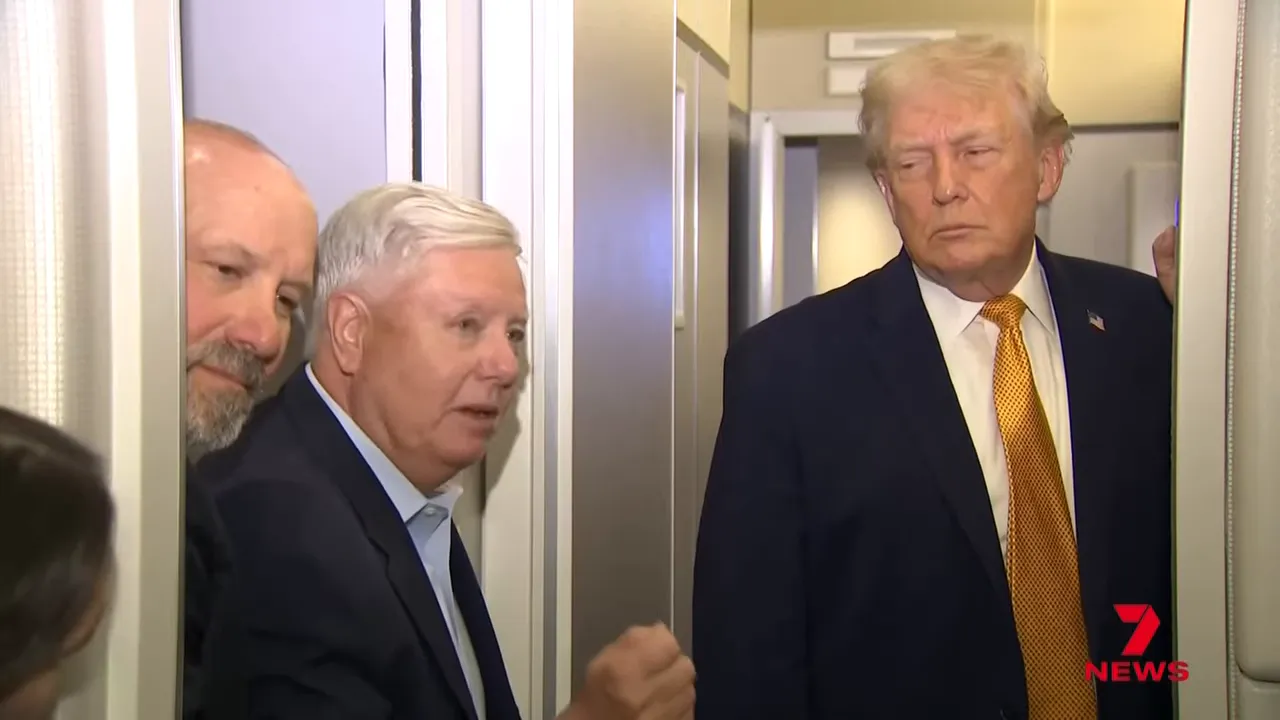
The Venezuela capture has thrust the country into an international spotlight and set out a clear agenda from the United States about rebuilding, oil access and regional security. In a press conference aboard Air Force One, the President described the operation as dangerous but successful, confirmed US control of the immediate situation and signalled plans to prioritise oil infrastructure, border security and the return of displaced Venezuelans.
The comments mix operational detail with a political roadmap: stabilise the country, restore energy production and prepare for elections "at the right time", while remaining ready to act again if necessary.
What happened during the operation
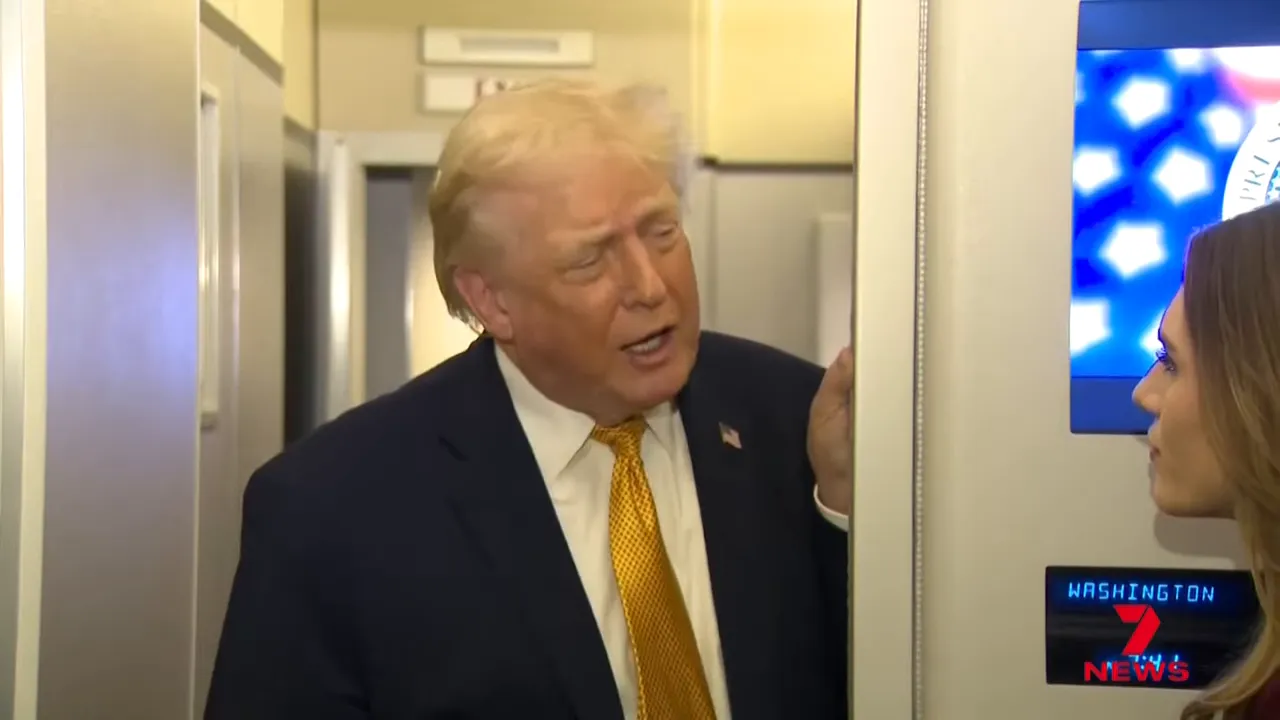
Senior officials described a high-risk night-time mission that involved helicopters under fire, close-quarters extraction and some injuries among US service members. The President praised the skill and bravery of the forces involved and said all injured personnel were in good shape.
“It was amazing that we had a few injured, but all are in good shape right now.”
According to the account given at the conference, one helicopter was badly hit but all assets and personnel were recovered. The operation ended with the Venezuelan leader in US custody and preparations underway for prosecution.
Who is in charge now and how the US plans to operate
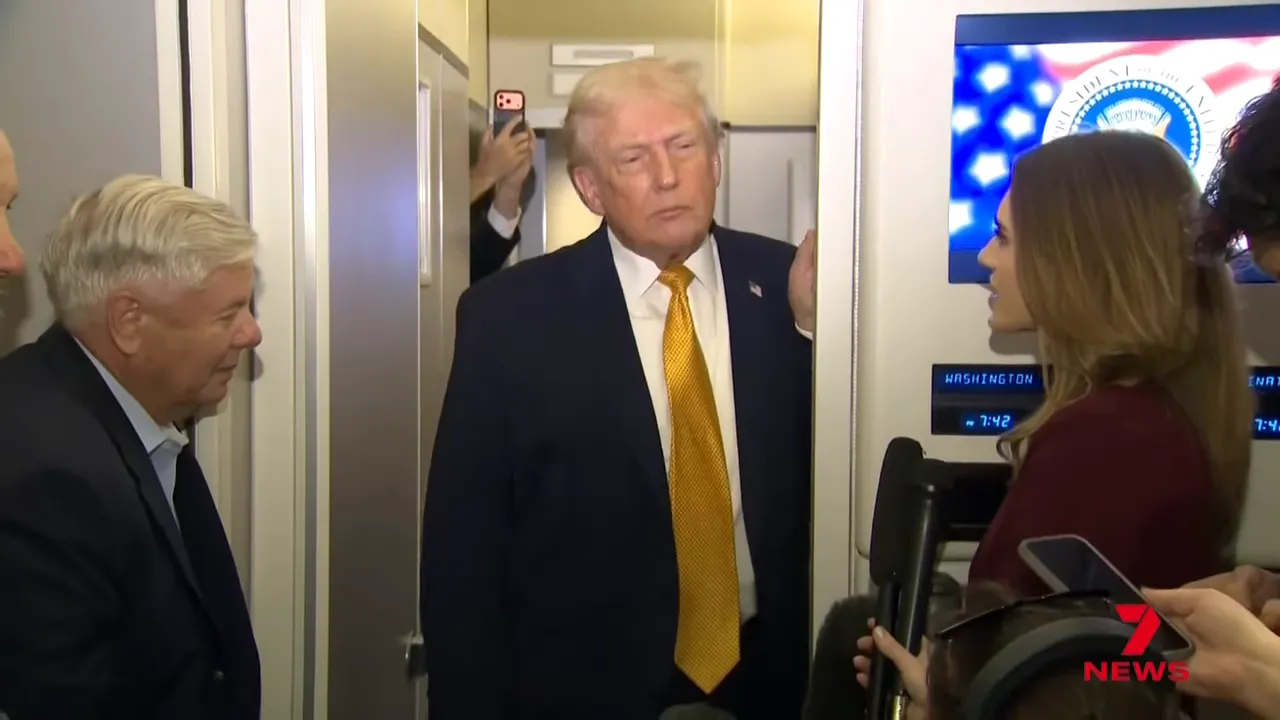
Asked who governs Venezuela now, the President’s response was unequivocal: the US is "in charge" of stabilising the country during the transition period. He said he had not personally spoken to the newly sworn-in figure leading the interim administration but indicated that others in his team had made contact and cooperation is underway.
The immediate US goals, as stated, are restoring basic services, re-enabling energy production and addressing humanitarian needs — with a stated preference for private oil companies to lead infrastructure rebuilding rather than direct US fiscal outlays.
Oil, reconstruction and the economics of recovery
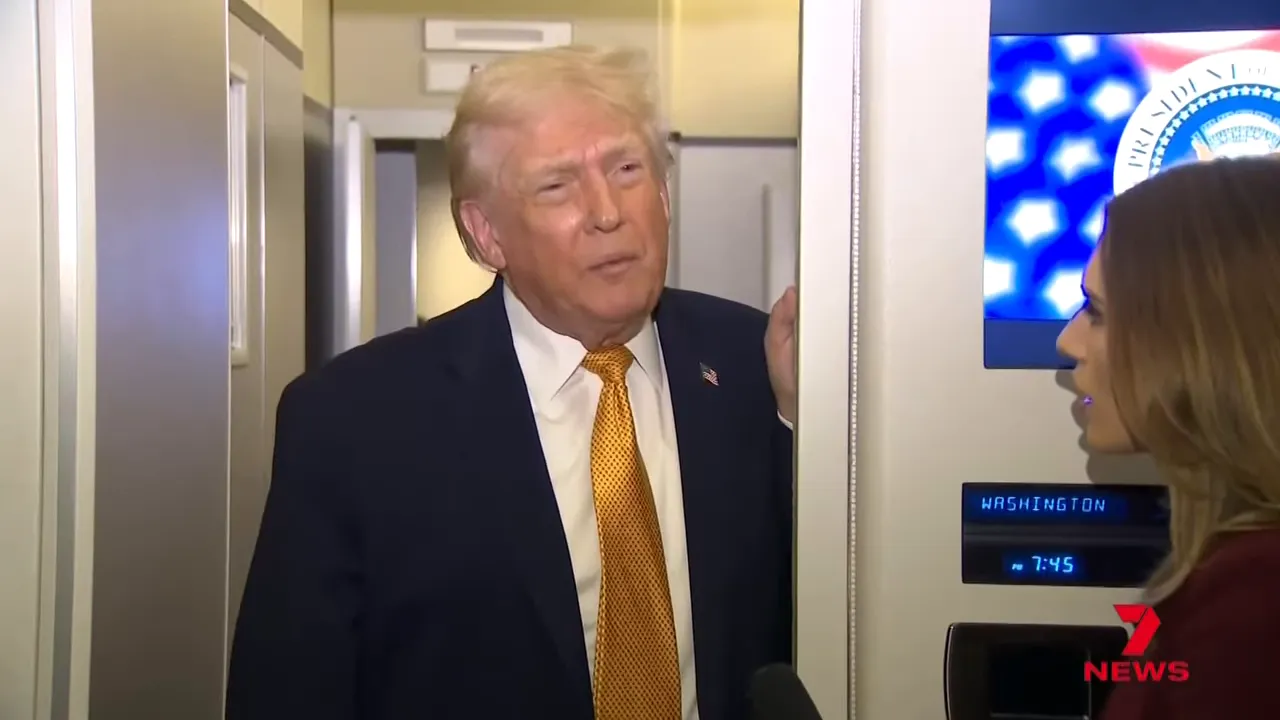
Energy policy is central to the announced plan. The President framed the decision partly around Venezuela’s vast hydrocarbon reserves and the need to get oil flowing again to lower prices and generate revenue for reconstruction.
He said international oil companies would invest to repair decayed infrastructure and that the US would "run everything" to ensure stability until viable governance and elections could resume. Critics and supporters alike will watch how governance, legal control of reserves and contract frameworks are settled.
Regional implications: Cuba, Colombia and migration
The capture is already being cast as a turning point in the hemisphere. The conference suggested that Cuba — long propped up by Venezuelan oil — could face serious economic strain and possible regime change pressures now that the flow of fuel and funds has been interrupted.
Colombia and Mexico also featured: officials signalled an intent to target drug-trafficking networks and to press neighbouring governments to crack down on cartels and smuggling routes. The President framed the mission as an effort to dismantle a "narco-terror" structure that had been exporting drugs and mass migration into the United States.
Legal process and the fate of Maduro
The Venezuelan leader is due to face US courts, and the President described the forthcoming trial as a "slog" but insisted the case was strong. He named a respected federal judge as overseeing proceedings and emphasised that bringing him to justice was a priority for deterrence and accountability.
What comes next: elections, security and reconstruction
Timelines remain vague. Officials emphasised that elections would follow reconstruction and stabilisation rather than come first. That means re-establishing public services, repairing oil infrastructure and ensuring security before international observers set an electoral calendar.
Military contingencies remain on the table: the administration said it was prepared for additional strikes if pushback arises and that US forces were ready for further operations if needed to secure progress.
How Australians and the region might be affected
Regional instability can have wide-ranging effects — from migratory flows and trafficking routes to energy markets. Restoring Venezuelan oil production could influence global prices; conversely, rapid change raises short-term risks for neighbouring states and for international humanitarian agencies responding to displacement.
Quick takeaways
- Operation outcome: The leader of Venezuela was captured; US forces report casualties but no fatalities among personnel.
- Short-term control: The White House has signalled US control over immediate stabilisation and reconstruction efforts.
- Energy focus: Rebuilding oil infrastructure and attracting major oil companies are central to the recovery plan.
- Regional strategy: Cuba, Colombia and Mexico are singled out as next touchpoints in tackling trafficking, narcotics and migration.
- Legal process: Prosecution in US courts is planned; details and duration remain to be seen.
How soon will Venezuela hold free and fair elections?
There is no firm timetable. Officials have said elections will follow reconstruction and stabilisation efforts rather than occur immediately; the priority is restoring infrastructure, security and basic services first.
Will US troops stay in Venezuela long term?
Long-term deployment was not promised. The administration has indicated contingency capability and readiness for additional operations if needed, but the stated aim is to hand over governance once the country is stabilised and elections are feasible.
Will oil companies rebuild Venezuelan infrastructure at US direction?
The announced approach relies on international oil companies investing to repair and restart production while the US provides oversight. Officials said the US would not be the primary investor but would support and 'run' aspects of the recovery during transition.
Does this mark a wider US policy shift toward nation-building in the region?
Speakers argued this is not classic nation-building but a targeted effort to stabilise the hemisphere, protect borders and dismantle criminal networks. Whether it becomes a sustained policy model will depend on outcomes and Congressional and international reaction.
What are the humanitarian priorities?
Immediate priorities include returning displaced Venezuelans, addressing health and food needs, and repairing critical infrastructure. The administration emphasised repatriation and support for Venezuelans who fled the country.
Final observation
The Venezuela capture has reopened a long-running debate about intervention, sovereignty and the balance between security and reconstruction. The coming weeks will test whether the stated plan — stabilise first, then enable elections — can be implemented without creating new sources of instability in the region.
The information in this article has been adapted from mainstream news sources and video reports published on official channels. Watch the full video here 'It's a dead country': Trump on the capture of the Venezuelan President and what's next | 7NEWS


