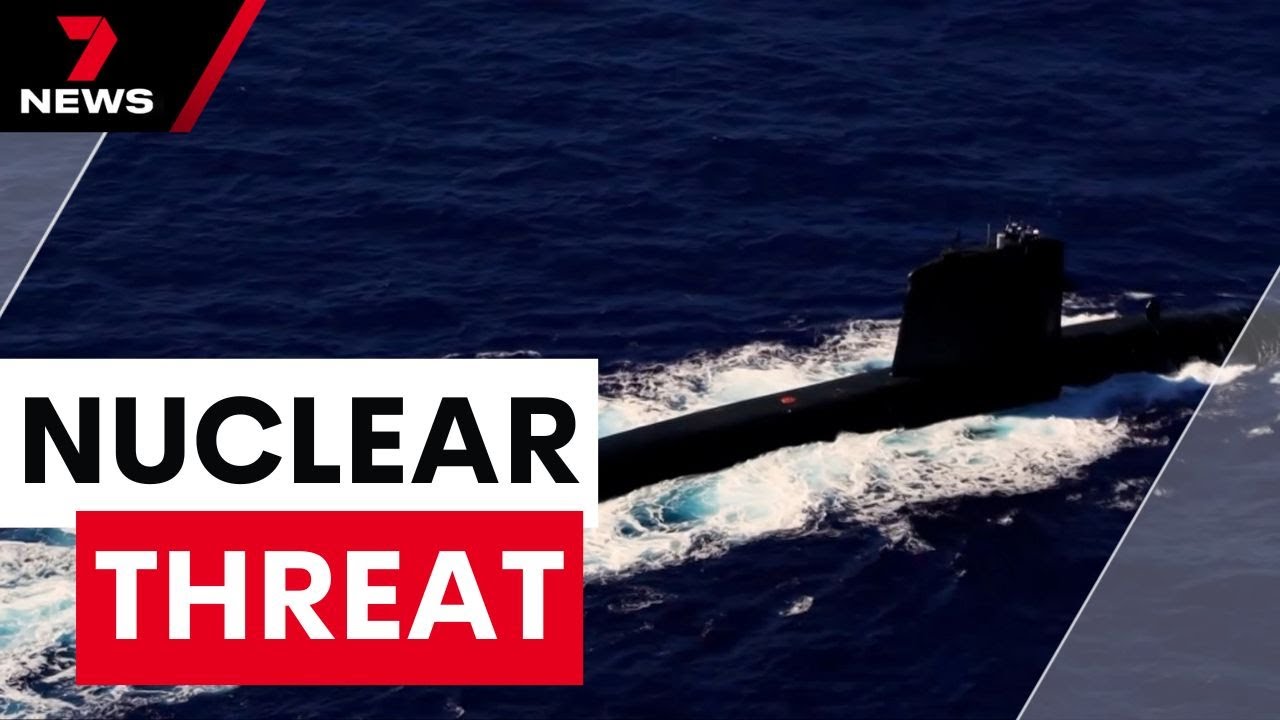
In a recent and alarming development, former US President Donald Trump has taken a bold stance against Russia by flexing American military power in response to provocative statements from Russia’s former president, Dmitry Medvedev. This move underscores rising tensions over the ongoing conflict in Ukraine and highlights the growing frustration in Washington over Moscow’s refusal to engage in peace negotiations.
Table of Contents
- Trump’s Strategic Military Response
- Rising Nuclear Threat Amidst Ukraine Conflict
- Russia’s Perspective and the Broader Implications
- What This Means for Global Security
- Frequently Asked Questions (FAQ)
Trump’s Strategic Military Response
Donald Trump has ordered the deployment of two US nuclear submarines to strategic regions, a clear signal of preparedness in the face of escalating rhetoric from Russia. This decision comes after Medvedev described Trump’s ultimatum—a ten-day deadline for Russia to cease hostilities in Ukraine—as a “threat” and an indication of impending war, not just between Russia and Ukraine, but potentially involving the United States itself.
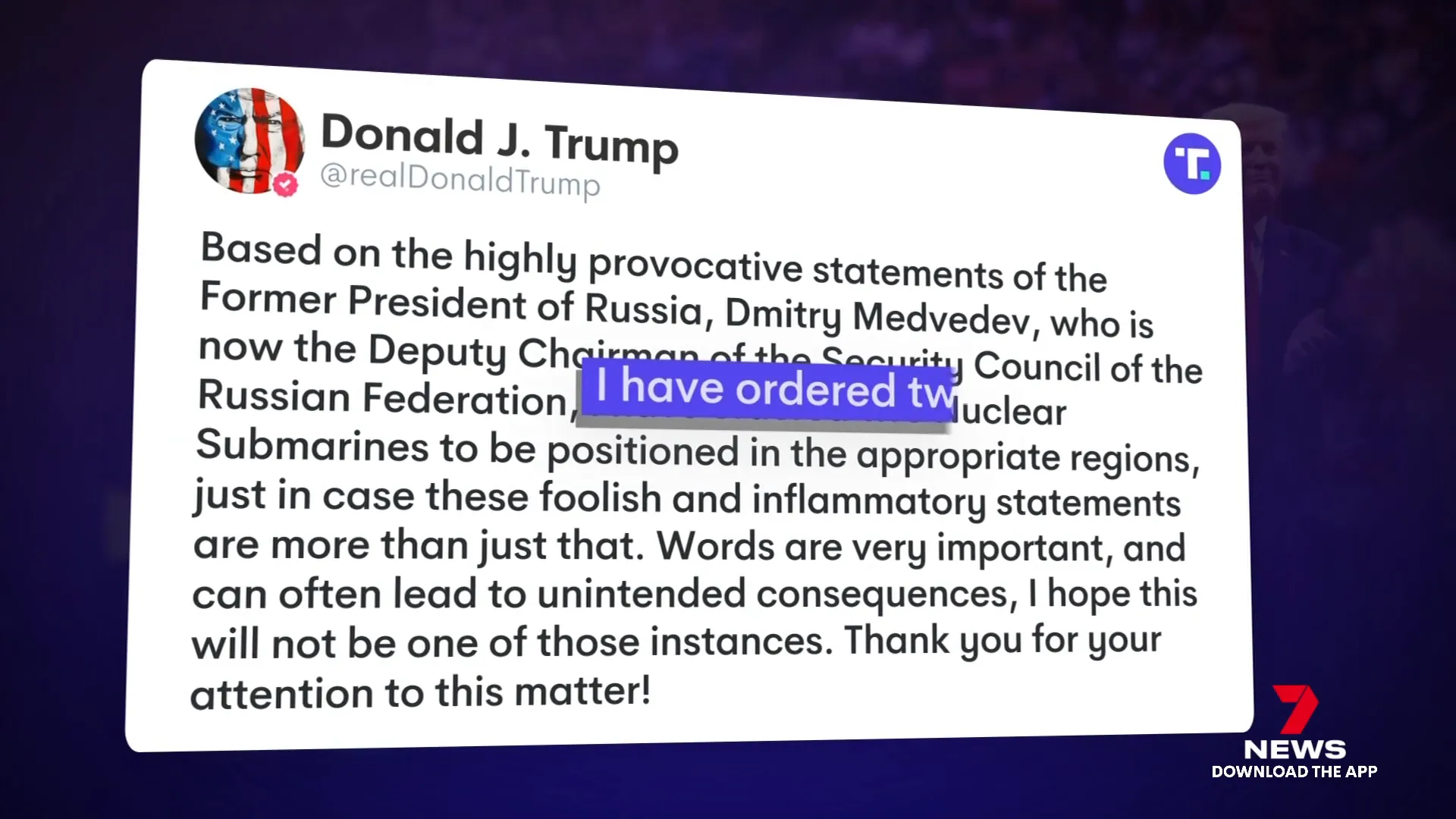
Trump responded firmly, stating, “A threat was made by a former president of Russia, and we're gonna protect our people.” He emphasized the seriousness of nuclear talk, saying, “When you talk about nuclear, we have to be prepared, and we're totally prepared.” This readiness reflects the US commitment to safeguarding its interests and deterring any nuclear escalation.
Rising Nuclear Threat Amidst Ukraine Conflict
The threat of nuclear escalation is a stark reminder of the high stakes involved in the war in Ukraine. Trump’s frustration is palpable as Russia continues to reject calls for peace talks. The situation on the ground remains dire: a recent Russian aerial assault on Kyiv resulted in the tragic deaths of at least 31 people, including five children.
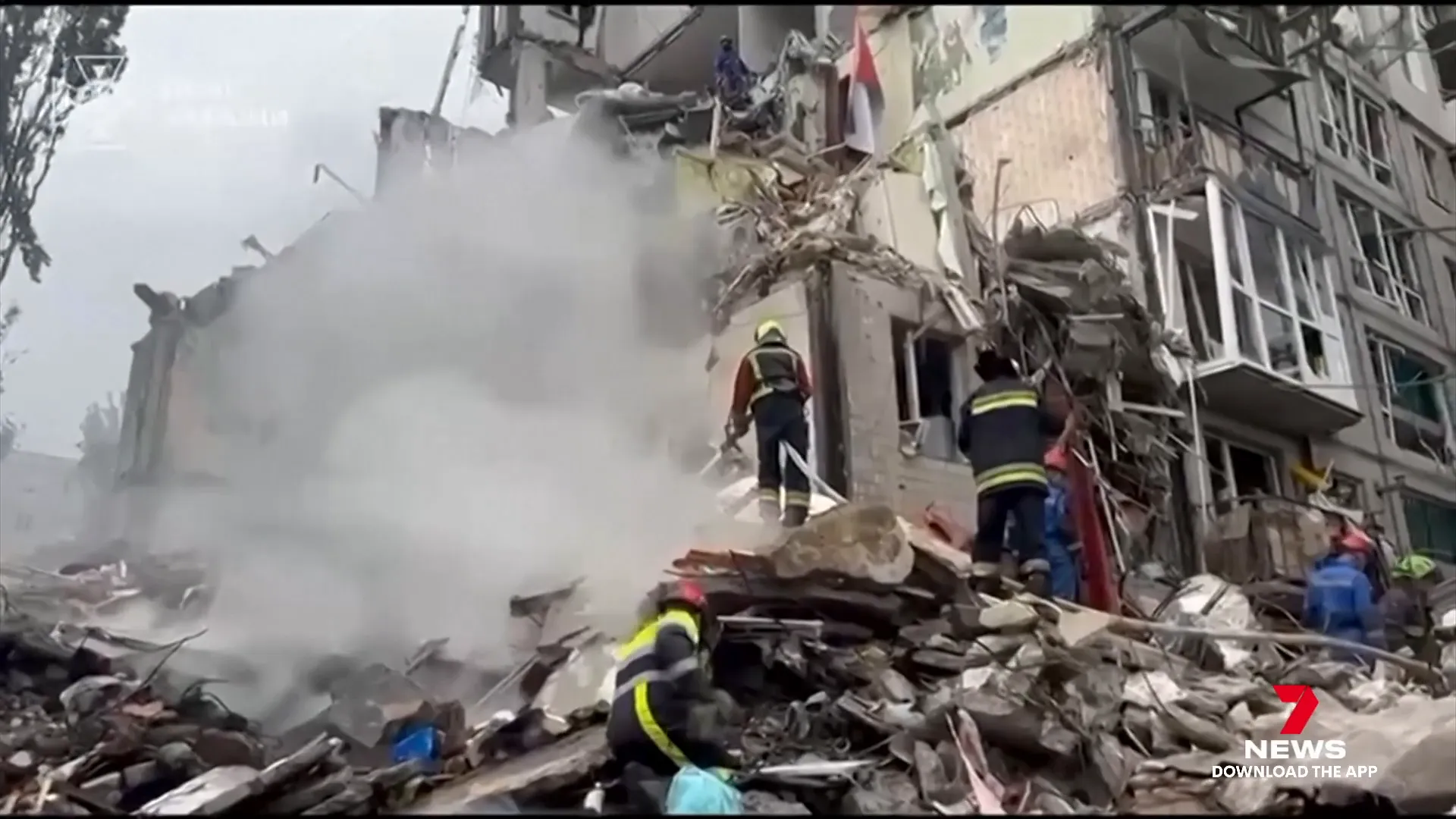
In response to Moscow’s aggression, Trump has warned of further sanctions if Russia does not agree to a ceasefire by August 8. This ultimatum aims to pressure the Kremlin into halting the violence and engaging in meaningful negotiations.
Russia’s Perspective and the Broader Implications
From the Russian side, Medvedev’s comments reflect a defensive posture, viewing the US deadline as provocative. The Kremlin’s president recently remarked, “All disappointments arise from excessive expectations,” highlighting Russia’s stance that international patience is wearing thin.
This dynamic illustrates the complex and dangerous interplay of expectations and threats that characterize the current geopolitical climate. The risk of miscalculation is high, and the international community watches anxiously as the situation unfolds.
What This Means for Global Security
Trump’s move to deploy nuclear submarines and issue stern warnings signifies a heightened alert level in US-Russia relations. While these actions aim to deter further escalation, they also contribute to an atmosphere of tension and uncertainty.
As the conflict in Ukraine continues, the stakes for global security grow higher. The world remains on edge, hoping for a peaceful resolution but preparing for the worst.
Frequently Asked Questions (FAQ)
- Why did Donald Trump order the deployment of nuclear submarines?
Trump ordered the deployment to signal US readiness and deter any potential nuclear threats following provocative statements by Russia’s former president. - What was Dmitry Medvedev’s reaction to Trump’s deadline?
Medvedev called the ten-day deadline a threat and a step towards war involving the US, not just Russia and Ukraine. - What are the consequences if Russia does not agree to a ceasefire?
Trump has warned that additional sanctions will be imposed if Moscow refuses to halt the conflict by August 8. - How many casualties were reported from the recent Russian aerial assault on Kyiv?
At least 31 people, including five children, were killed in the attack. - What does this escalation mean for global security?
The increased military posturing and nuclear threats elevate tensions, increasing the risk of wider conflict and instability.


