Table of Contents
- Major escalation in the Americas after a targeted US operation seizes Nicolás Maduro and signals control of Venezuelan oil assets
- What happened, where and when?
- Why now? Geopolitics, oil and a history of intervention
- Immediate impacts and regional implications
- Other headlines from the same bulletin
- What comes next?
- Key takeaways
- Frequently asked questions
- What to watch
Major escalation in the Americas after a targeted US operation seizes Nicolás Maduro and signals control of Venezuelan oil assets
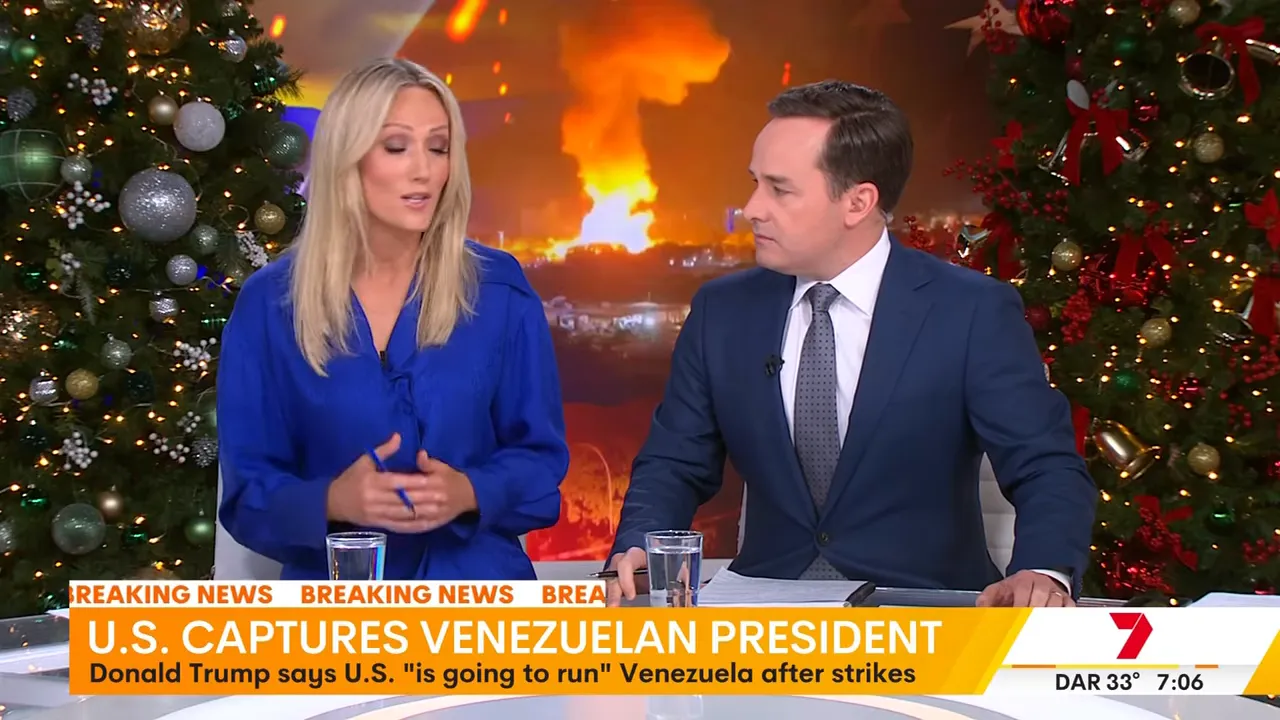
U.S. Bombs Venezuela dominated headlines after an overnight operation in which an elite US force struck Caracas, captured President Nicolás Maduro and moved him to New York for indictment on drug and weapons charges. The dramatic move, announced from Mar‑a‑Lago, marks a sharp escalation in long‑running tensions and raises immediate questions about sovereignty, security and energy supply.
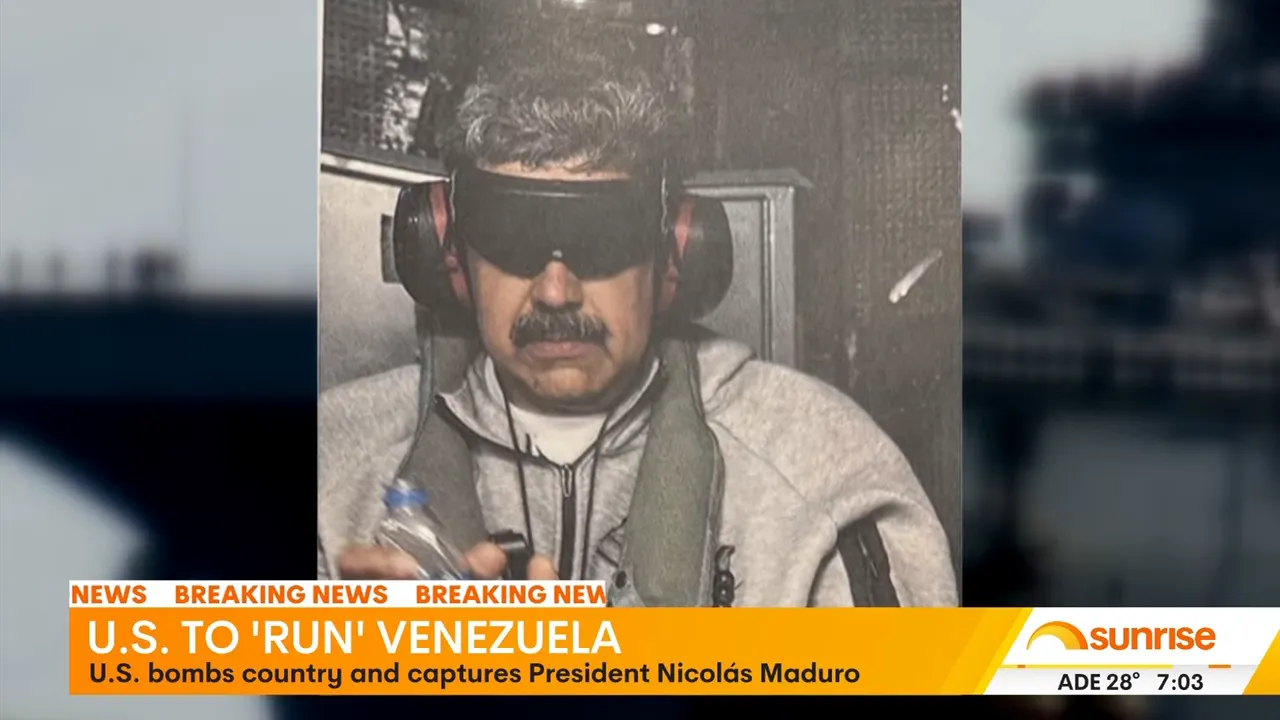
The raid occurred around 2 a.m. local time and reportedly lasted just over two hours. Video and images shared by US officials show Maduro blindfolded and in handcuffs shortly after his capture inside his home. US President Donald Trump said the action was “highly targeted” and warned other resistance leaders could be next.
“[The US will] run Venezuela for the foreseeable future,”
The White House announcement went further, signalling that US‑based oil companies would be brought in to extract Venezuela’s vast reserves and that members of the US cabinet could play a role in running the country until a transition is organised. Officials also did not rule out deploying ground forces if required.
What happened, where and when?
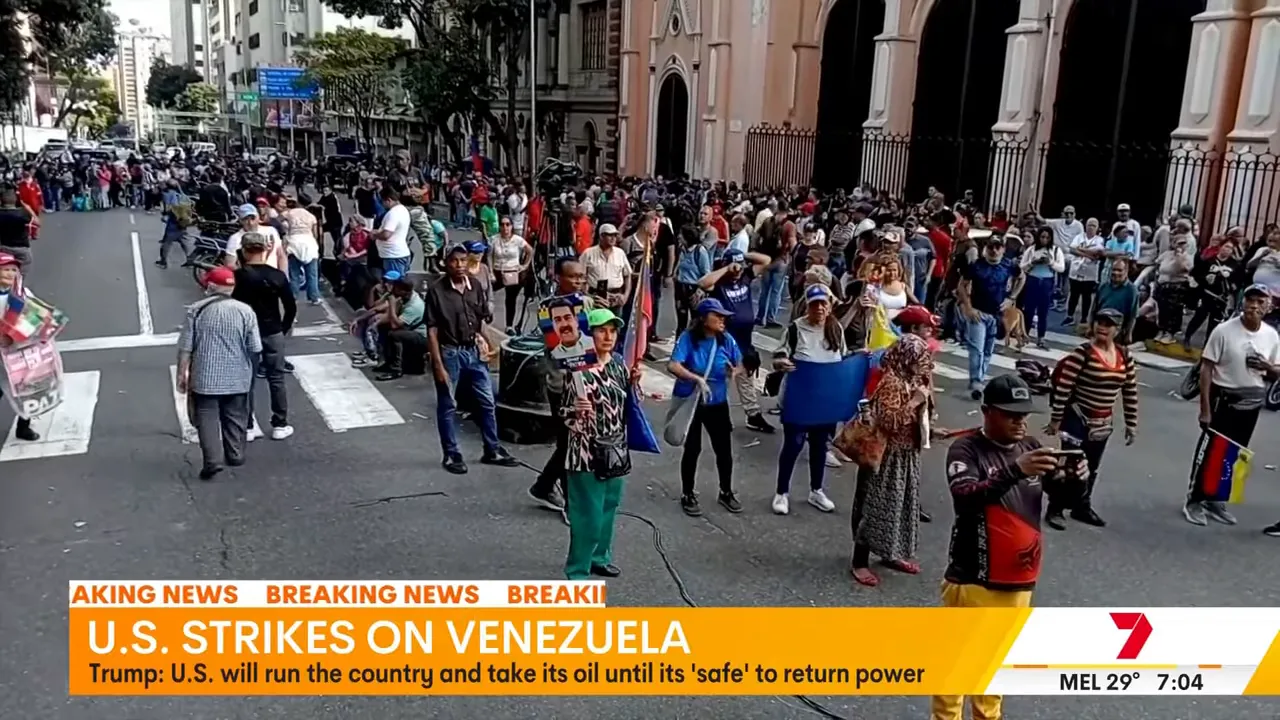
The operation targeted the Venezuelan capital and key locations overnight. Maduro and his wife have been taken to New York and are expected to face drug trafficking and narco‑terrorism charges. Reports from the ground are mixed: US officials say an interim leader has been sworn in, while Venezuelan state television and Maduro loyalists call for his release.
On the streets of Caracas the situation remains fluid. Supporters of Maduro may mobilise, while many Venezuelans—who have endured years of economic collapse despite enormous oil reserves—may welcome the removal of a leader who ruled with an increasingly authoritarian grip.
Why now? Geopolitics, oil and a history of intervention
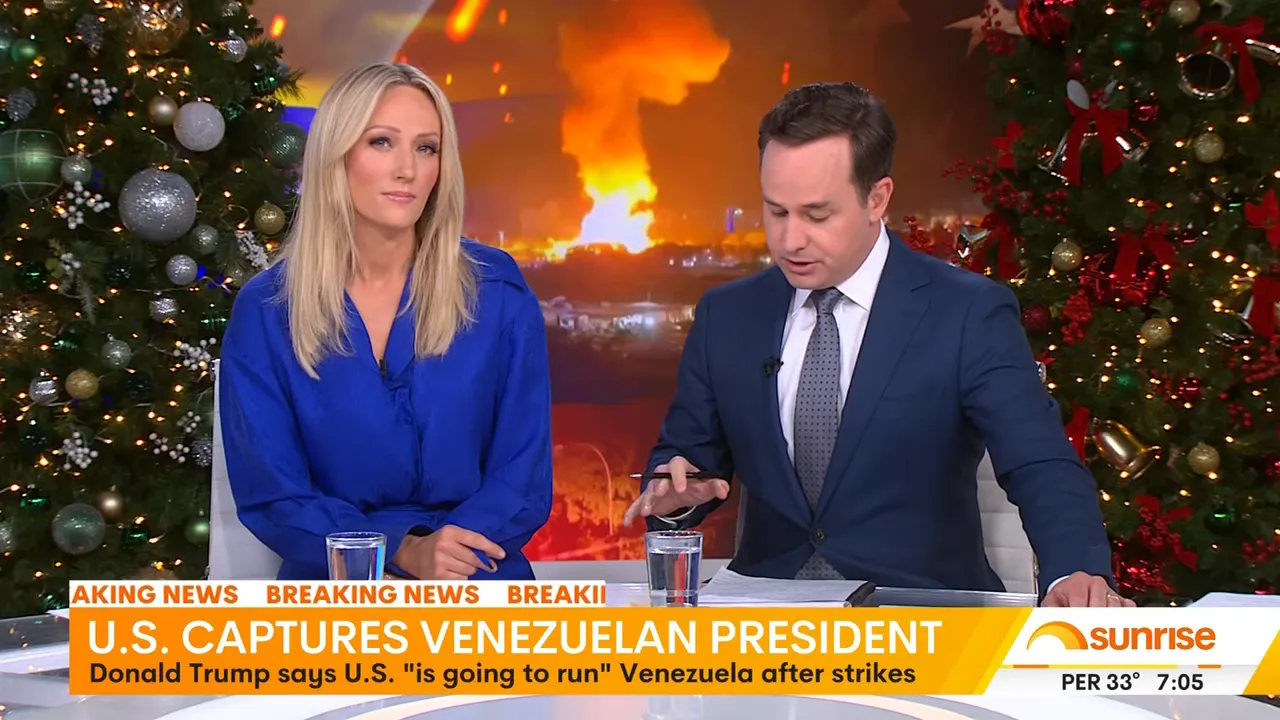
The operation follows decades of strained relations between the US and Venezuela and sits within a pattern of interventions aimed at regime change. Analysts point to Venezuela’s position as the country with the world’s largest proven oil reserves but among the lowest production rates. US officials argue reopening oil production is both an economic and strategic priority.
- Venezuela has huge proven reserves but produces only a small share of global oil output.
- Bringing US energy firms into Venezuela could swiftly increase supply, according to proponents.
- Opponents warn occupation or external control risks prolonged instability and backlash across Latin America.
Immediate impacts and regional implications
The capture of Maduro is likely to reshape diplomatic relations across the hemisphere. Latin American governments will need to respond, and international institutions may be asked to weigh in on legality and human rights concerns. There are also economic ripple effects to watch: oil markets, investor confidence, and migration flows could all shift quickly.
For Australians, indirect effects may appear through global oil price movements and diplomatic pressure in multilateral forums. The operation is nonetheless primarily a regional security story with global consequences.
Other headlines from the same bulletin
The newscast also covered tragic and local stories that underscore a busy international news cycle. A deadly fire in a Swiss bar left dozens dead and prompted criminal investigations into renovations and safety failures.
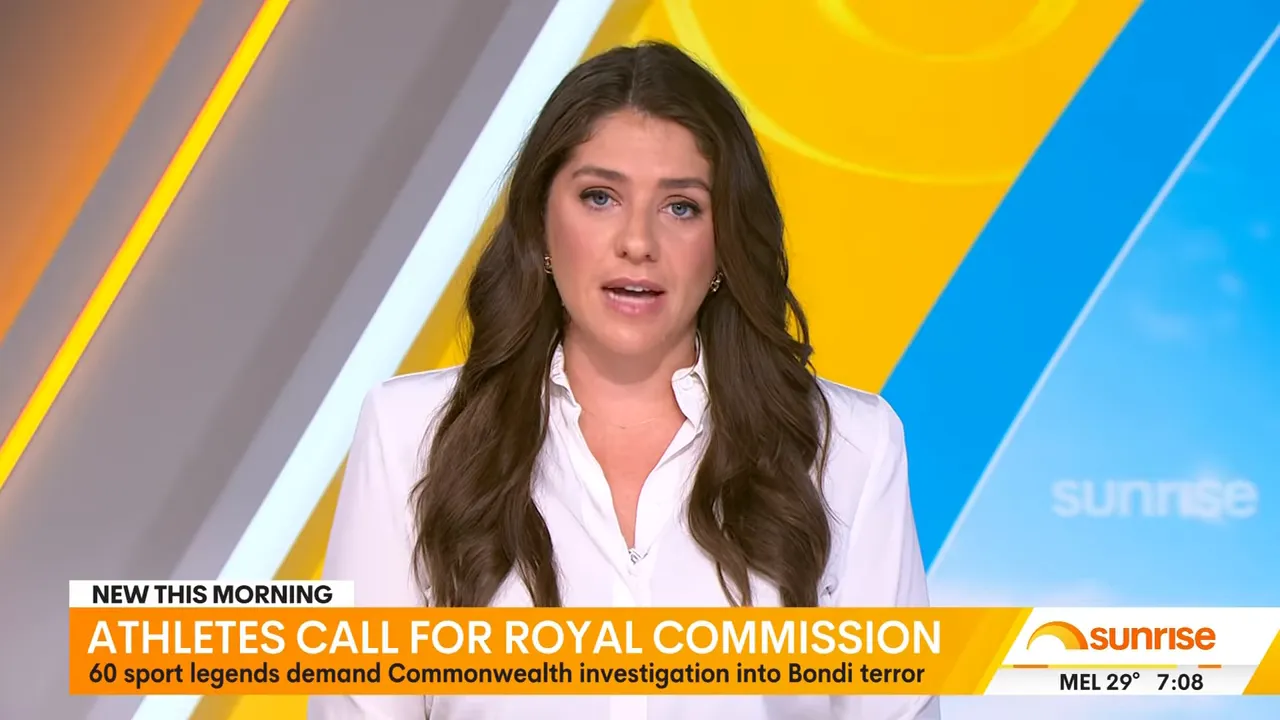
At home, 70 prominent Australian athletes urged the federal government to launch a royal commission into the Bondi terror attack, calling for a national, non‑partisan response ahead of the Brisbane 2032 Olympic Games.
What comes next?
Expect rapid developments. Independent verification of who controls Venezuelan institutions will be crucial. International courts and diplomatic channels may become arenas for challenge and response. On the ground, Venezuelans will decide how they react—through protest, resistance or cautious acceptance.
Policywise, the timeline and legal basis for installing US companies to manage oil extraction are unclear. Any long‑term presence will require political solutions that address governance, reconstruction and legitimate representation.
Key takeaways
- A US special operation captured President Nicolás Maduro and transferred him to New York for indictment.
- The US has publicly signalled intent to oversee Venezuela’s oil production and hinted at transitional governance roles.
- The situation on the ground is unstable, with mixed reports about who controls Caracas and calls for resistance from Maduro loyalists.
- Regional diplomacy, energy markets and international law will shape the coming days and months.
Frequently asked questions
What exactly did the US do in Venezuela?
The United States carried out a targeted overnight raid on Caracas by an elite commando team, which resulted in the capture of President Nicolás Maduro. US officials say the operation lasted just over two hours and that Maduro was taken to New York to face drug and weapons charges.
Is Venezuela under US control now?
Control is contested. US officials have announced plans for interim oversight and the installation of US energy companies to extract oil, while some Venezuelan figures have declared an interim president and Maduro loyalists are still active. The situation remains fluid and subject to confirmation from on‑ground sources.
Why are US oil companies being mentioned?
Venezuela holds the world's largest proven oil reserves, yet production has been severely constrained. US leaders have cited restarting and maximising oil output as a strategic priority, proposing US‑backed firms could be deployed to rapidly increase production and stabilise supply.
Could this lead to wider conflict in the region?
The operation increases the risk of regional tensions and could prompt diplomatic, economic or even armed responses from allies of Venezuela. The international community's reaction and the response of Venezuelan institutions will be key determinants of whether the situation escalates further.
How might this affect Australia?
Direct effects on Australia will likely be limited, but global oil prices, refugee flows and international diplomatic dynamics could have secondary impacts. Australia may also face domestic debate about foreign policy and support for international law and human rights.
What to watch
- Official updates from the US State Department and Venezuelan government channels.
- Statements from regional blocs such as the Organisation of American States and the United Nations.
- Oil market reactions and announcements from major energy firms.
- On‑the‑ground reports of civil unrest or mobilisation in Venezuela.
The information in this article has been adapted from mainstream news sources and video reports published on official channels. Watch the full video here U.S. bombs Venezuela, Photos reveled after Fatal Swiss Inferno, Call for Royal Commission | 7NEWS


