Double-tap strikes: US says attacks lawful
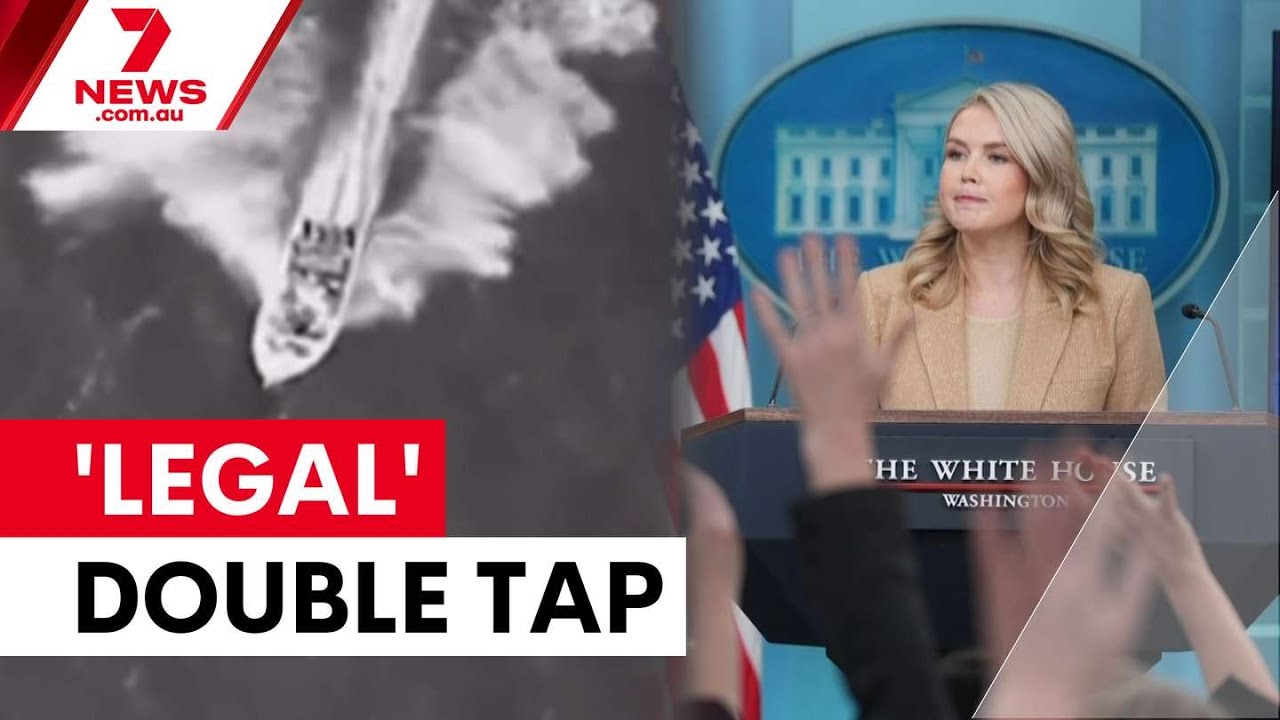
Table of Contents
- Context and key developments
- What happened and why the US says it acted
- Who authorised the actions?
- International response and legal questions
- Venezuela, airspace and diplomacy
- President’s public comments
- Key takeaways
- FAQs
Context and key developments
Double-tap strikes have become the focus of a major international controversy after the US administration confirmed lethal strikes on vessels suspected of carrying drugs from Venezuela. The administration says those strikes were conducted in self-defence, in international waters, and under the law of armed conflict.
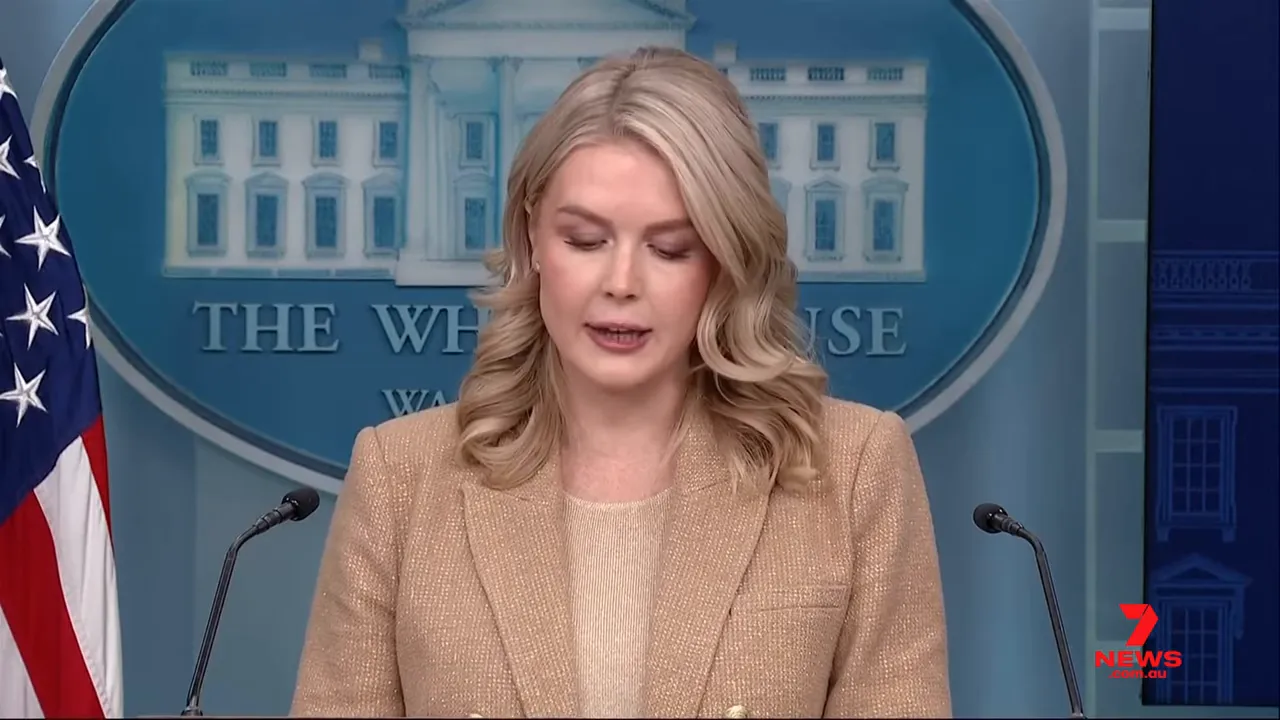
The White House briefing clarified that Defence officials authorised follow-up kinetic engagements to eliminate threats. Officials say Admiral Bradley directed the actions and acted within his legal authority to ensure the vessels were destroyed and the threat to the United States removed. The announcement came amid wider scrutiny over whether a reported second strike targeted surviving crew members.
What happened and why the US says it acted
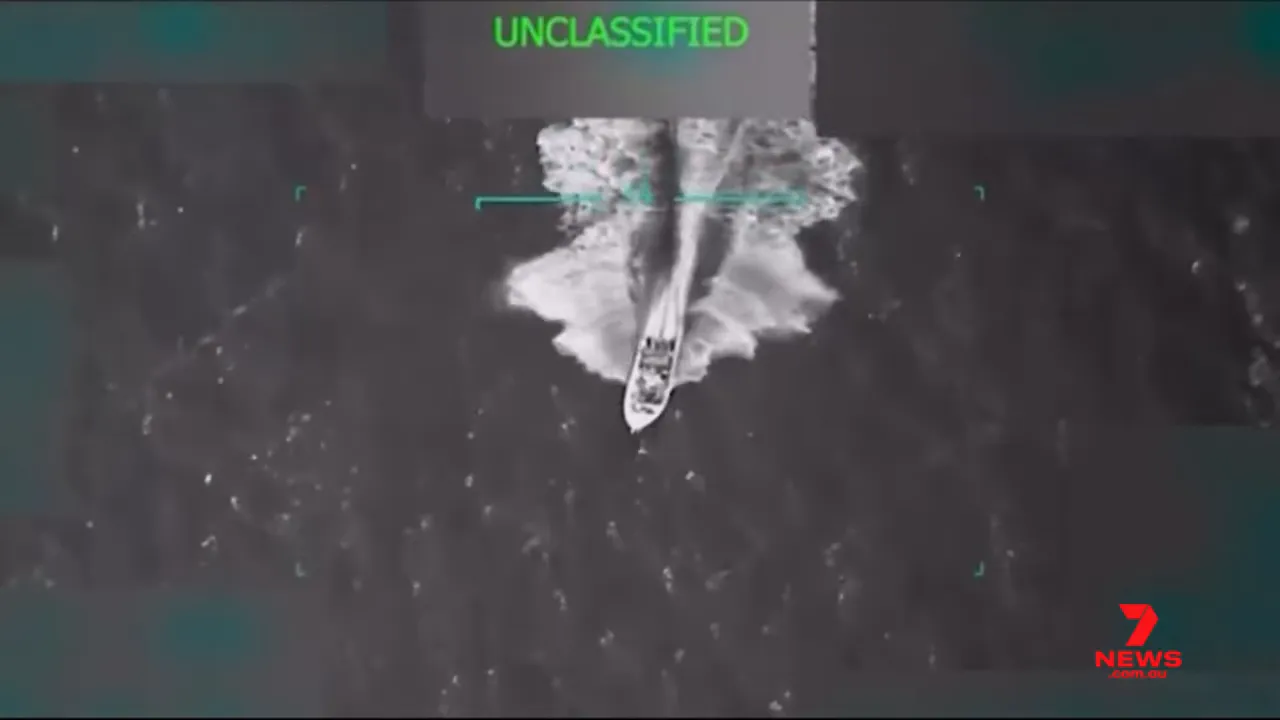
Officials described the targets as "presidentially designated narco‑terrorist groups" and argued that their trafficking of illegal narcotics constitutes a direct threat to US citizens. The administration framed the operations as part of an effort to prevent drugs — including fentanyl — reaching American communities at record rates.
The strikes in question occurred on September 2 and formed part of a multi-month campaign against suspected drug shipments by sea. According to the administration, strikes were carried out in international waters and framed as measures of self‑defence to protect vital US interests.
Who authorised the actions?
The administration said Defence leadership authorised Admiral Bradley to conduct "kinetic strikes". Spokespeople maintained that Admiral Bradley acted within his authority and the law, directing engagements to destroy the boats and eliminate the threat.
Reporters pressed whether an initial order instructed forces to "kill everyone" aboard a vessel; the administration rejected that claim and denied that Defence leadership issued such language. Instead, officials emphasised the legal basis for action against designated narco‑terror groups.
International response and legal questions
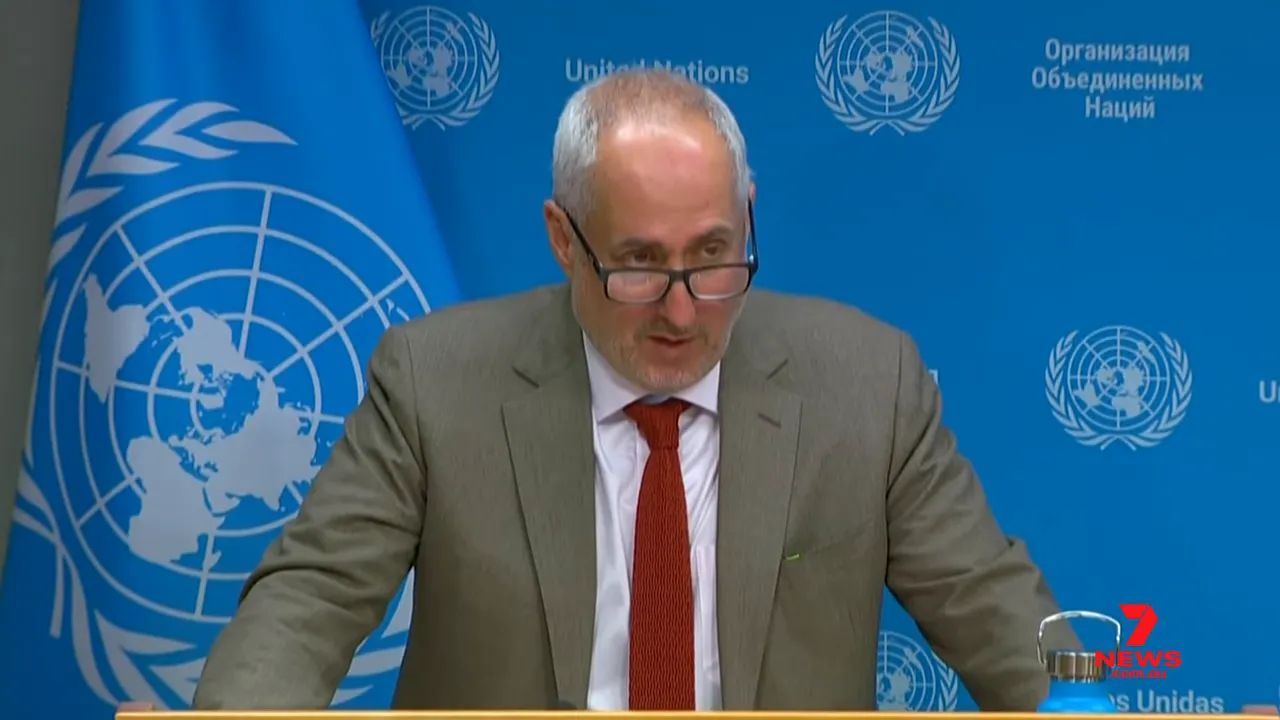
The United Nations has voiced concern. UN officials and human rights experts have said these strikes may raise questions under international human rights law and have called for transparent investigations into the attacks.
On legal grounds, the US cited the law of armed conflict and the right of self‑defence as the basis for targeting, particularly given the cross‑border harms attributed to the trafficked drugs. Critics argue that follow‑up strikes that may have killed wounded survivors require close scrutiny and independent inquiry.
Venezuela, airspace and diplomacy
The strikes sit alongside recent tensions over Venezuelan airspace and diplomatic contact. The White House confirmed a national security meeting to discuss Venezuela and related matters but declined to detail deliberations. Officials said many options remain on the table, without specifying whether ground troops are being actively considered.
Questions about airspace incidents were directed to the International Civil Aviation Organization in Montreal, while the UN’s Secretary‑General and agencies continue to monitor developments and the safety of international civil aviation.
President’s public comments
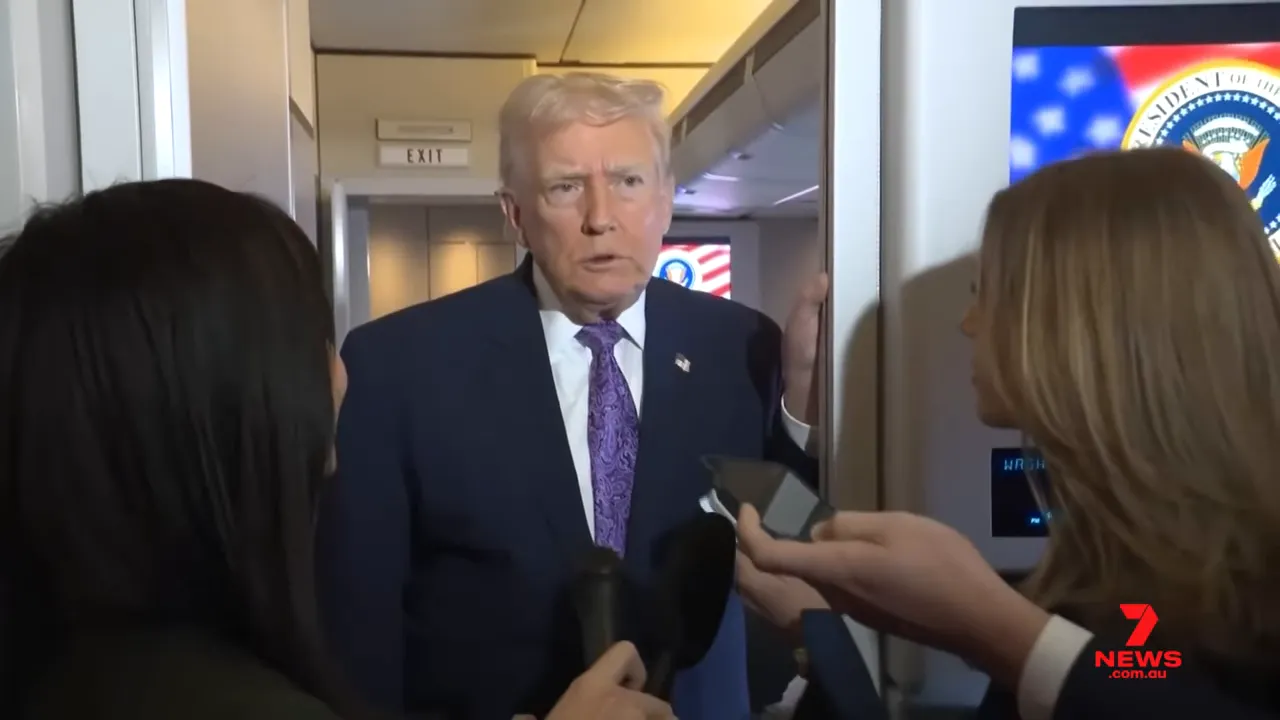
Public remarks attributed to the President stressed a hard line against narco‑terror groups and framed the campaign as part of a broader effort to reduce the flow of deadly narcotics into the US. Administration spokespeople said recent policies represent a "drastic difference" from prior approaches and pointed to falling maritime drug shipments as evidence of effectiveness.
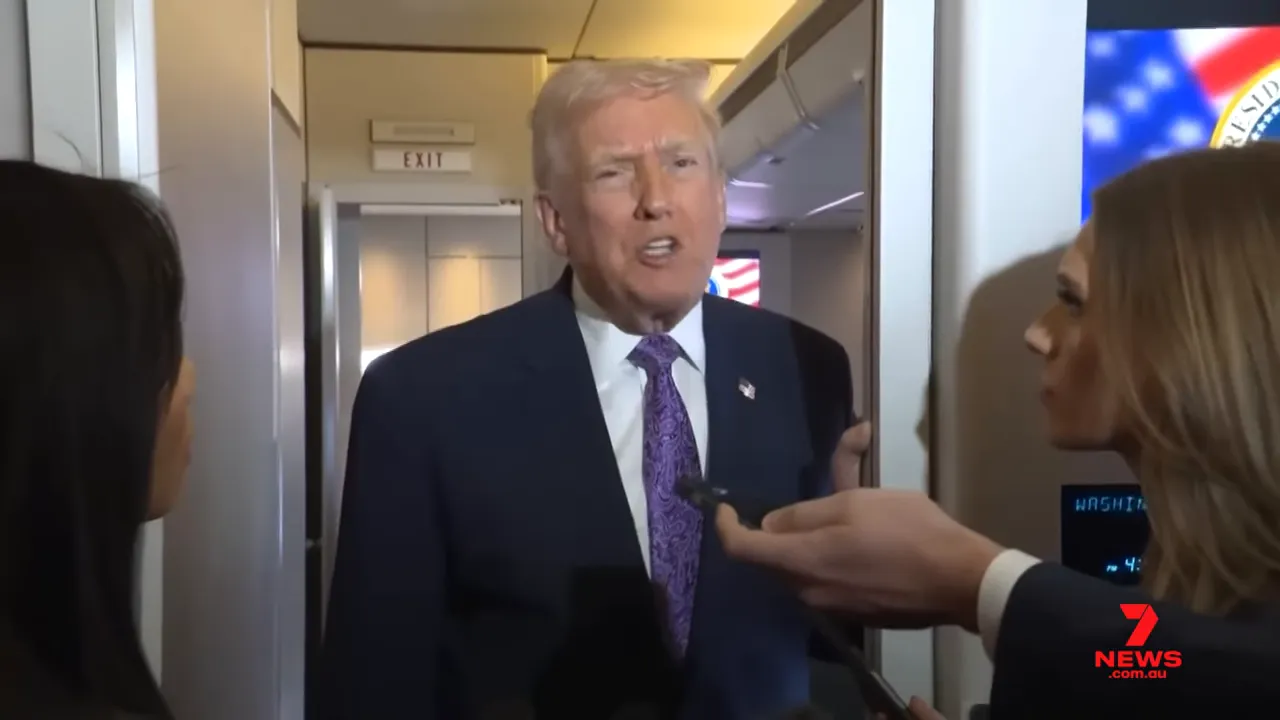
Press exchanges included denials from senior defence officials when asked if a second, follow‑up strike targeted wounded survivors. The President said he would seek more information and voiced confidence in his defence team while also urging investigations where appropriate.
Key takeaways
- The US administration says the maritime strikes were lawful acts of self‑defence conducted in international waters.
- Officials say Defence leadership authorised Admiral Bradley to direct the engagements and that actions were within legal authority.
- Allegations that follow‑up strikes intentionally targeted wounded survivors are disputed and have prompted calls for investigation.
- The UN has expressed concern and urged transparent inquiries, citing potential human rights implications.
- Diplomatic and aviation questions linked to Venezuela remain active and are being handled through international bodies such as ICAO.
FAQs
Did the US government admit a second strike took place?
The administration confirmed follow‑up engagements occurred but rejected claims that senior Defence officials ordered an instruction to "kill everyone". Officials said Admiral Bradley authorised and directed strikes within his authority; reporting that a second strike deliberately targeted survivors has been denied and remains under review.
Were the strikes legal under international law?
The administration argues the strikes were lawful under the law of armed conflict and as acts of self‑defence. However, the UN and human rights experts have raised concerns that some strikes may violate international human rights law and have called for transparent investigations.
Is the US preparing military action in Venezuela?
Officials confirmed a national security meeting to discuss Venezuela and other matters, and said multiple options remain on the table. They did not confirm any move to deploy US ground troops and declined to provide operational details.
What is being done about airspace and aviation safety?
States and the UN have urged respect for international law and the safety of international civil aviation. Detailed aviation questions have been referred to the International Civil Aviation Organization (ICAO) in Montreal, which handles complaints and technical inquiries about airspace incidents.
How will investigations proceed?
The UN has called for independent, transparent investigations into the strikes. The US administration says its actions were lawful; any formal inquiries would likely involve both national processes and international scrutiny where jurisdiction or alleged human rights violations are implicated.
The information in this article has been adapted from mainstream news sources and video reports published on official channels. Watch the full video here 'Conducted in self-defense' Trump administration says the double tap strikes were lawful | 7NEWS


