Table of Contents
- What’s changing, who it affects and what comes next
- How teenagers and parents are reacting
- The addiction question: do teens know they’re hooked?
- Where will young people go instead?
- Enforcement challenges and the ID problem
- Practical steps for parents and carers
- Key takeaways
- Final thought
What’s changing, who it affects and what comes next
The Australia under-16 social media ban takes effect imminently and is already being phased in, with Meta platforms leading the first wave. Families, schools and children are scrambling to understand what the law means, which apps are affected and how everyday life will change when under-16s lose access to mainstream social networks.
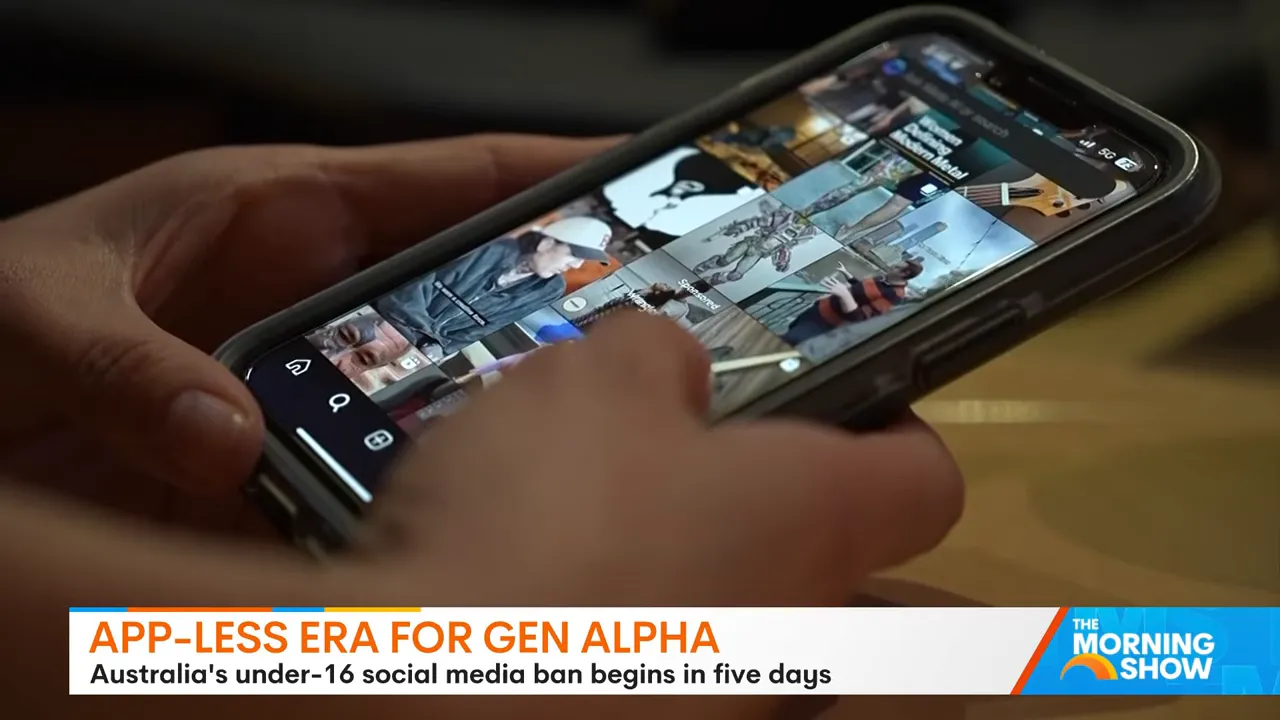
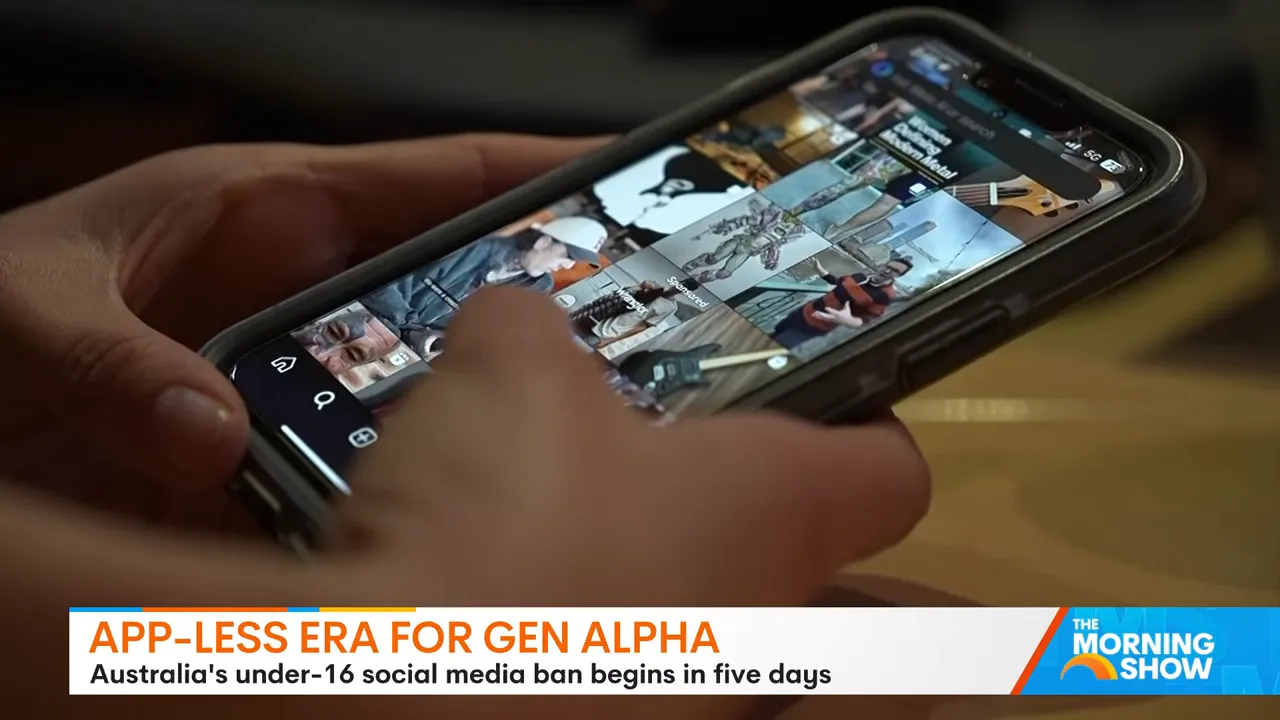
From December 10 the new rules bar under-16s from major social apps unless they can prove they meet the minimum age — a move that has seen Facebook, Instagram and Threads already begin shutting down underage accounts. The ban is phased, so expect more platforms and enforcement detail to arrive over the coming months.
How teenagers and parents are reacting
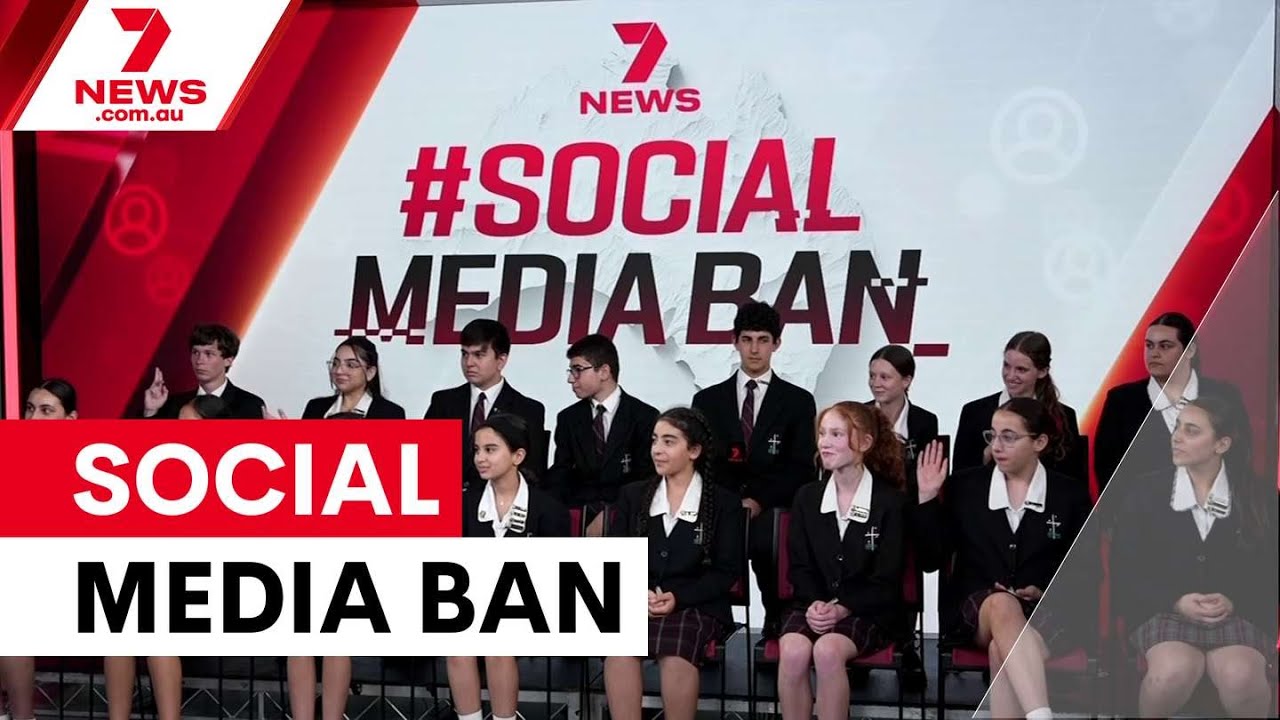
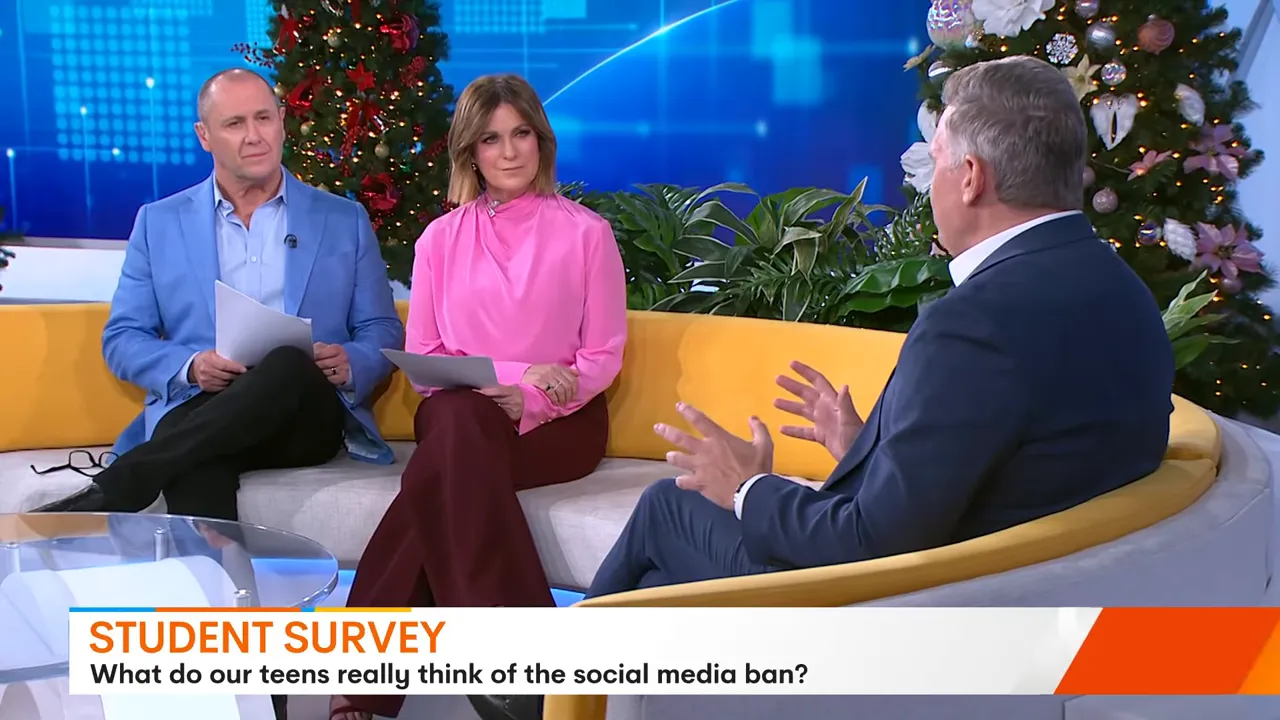
Conversations with high school students show a mix of relief and confusion. Many teens welcome protection from harmful content and bullying, but they are unsure how the ban will work in practice and worried about losing daily connections with friends and hobby communities.
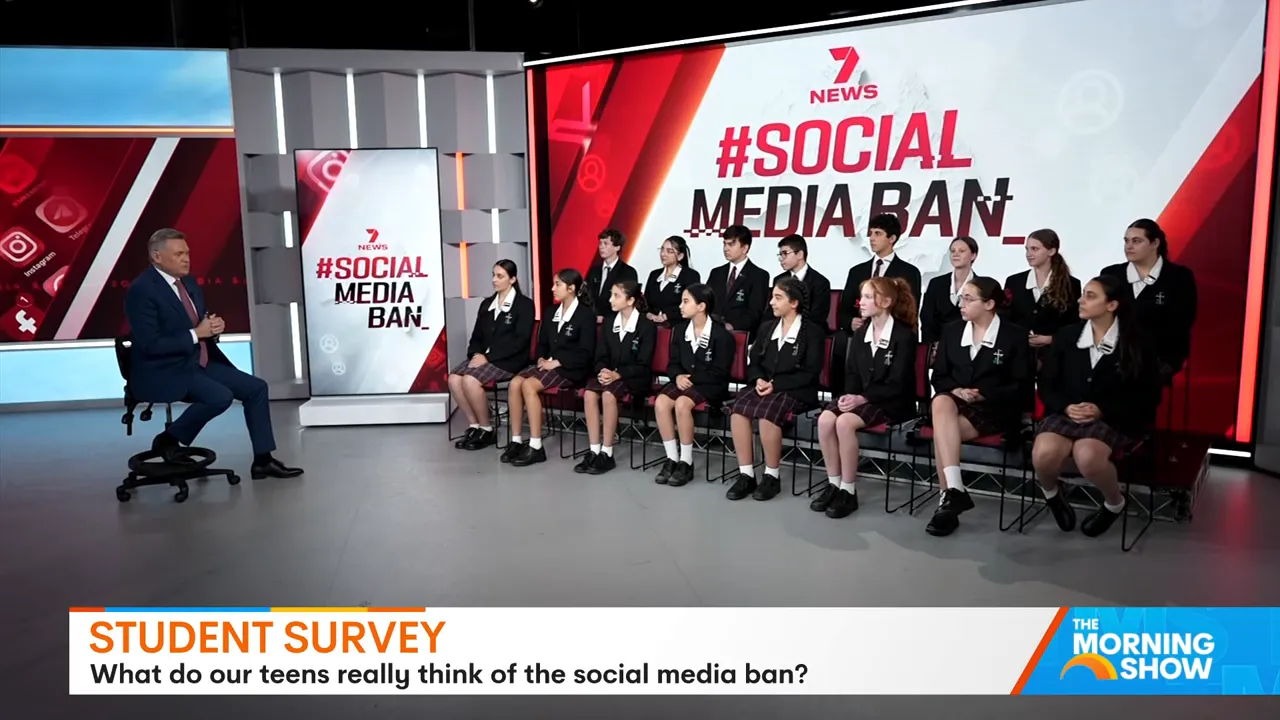
“They’re still a bit confused about how it’s going to work,” said a presenter speaking to students, capturing the mood of many young Australians.
Students admitted some would try to circumvent the rules — parents creating fake accounts, teens switching to smaller platforms not yet covered by legislation, or using workarounds to verify age. Early reports already show attempts to spoof ages and identities online.
The addiction question: do teens know they’re hooked?
Experts and reporters have highlighted how social media algorithms are designed to keep users engaged, delivering frequent dopamine-like rewards. Many adults recognise withdrawal patterns when devices are removed, but teenagers themselves often don’t see their habits as addiction.
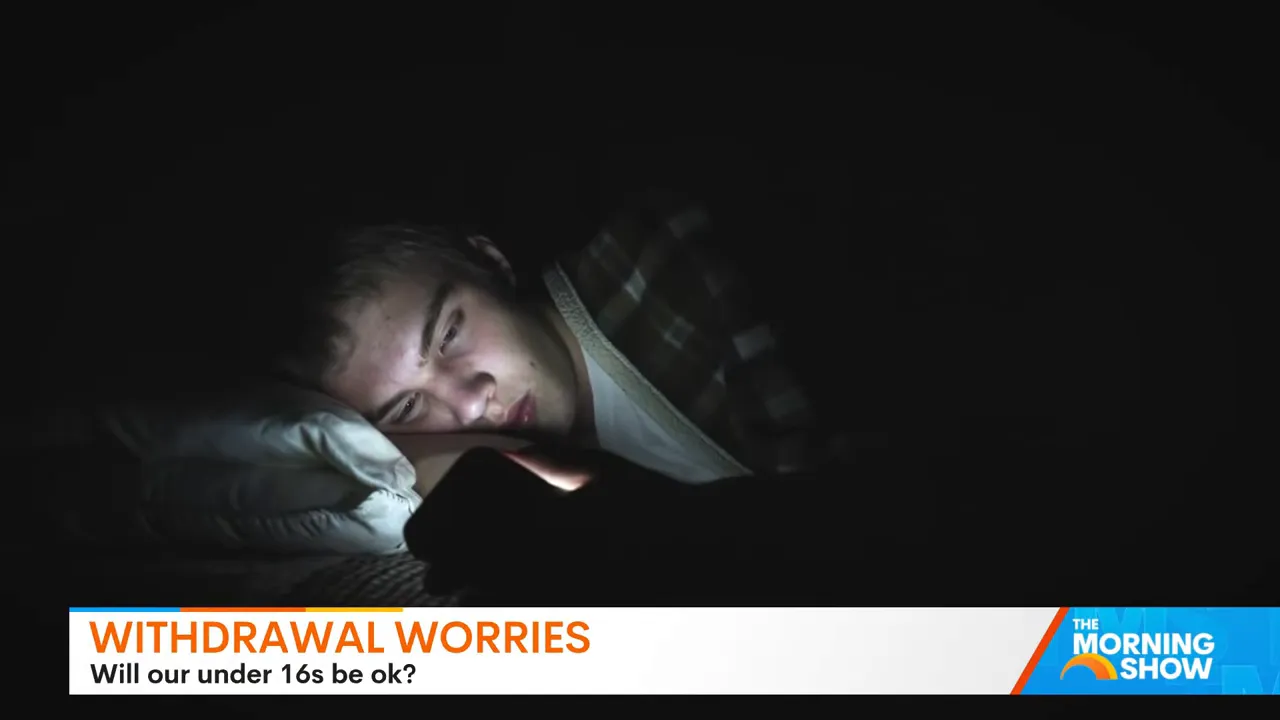
The timing — with the ban kicking in around the school holidays — raises fresh headaches for parents who may face extended periods of ‘cold turkey’ behaviour from children used to hours of daily screen time.
Where will young people go instead?
Some teens will migrate to alternative platforms that currently fall outside the law. Others will seek different ways to stay connected: gaming networks, group texts, video-sharing sites like YouTube, or face-to-face activities such as sport and clubs.
But not every child has an offline peer group. For some, online communities are their primary social lifeline and a place where they found a tribe and pursued hobbies. Those children will face a tougher adjustment if access is cut.
Enforcement challenges and the ID problem
The government’s proposed ID checks and facial recognition tools aim to stop underage logins, but implementation details remain unclear. Reports already note clever attempts to fake ages and use others’ credentials.
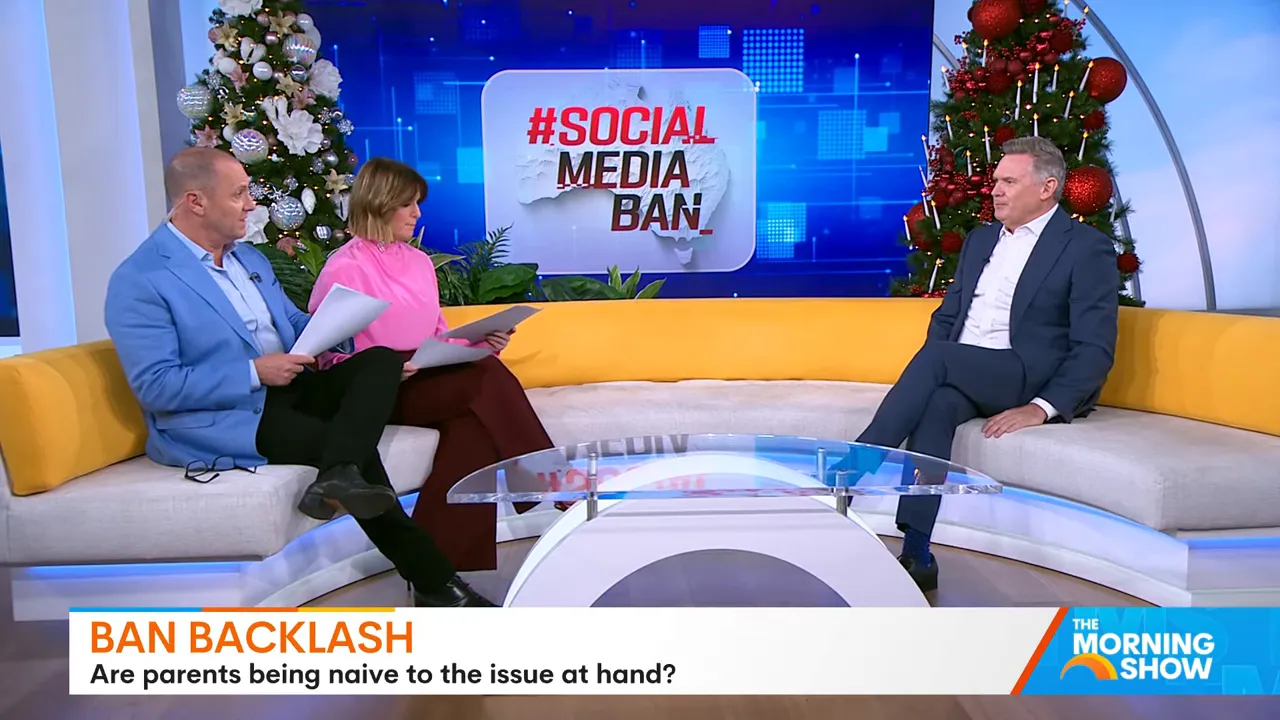
Who will police violations, how platforms will verify identities reliably, and how new apps will be assessed for safety are open questions. Expect a lumpy rollout with additional clarifications, new platforms being added to the ban, and likely regulatory fixes over the next year.
Practical steps for parents and carers
- Talk openly with your child about the change and what it means for their safety and privacy.
- Set up communication alternatives before access is cut — group SMS chats, shared gaming platforms or scheduled video calls.
- Work through ways to maintain hobbies and interests offline or via moderated spaces.
- Monitor for workarounds and explain the legal and safety risks of falsifying age or sharing adult IDs.
- Use the law as a tool for boundary-setting, but combine it with conversation and support for children who rely on online communities.
Key takeaways
- The ban is already being phased in; Meta platforms have begun actions against underage accounts.
- Teen reactions are mixed: relief at protection, confusion about enforcement, and concern about losing social hubs.
- Workarounds are likely and enforcement will be technically and legally challenging.
- Parents should prepare alternatives and support children who may lose important online communities.
Which platforms are currently enforcing the under-16 ban?
Meta-owned services such as Facebook, Instagram and Threads have started shutting down underage accounts; other platforms are being reviewed and may be added as the law is phased in.
When does the ban come into force?
The ban began its phased rollout from December 10. Some requirements are active now, with further enforcement and additional platforms expected to follow in the coming months.
How will platforms verify users’ ages?
The government has discussed ID and facial-recognition options, but clear, consistent verification methods have not been fully published. Platforms will need systems that balance accuracy with privacy and legal concerns.
What can parents do to help children cope with losing access?
Start conversations early, set up alternative ways to connect like group texts or supervised platforms, encourage offline activities and be alert to children who used online spaces for important social support.
Will kids find ways around the law?
Some will attempt workarounds such as using adults’ accounts or new apps not yet covered by the ban. That’s why ongoing enforcement, education and parental involvement are essential to the policy’s success.
Final thought
This policy marks a major digital shift for Australian families. It aims to protect young people from harm, but its success depends on clear rules, robust verification, parental support and practical alternatives for children who rely on online communities. Expect a challenging rollout — and a conversation about how best to balance safety, privacy and young people’s need to connect.
The information in this article has been adapted from mainstream news sources and video reports published on official channels. Watch the full video here Australia's under-16 social media ban begins | 7NEWS


