Table of Contents
- Context and summary of the press conference
- On the MRI and cognitive testing
- Ukraine peace talks and the war's human cost
- Venezuela, airspace warnings and diplomacy
- Counter-narcotics operations and boat strikes
- Immigration, asylum pause and "reverse migration"
- Other topics covered
- Political implications and public reaction
- Key takeaways
- Will the MRI records be publicly released?
- Did the President say the MRI was of his brain?
- How long will the asylum pause last?
- Did Trump confirm a call with Maduro?
- What next steps should the public expect?
Context and summary of the press conference
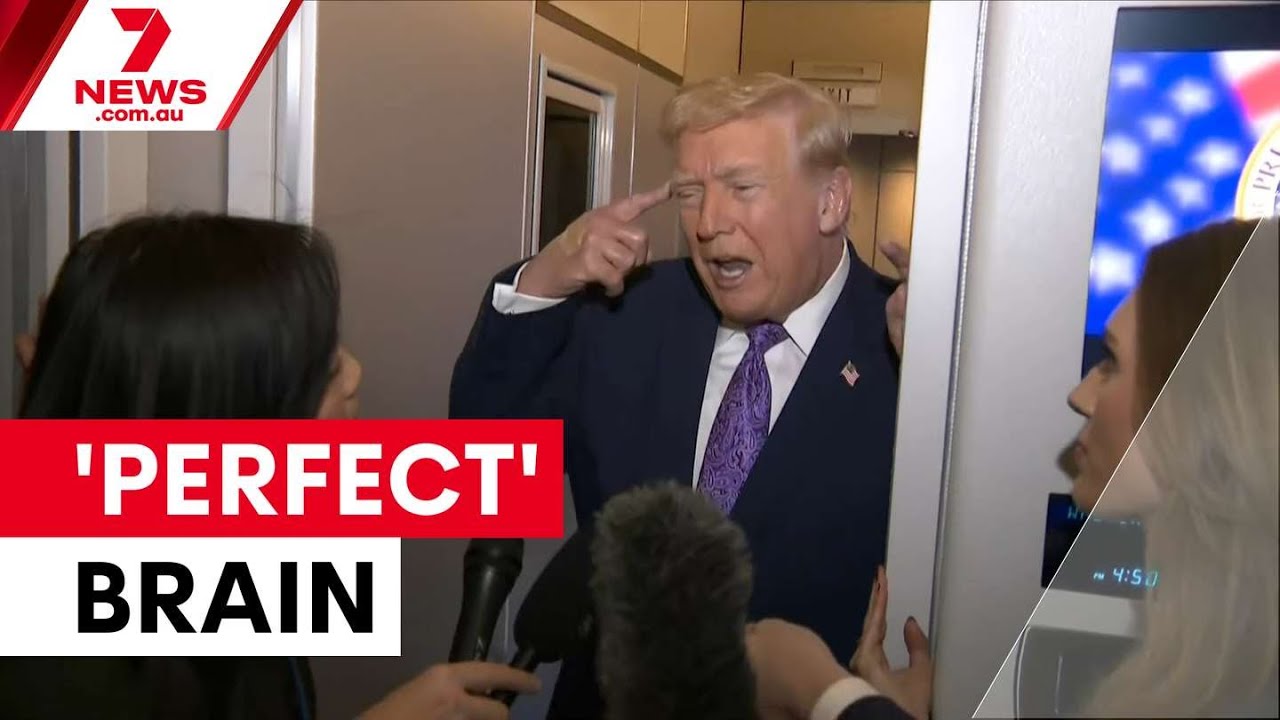
President Donald Trump faced a barrage of questions at a recent press conference, defending his MRI results while addressing Ukraine, Venezuela, immigration and other hot-button issues. Trump repeatedly described his MRI as "perfect" and volunteered to release the records if requested, but offered no specific details about the scan itself.
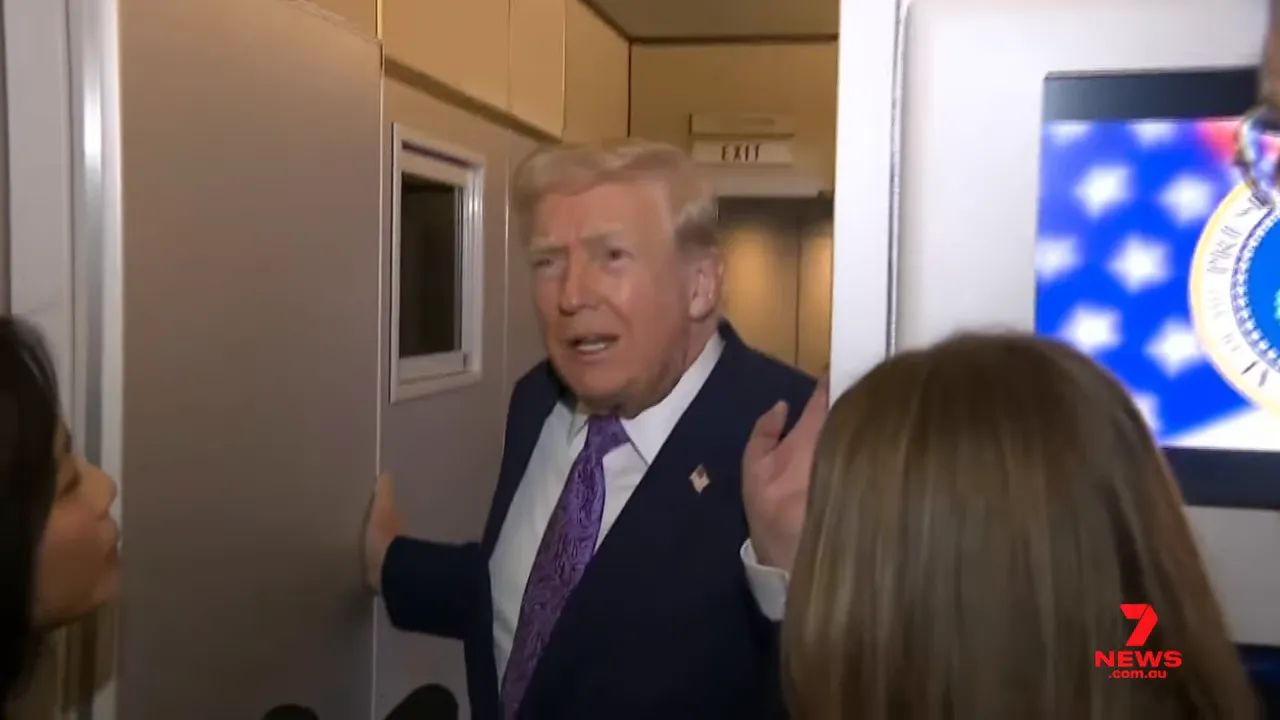
The session moved quickly across topics, from reported phone calls with foreign leaders to an announcement about pausing asylum from certain countries. Throughout, Trump used blunt language and returned several times to his core talking points on immigration and national security.
On the MRI and cognitive testing
When asked whether he would release MRI records, the President said it was "okay" to release them and called the results "perfect". He declined to identify what part of the body the scan targeted, stating it “wasn't the brain” and pointing to a cognitive test he said he’d aced.
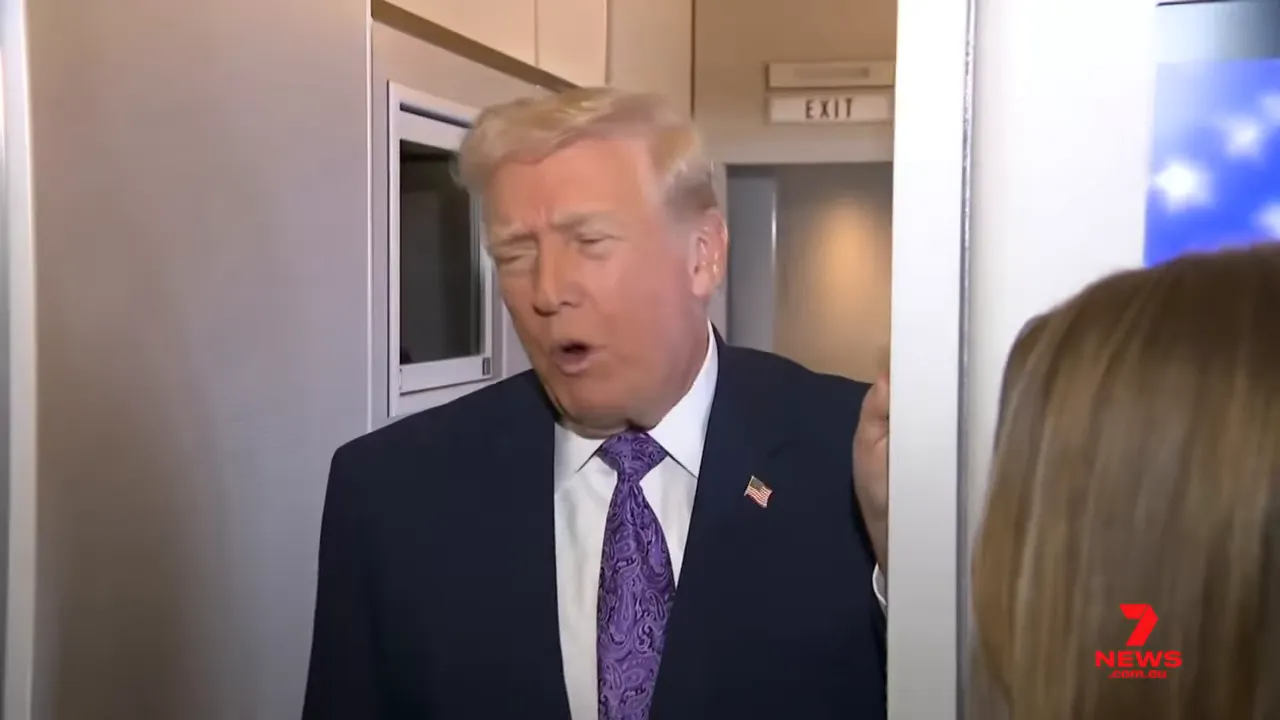
His remarks were combative and included personal barbs toward reporters and state officials who requested the records. The exchange underscored how health and fitness remain politically charged topics for senior officials.
Ukraine peace talks and the war's human cost
Trump said talks involving US and Ukrainian officials were "going along well" and emphasised a desire to stop further deaths. He repeatedly referenced casualty figures, describing the war as a "ridiculous war" and asserting it would not have occurred under his presidency.
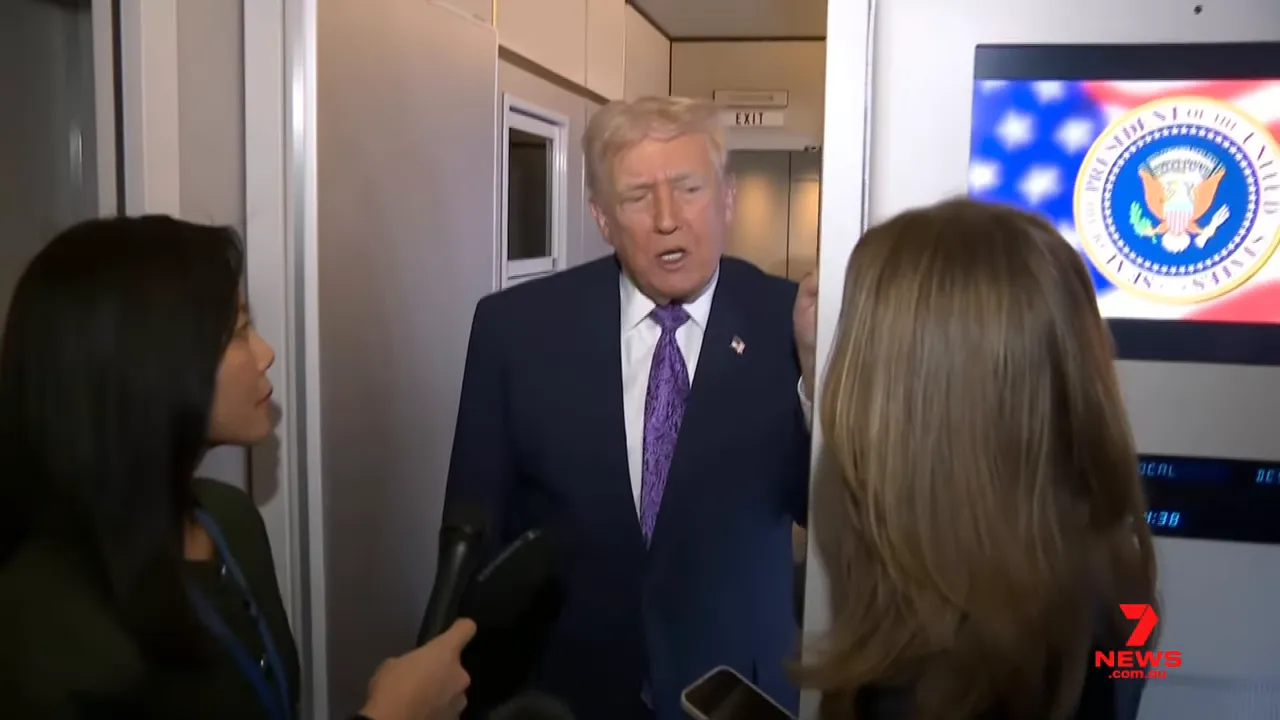
He acknowledged corruption issues and suggested they complicate negotiations, but expressed optimism "there's a good chance we can make a deal". His comments mixed diplomatic aims with political commentary about past administrations.
Venezuela, airspace warnings and diplomacy
The President explained a warning about Venezuelan airspace by describing Venezuela as "not a very friendly country" and linked migration flows to crime and gangs. When asked about a reported phone call with Nicolás Maduro, Trump said the call occurred but declined to share details.
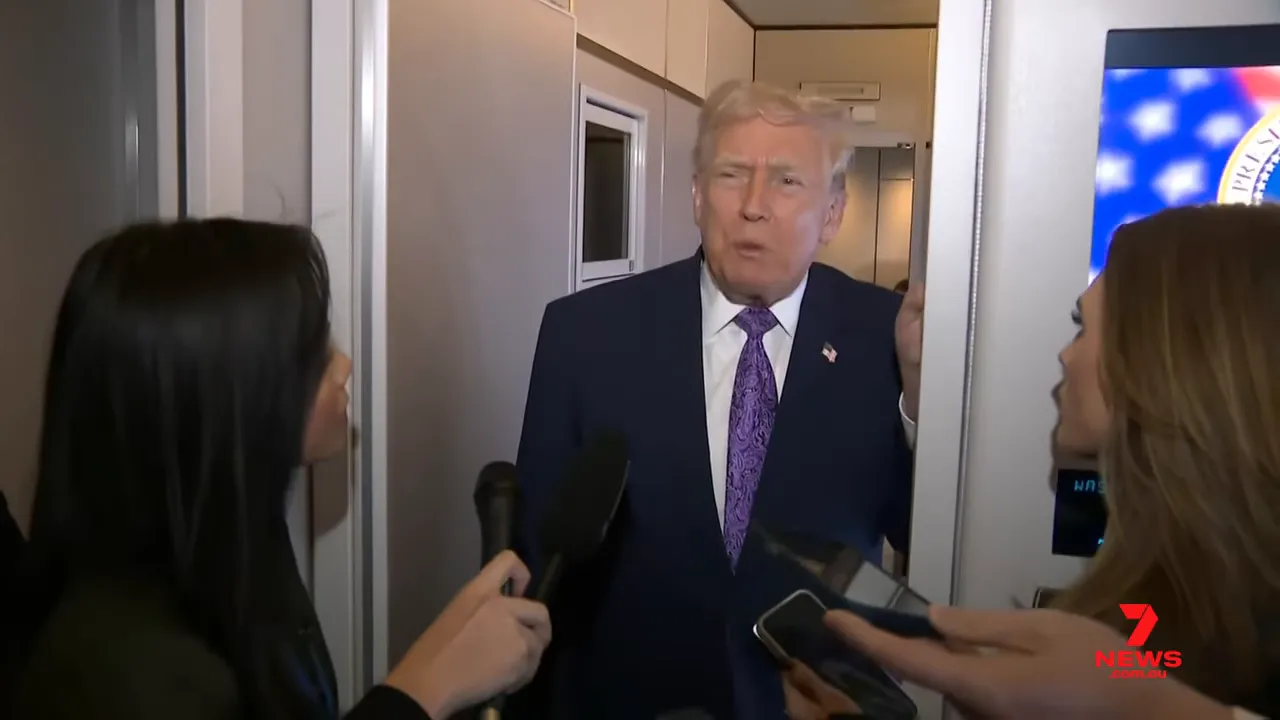
His tone was measured on whether military action was imminent, advising reporters not to infer too much from the warning while also framing migration as a national-security problem.
Counter-narcotics operations and boat strikes
On maritime strikes targeting drug shipments, Trump praised the results and said the volume of drugs arriving by sea had fallen sharply in recent months. He made a repeated claim that each intercepted boat was "responsible for the death of 25,000 Americans," using the statistic to justify aggressive interdiction efforts.
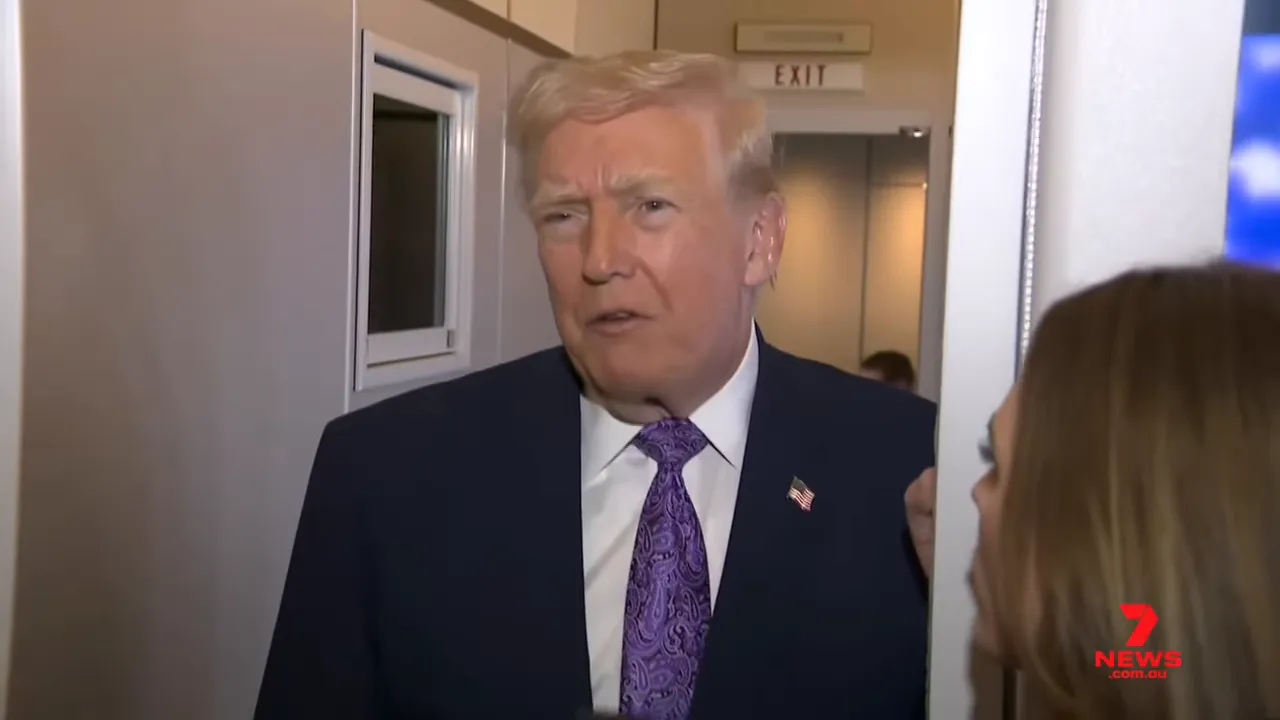
He downplayed controversy over the conduct of specific strikes and expressed confidence in his defence team’s explanations, while saying he would "look into it" if questions remained.
Immigration, asylum pause and "reverse migration"
The President announced a long pause — with no set time limit — on asylum from a list of countries he described as "not friendly" or "out of control". He said the suspension could last "a long time" and repeatedly stated, "we don't want those people."
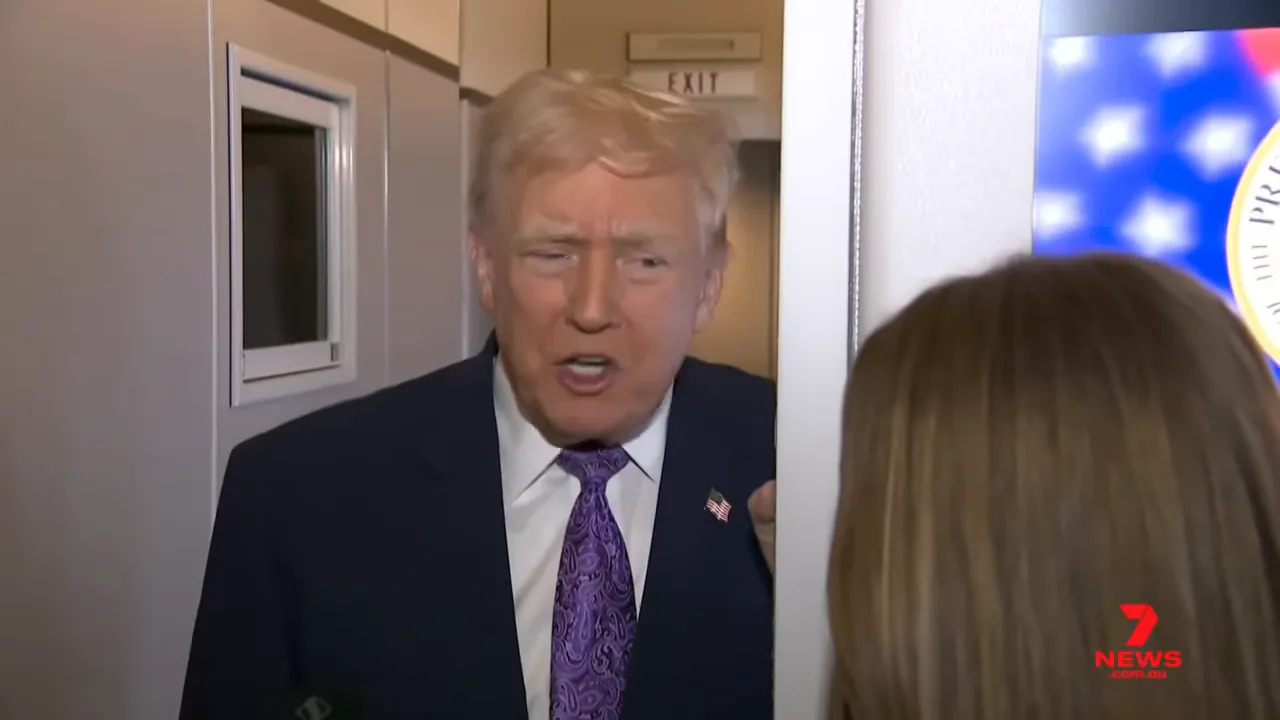
Trump also raised the possibility of denaturalising some citizens he said entered the country improperly, and used the phrase "reverse migration" to describe efforts to remove people he believes should not be in the US.
Other topics covered
Trump defended his stance on a possible pardon for a former Honduran president, saying some in Honduras believed the prosecution was a setup. He spoke briefly about health-care reforms, calling his "favourite nations" drug-pricing policy a major achievement likely to push medicine prices down.
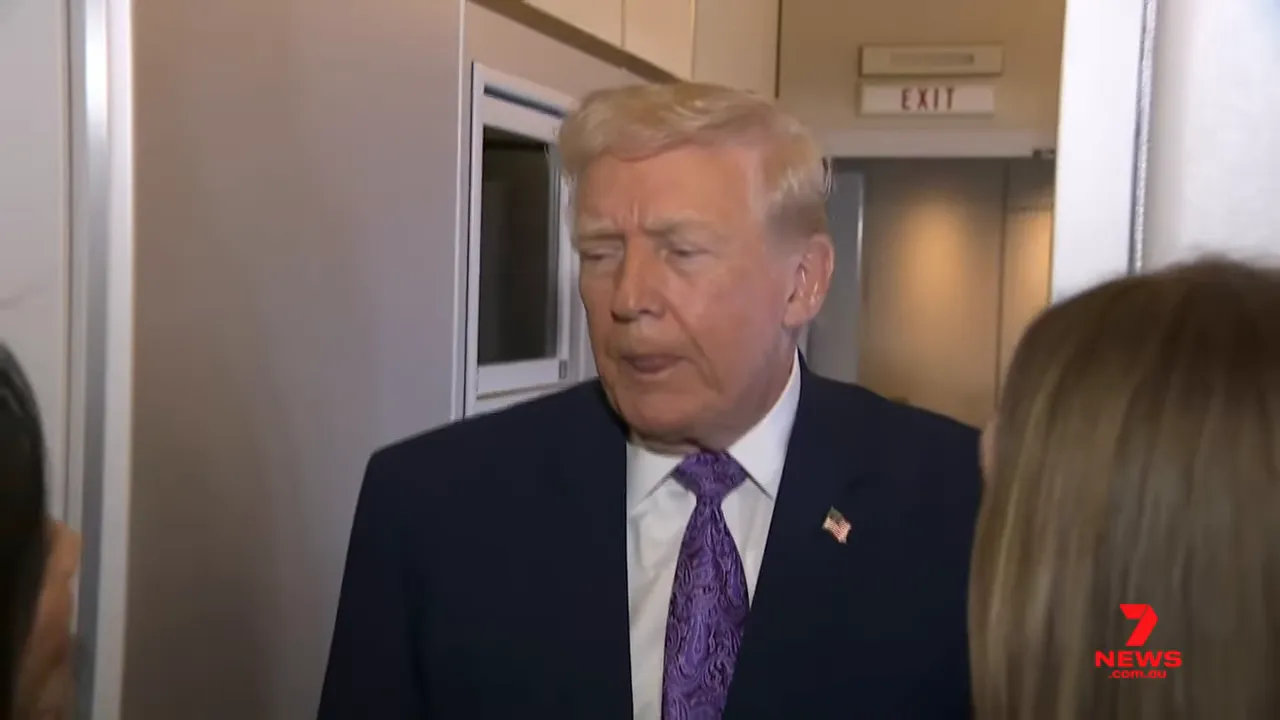
He also offered condolences and updates to families affected by recent violent incidents, describing conversations with relatives as heartfelt and emotional.
Political implications and public reaction
The press conference reinforced familiar themes: a focus on immigration, tough rhetoric on foreign countries, and emphasising personal fitness for office. The lack of detail on the MRI and firm timeframes for policy changes leaves room for follow‑up reporting and political scrutiny.
Observers are likely to press for the medical records and for clarity on how long asylum restrictions will remain in place. Meanwhile, supporters and critics will interpret the statements through partisan lenses.
Key takeaways
- Trump called his MRI "perfect" and volunteered to release records, but provided no medical details.
- He described Ukraine talks as progressing, while blaming corruption for complications.
- Warnings about Venezuela were framed as migration and security concerns, not an immediate threat of force.
- An indefinite pause on asylum from several countries was announced, described as potentially long-term.
- Claims about drug interdiction and drug-death figures were used to justify maritime strikes.
“It was just an MRI... It wasn't the brain because I took a cognitive test and I hastened it. I got a perfect mark.”
Will the MRI records be publicly released?
The President said he would allow release if requested and described the scan as "perfect", but he did not provide the records or specify when the MRI took place.
Did the President say the MRI was of his brain?
No. He explicitly said it "wasn't the brain" and pointed to a cognitive test he said he performed well on, without confirming what part of the body was scanned.
How long will the asylum pause last?
The administration described the pause as potentially long-term and gave no set timeframe, saying simply that "we don't want those people" and that there was "no time limit."
Did Trump confirm a call with Maduro?
He confirmed the call happened but declined to discuss its details, saying only that it was "a phone call" and neither characterising it as good nor bad.
What next steps should the public expect?
Follow-up requests for medical records, clarity on asylum policy, and official explanations for strike operations are likely. Reporters and lawmakers will press for specifics on timing and legal authority for denaturalisation and removals.
The information in this article has been adapted from mainstream news sources and video reports published on official channels. Watch the full video here Trump lashes out at reporters questioning his 'perfect' MRI results | 7NEWS


