Trump targets Somali community
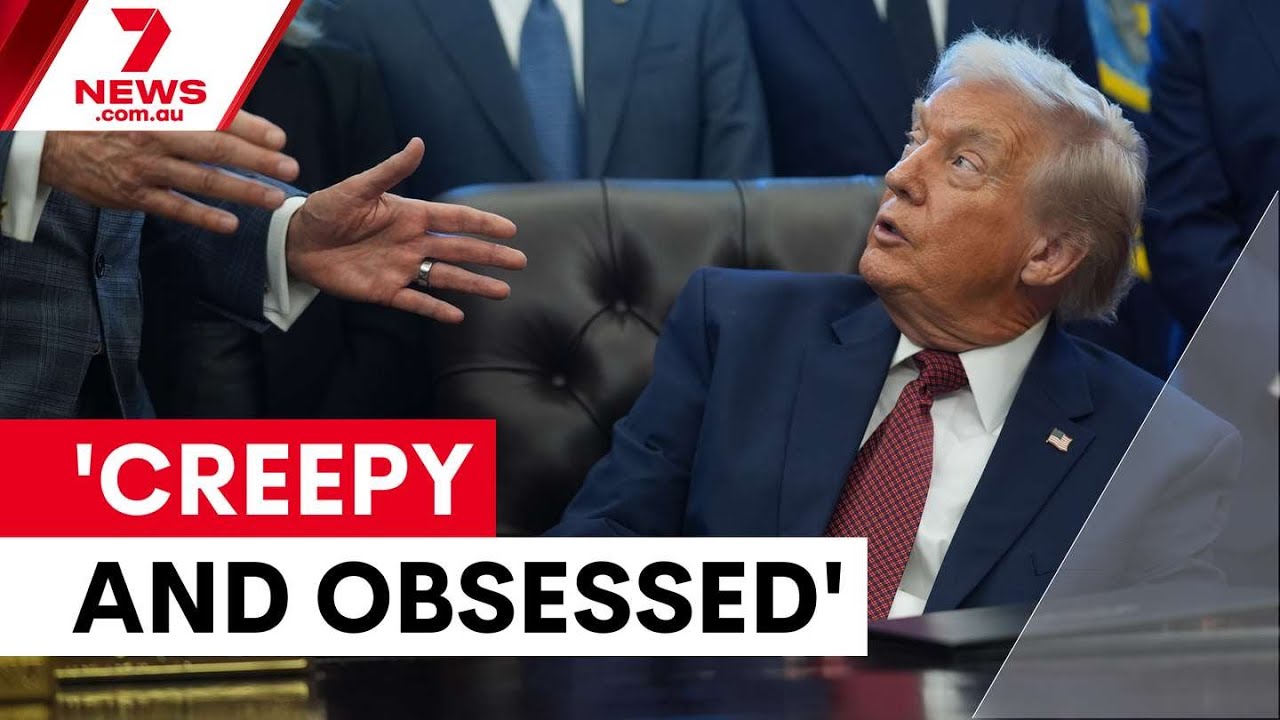
Table of Contents
- Controversial remarks spark condemnation and a defiant response from Ilhan Omar
- What happened and who is involved
- Why the remarks matter
- Local and national reactions
- What to watch next
- Key takeaways
- What did the President say about the Somali community in Minneapolis?
- How did Ilhan Omar respond to the remarks?
- Where is the largest Somali community in the United States?
- What has been the reaction from local leaders and community groups?
- Could these remarks affect community safety?
Controversial remarks spark condemnation and a defiant response from Ilhan Omar
President Donald Trump targeted the Somali community in Minneapolis, accusing its members of harming Minnesota and criticising Congresswoman Ilhan Omar in a series of blunt remarks. The comments, which included allegations about Omar’s personal life and sweeping claims about Somali migrants, prompted immediate backlash from community leaders and elected officials.
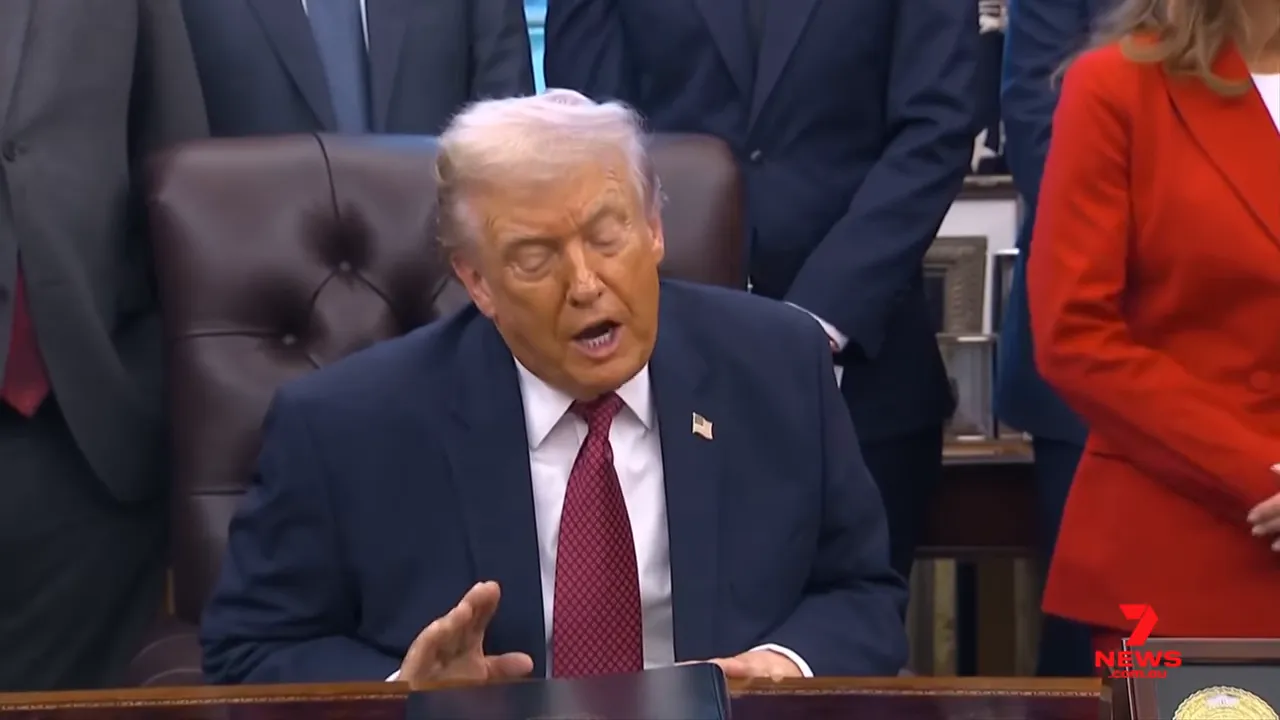
The episode unfolded publicly in a short address in which Trump called Minneapolis’s Somali population problematic and said the state had been “destroyed” by their presence. He also repeated an allegation that Ms Omar had married a sibling — a claim she has denied. Trump said she “should be thrown the hell out of our country,” remarks that many described as inflammatory and xenophobic.
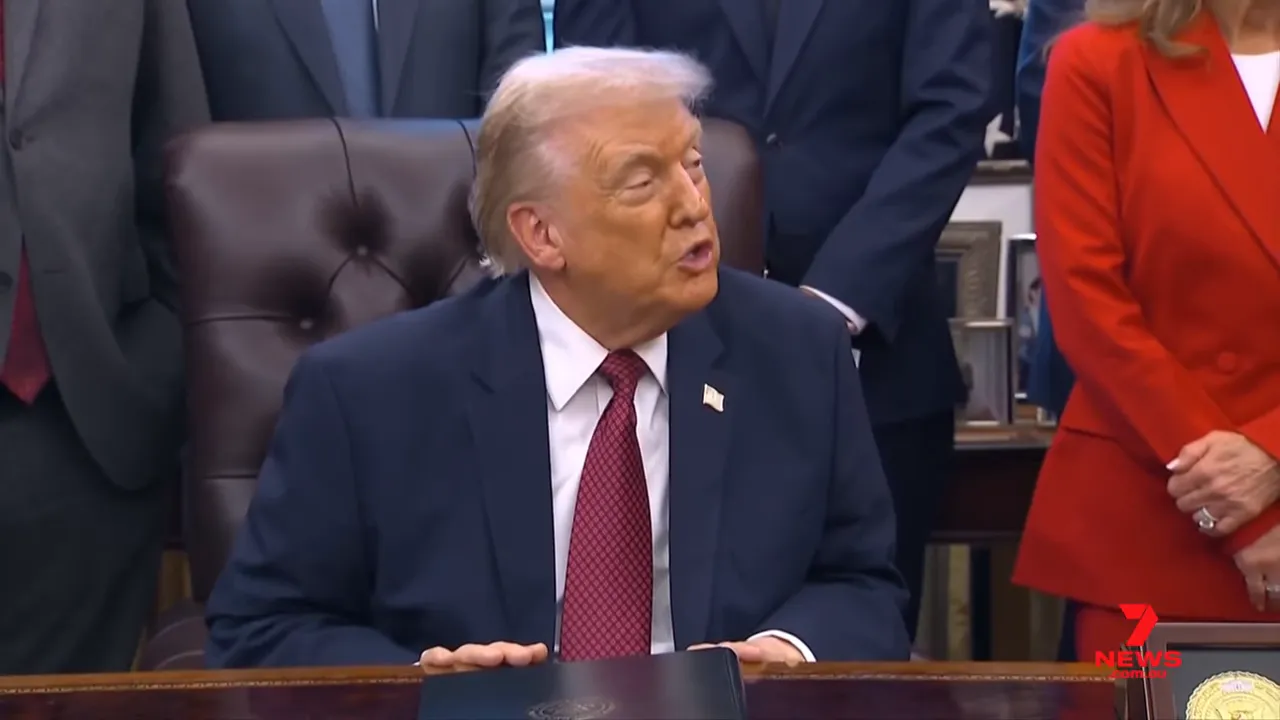
“They have a representative, Ilhan Omar, who they say married her brother… She shouldn't be allowed to be a Congresswoman.”
These statements targeted the large Somali diaspora in Minnesota, the biggest Somali community in the United States. Minneapolis has been home to Somali-Australian and Somali-American families for decades, arriving as refugees and migrants fleeing conflict and seeking new opportunities.
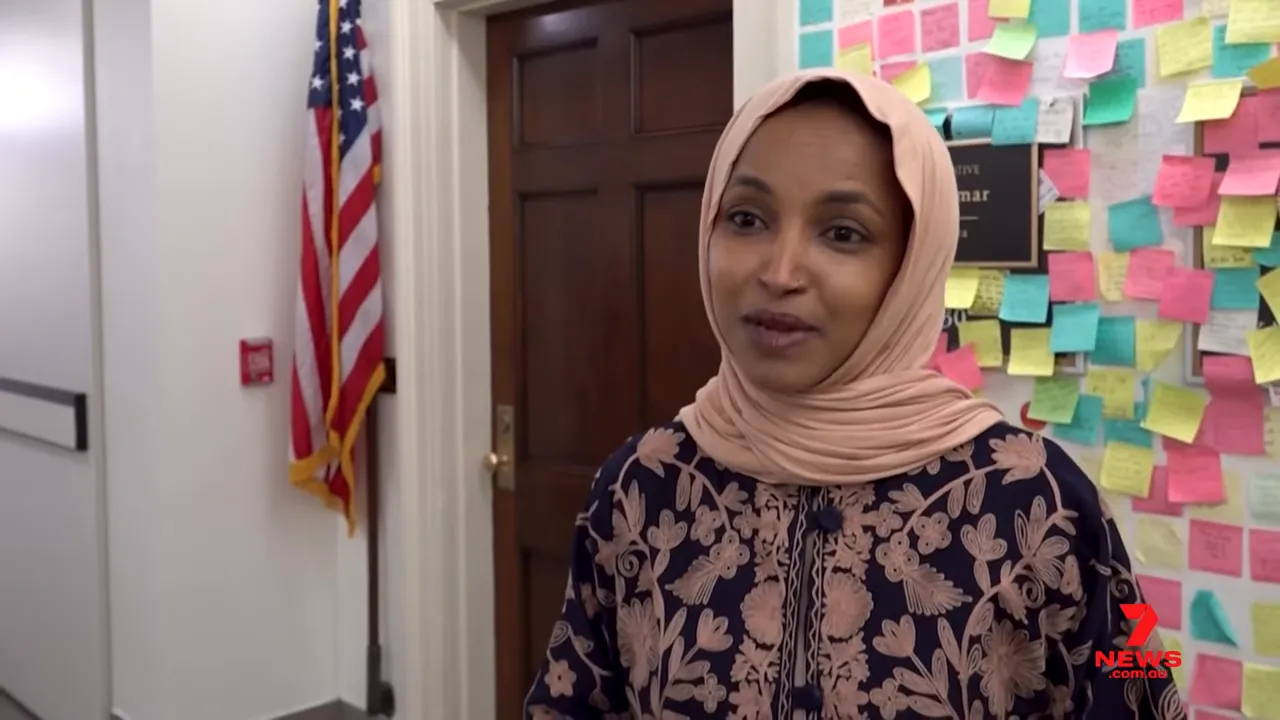
Ilhan Omar responded publicly, denouncing the remarks as “bigoted, xenophobic, Islamophobic” and describing the focus on her and the Somali community as “creepy.” Omar and local Somali leaders framed the response as necessary to defend the community’s reputation and safety.
What happened and who is involved
The comments came from the President and were directed at multiple targets: Mayor Jacob Frey, whom he called “a fool” for praising the Somali population; Minnesota’s governor, whom he labelled “incompetent” and “crooked”; and Representative Ilhan Omar, whom he attacked personally. The Somali community, elected officials and civil rights groups quickly condemned those remarks.
Ms Omar rejected the allegations and highlighted a broader pattern. She characterised the rhetoric as part of a long history of anti-Muslim and racist commentary that marginalises communities and stokes division. Community leaders emphasised resilience and an outpouring of local support in the days after the remarks.
Why the remarks matter
Trump’s language matters because it shapes public perception and can influence how communities are treated. Broad assertions about a whole group risk escalating tension and encouraging scapegoating. The allegation about a lawmaker’s private life also raised legal and ethical questions, and many observers called for careful fact-checking rather than inflammatory public accusations.
Minneapolis has a visible Somali presence with families who work, run businesses and participate in civic life. Targeted rhetoric can have practical consequences for safety, community cohesion and trust in public institutions.
Local and national reactions
Officials in Minnesota and civil society groups condemned the President’s remarks. Somali activists said the comments were an attempt to scapegoat a minority for deep-seated social and economic problems. Several politicians — including local leaders who work alongside Somali communities — highlighted the contributions of Somali Australians and Somali Americans to local economies and culture.
At the national level, the exchange intensified debates about immigration, integration and the responsibilities of public figures to avoid inflaming racial or religious tensions. Supporters of the President argued he was voicing concerns about governance and public safety, while critics said his rhetoric crossed the line into prejudice.
What to watch next
- Whether any formal investigations or ethics reviews follow the personal allegations made about a sitting member of Congress.
- How local law enforcement and community organisations respond to ensure safety and prevent hate incidents.
- Political fallout in Minnesota and potential national repercussions as the story shapes campaign narratives and public debate.
Key takeaways
- The President publicly attacked the Somali community in Minneapolis and singled out Representative Ilhan Omar with personal accusations.
- Ilhan Omar called the remarks bigoted and said the focus on her and Somalis was “creepy.”
- Community leaders responded with condemnation and a renewed commitment to resilience and solidarity.
- The exchange has renewed discussion about political rhetoric, immigration and minority protections.
What did the President say about the Somali community in Minneapolis?
He criticised the Somali population in harsh terms, accused them of harming Minnesota, repeated an allegation about Representative Ilhan Omar’s personal life, and said she should be expelled from the country.
How did Ilhan Omar respond to the remarks?
Ilhan Omar denounced the President’s comments as bigoted, xenophobic and Islamophobic, and described his focus on her and the Somali community as “creepy.”
Where is the largest Somali community in the United States?
The largest Somali diaspora in the United States is in Minnesota, particularly in the Minneapolis–Saint Paul area, where many families have settled over several decades.
What has been the reaction from local leaders and community groups?
Local leaders and Somali community groups condemned the remarks, emphasised the community’s contributions and resilience, and called for fact-based dialogue rather than inflammatory accusations.
Could these remarks affect community safety?
Yes. Rhetoric that singles out an ethnic or religious group can increase the risk of harassment or hate incidents, prompting calls for heightened vigilance from authorities and community organisations.
The information in this article has been adapted from mainstream news sources and video reports published on official channels. Watch the full video here Trump targets Somali community and U.S Congresswoman Ilhan Omar responds | 7NEWS


