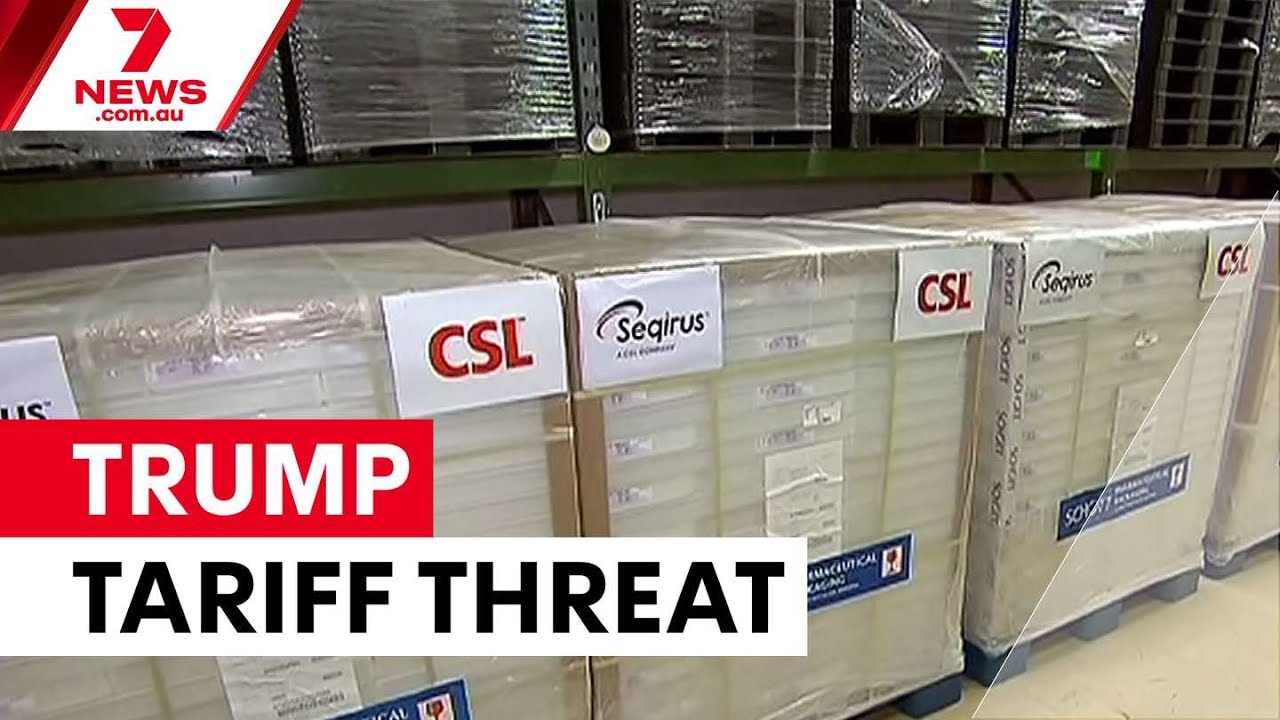
The Trump 100% pharma tariff is rattling global markets, but Australians are rightly asking what it could mean for the cost of medicines at home. In Canberra, the Health Minister Mark Butler moved quickly to reassure people that medicines on the PBS would not rise due to the move. Still, questions remain about how Australia’s major exporters and trade agreements could be affected.
At the centre of the issue is a new US decision to slap a 100% tariff on imported pharmaceuticals. The announcement has created immediate concern for countries that rely on US supply chains, including Australia.
Table of Contents
- Health Minister Mark Butler says PBS pricing won’t change
- Why the impact may be smaller than first feared
- But critics warn it clashes with the spirit of free trade
- New Middle East deployment adds to broader uncertainty
- What to watch next
- Key takeaway
- FAQ
Health Minister Mark Butler says PBS pricing won’t change
Speaking from Parliament House, Butler said the government has taken steps to examine the potential impact on Australian households. His message was clear: the price of PBS medicines should remain unaffected.
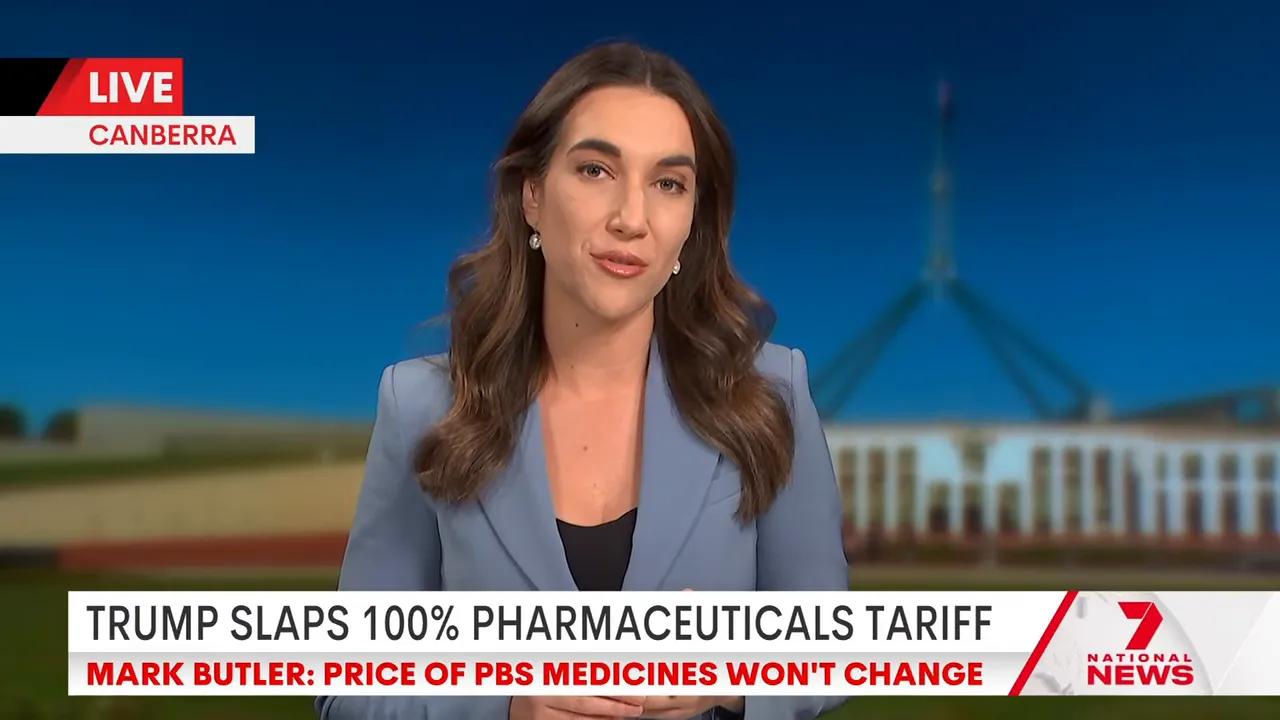
Butler’s argument rests on how Australia’s pharmaceutical trade with the United States is structured. In particular, he pointed to the role of a Melbourne-based company, CSL, which dominates Australia’s drug exports to the US.
Why the impact may be smaller than first feared
Australia’s biggest drug export to the US is worth about $1.6 billion. A major reason the fallout might be limited, officials say, is that Australia’s supply is linked to manufacturing and sourcing arrangements in the US.
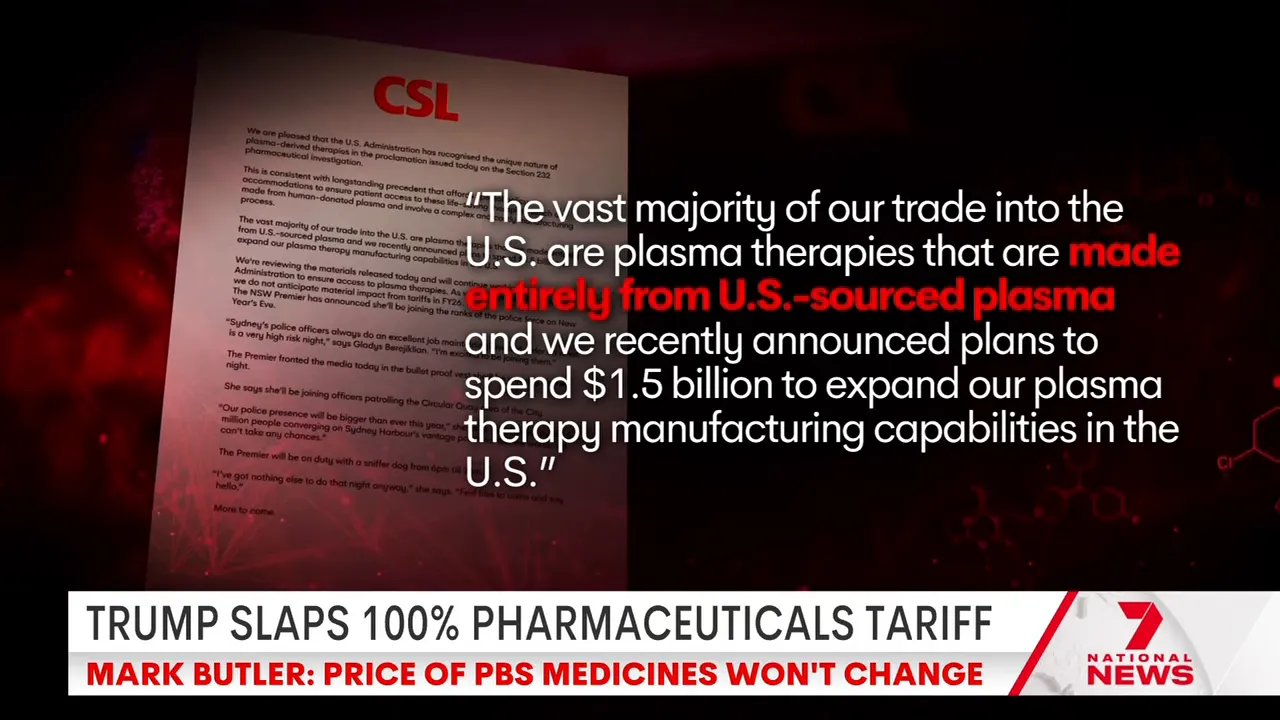
Butler highlighted that CSL invests heavily in American manufacturing, which has helped it secure a tariff carve-out. In other words, some of the products being exported may be positioned in a way that reduces exposure to the new tariff.
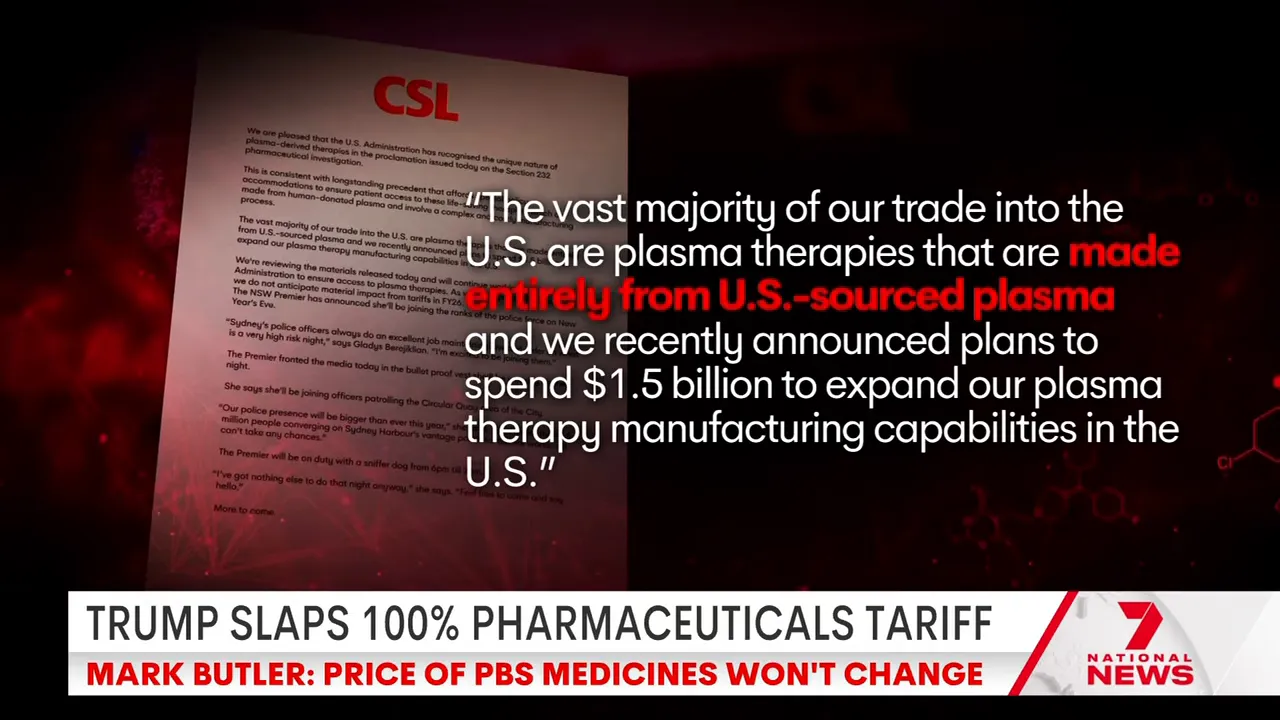
CSL has also stated that much of its US trade involves plasma therapies made entirely from US-sourced plasma. That distinction matters, because tariff treatment can depend on where inputs are sourced and how products are manufactured.
But critics warn it clashes with the spirit of free trade
Even with assurances, the situation is not straightforward. The new tariff threat is described as potentially conflicting with Australia’s free trade agreement with the United States, raising concerns about how exceptions are being carved out and enforced.
There is also frustration that the broader policy environment may still be used to pressure countries to change how they fund or price medicines. The Health Minister warned that major drug companies are trying to “unpick” Australia’s PBS settings, along with similar schemes overseas.
Butler said the government would not negotiate away the “fundamentals” of the PBS, describing the move as “deeply disappointing” and “deeply concerning”.
New Middle East deployment adds to broader uncertainty
While the pharmaceutical tariff dominated discussion, another developing story surfaced at the same time. Reports say that Australian SAS troops were deployed about two weeks ago to the Middle East.
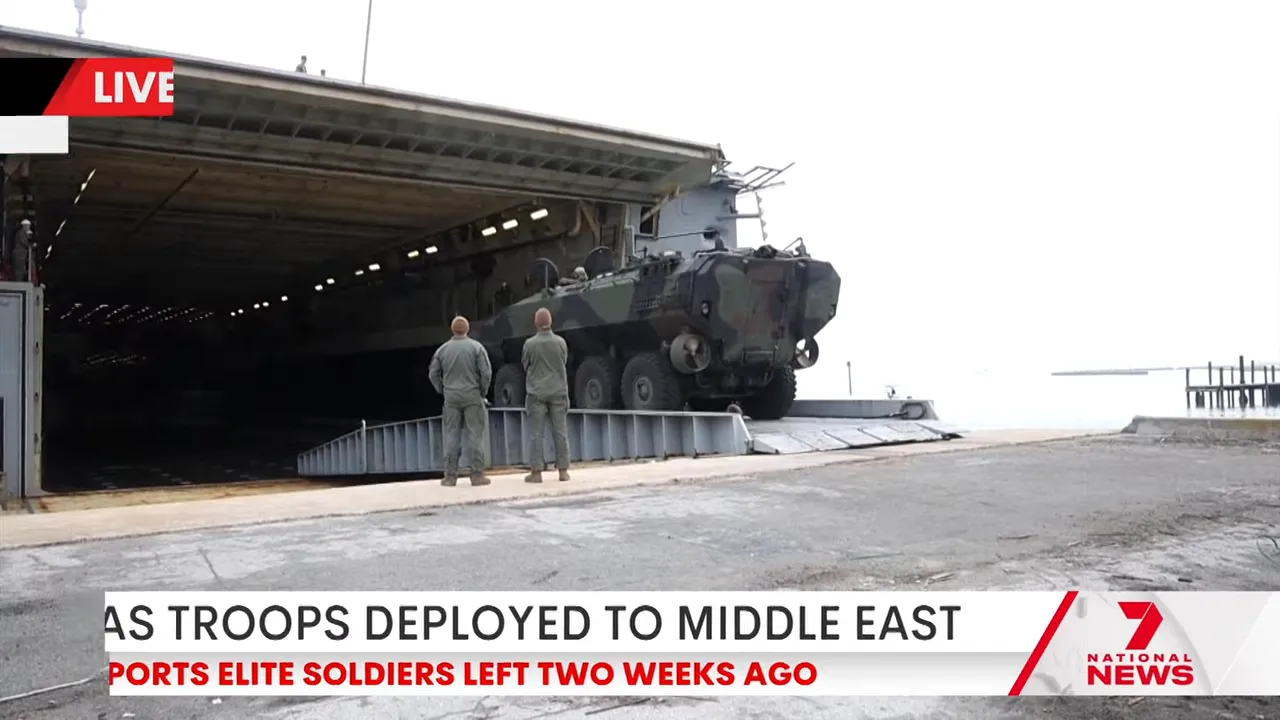
The deployment is reported to involve a team of 90 soldiers, positioned in case the conflict escalates. According to reports, they would not be used offensively.
Instead, they are said to be there for emergency evacuations of Australian diplomats if embassies close. The news came after the United States deployed roughly 5,000 Marines to the region for contingency planning around a possible ground invasion of the Persian Gulf islands.
What to watch next
For Australians, the key question is whether the tariff threat stays limited to the areas already covered by carve-outs—or whether it broadens. That will depend on how the US interprets product eligibility and whether supply chains are reclassified.
- PBS impact: The government’s position is that PBS pricing will not be affected.
- Exporter exposure: CSL’s US manufacturing and US-sourced plasma claims may reduce tariff exposure.
- Trade and negotiation: Concerns persist about whether the move undermines free trade expectations.
- Policy pressure: Continued lobbying could raise pressure on pricing and funding models in Australia and elsewhere.
Key takeaway
The Trump 100% pharma tariff has triggered alarm, but Australia’s Health Minister argues the PBS should be protected. The debate now turns on whether exemptions for major exporters hold up—and whether international pressure ramps up behind the scenes.
FAQ
Will the Trump 100% pharma tariff raise PBS medicine prices in Australia?
The Health Minister Mark Butler has said PBS pricing will not be impacted by the tariff.
Which Australian company is most involved in pharmaceutical exports to the United States?
CSL, based in Melbourne, produces the majority of Australia’s drug exports to the US.
Why might the tariff’s impact be limited for Australia?
Officials say CSL invests in US manufacturing and has secured a tariff carve-out, and much of its US trade involves plasma therapies made from US-sourced plasma.
What do critics say about the tariff?
Critics argue it may conflict with Australia’s free trade agreement with the United States and could be part of pressure to change PBS-style medicine funding or pricing models.
What else was reported alongside the tariff news?
Reports say 90 SAS soldiers were deployed to the Middle East for potential emergency evacuations, not offensive action, following the US deployment of Marines to the region.
The information in this article has been adapted from mainstream news sources and video reports published on official channels. Watch the full video here Trump's pharmaceutical tariffs target Australia | 7NEWS


