Table of Contents
Why the same storm gets different names — and how tropical cyclones work
SYDNEY, AUSTRALIA — Cyclones, hurricanes and typhoons are different names for the same powerful weather system: a tropical cyclone. These storms have levelled towns, flooded cities and reshaped coastlines from Queensland to the Philippines and the Gulf Coast.
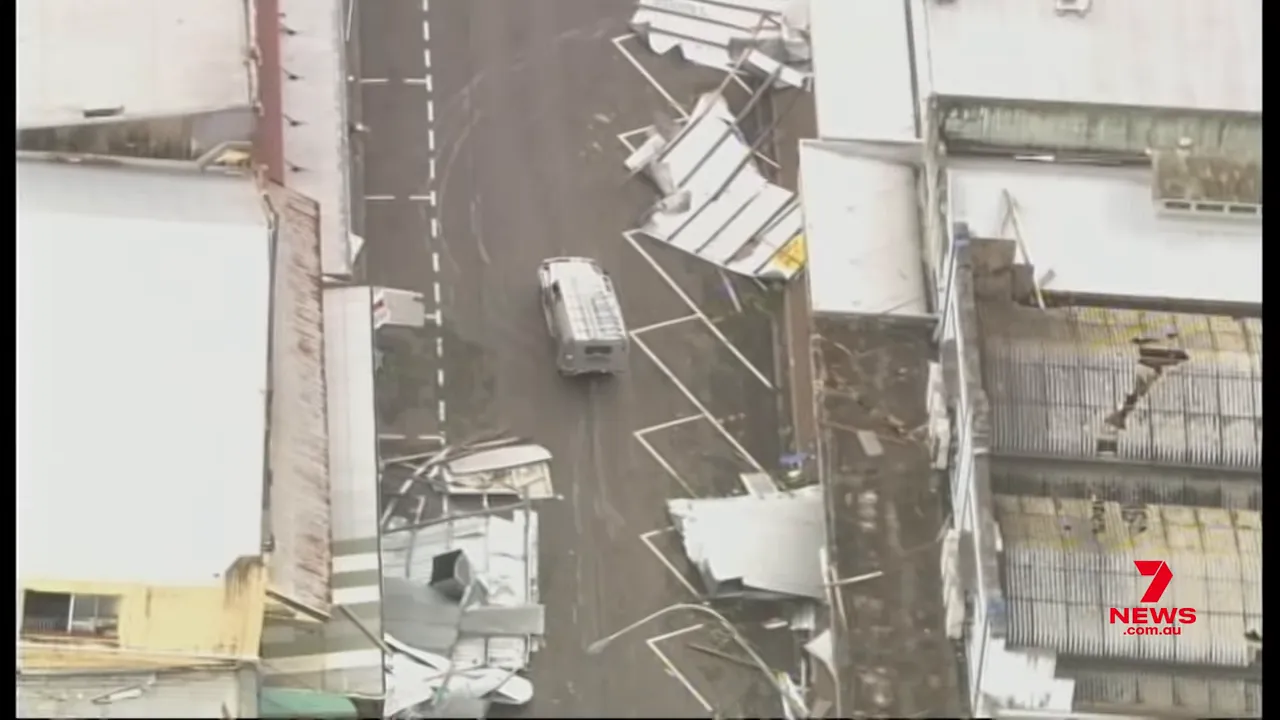
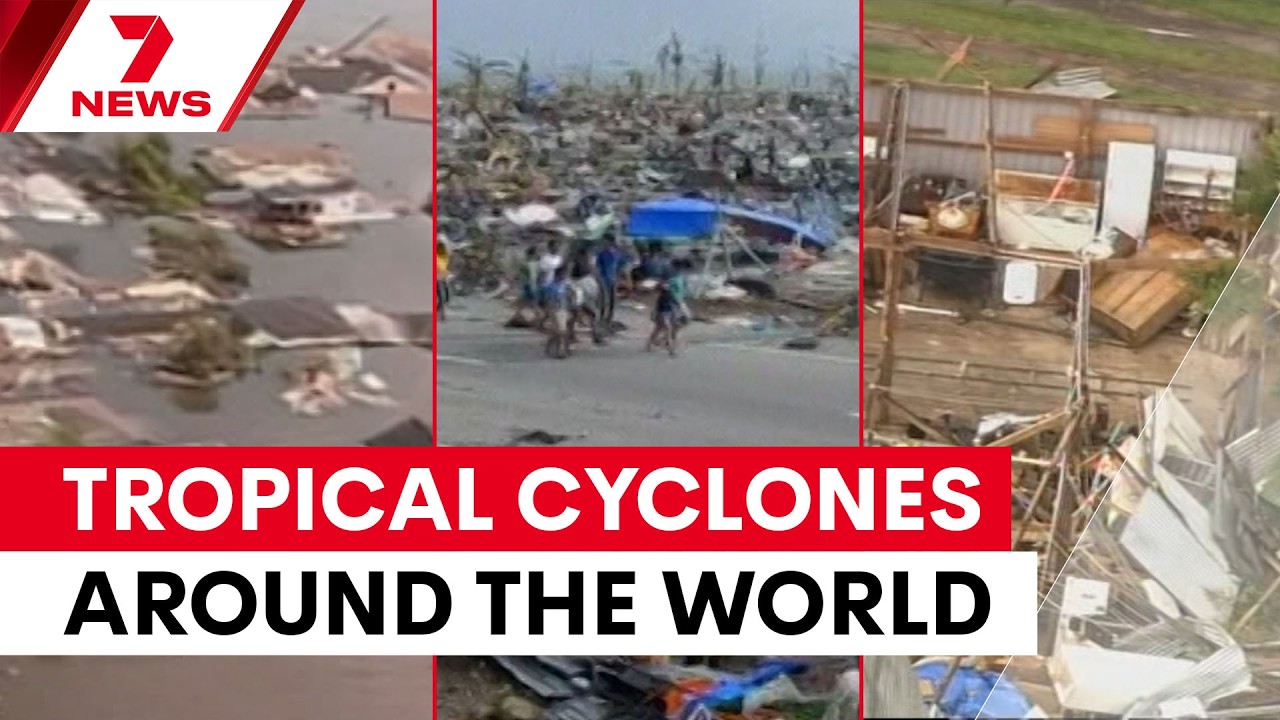
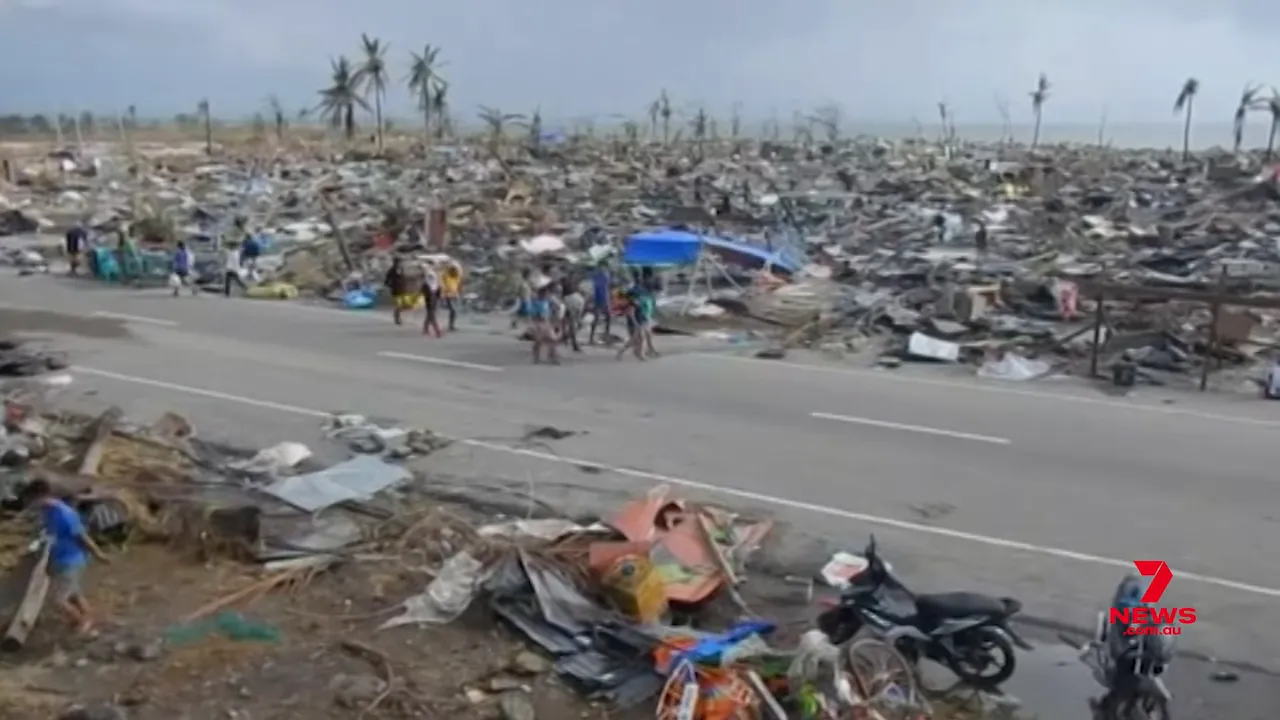
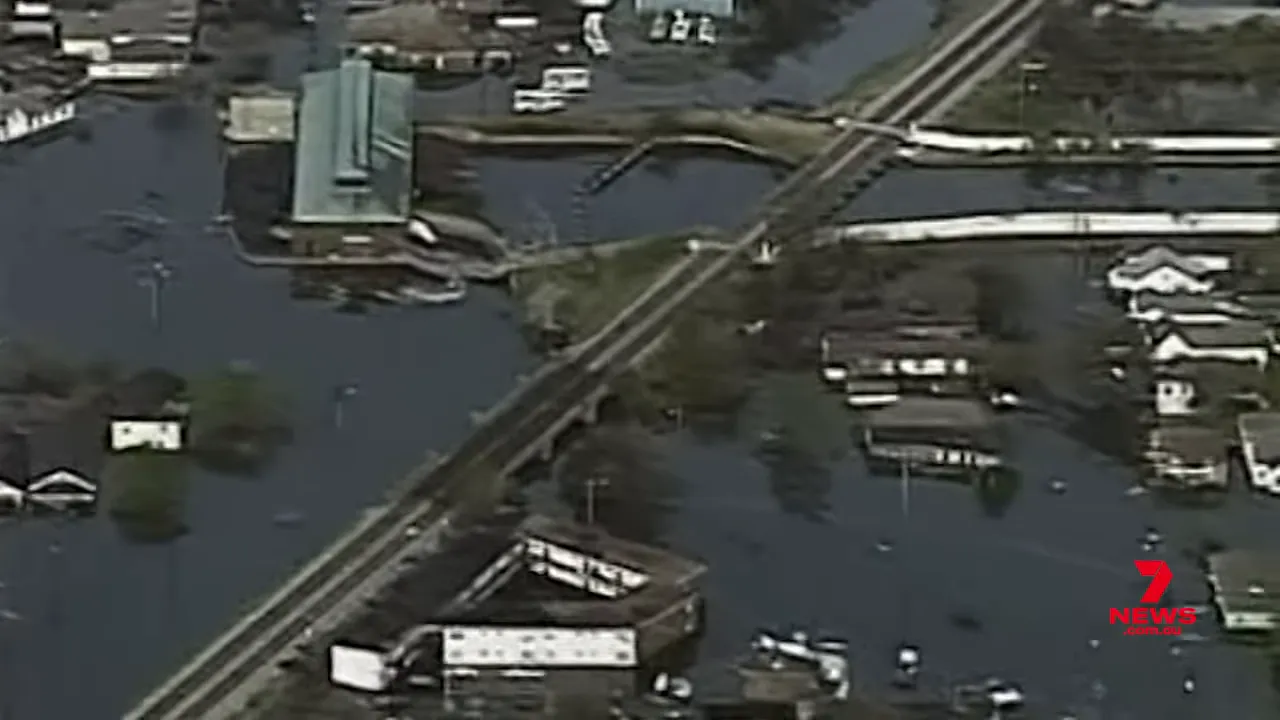
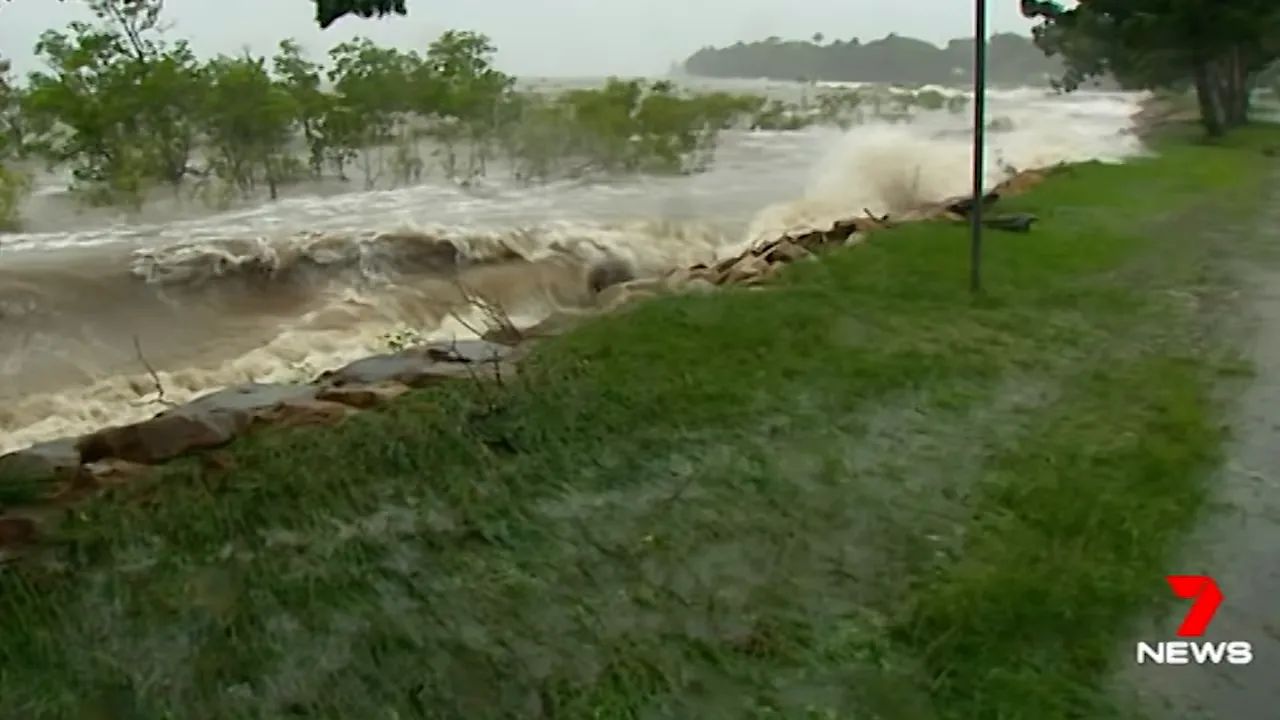
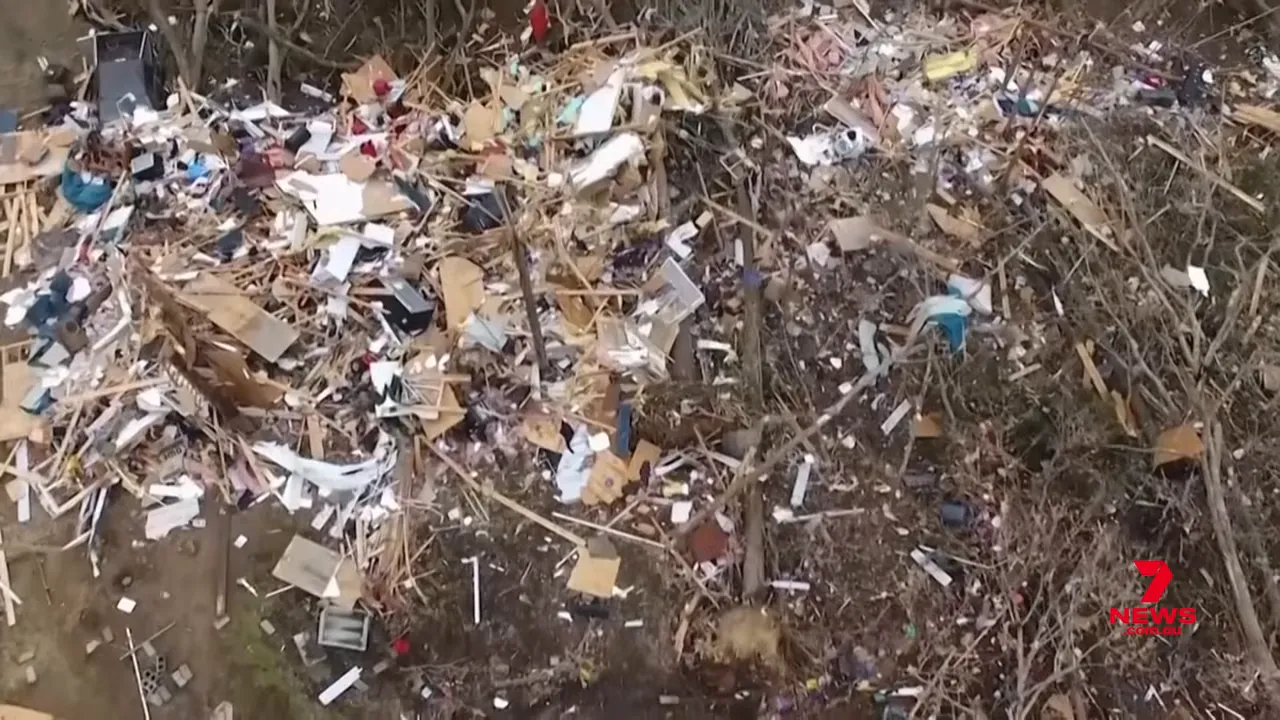
Stories from Cyclone Yasi, Typhoon Haiyan and Hurricane Katrina illustrate the scale clearly. Eyewitness accounts describe roofs ripped away, trees uprooted and entire neighbourhoods left in ruins. The human cost and the scenes of wreckage help explain why these storms are so feared.
What is a tropical cyclone?
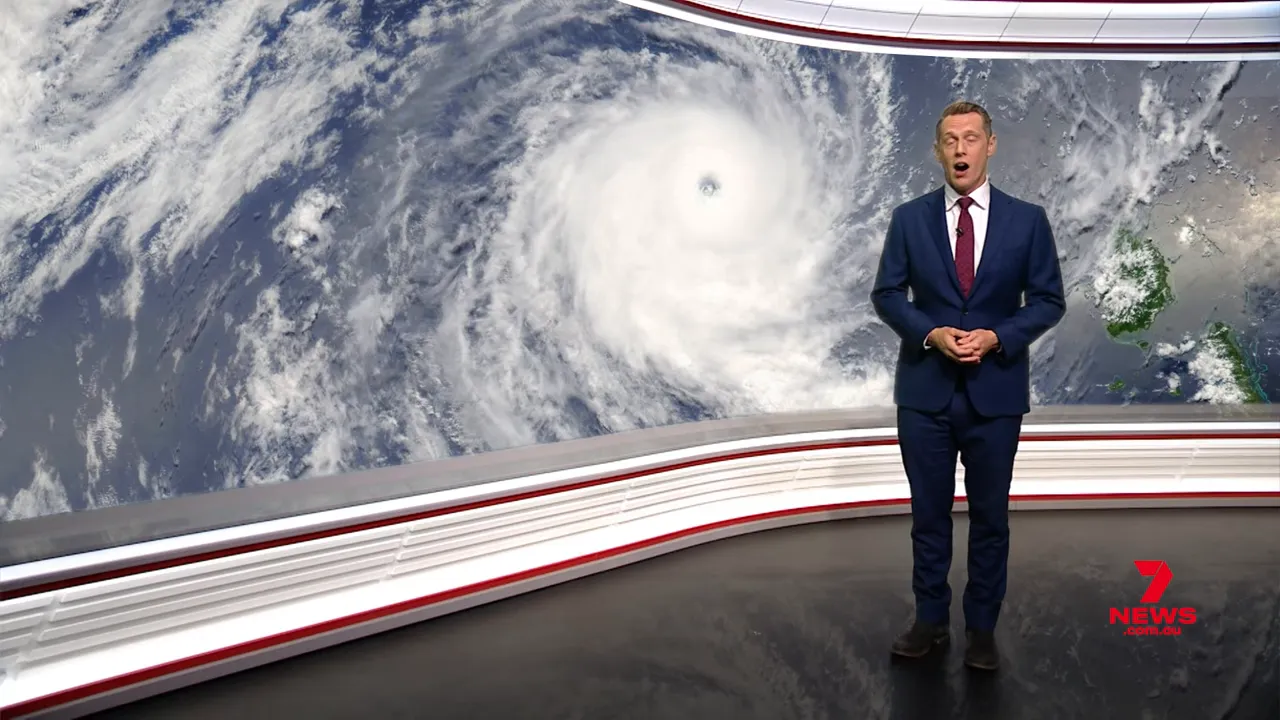
A tropical cyclone is a large, rotating low-pressure system that forms over very warm tropical waters. It draws energy from the ocean, builds a warm core, and develops intense winds around an eye wall with spiralling rain bands that can stretch hundreds of kilometres from the centre.
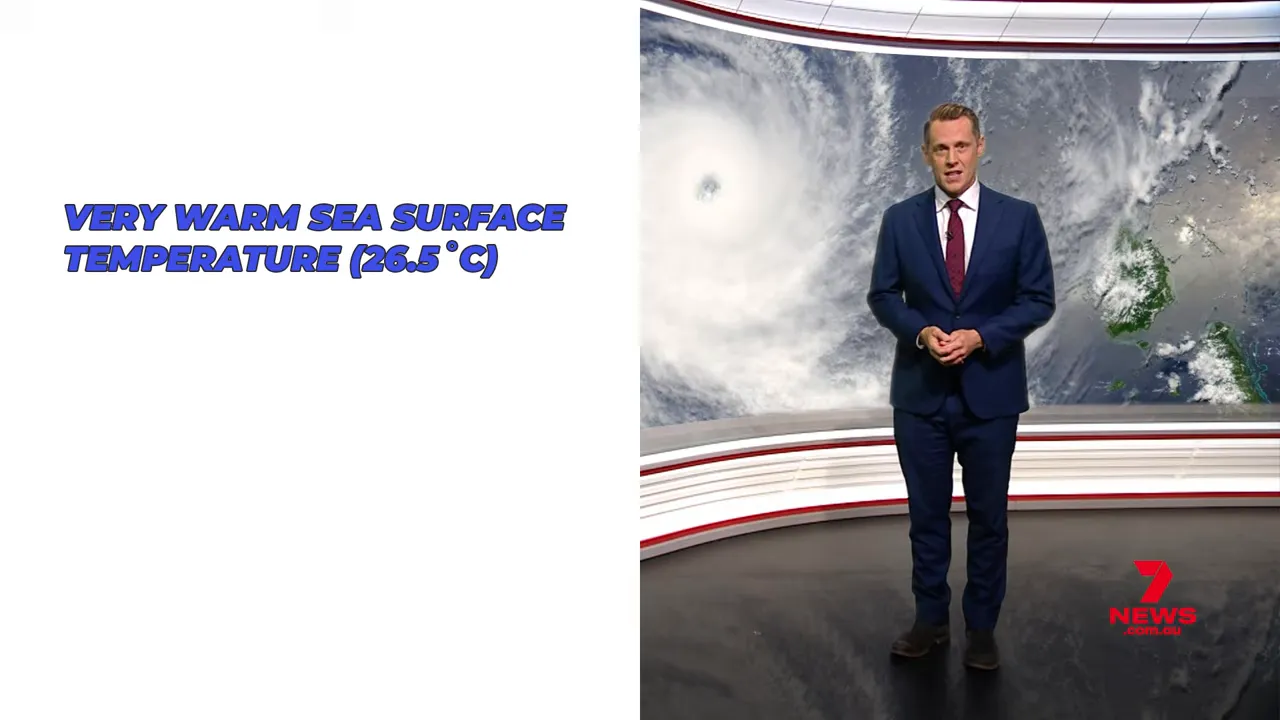
To form, a tropical cyclone needs several ingredients: sea surface temperatures around 26.5°C or warmer, an atmosphere that supports thunderstorms, a pre-existing low-pressure area and some rotation to organise the storm. Without warm water there is no fuel and the system cannot intensify.
Why the different names?
The only real difference between a cyclone, a hurricane and a typhoon is where the storm forms. In the Indian Ocean and around Australia they are called cyclones. In the Atlantic and north-east Pacific they are called hurricanes, and in the north-west Pacific they are called typhoons. Structure, behaviour and destructive potential are the same regardless of the name.
How rotation depends on hemisphere
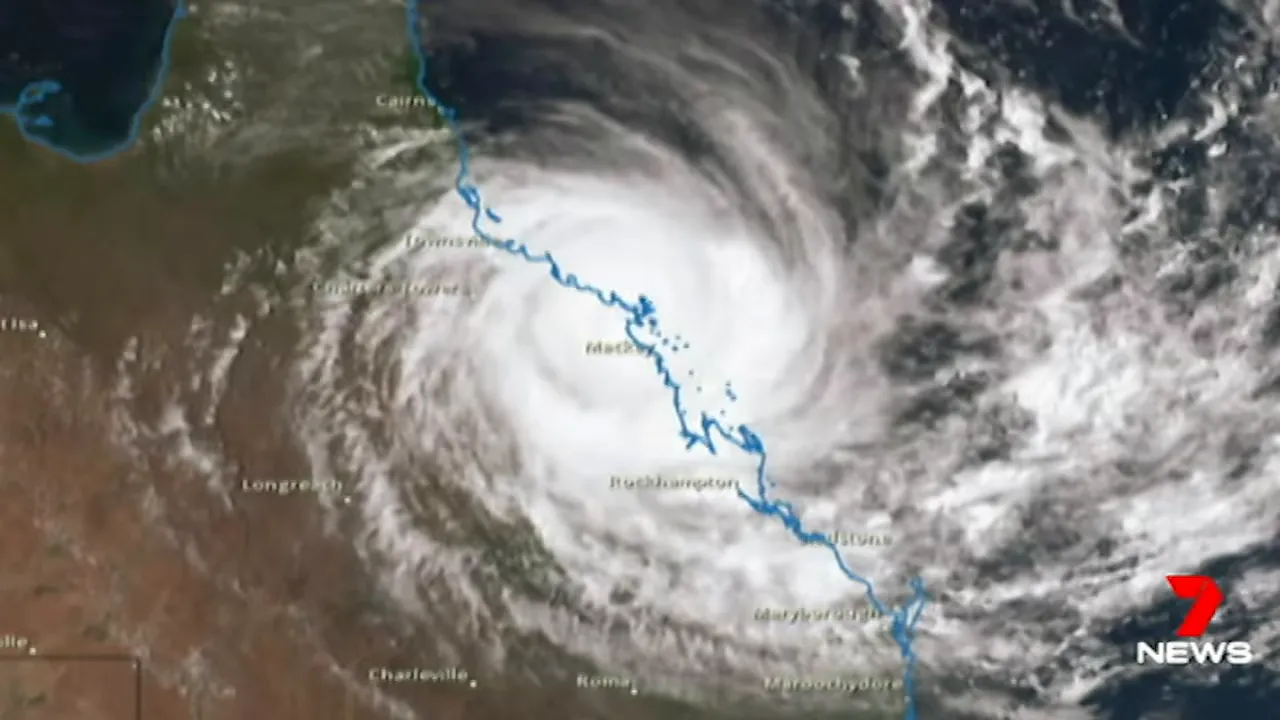
Wind rotation around these low-pressure systems depends on the hemisphere. In the southern hemisphere winds circulate clockwise, while in the northern hemisphere they circulate anticlockwise. This is a direct result of the Coriolis effect and affects how storms develop and move.
Categories and intensity
Storms are classified by wind speed, but definitions vary by region. In Australia the scale begins with Category 1 and rises to a severe Category 5, which is used for systems with sustained winds greater than around 250 km/h. Other basins use different thresholds for their categories, so a Category 1 in one region may not match a Category 1 elsewhere.
Warm water is the fuel: the warmer and deeper the pool of ocean heat, the greater the potential for rapid intensification. Recent storms such as Cyclone Debbie and Hurricane Sandy showed how quickly systems can strengthen just before landfall, with devastating results for coastal communities.
Tornadoes — related but different
Tornadoes are not tropical cyclones. They are smaller, shorter-lived but often more violent. Tornadoes form over land from strong thunderstorm updrafts that develop a vertical vortex, and they do not need an ocean to exist.
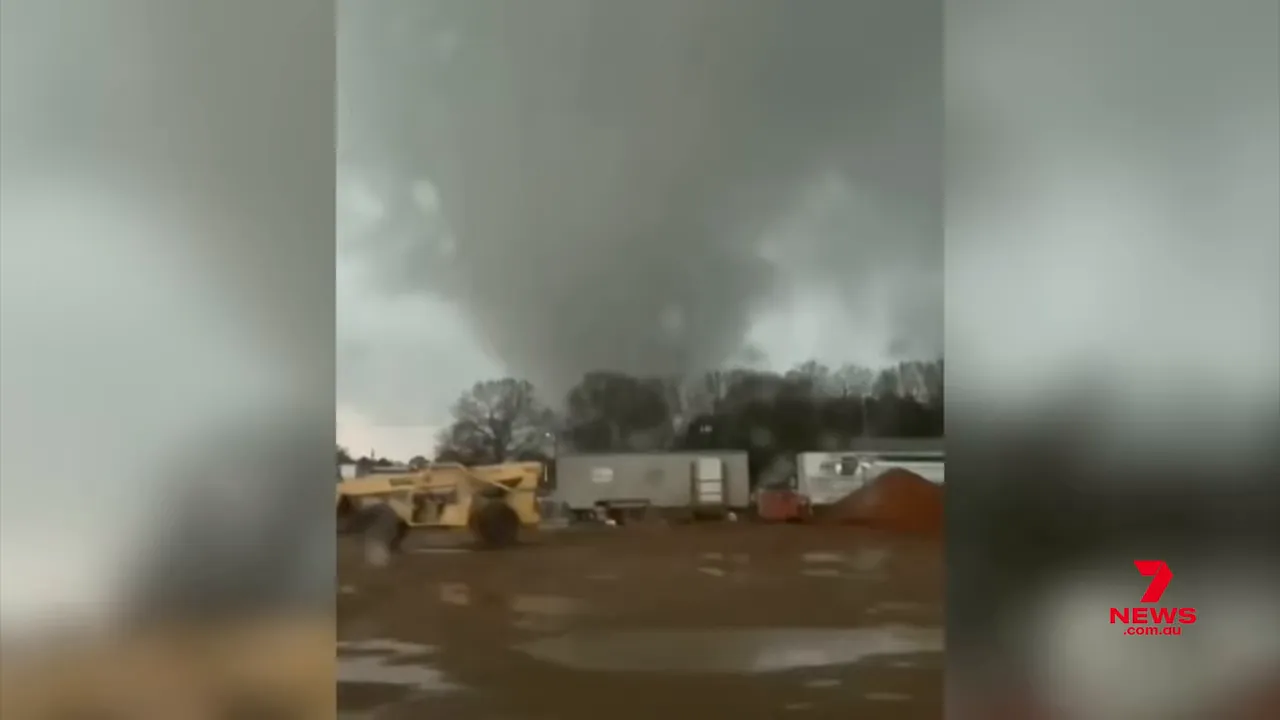
Some tornadoes produce wind speeds exceeding 400 km/h and can carve narrow but catastrophic paths through towns. Tropical cyclones can spawn tornadoes within their rain bands, compounding the damage during landfall.
Why tornadoes are more common in the United States
The United States has a unique geography that fosters tornado formation. Warm, moist air from the Gulf of Mexico clashes with dry air descending from the Rocky Mountains, creating highly unstable conditions. Australia sees similar interactions but typically not at the same scale, which is why tornadoes are less frequent there.
What to remember
Tropical cyclones — whether called cyclones, hurricanes or typhoons — are heat engines powered by warm ocean water and organised by atmospheric conditions. They spin differently in each hemisphere, are categorised by wind speed, and can carry embedded tornadoes that add to their danger.
When warnings are issued for a tropical cyclone, the most immediate threats are storm surge, destructive winds, heavy rainfall and flooding. Evacuation orders and official guidance should always be followed to reduce risk to life and property.
FAQs
What is the difference between a cyclone, hurricane and typhoon?
The difference is purely geographic: cyclones form in the Indian Ocean and near Australia, hurricanes in the Atlantic and north-east Pacific, and typhoons in the north-west Pacific. They are the same type of storm — a tropical cyclone.
What conditions are needed for a tropical cyclone to form?
Key conditions are sea surface temperatures of about 26.5°C or higher, a pre-existing low-pressure area, an atmosphere that supports thunderstorms, and sufficient rotation (Coriolis effect) to organise the system.
How are tropical cyclones categorised?
Storms are categorised by sustained wind speed, but scales differ between regions. Australia uses a Category 1–5 system with Category 5 indicating sustained winds above around 250 km/h. Other basins have different thresholds for their categories.
Are tornadoes the same as tropical cyclones?
No. Tornadoes are much smaller, form over land from powerful thunderstorm updrafts, and can have higher peak winds. Tropical cyclones are large, long-lived systems that form over warm ocean water. Tropical cyclones can, however, spawn tornadoes.
How can I stay safe during a cyclone or hurricane?
Follow official warnings and evacuation orders, move away from low-lying coastal areas to avoid storm surge, secure loose items, stock emergency supplies, and avoid driving through floodwaters. Local emergency services provide the most up-to-date advice for your area.
The information in this article has been adapted from mainstream news sources and video reports published on official channels. Watch the full video here Cyclones, hurricanes, typhoons: The truth behind the names | 7NEWS


