Table of Contents
- Introduction
- What Choice found in June
- TGA response and the growing investigation
- Concerns about testing and verification
- What this means for consumers
- What regulators and manufacturers must do
- Conclusion
- FAQ
Introduction
As the health reporter who covered this story for 9 News Australia, I want to explain what’s unfolded since Consumer group Choice published alarming test results in June. Their testing showed several sunscreens did not deliver the SPF protection printed on the bottle — and the fallout has led to recalls, supply pauses and an intensified regulator investigation.
What Choice found in June
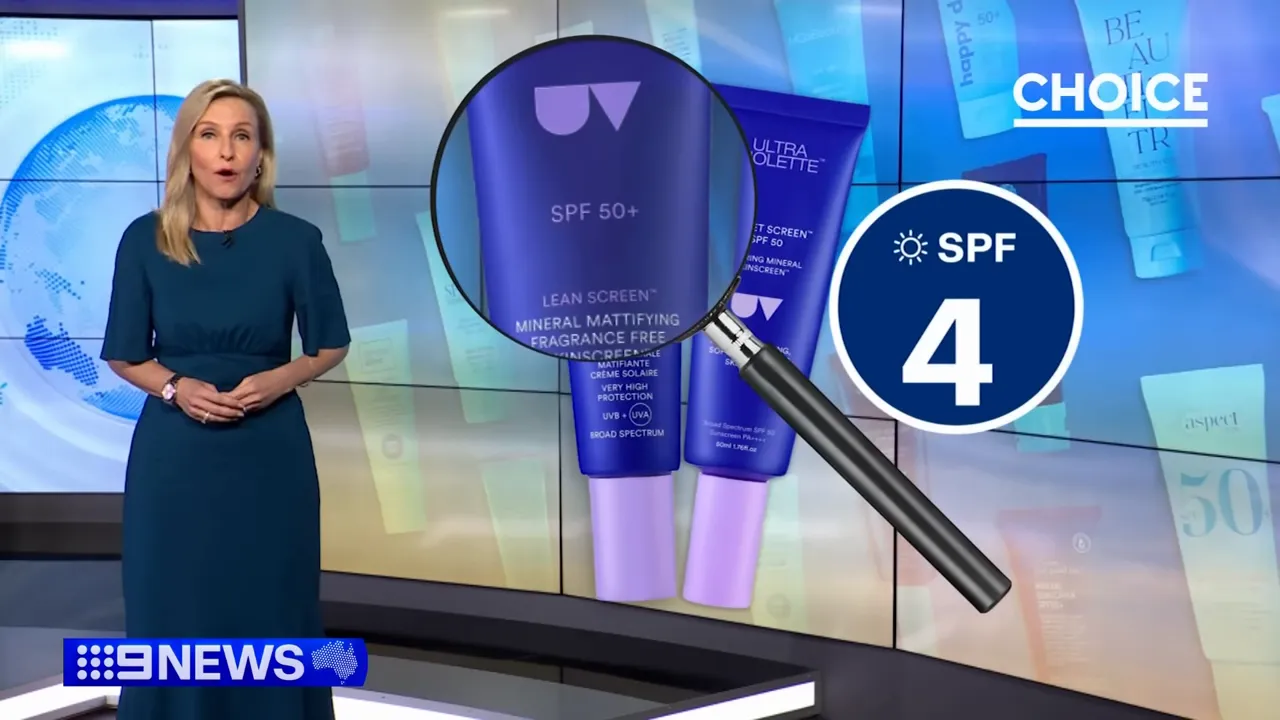
Choice independently tested a range of sunscreens and discovered a number of products with SPF performance significantly below what manufacturers claimed. The most shocking example was a product labeled SPF 50+, which tested at just SPF 4 — a level that offers almost no practical protection from ultraviolet radiation.
Why this matters
SPF ratings communicate how much longer you can stay in the sun without burning compared with unprotected skin. When a product advertised as SPF 50+ performs at SPF 4, consumers are falsely reassured and may be at higher risk of sunburn and long-term skin damage, including skin cancer.
TGA response and the growing investigation
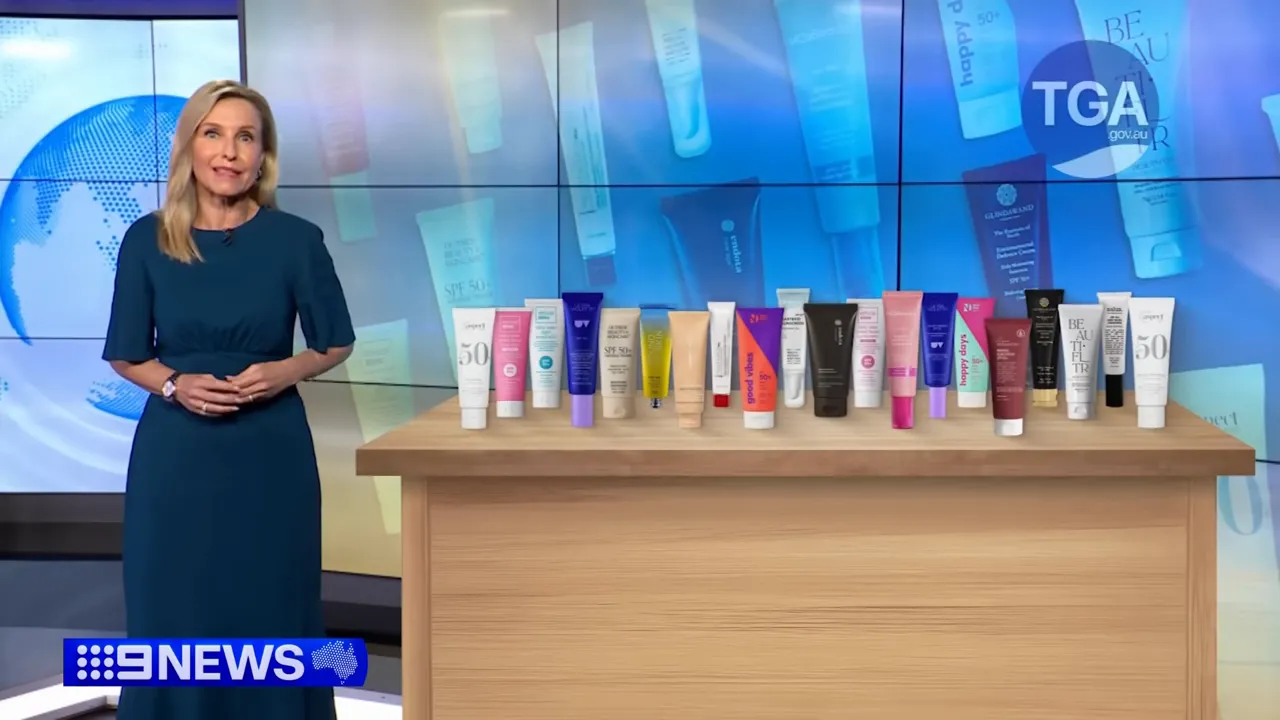
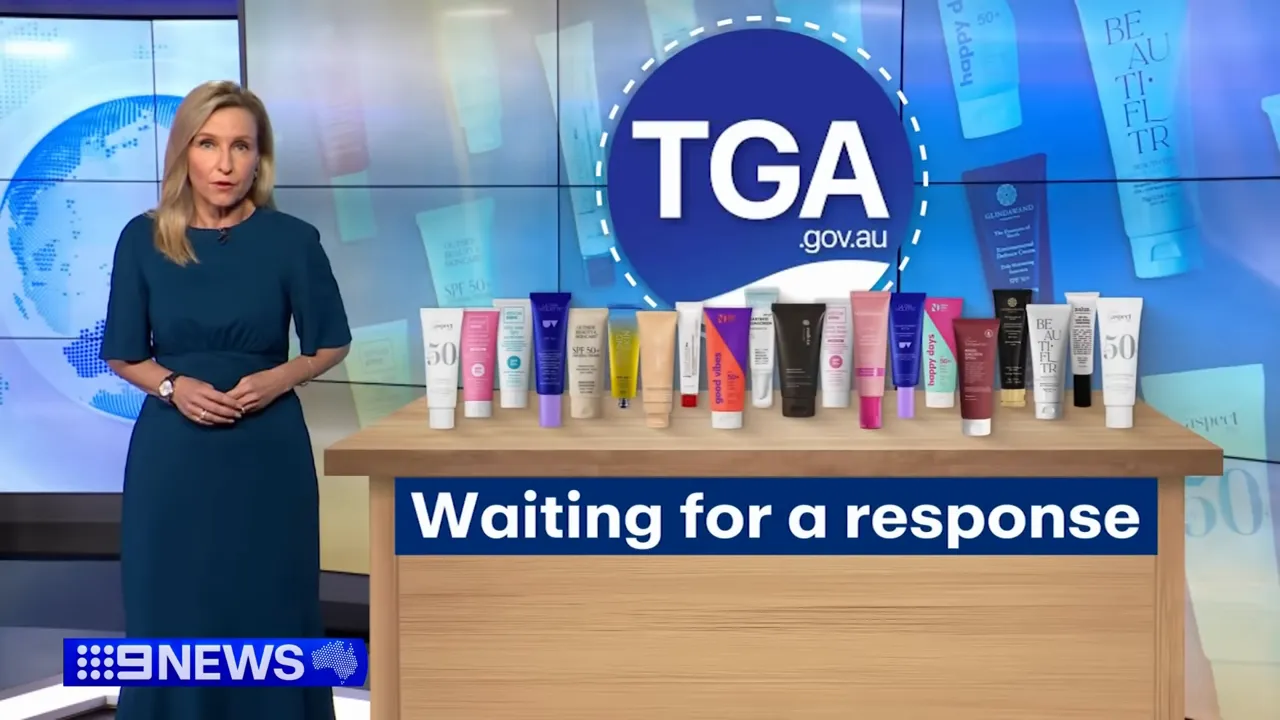
The Therapeutic Goods Administration (TGA), Australia’s regulator for therapeutic products, has stepped up its response. After identifying that multiple products share the same base formula as the poorly performing item, the TGA has listed 21 sunscreens of interest and most have been recalled or had supplies paused while reviews continue.
Examples of affected brands
- Ultraviolet’s Lean Screen (the product that tested at SPF 4 despite being labeled 50+)
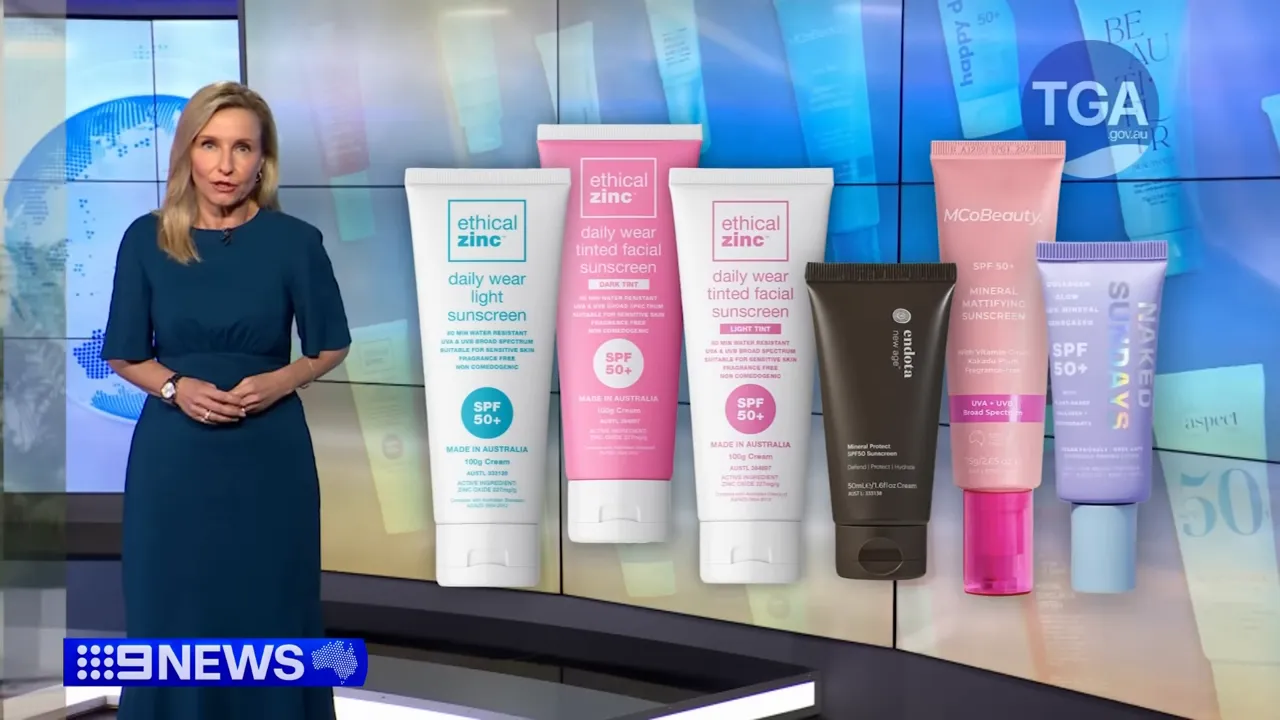
- Ethical Zinc Daily Wear (three versions)
- Dota Mineral Protect
- Emco Beauty 50+
- Naked Sunday’s Collagen Glow
Most of these brands have been recalled or their supplies temporarily paused while the TGA’s review is under way.
Concerns about testing and verification
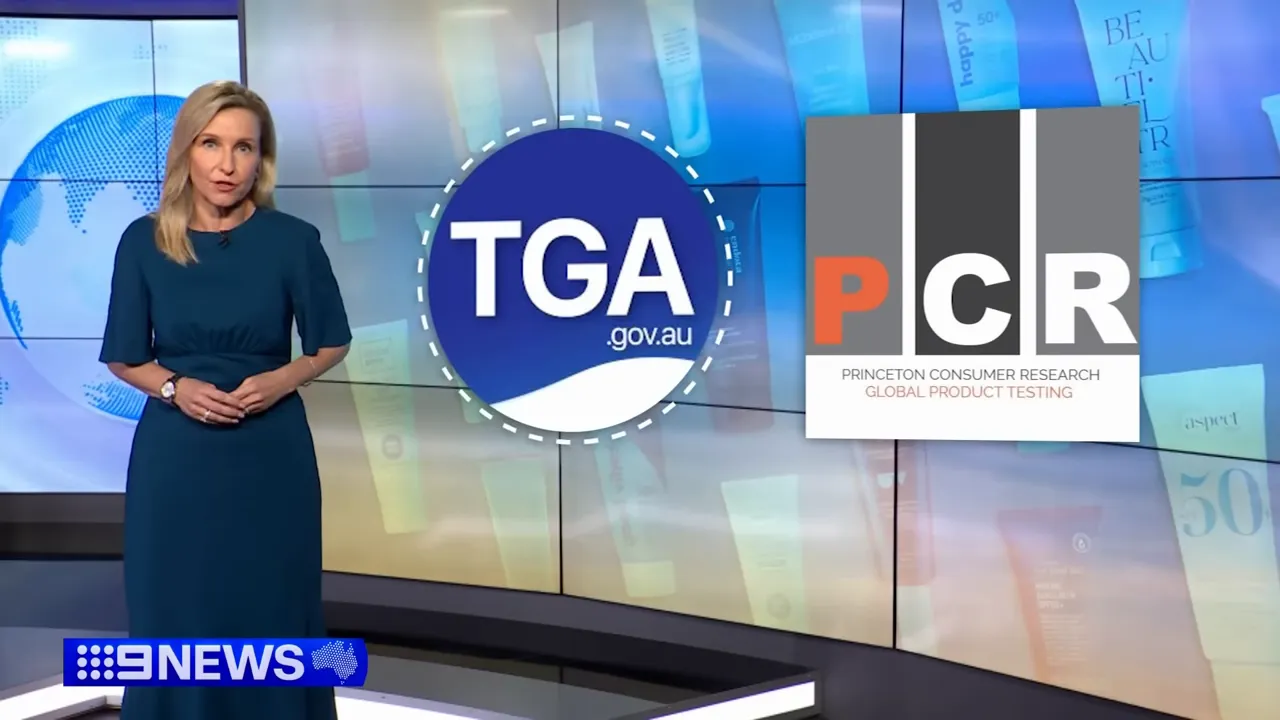
The TGA has expressed significant concerns about the UK testing laboratory Princeton Consumer Research Group, which some companies used to verify their SPF claims. The regulator is awaiting a response from that lab as it considers what further action may be needed.
"I think what's key is that in Australia we have the appropriate protocols in place to be able to rely on testing wherever that's done."
What this means for consumers
When you buy a sunscreen you expect it to do what the bottle says. If you’ve recently purchased a high-SPF product from one of the listed brands, consider the following steps:
- Check the TGA website and Choice updates for the latest recall and safety information.
- Stop using any product that’s been officially recalled or listed as under review until you have clear guidance.
- If you need immediate sun protection, use a trusted, well-tested sunscreen from a reputable brand and apply it correctly and liberally, or cover up with clothing, hats and shade.
- If you have concerns about recent sun exposure while using a suspect product, consult your GP or a dermatologist.
What regulators and manufacturers must do
The episode highlights two priorities:
- Robust and transparent testing protocols: regulators must ensure testing laboratories, whether local or overseas, meet recognised protocols so consumers can rely on SPF claims.
- Clear, timely communication: when discrepancies are found, prompt recalls and clear advice help protect the public and preserve trust.
Conclusion
The Choice testing and the TGA’s subsequent investigation have exposed a serious gap between advertised protection and actual performance for several sunscreens. Until testing processes and oversight are proven reliable, consumers should remain cautious, keep informed via official channels and prioritise reputable products and safe sun practices.
FAQ
Which sunscreens are affected?
The TGA has listed 21 sunscreens under review after Choice’s testing flagged problems. Examples named include Ultraviolet’s Lean Screen, multiple Ethical Zinc versions, Dota Mineral Protect, Emco Beauty 50+ and Naked Sunday’s Collagen Glow. Check the TGA website for the full, up-to-date list.
What should I do if I own one of these products?
Stop using any product that is part of a recall or supply pause. Monitor official updates from the TGA and Choice for guidance on returns, refunds or safe disposal.
Are all SPF tests unreliable?
No. Many reputable laboratories conduct SPF testing to recognised international standards. The issue here is concern about one particular lab used by some companies and whether testing protocols were properly followed. The TGA is investigating to determine the extent of the problem.
How can I protect myself in the meantime?
Use sunscreen from trusted brands that have a consistent testing record, reapply regularly, use broad-spectrum formulae, wear protective clothing and seek shade during peak UV hours.
Where can I find official updates?
The TGA and consumer organisation Choice will publish updates as investigations progress. Visit their websites for the latest safety notices and recall information.
Credits
Reporting and research: 9 News Australia
Further reading and related issues
For broader context on healthcare regulation, consumer safety and how drug and service approvals affect Australians, see:
- Medicare investment — implications for health services and access.
- Healthcare accountability — unpacking responsibilities and oversight.
- Weight-loss drugs — debates on drug approval and PBS listing.
- NDIS support — navigating support services and referrals.
- Childcare reform — why regulatory reform matters for safety and oversight.
These pieces offer background on regulation, funding and oversight that intersect with concerns about product safety and consumer protections raised in this story.


