Table of Contents
- Multiple incidents leave two dead and two missing amid dangerous surf
- What happened and where the emergencies occurred
- Emergency response and heroism
- Practical safety advice for beachgoers
- What authorities are doing now
- Key takeaways
- FAQs
Multiple incidents leave two dead and two missing amid dangerous surf
Sydney beach deaths have marred the start of the new year, with two people confirmed dead and two others missing after separate incidents along the city's coastline within 24 hours. Emergency services, including a Westpac Rescue helicopter, lifeguards on jet skis and marine rescue crews, mounted searches at multiple locations as surf conditions remained hazardous.
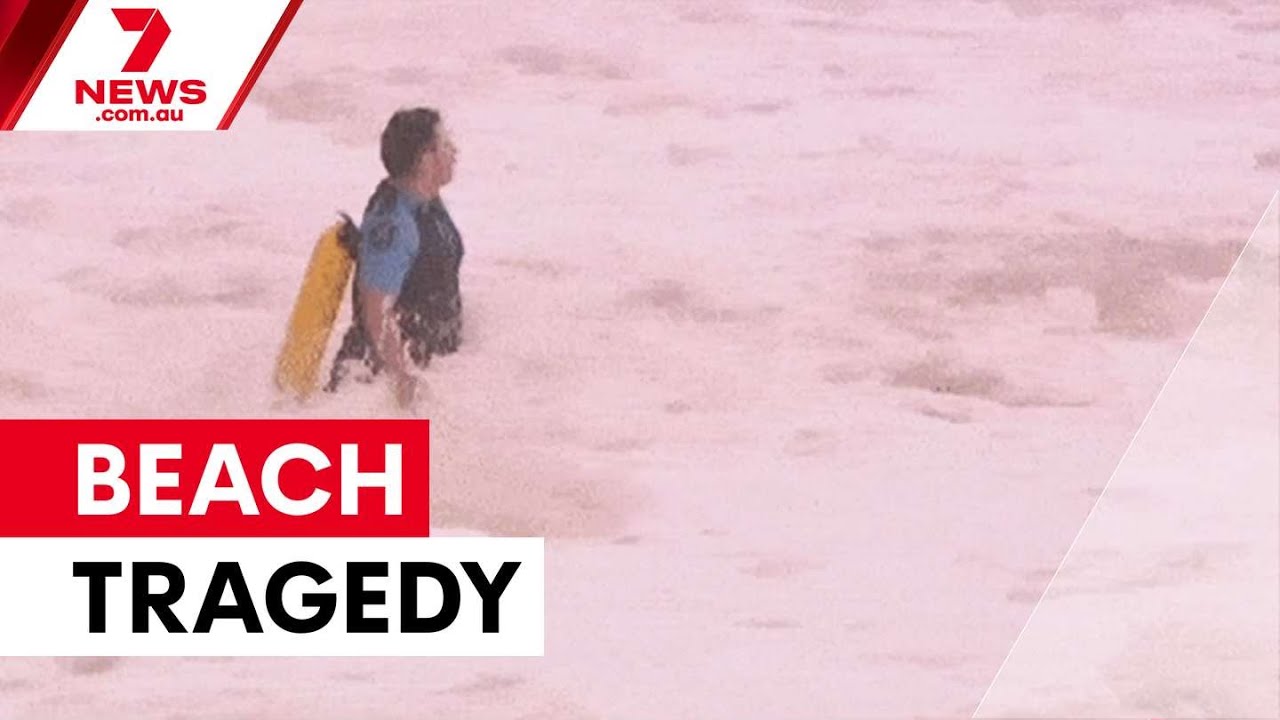
Rescue efforts intensified early on New Year’s morning. At around 6am a group of friends were swimming when they became caught in a rip near Koji Beach. A police officer and an off‑duty lifesaver ran into the water to assist, saving two people while a man in his 20s was dragged out to sea and remains missing.
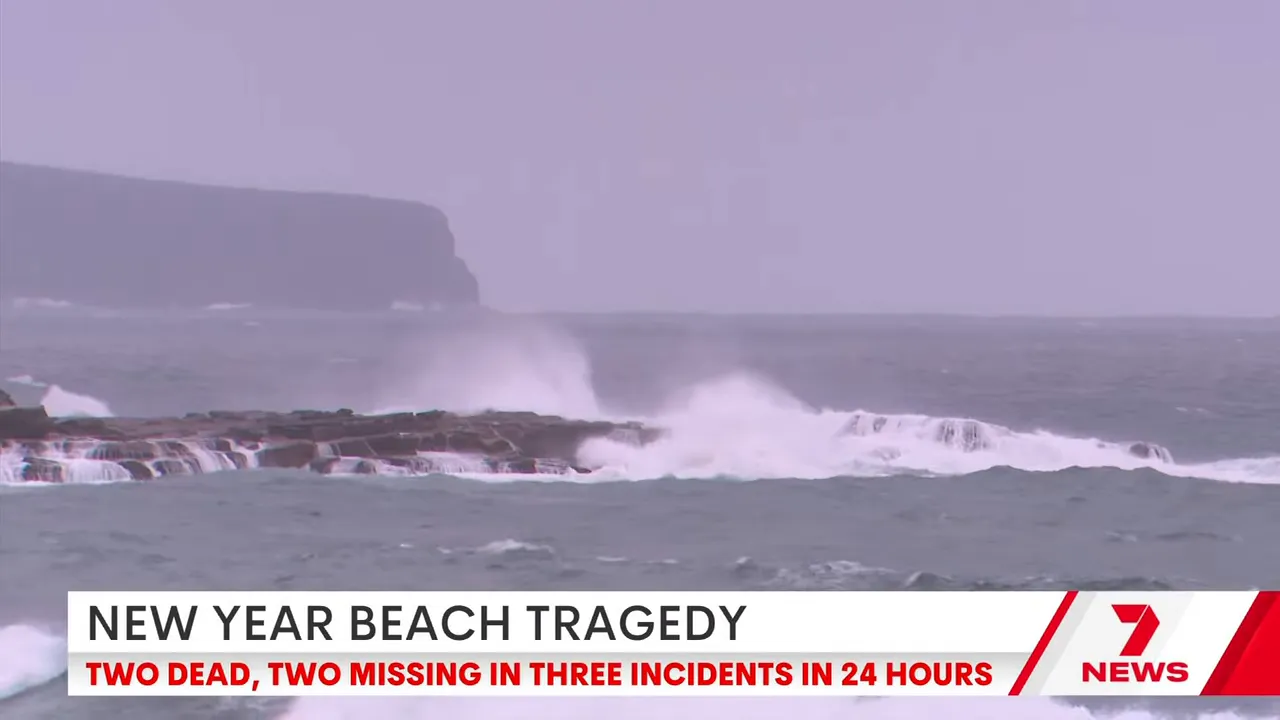
Hours earlier, a 25‑year‑old woman lost her life after being struck by a wave and thrown into a rock pool at Maruba Breach. That single incident highlights how quickly coastal hazards can turn fatal, particularly on closed or unpatrolled stretches of shoreline.
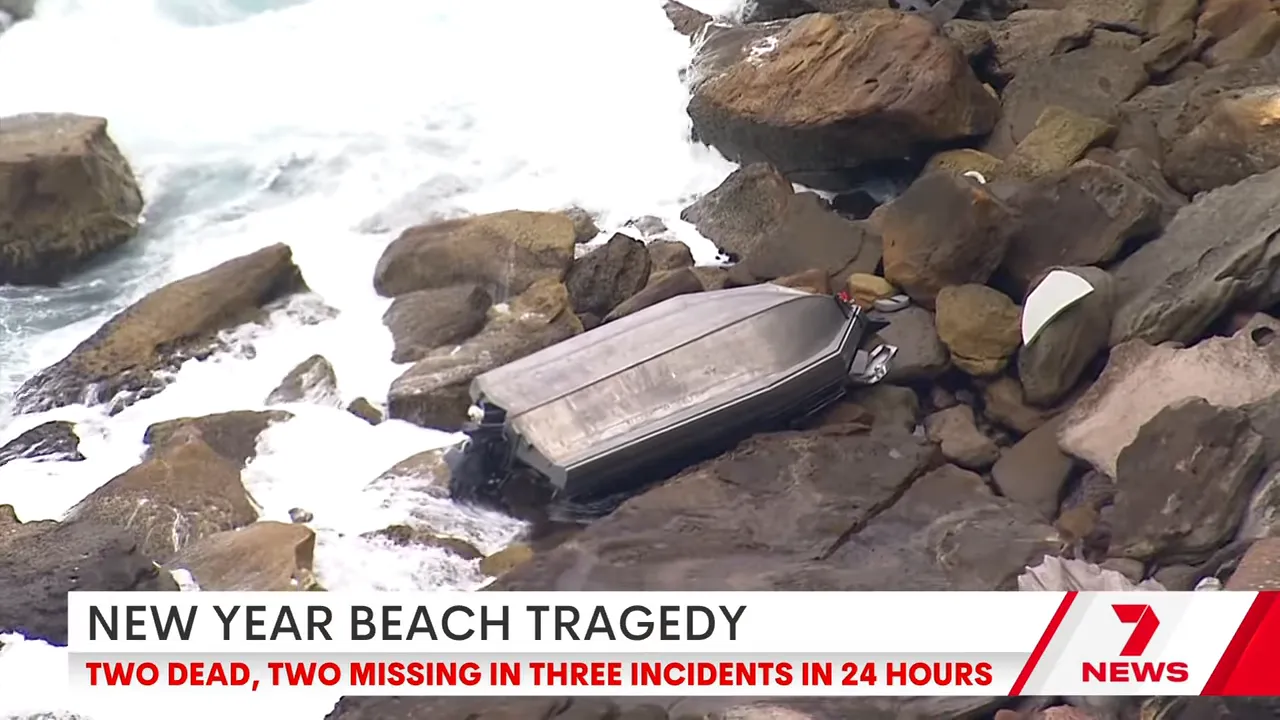
Separately, marine rescue teams continued searching off Sydney’s northern beaches after a tinny capsized off Palm Beach. A 14‑year‑old boy is still missing following the capsize; the accident killed one man while another managed to reach safety.
What happened and where the emergencies occurred
Within a single 24‑hour period there were at least three separate incidents: a rip incident at Koji Beach that led to a missing man in his 20s, a fatal rock pool accident at Maruba Breach, and a capsized tinny off Palm Beach involving teenagers and adults. Lifesavers and police responded at each scene, using boats, jet skis and aircraft to search the water.
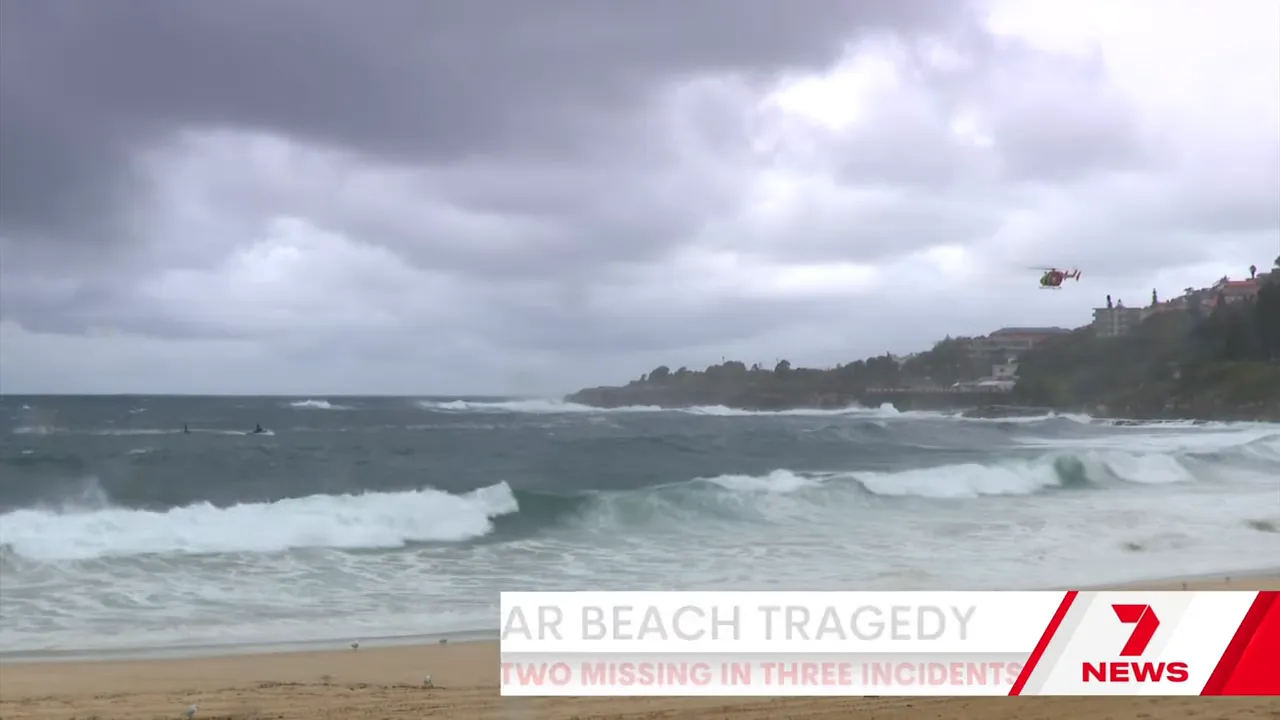
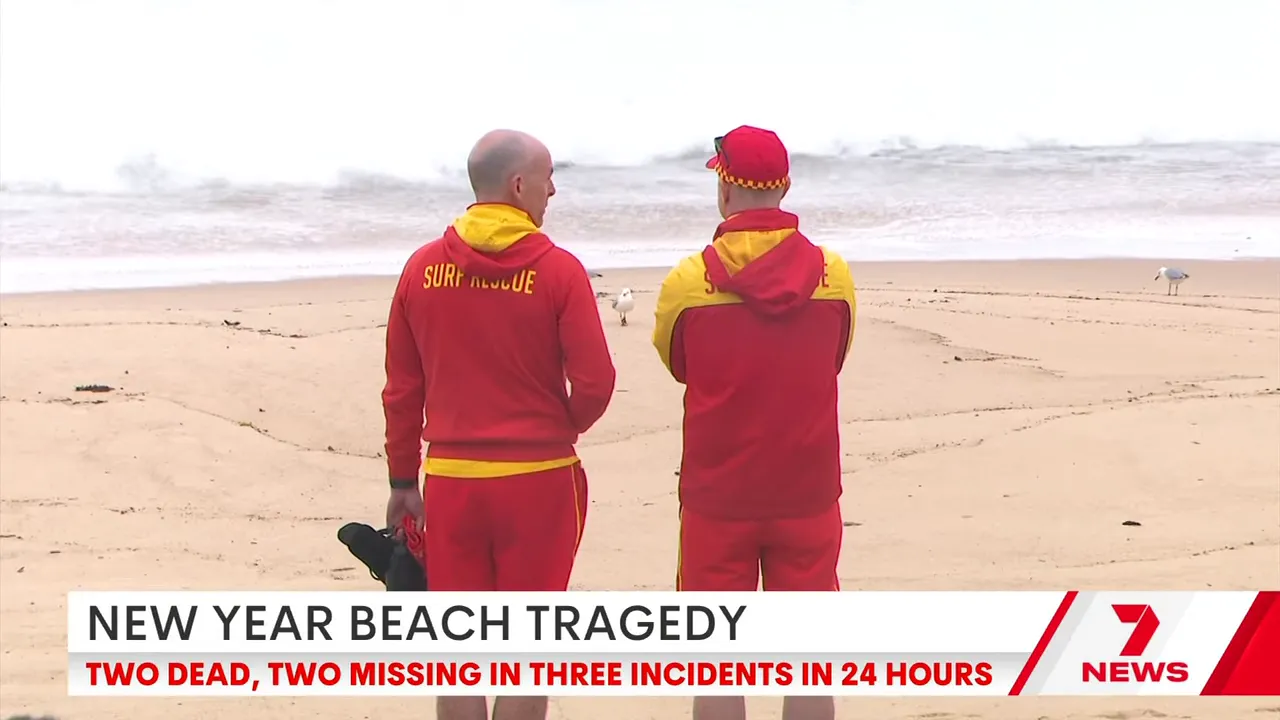
Authorities described the conditions as rough and warned that people should not enter the surf at closed or unpatrolled beaches. Surf Life Saving issued a stern plea for the public to heed beach closures and local warnings while emergency crews continue search operations.
Emergency response and heroism
Police and volunteer lifesavers acted quickly, with at least one officer entering the surf in full uniform to assist swimmers caught in the rip. The coordinated response involved Westpac Rescue helicopters, local lifeguard services and marine rescue volunteers, demonstrating the rapid mobilisation of emergency services during coastal incidents.
Despite heroic efforts, search and rescue work in heavy surf is dangerous and outcomes are not always positive. Families and communities are being supported by emergency services while searches continue.
Practical safety advice for beachgoers
Surf Life Saving’s guidance is clear: avoid swimming at closed or unpatrolled beaches, and stay well clear of rock platforms during rough seas. Short actions can reduce risk and save lives.
- Swim between the flags at patrolled beaches and follow lifeguard instructions.
- Avoid rock pools and platforms during high swell and large waves.
- Don’t enter the water at closed or unpatrolled beaches, especially in rough surf.
- Wear lifejackets on small boats and ensure vessels are not overloaded.
- Check local surf and weather warnings before heading to the coast.
What authorities are doing now
Marine Rescue and Surf Life Saving continue active searches for the missing after the capsize and the rip incident. Police are investigating the circumstances of each event and working with volunteer rescue groups to coordinate search efforts and community safety messaging.
Local surf clubs and emergency services have reinforced warnings about the dangers of rips, large waves and hazardous rock formations at this time of year.
Key takeaways
- Two people have died and two remain missing following three separate coastal incidents in Sydney within 24 hours.
- Search operations involve helicopters, lifeguards, jet skis and marine rescue vessels.
- Surf Life Saving urges people not to swim at closed or unpatrolled beaches and to avoid rock platforms in rough conditions.
- Immediate adherence to safety advice — swim between the flags, wear lifejackets in small craft and check warnings — reduces risk.
FAQs
Are the beaches closed after these incidents?
Some beaches may be temporarily closed or have reduced patrols while searches and investigations are underway. Always check local council, Surf Life Saving or emergency service updates before visiting the beach.
What should I do if someone is caught in a rip?
Do not enter the water unless you are a trained rescuer. Call emergency services immediately, attract attention from nearby lifesavers or lifeguards, and if available throw a flotation device from the shore.
Who is coordinating the search for the missing people?
Searches are being coordinated by Marine Rescue, Surf Life Saving and NSW Police, supported by volunteer crews and aerial resources such as the Westpac Rescue helicopter.
How can I stay safe on the water in a small boat?
Wear a lifejacket, check weather and sea conditions before departure, avoid overloading the vessel, and ensure someone onshore knows your plans and expected return time.
The information in this article has been adapted from mainstream news sources and video reports published on official channels. Watch the full video here Tragic New Year beach deaths in Sydney | 7NEWS


