Table of Contents
- Volunteers battled rough surf and shifting currents during a multi‑agency search
- What happened and how teams responded
- Timeline — immediate actions
- Key takeaways
- Frequently asked questions
- Final note
Volunteers battled rough surf and shifting currents during a multi‑agency search
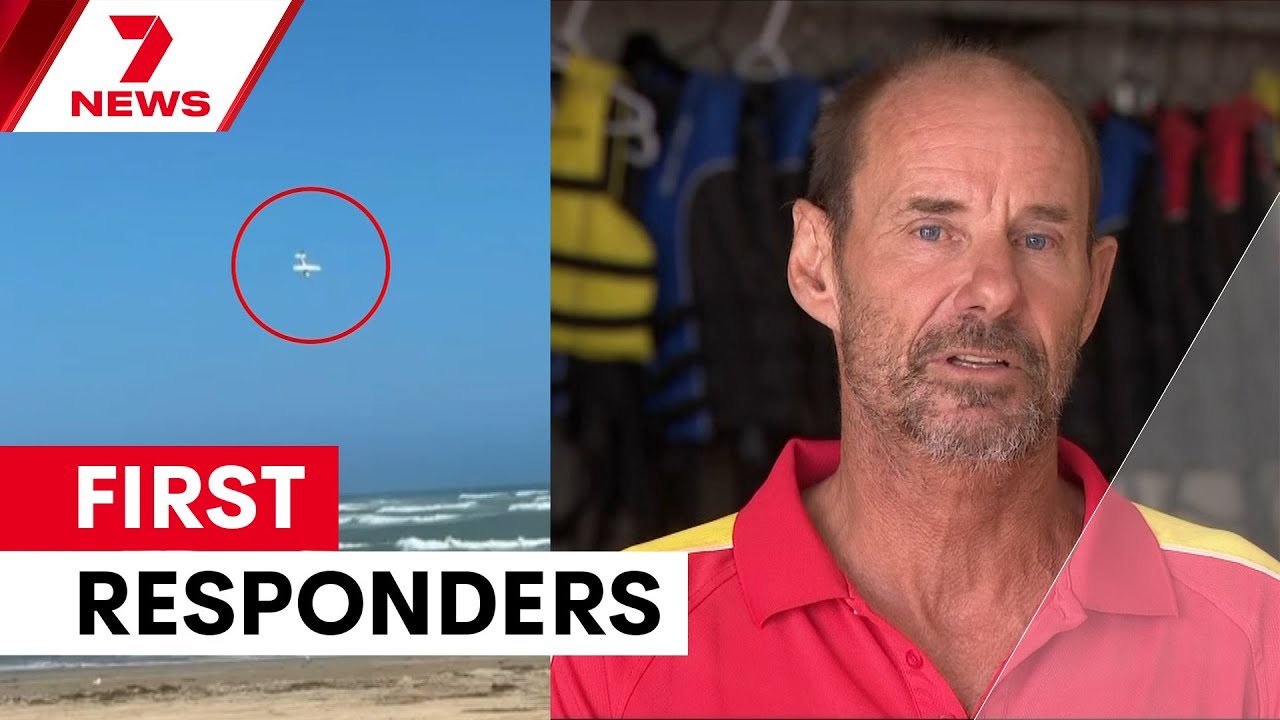
Surf lifesavers respond to plane crash in South Australia, confronting double‑overhead waves and complex river currents as volunteers and emergency services mounted a search for survivors. Within the first 20 minutes of the call, surf life‑saving crews were on scene and working across an area of at least one square kilometre.
Officials opened by acknowledging the community’s grief after a fatal Cessna 210 crash and confirmed the response remains an active investigation. They praised the work of some 28 surf life‑saving volunteers and watercraft operators who joined police and other agencies in a challenging coastal operation.
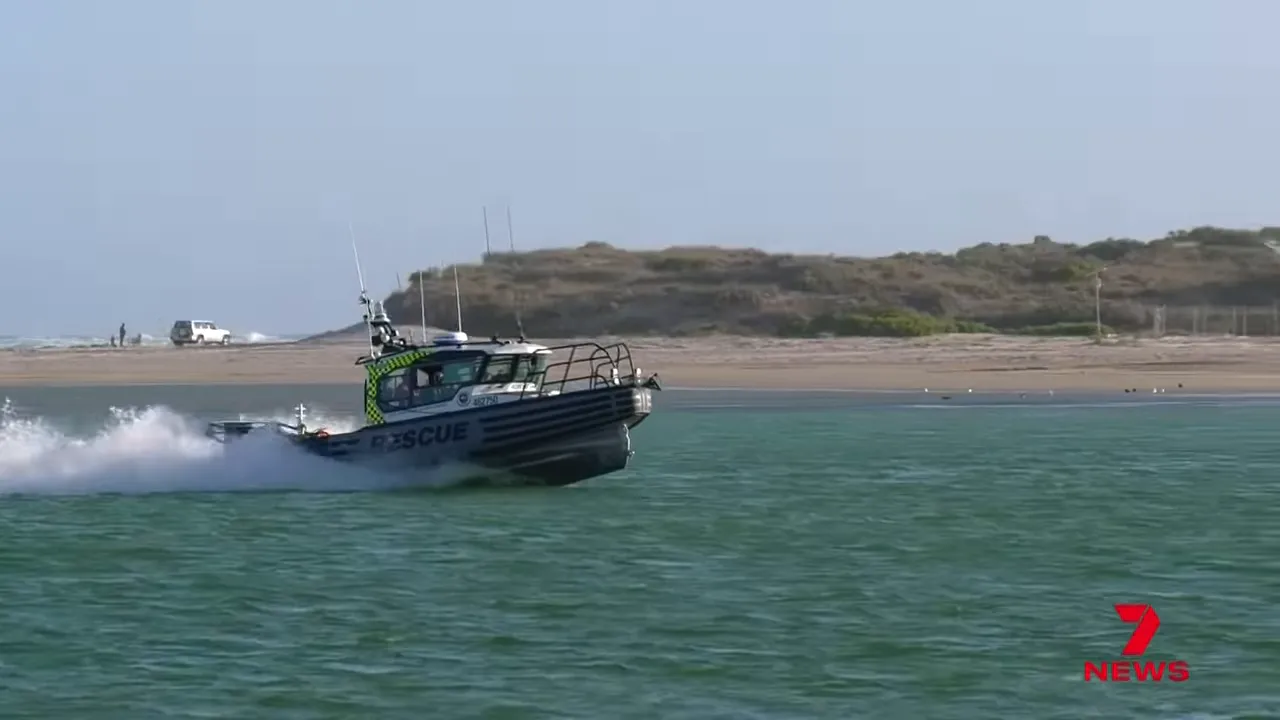
Those volunteers provided a range of roles: supporting resources at the surf club, coordinating beach search patterns and operating rescue watercraft in hazardous conditions. First responder Matt Burrage — one of the earliest on scene — described how conditions on the water made locating wreckage and any potential survivors extremely difficult.
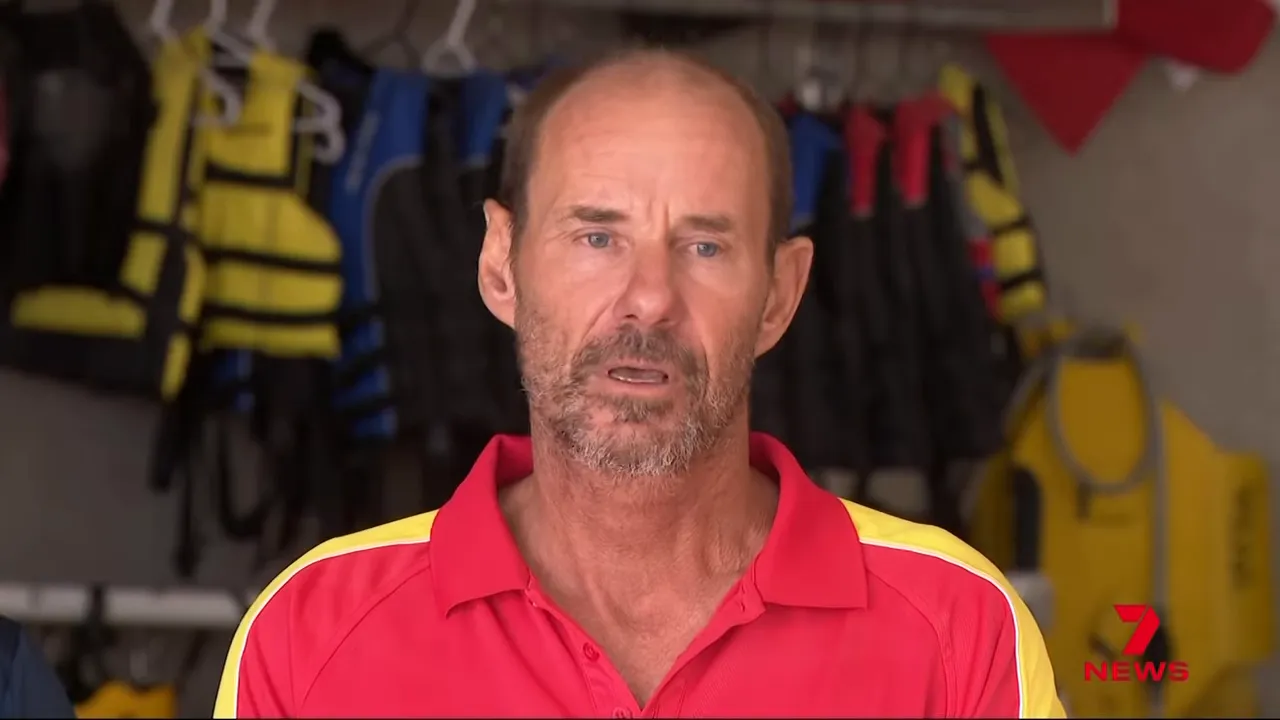
“Basically it was pretty sketchy out there, it was very difficult to operate. Obviously the safety of the craft is number one. The safety of myself is also very important.” — Matt Burrage
Burrage said waves reached about two metres with heavy white water in places, and the moving currents from the River Murray interacting with the surf zone expanded the search footprint. He estimated the surf zone stretched more than 400 metres, requiring search patterns that covered at least a square kilometre.
On locating parts of the aircraft in the break zone, crews placed rescue tubes to mark and stabilise the location for other water fleets. Even then, the team faced a stark realisation: as more information emerged about how the aircraft came down, the mission could shift from an immediate rescue to a recovery operation.
What happened and how teams responded
- When: Emergency services and surf life‑saving volunteers responded immediately after the crash; first responders were on scene in about 20 minutes.
- Where: Coastal surf zone near the mouth of the River Murray in South Australia, where river currents and ocean swell converged.
- Who: Approximately 28 surf life‑saving volunteers, watercraft operators, police and other agency crews.
- What made the search difficult: Double‑overhead waves, metre‑plus white water, shifting currents and a broad search area of at least one square kilometre.
Timeline — immediate actions
- Initial alert: emergency services notified and multi‑agency response mobilised.
- Within ~20 minutes: lifeguards and jet rescue craft on scene, began sweeping the surf zone.
- Marking the site: rescue tubes placed to indicate aircraft location for follow‑up watercraft.
- Transition: as details became clearer, responders prepared for a potential recovery operation.
Key takeaways
- Surf life‑saving crews play a vital front‑line role in coastal aviation incidents, often operating in extreme and unpredictable conditions.
- River mouths and surf zones together can create complex, wide search areas that demand coordinated multi‑agency responses.
- Safety of rescuers and their craft is a primary consideration; sometimes that means the mission shifts from rescue to recovery.
- Community support and clear communication are essential during active investigations and when grieving families are involved.
Frequently asked questions
What exactly did the surf lifesaving volunteers do during the response?
Volunteers supported resources at the surf club, coordinated beach search patterns and deployed watercraft to sweep the surf zone. They also marked the aircraft location with rescue tubes so other vessels could identify and approach the site safely.
How many volunteers were involved?
About 28 surf life‑saving volunteers were part of the multi‑agency response that night, working alongside police and other emergency services.
Why was the search area so large?
The search area was extended because of strong and shifting currents from the River Murray combined with surf conditions. Responders estimated at least a one square kilometre search in the surf zone due to drift and wave action.
How quickly did rescuers reach the scene?
First responders on jet rescue craft were on scene within roughly 20 minutes of being notified and immediately began sweeping the surf zone for wreckage or survivors.
Did the operation remain a rescue effort?
Initially the mission focused on rescue and searching for survivors. As responders learned more about the circumstances of the aircraft’s descent, they recognised the possibility the operation would transition to a recovery effort.
Final note
The incident is an active investigation and many operational details remain restricted. Authorities have emphasised the bravery and professionalism of the surf life‑saving volunteers and multi‑agency teams who worked in dangerous coastal conditions to carry out the search. The community’s thoughts remain with those affected.
The information in this article has been adapted from mainstream news sources and video reports published on official channels. Watch the full video here 'May not be a rescue': Surf lifesaver's grim realisation at plane crash site | 7NEWS


