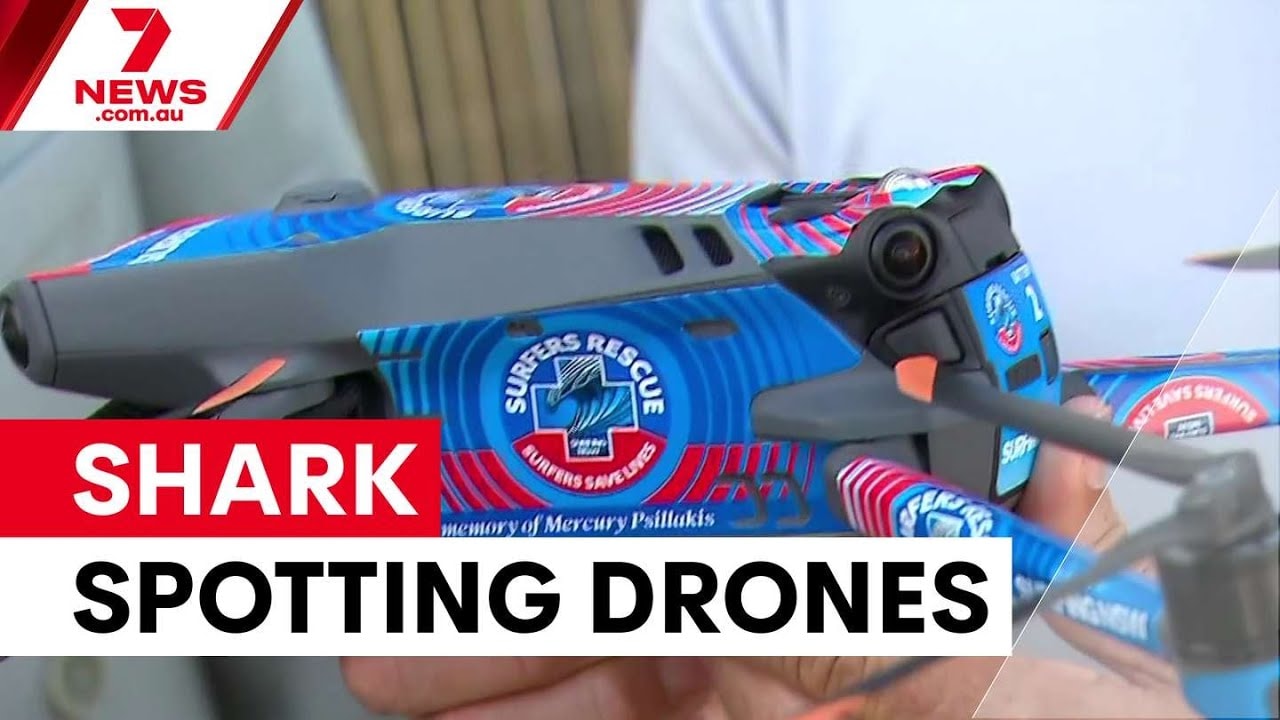

SYDNEY, AUSTRALIA — Shark spotting drones are being rolled out across New South Wales in honour of Mercury Psillakis, the Northern Beaches surfer whose death in a shark attack devastated the local community. The new initiative combines public funding, volunteer pilots, and expanding surveillance technology to improve beach safety when surf lifesavers are not on patrol.
The program marks both a memorial and a practical response. For Psillakis’ family, it is a way to turn profound loss into action. For surf clubs and beachgoers, it is a significant expansion of shark detection coverage across the state.
From tragedy to a new beach safety initiative
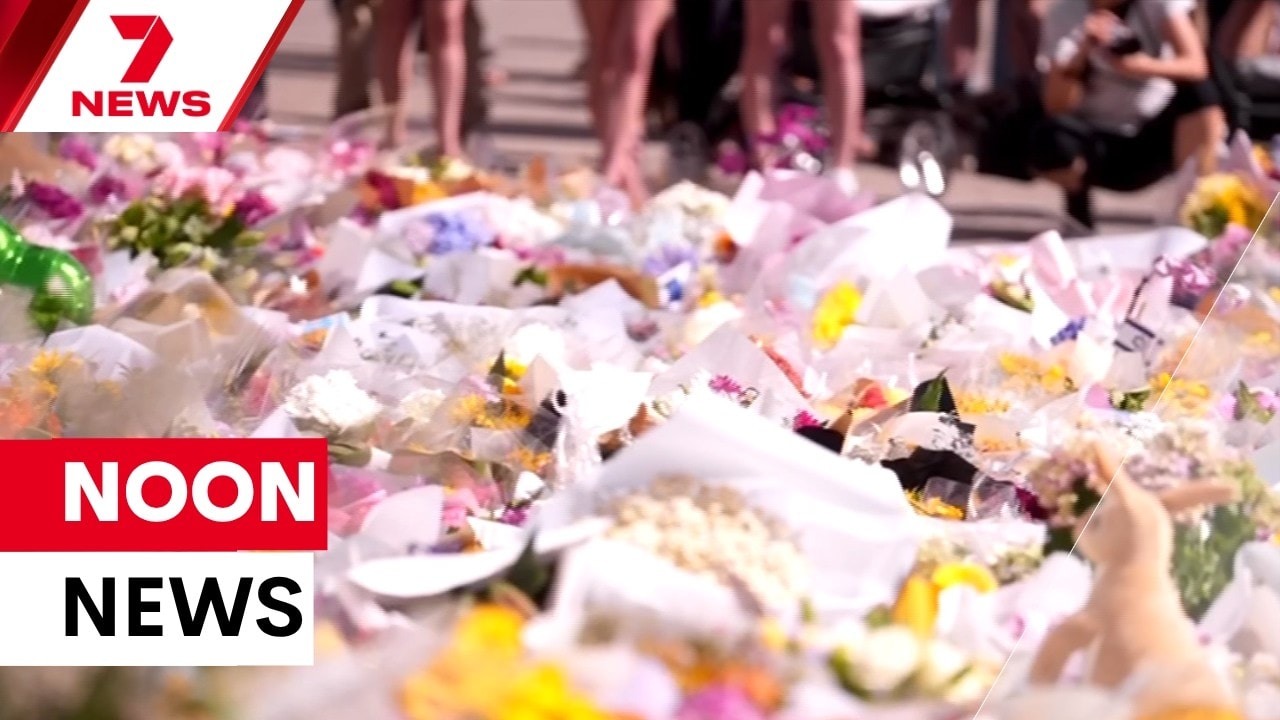
Eight months after Mercury Psillakis was killed in a shark attack at Long Reef Beach, his name is now attached to a statewide shark detection effort. The announcement came as the NSW Government confirmed funding for 60 new shark spotting drones.
The rollout is intended to strengthen surveillance at beaches and surf events, particularly during times and in places where traditional lifesaving coverage may be limited. The initiative also reflects the determination of Psillakis’ family to ensure that his legacy contributes to saving lives.

His family has played a leading role in supporting the rollout, with local volunteers set to pilot the new drones. The emotional significance of the announcement was clear: the drones are not only a new safety tool, but also a public recognition of a life deeply loved by the Northern Beaches community.
“He’d be proud that he’s somewhat responsible for extra safety on our beaches.”
What the new shark spotting drones will do
The 60 newly funded drones are designed to help detect sharks from the air and provide early warning to people in the water. Their purpose is straightforward: improve visibility, speed up alerts, and close some of the gaps that exist when surf lifesavers are unavailable.
In practical terms, drone surveillance gives operators an elevated vantage point over the surf zone. If a shark is spotted, the information can be relayed immediately to officials on the ground, allowing warnings to be issued without delay.
One example outlined in the program is how volunteer drone pilots would communicate directly with judges at surfing competitions. If a shark is identified, the judges can sound the horn and alert participants within moments.

How the alert system works at surf events
The drones will be operated by 125 volunteer pilots at surfing competitions and training sessions. That makes the program especially relevant for organised surf activity, where large numbers of people may be in the water at once.
The response process is designed to be immediate and simple:
- Volunteer pilots monitor the water from above using shark detection drones.
- If a shark is spotted, pilots notify nearby judges or event officials.
- Judges sound the horn to warn surfers and others in the water.
- Participants can exit the water quickly based on the alert.
This kind of rapid communication is central to the value of drone surveillance. It does not remove risk entirely, but it can improve the time available to respond.
“I do know that if there was a drone in the sky that day, my brother would still be with us.”
Statewide expansion aims to reach every surf club
The additional 60 drones are intended to fill gaps in coverage across New South Wales. Under the plan, every surf club in the state is expected to have access to drone surveillance technology by the end of winter.
That is a notable shift in beach safety infrastructure. Rather than concentrating technology in only a handful of locations, the rollout points to broader access across the surf lifesaving network.
This matters because beach conditions, patrol schedules, and event calendars vary widely. A more distributed drone program offers flexibility, especially for clubs that need extra surveillance support during competitions, training sessions, or non-patrol periods.

Why volunteer pilots are central to the program
The success of the rollout depends not only on the drones themselves, but also on the people operating them. The 125 volunteer pilots form the backbone of the current program, helping translate technology into real-time safety monitoring.
That volunteer model also reflects the community-based nature of surf lifesaving in Australia. Local knowledge, rapid coordination, and trusted on-the-ground communication remain essential, even as new equipment is introduced.
In this case, the drones are not replacing human judgement. They are extending it, giving volunteers and surf officials another tool to help protect people in the water.
The next stage: AI drones and more automation
While the newly funded drones represent a major step forward, officials have made clear that this is not the endpoint. The next phase being discussed includes AI-enabled drones that can fly themselves, as well as more automated “drone-in-a-box” systems.
These technologies could further improve response times and expand surveillance capacity. Automation may eventually make it possible to deploy drones faster and more consistently, particularly in locations where staffing or access presents challenges.
Even so, authorities are taking a cautious approach. The message from government is that newer technologies need to prove they are the best available option before they can fully replace existing measures.

Why shark nets are still staying in place
Despite the expansion of aerial surveillance, shark nets will remain part of the current safety strategy. Officials indicated they will stay in place until there is greater confidence that the available technology offers the strongest possible protection.
That position reflects a broader transitional moment in coastal safety policy. Drones are becoming more capable and more widespread, but the system is still evolving. For now, the approach is layered rather than all-or-nothing.
Readers seeking broader information about shark mitigation programs in New South Wales can refer to the NSW SharkSmart program, which outlines current shark management and beach safety initiatives.
A legacy that reaches beyond one beach
The naming of the drones in Mercury Psillakis’ honour gives the program significance beyond its technical purpose. It ties the expansion of shark detection directly to a personal story of loss, remembrance, and public safety.
For the Northern Beaches community, the initiative acknowledges the pain caused by his death. For the state, it creates a lasting reminder that safety improvements often emerge from moments that should never have happened.
His family has also made it clear that this is only the beginning. They see the announcement not as a final answer, but as part of an ongoing conversation about how beaches can be made safer.
That continuing discussion is likely to centre on how best to combine volunteers, surveillance technology, automated systems, and existing protective measures in a way that is both effective and trusted by the public.
What this means for beach safety in NSW
The launch of these shark spotting drones signals a broader shift in how beach safety is managed in New South Wales. Aerial monitoring is moving from a supplementary tool to a more integrated part of surf safety planning.
Several key points stand out:
- Mercury Psillakis’ legacy is now directly linked to a statewide safety initiative.
- Sixty new drones have been funded by the NSW Government.
- One hundred and twenty-five volunteer pilots will operate them at surf events and training sessions.
- Every surf club in NSW is expected to have access to drone surveillance technology by the end of winter.
- AI and automated drones are already being considered as the next stage.
- Shark nets remain in place while authorities assess the best long-term mix of safety measures.
In that sense, the rollout is both immediate and forward-looking. It addresses present gaps in coverage while pointing towards a more technology-driven future for coastal safety.
Key Takeaways
- NSW has funded 60 new shark spotting drones named in honour of Mercury Psillakis.
- The initiative follows his death in a shark attack at Long Reef Beach eight months earlier.
- 125 volunteer pilots will help operate the drones at surfing competitions and training sessions.
- The drones are intended to improve warnings when surf lifesavers cannot provide coverage.
- Officials say every surf club in the state will have access to drone surveillance technology by the end of winter.
- Future plans include AI-powered and automated drones, though shark nets will remain for now.
FAQs
What are the new shark spotting drones for?
They are intended to help detect sharks from the air and provide early warnings at beaches, surfing competitions, and training sessions, especially when surf lifesavers are not available.Why are the drones named after Mercury Psillakis?
The drones were launched in his honour after he was killed in a shark attack at Long Reef Beach. The initiative recognises his life while supporting better beach safety.How many new drones have been funded?
The NSW Government announced funding for 60 new shark detection drones.Who will operate the drones?
A group of 125 volunteer pilots will operate the drones, particularly at surfing competitions and training sessions.How will people be warned if a shark is spotted?
If a shark is identified, the drone pilot can notify nearby judges or officials, who can then sound a horn to alert people in the water.Will every surf club in NSW have access to this technology?
Yes. The plan is for every surf club in New South Wales to have access to drone surveillance technology by the end of winter.Are AI drones part of the future plan?
Yes. Officials say the next step includes AI-enabled drones that can fly themselves, as well as more automated “drone-in-a-box” systems.Are shark nets being removed?
No. Shark nets will remain in place for now, until authorities are confident that newer technologies provide the best possible safety solution.The information in this article has been adapted from mainstream news sources and video reports published on official channels. Watch the full video here Mercury Psillakis shark spotting drones launched | 7NEWS