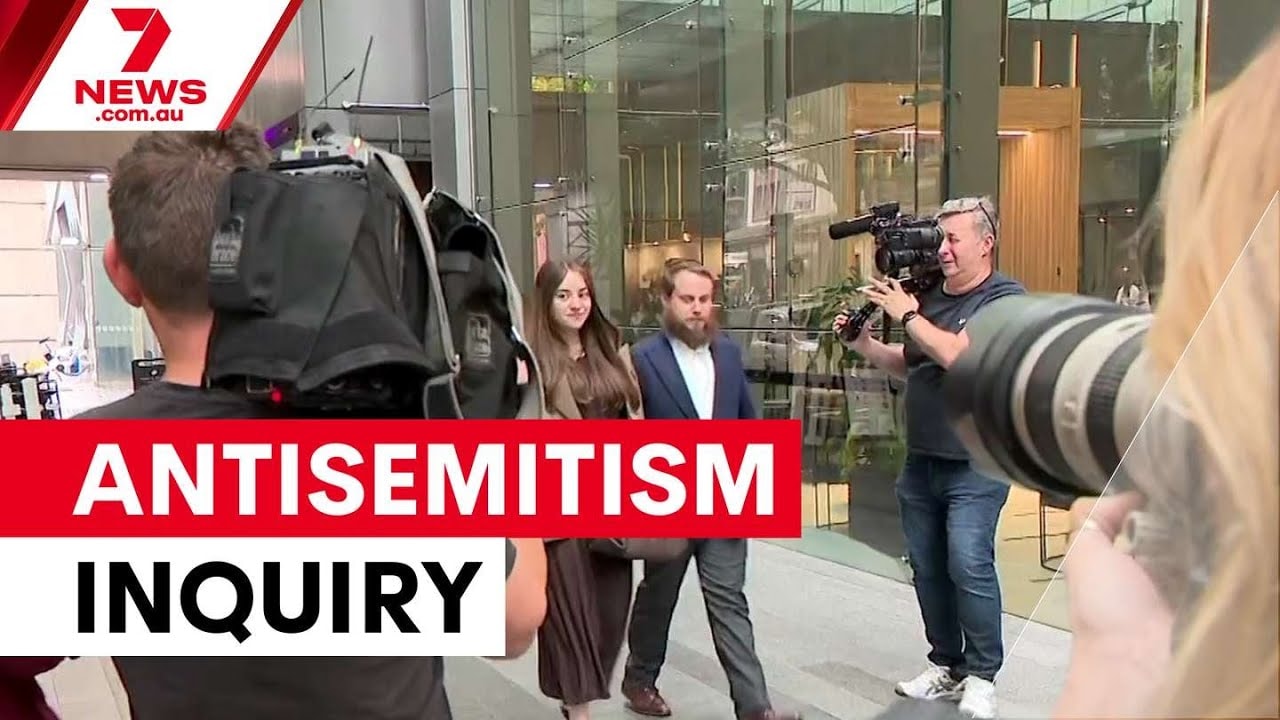

SYDNEY, AUSTRALIA — The Antisemitism Royal Commission has opened public hearings, with Jewish Australians giving direct evidence about fear, abuse and social division following the deadly Bondi attack and a sharp rise in anti-Jewish incidents across the country. Over the next two weeks, the inquiry is expected to hear from dozens of mostly Jewish witnesses as it examines the nature and prevalence of antisemitism in Australia and the broader question of social cohesion.
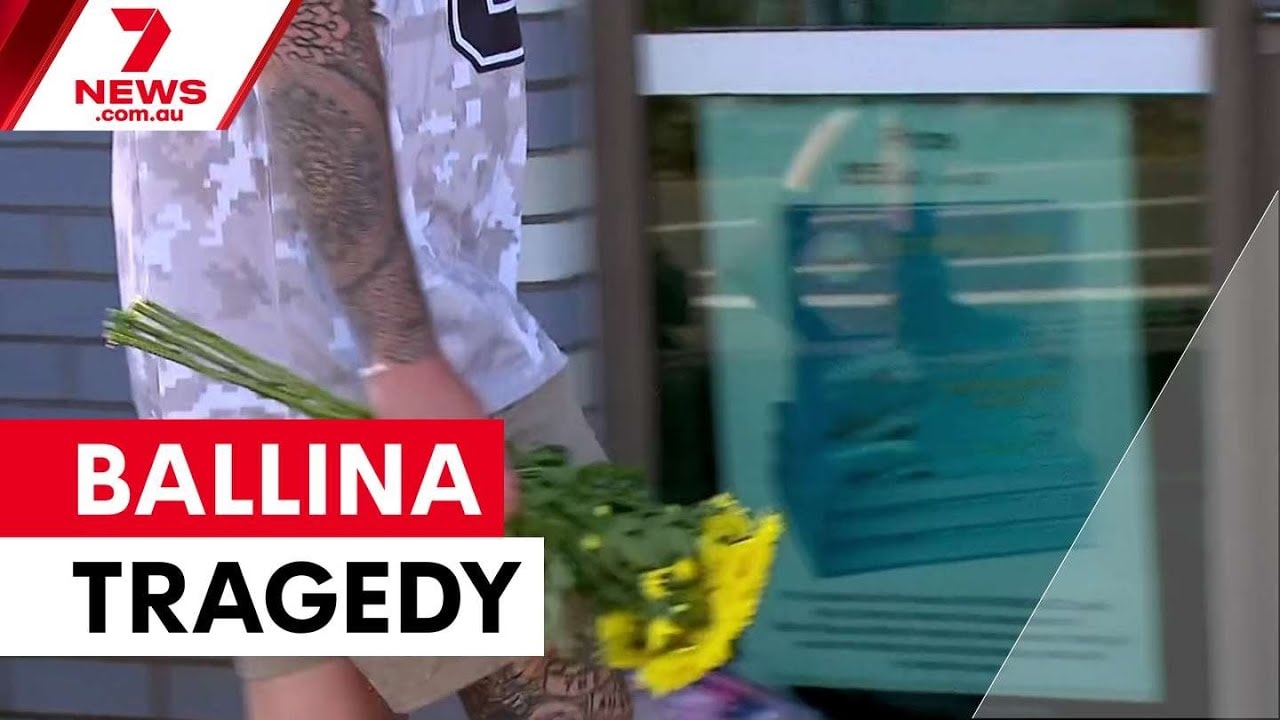
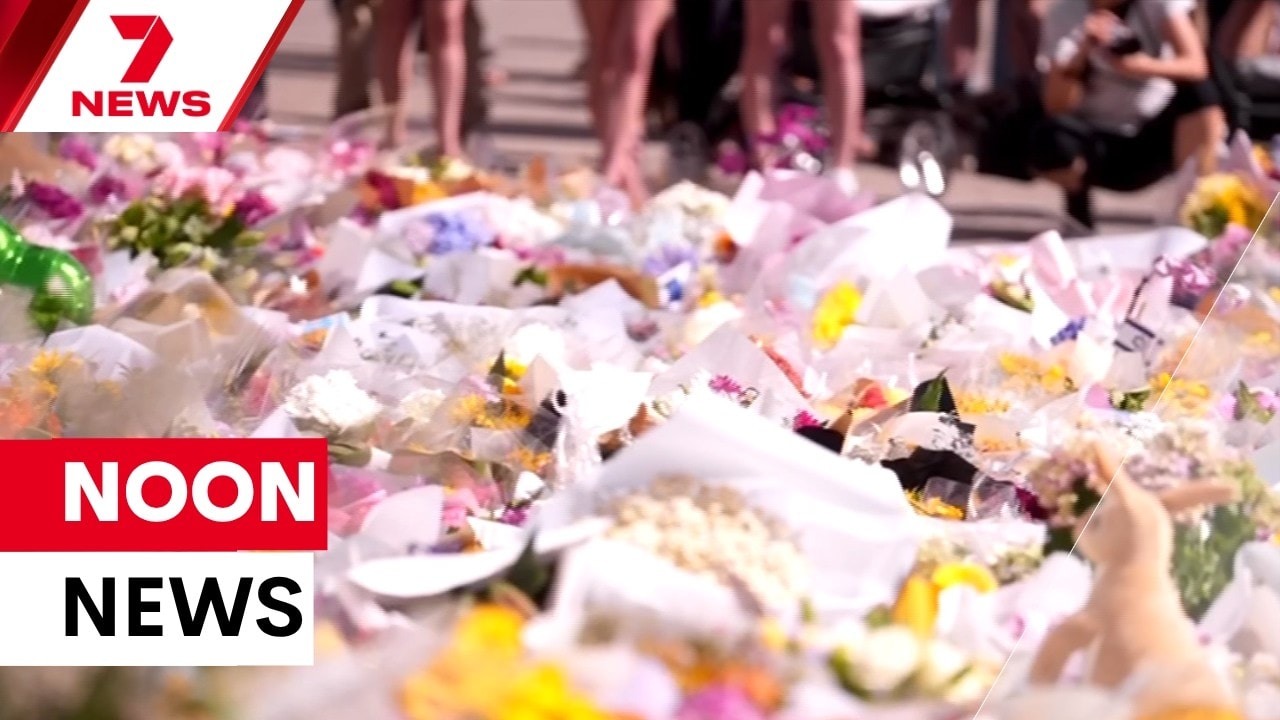
The hearings were launched in the wake of the Bondi massacre, where 15 mostly Jewish people were shot and killed on 14 December last year. From the outset, the commission made clear it will not only focus on the attack itself, but also the years and events that led up to it.
Why this commission has been established
The inquiry begins with a central task: understanding how antisemitism has manifested in Australia, how widespread it has become, and how it has affected Jewish communities in everyday life. The commission says it wants the broader public to gain knowledge, experience and empathy for what Jewish Australians have gone through.
In an unusual move, the proceedings are being broadcast both on free-to-air television and on social media platforms. That decision signals an effort to make the hearings as transparent and accessible as possible, while also ensuring the experiences being shared are heard beyond the hearing room itself.

The commission indicated that its work will stretch beyond a single incident. It is examining not only the Bondi killings, but the climate in which antisemitic hostility escalated, including public demonstrations, intimidation, graffiti, and firebombing attacks.
The events being linked to the rise in antisemitism
Counsel assisting told the inquiry that the 7 October 2023 terrorist attack in Israel, in which 1,200 Israelis were killed, marked a significant turning point for antisemitism in Australia. The commission heard this period led into what was described as a “summer of terror”.
That period included demonstrations, firebombings and graffiti attacks, alongside a major increase in reported antisemitic incidents. The figure cited to the inquiry was a 316 per cent increase in the number of antisemitic attacks in Australia.
The hearings are also expected to deal with one of the most contested public questions in this area: where the line sits between antisemitism and criticism of the Israeli government. The commission has flagged that it will examine differing interpretations and definitions carefully, rather than treating the issue as simple or settled.
“The sharp spike in anti-Semitism that we’ve witnessed in Australia seems clearly linked to events in the Middle East. Those events can prompt ugly displays of hostility towards Jewish Australians simply because they’re Jews.”
That observation from Commissioner Virginia Bell frames one of the inquiry’s core concerns — that overseas conflict can trigger hostility directed not at governments or military actors, but at ordinary Jewish Australians.
Evidence from the Jewish community
The first witness to appear was Shayna Gutnick, whose father, Reuven Morrison, was killed in the Bondi shootings. Her evidence gave the hearing an immediate human focus, shifting the discussion from statistics and public debate to lived experience and personal loss.
Gutnick described what she said had been a major change in the way she, her family, her friends and the wider Jewish community experienced antisemitism after October 2023. She said the abuse did not stop after the Bondi massacre.

Her evidence included claims that she had received hundreds of comments saying she should also have been killed in the attack. She also referred to messages calling for the killing of Israelis, comments celebrating violence against Jews, and claims that attacks on Jewish communities were “false flags” staged by Jews for sympathy or attention.
“I have received and seen hundreds of comments that both I and the organisation, Combat Anti-Semitism Movement, that I should have been killed in the Bondi attack, calls to kill Israelis, comments celebrating violence against Jews, as well as claims that attacks against a Jewish community are false flags staged by Jews themselves for attention or sympathy.”
The inquiry also heard of other examples of abuse, including an incident involving Jewish children on a bus who were allegedly told by a bystander that Hitler should have “gassed you all”. These accounts are central to the commission’s effort to measure not just the existence of antisemitism, but its intensity, normalisation and public visibility.
What the commission will examine next
For the next two weeks, the commission will continue hearing witness evidence, much of it expected to come from members of the Jewish community. That phase is designed to establish the scale and lived reality of antisemitism before the inquiry moves to institutions and systems.
From 25 May, the focus is set to shift towards the potential failings and issues surrounding the response of police and security agencies. That next stage could become one of the most closely watched parts of the inquiry, as attention turns from testimony to accountability.
In practical terms, the commission appears to be moving through three connected questions:
- What has Jewish life in Australia looked like since the recent rise in antisemitic incidents?
- How did the country reach this point?
- Did public institutions respond adequately to warning signs, threats and violence?
Why social cohesion is part of the inquiry
The commission’s title is significant. It is not limited to antisemitism alone, but also includes social cohesion. That broader frame reflects the concern that rising hatred towards one community can fracture trust across the wider society.
By hearing directly from those affected, the inquiry is trying to document not only criminal acts, but also the everyday consequences of living under threat — fear in public, abuse online, concern for children, and a sense that hostility has become more open since late 2023.
This is also why debates around language and definition matter so much. If genuine criticism of governments and policies is not clearly distinguished from hatred directed at people because they are Jewish, the public conversation can quickly become confused, and harmful conduct can be minimised or mischaracterised.
For readers seeking broader background on how Australia approaches national inquiries, the Royal Commissions website provides useful context on how commissions operate, gather evidence and issue findings. For international context on antisemitism definitions and public policy debates, the International Holocaust Remembrance Alliance is often referenced in legal and policy discussions.
The broader significance of the hearings
Public inquiries often serve two purposes at once. They gather evidence for eventual findings, but they also create a formal record of experiences that communities feel have been ignored, dismissed or misunderstood.
That appears to be a major part of what is unfolding here. The commission has stressed empathy and understanding, while the early evidence has highlighted a strong sense within the Jewish community that the hostility they are facing is not abstract, but immediate, personal and dangerous.
The coming weeks will determine how that evidence is weighed, what conclusions are drawn about the causes of the rise in antisemitism, and whether law enforcement and security agencies acted effectively in response to escalating threats.
Key points from the opening hearings
- The Royal Commission into Antisemitism and Social Cohesion has begun public hearings in the wake of the Bondi massacre.
- Dozens of mostly Jewish witnesses are expected to give evidence over the next two weeks.
- The inquiry is examining the nature and prevalence of antisemitism in Australia.
- The 7 October 2023 attack in Israel was described as a major turning point in antisemitic incidents locally.
- The commission heard there had been a 316 per cent increase in antisemitic attacks in Australia.
- Shayna Gutnick, whose father was killed in Bondi, gave evidence about ongoing abuse and threats.
- The hearings will later turn to possible failings in police and security responses.
FAQs
What is the Antisemitism Royal Commission investigating?
The commission is investigating the nature and prevalence of antisemitism in Australia, as well as the broader issue of social cohesion. It is also expected to examine how police and security agencies responded to threats and violence.
Why was the commission established now?
The hearings were launched in the wake of the Bondi massacre, in which 15 mostly Jewish people were killed. The inquiry is also looking at the wider rise in antisemitic incidents that followed events in the Middle East after October 2023.
Who has given evidence so far?
One of the first witnesses was Shayna Gutnick, whose father Reuven Morrison was killed in the Bondi shootings. She described ongoing abuse, threats and antisemitic messages directed at her and others.
Will the inquiry only focus on the Bondi attack?
No. The commission has made clear it will look beyond the attack itself and examine the years and events that led up to it, including demonstrations, graffiti, firebombings and other reported incidents.
What happens after the witness hearings?
After the initial witness evidence phase, the commission is expected to turn its attention to possible failings and issues surrounding the response of police and security agencies, beginning on 25 May.
The information in this article has been adapted from mainstream news sources and video reports published on official channels. Watch the full video here Antisemitism Royal Commission, Jewish Australians giving evidence to inquiry | 7NEWS