Table of Contents
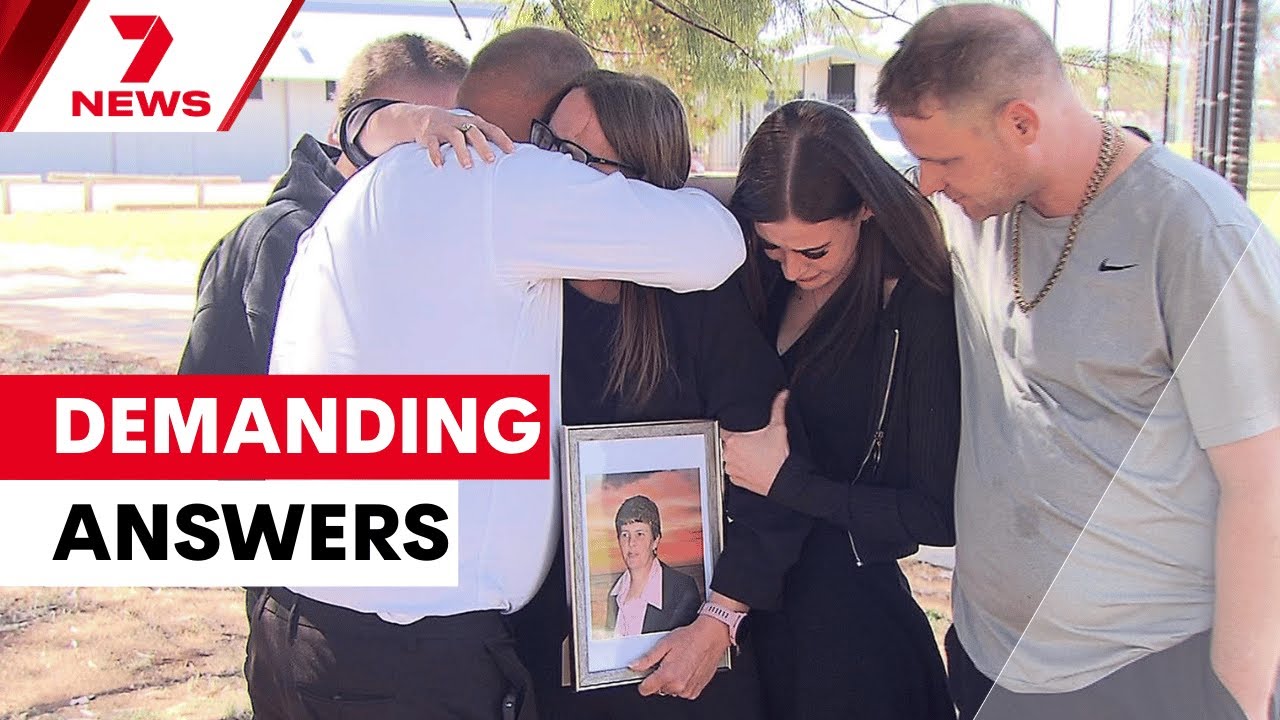
Grieving relatives say a 64-year-old great-grandmother was left in a ward corridor and want clarity on how she died
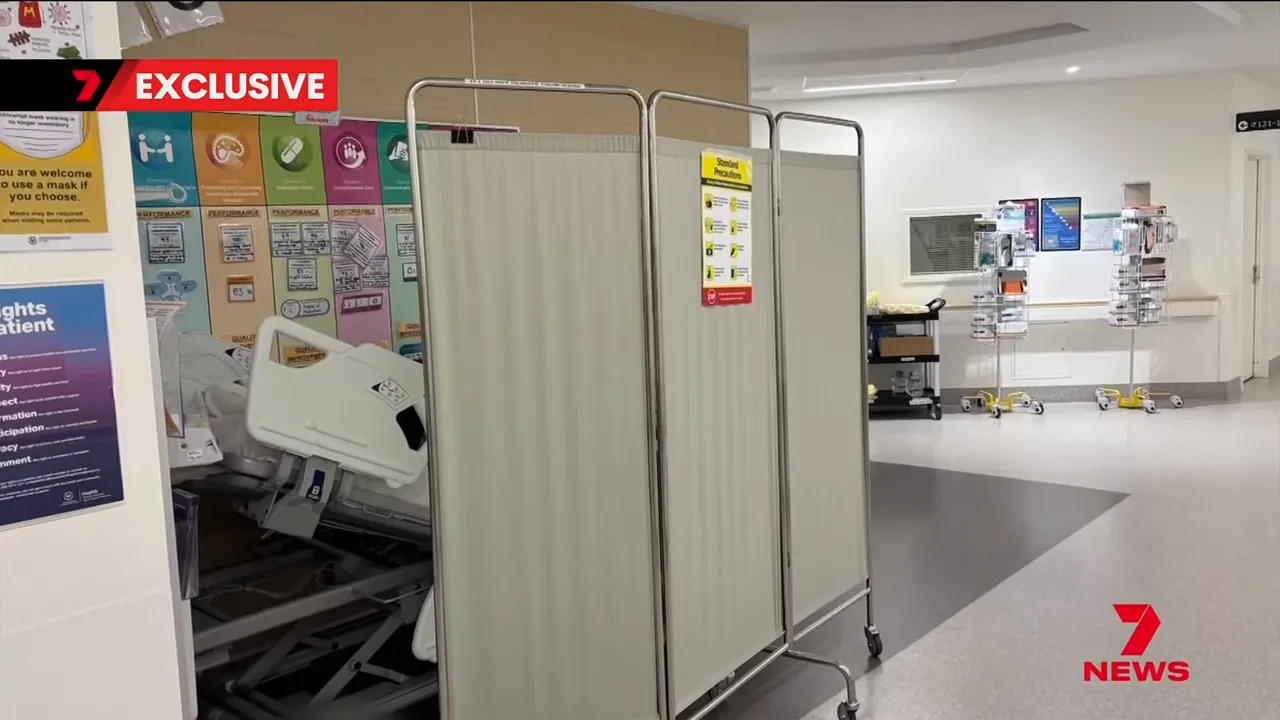
The Royal Adelaide Hospital corridor death of 64‑year‑old Helen Sargent has left her family searching for answers and questioning care standards. Helen was admitted on 10 October and, according to her children, was moved the following day to a makeshift spot outside a ward kitchen where she remained for hours.
Family members say the area had no call buzzer and little monitoring. “There was no cool buzzer. There was no nothing,” one relative said, describing the placement as “in a corridor… like a piece of rubbish.” They say staff later found Helen unresponsive and began CPR.
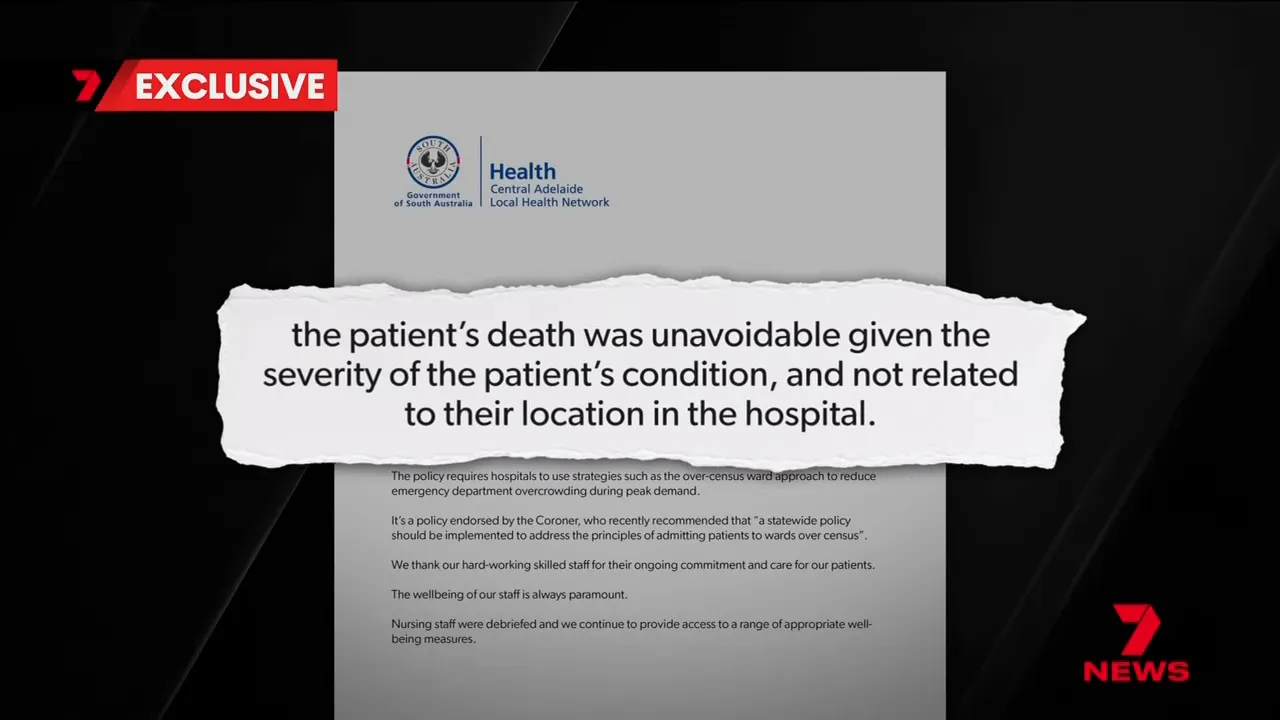
SA Health has responded by saying the death was unavoidable given the severity of Helen’s condition and that it was not related to where she was located in the hospital. The family, however, say they were not given a cause of death and remain devastated by the sudden loss.
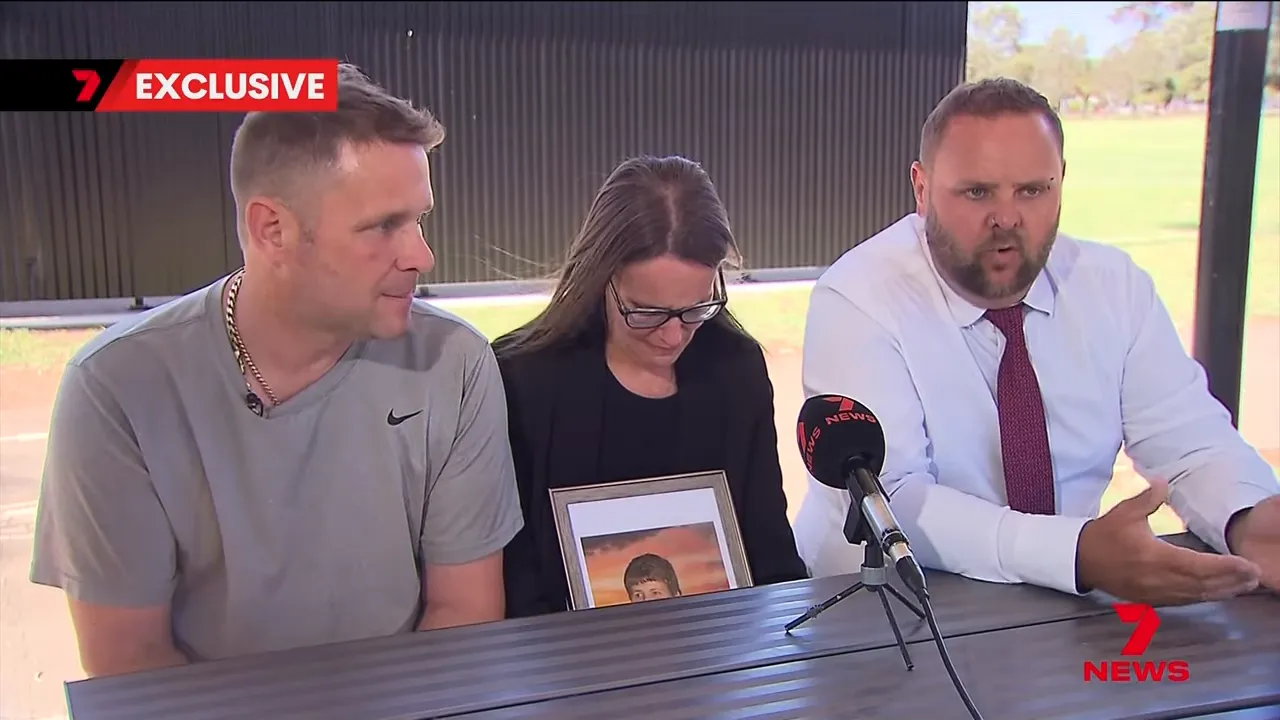
“We never expected our mother to die that day. You know, she did have another day. We know she had another day. And the hospital took that from us.”
The case raises immediate questions about patient placement and monitoring in busy hospital environments. Corridors and temporary setups are sometimes used during surges in demand, but families and patient advocates stress that dignity, visibility and access to emergency response systems must be preserved.
For relatives left with unanswered questions, the absence of a clear medical explanation compounds grief. The family says they have not yet received a formal cause of death and are calling for transparency from the hospital and health authorities.
What happened next and what families can expect
When a patient dies in hospital under unclear circumstances, hospitals generally notify next of kin and provide a medical certificate or cause of death. If the family is not satisfied with the information provided, they can ask the hospital for a detailed clinical incident report and request that records be released to an independent reviewer.
In South Australia, families can also seek advice from health complaint bodies or request an internal review. Many bereaved relatives choose to ask for a coronial review when the cause of death is not clear.
Why this matters
Beyond the individual tragedy, cases like this draw attention to systemic pressures on public hospitals — staffing shortfalls, bed shortages and the use of temporary spaces during busy periods. Even where a clinical outcome may be linked to an underlying condition, families and the public expect transparent processes and humane treatment for patients at every stage.
Key takeaways
- Helen Sargent, 64, was admitted to the Royal Adelaide Hospital on 10 October and found unresponsive the next day after being placed in a corridor area.
- Her family say she was left without a call buzzer and in a makeshift spot outside a ward kitchen.
- SA Health has said the death was unavoidable given the patient’s condition, while the family says they have not been given a cause of death.
- Relatives are seeking answers and emphasise the need for dignity and monitoring when patients are placed in temporary spaces.
Frequently asked questions
How did the hospital explain the death?
SA Health told reporters the death was unavoidable due to the severity of the patient’s condition and said it was not related to the patient’s location in the hospital. The family say they have not been provided with a formal cause of death.
What did the family say about how she was left?
Family members described Helen as being moved to a spot outside the ward kitchen with no call buzzer or monitoring, and said staff later found her unresponsive and began CPR. Relatives said she was left “like a piece of rubbish.”
Can the family request more information?
Yes. Families can ask the hospital for a clinical incident report, medical records and any internal review findings. If concerns remain, they can contact health complaint bodies or request a coronial review if the cause of death is unclear.
What broader issues does this case highlight?
The situation highlights pressures in public hospitals, such as bed shortages and the use of temporary patient spaces. It underscores the need for clear monitoring, access to emergency response systems and transparent communication with families.
The information in this article has been adapted from mainstream news sources and video reports published on official channels. Watch the full video here Family's anger after great-grandmother dies in ward corridor of Royal Adelaide Hospital | 7NEWS


