Table of Contents
- Historic defence pact signed in Canberra
- What the Puk‑Puk Treaty contains and why it matters
- What happens next
- Key takeaways
- FAQs
- Source and further information
Historic defence pact signed in Canberra
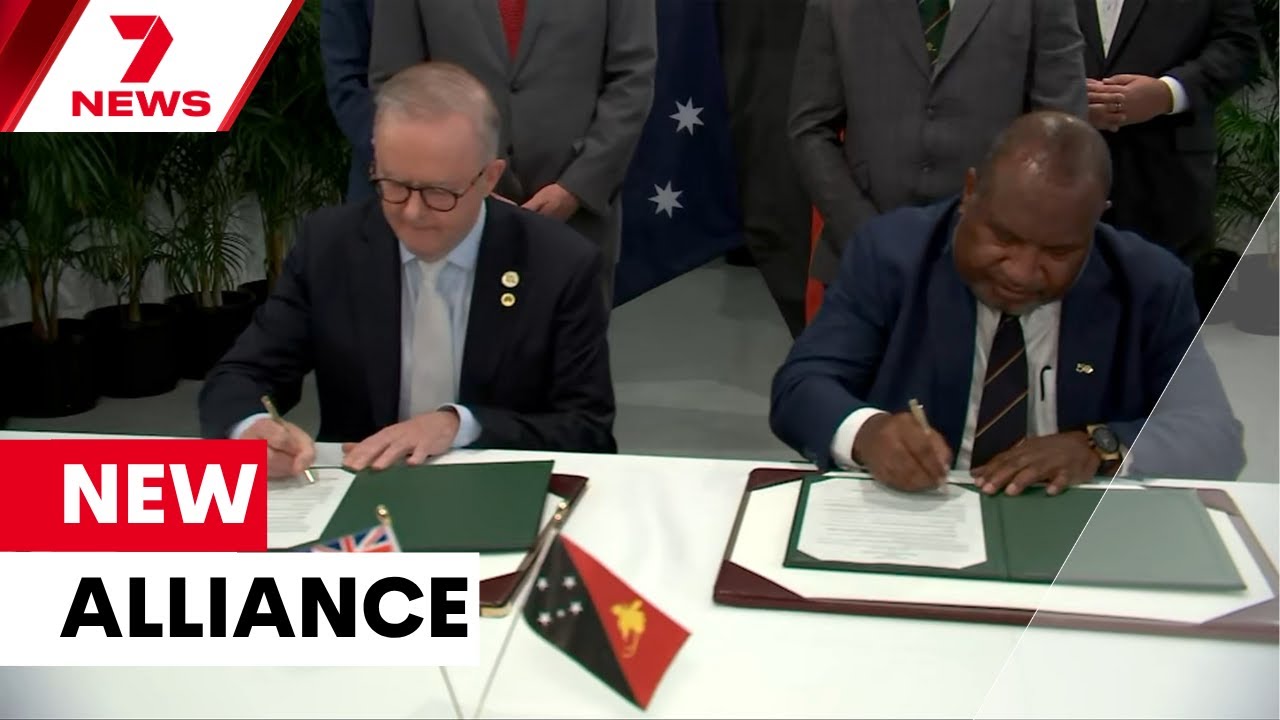
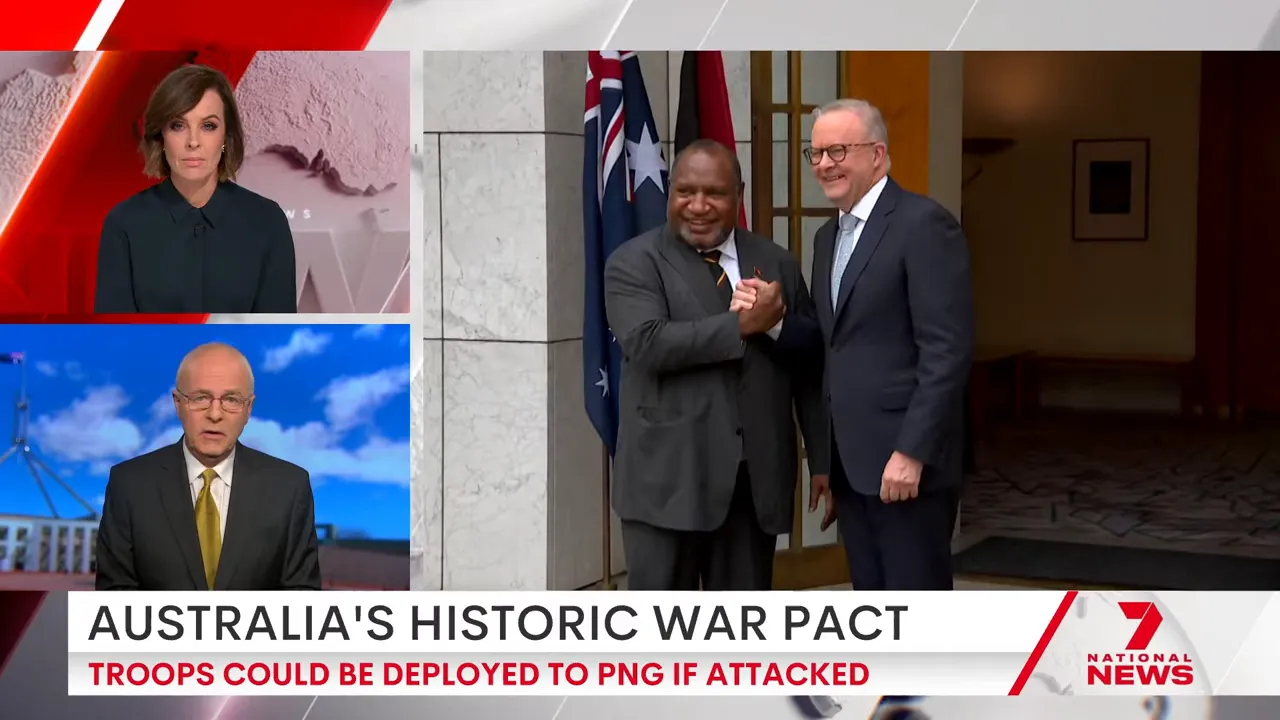
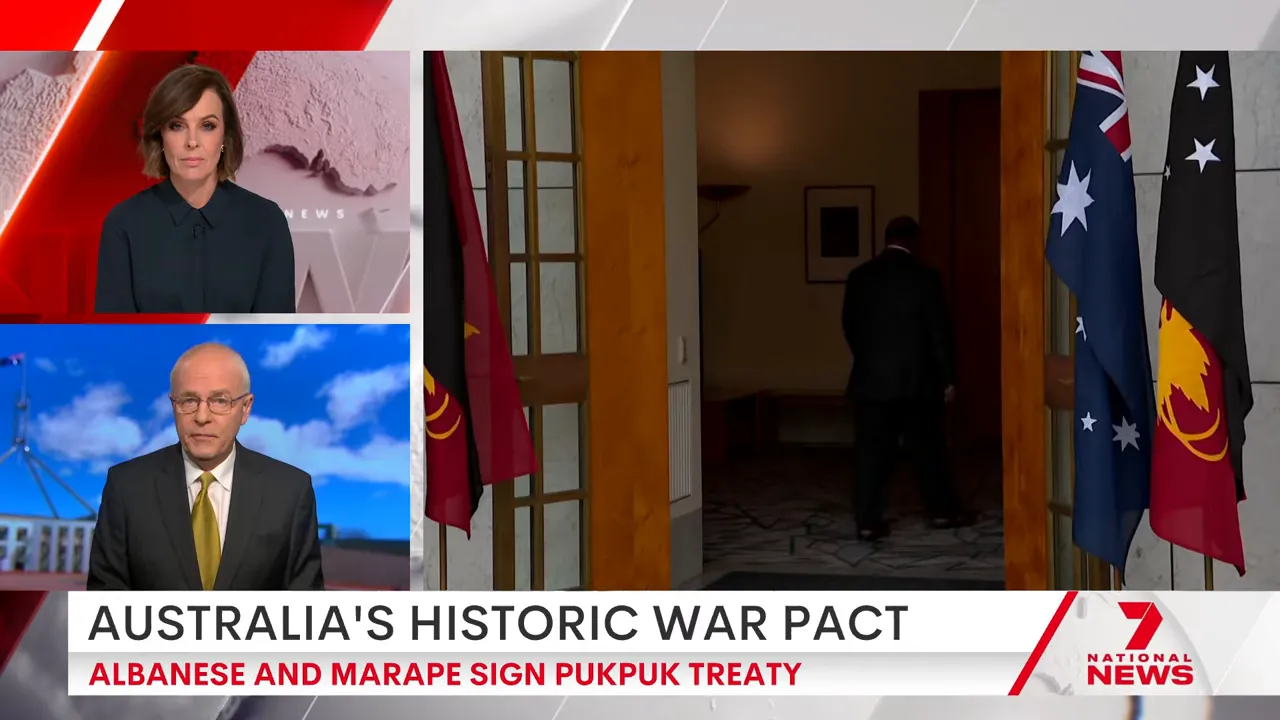
CANBERRA — Australia's new military alliance with Papua New Guinea, known as the Puk‑Puk Treaty, was signed at Parliament House in Canberra today by Prime Minister Anthony Albanese and Papua New Guinea Prime Minister James Marape. The agreement is the first security pact of this scale for Australia in 74 years and is designed to bring the two countries' armed forces closer, including mutual security assistance and deeper operational ties.
The treaty establishes mechanisms for both nations to monitor and assist each other's security. If one country faces a threat, the other is committed to come to its aid. A key feature is expanded personnel arrangements: the pact allows recruitment of Papua New Guineans into the Australian Defence Force of up to 10,000 personnel, with reciprocal pathways for Australians and PNG personnel to serve in each other's defence forces.
What the Puk‑Puk Treaty contains and why it matters
The agreement aims to mesh the Papua New Guinean and Australian military forces so they can operate more closely and respond jointly to regional threats. It sets out mutual assistance arrangements and pathways for personnel exchange and recruitment that will deepen interoperable capability across training, logistics and operations.
This is more than a bilateral training arrangement. By formalising security commitments, Papua New Guinea becomes a closer strategic partner for Australia — effectively joining the small group of close partners that includes the United States and New Zealand. The pact is being seen in Canberra as a significant step up in Australia’s Indo‑Pacific security posture.
Context and regional implications
Behind the announcement is growing concern in Canberra about a more assertive China in the region. While the treaty does not name any third country, Australian officials and commentators have framed the move as strengthening collective resilience amid rising geopolitical tension.
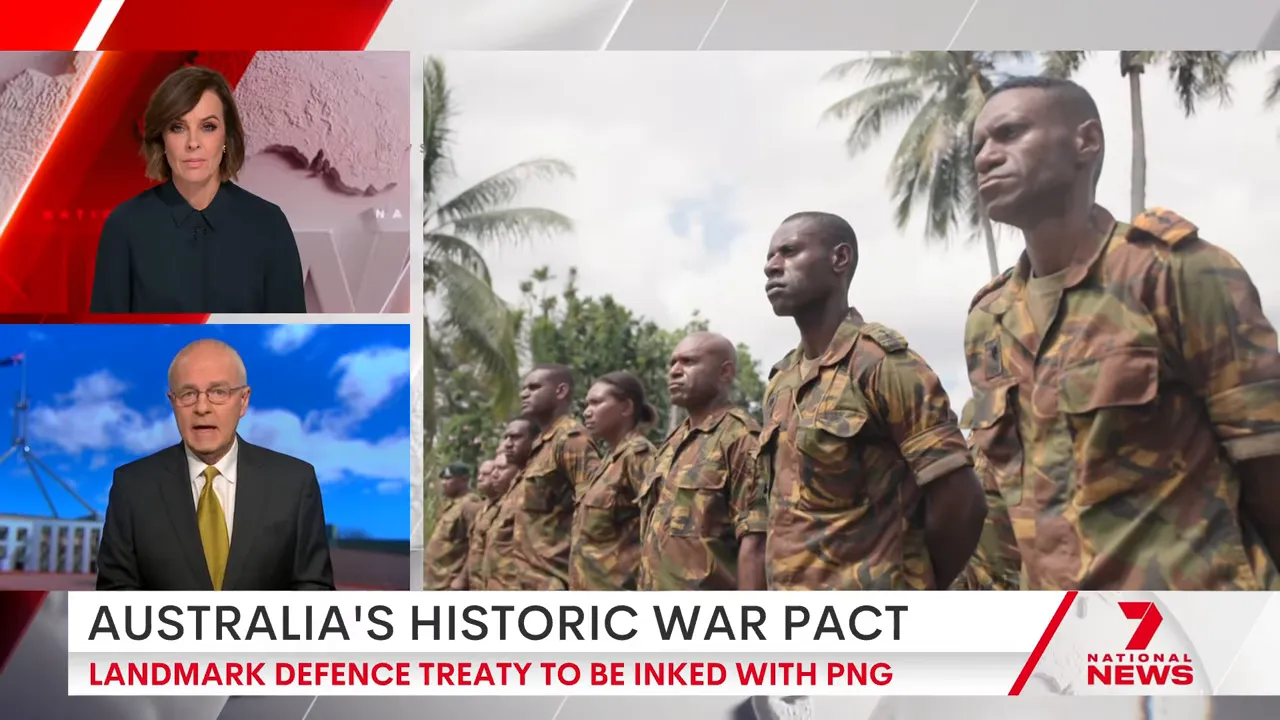
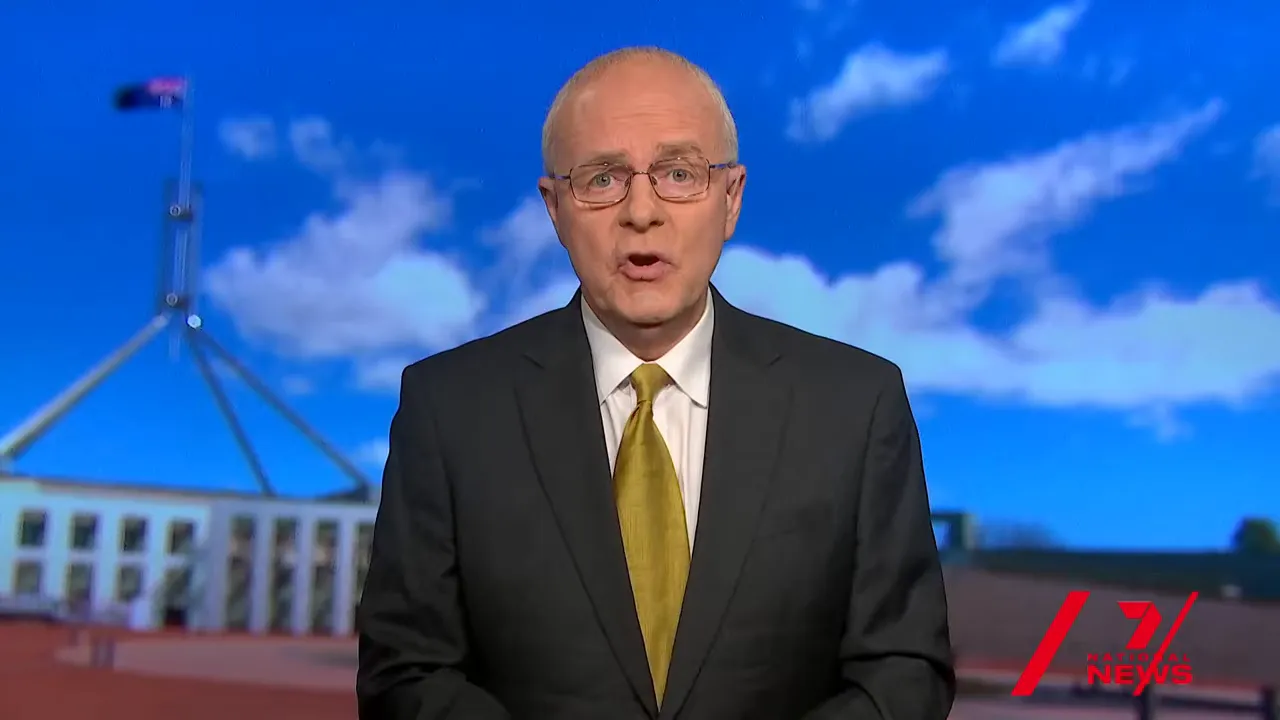
“In terms of our security, a historic day. 74 years since Australia has put ink to paper on a security agreement alongside or as important as this one.” — Tim Lester, National Security Editor
Analysts expect the treaty to lead to closer military exercises, expanded intelligence sharing, and increased Australian support for PNG’s maritime surveillance and border security. There will also be public and diplomatic scrutiny about how Canberra manages relations across the region while deepening ties with Port Moresby.
What happens next
Officials say signing is the start rather than the end. Practical steps will include negotiating implementing arrangements, setting up recruitment and training programs, and planning joint exercises. Defence planners on both sides will work through logistics, command arrangements and timelines for personnel integration.
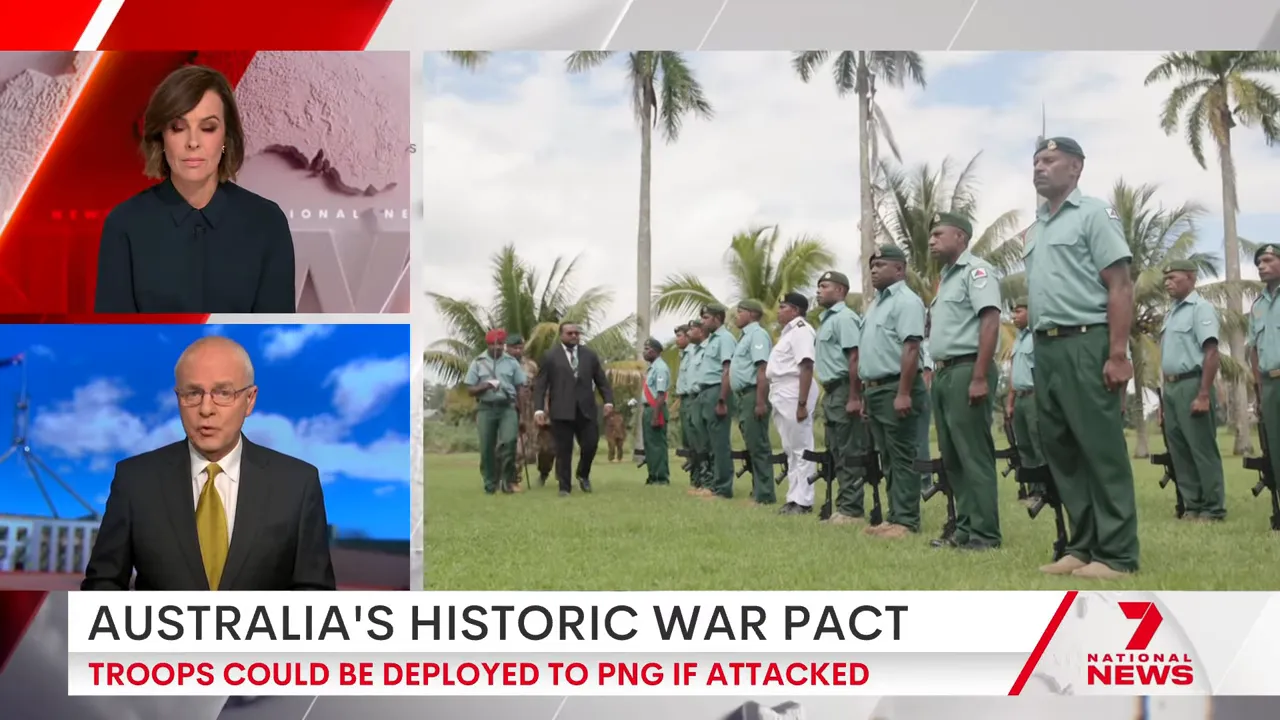
Questions remain around how quickly recruitment targets can be met, the legal and administrative frameworks required, and how the partnership will be communicated to other regional partners and neighbours. Canberra has signalled a desire for the cooperation to be transparent and complementary to existing alliances.
Key takeaways
- The Puk‑Puk Treaty is a formal defence pact between Australia and Papua New Guinea signed in Canberra.
- It is the first security agreement of comparable significance for Australia in 74 years.
- The treaty enables mutual security assistance and the recruitment of up to 10,000 Papua New Guineans into the Australian Defence Force, with reciprocal arrangements.
- The agreement strengthens Australia’s strategic ties in the Indo‑Pacific amid concerns about regional security dynamics.
- Practical implementation will involve training, joint exercises and administrative work to integrate forces.
FAQs
- What is the Puk‑Puk Treaty?
The Puk‑Puk Treaty is a bilateral defence and security agreement between Australia and Papua New Guinea that formalises mutual assistance, closer military cooperation and personnel exchange arrangements.
- Who signed the treaty?
Australian Prime Minister Anthony Albanese and Papua New Guinea Prime Minister James Marape signed the agreement at Parliament House in Canberra.
- How many PNG personnel can join the Australian Defence Force?
The treaty allows recruitment of up to 10,000 Papua New Guineans into the Australian Defence Force, alongside reciprocal pathways for personnel movement.
- Why now?
Australian officials view the pact as a response to changing security dynamics in the Indo‑Pacific and as a way to strengthen regional resilience and interoperability with a key neighbour.
- Will this affect Australia’s other alliances?
Officials describe the Puk‑Puk Treaty as complementary to existing partnerships with the United States and New Zealand, signalling a broadened network of close security ties in the region.
Source and further information
This article is based on live reporting by 7NEWS Australia from Parliament House, Canberra. For the full report and video coverage, see the original 7NEWS broadcast.
The information in this article has been adapted from mainstream news sources and video reports published on official channels. Watch the full video here Australia's new military alliance | 7NEWS


