One Nation surge shifts leadership questions
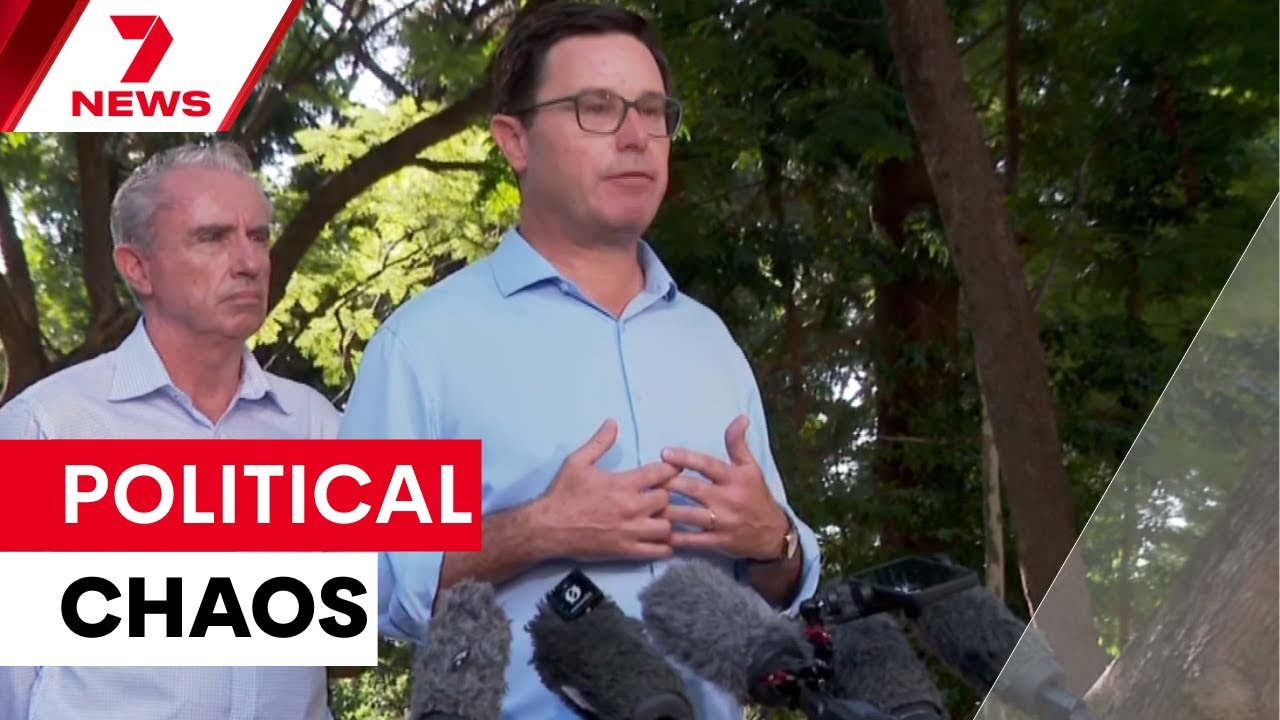
Table of Contents
- How a new poll, a coalition split and economic pressure are reshaping Australia’s political landscape
- Poll shock: why One Nation is rising
- Coalition tensions: is the Liberal Party finished?
- Economic backdrop: inflation, interest rates and political fallout
- High‑profile court case: two former nurses plead not guilty
- International notes: allegations, regional risks and humanitarian access
- What this means politically
- Key takeaways
- FAQs
How a new poll, a coalition split and economic pressure are reshaping Australia’s political landscape
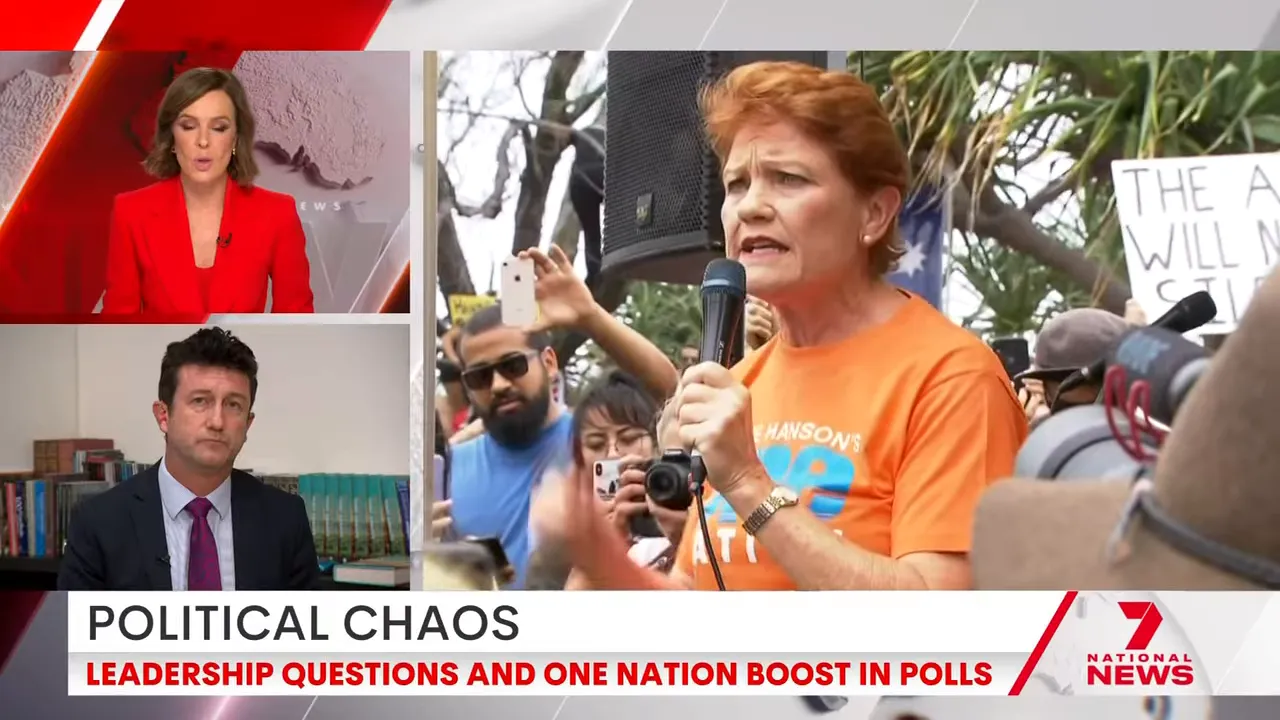
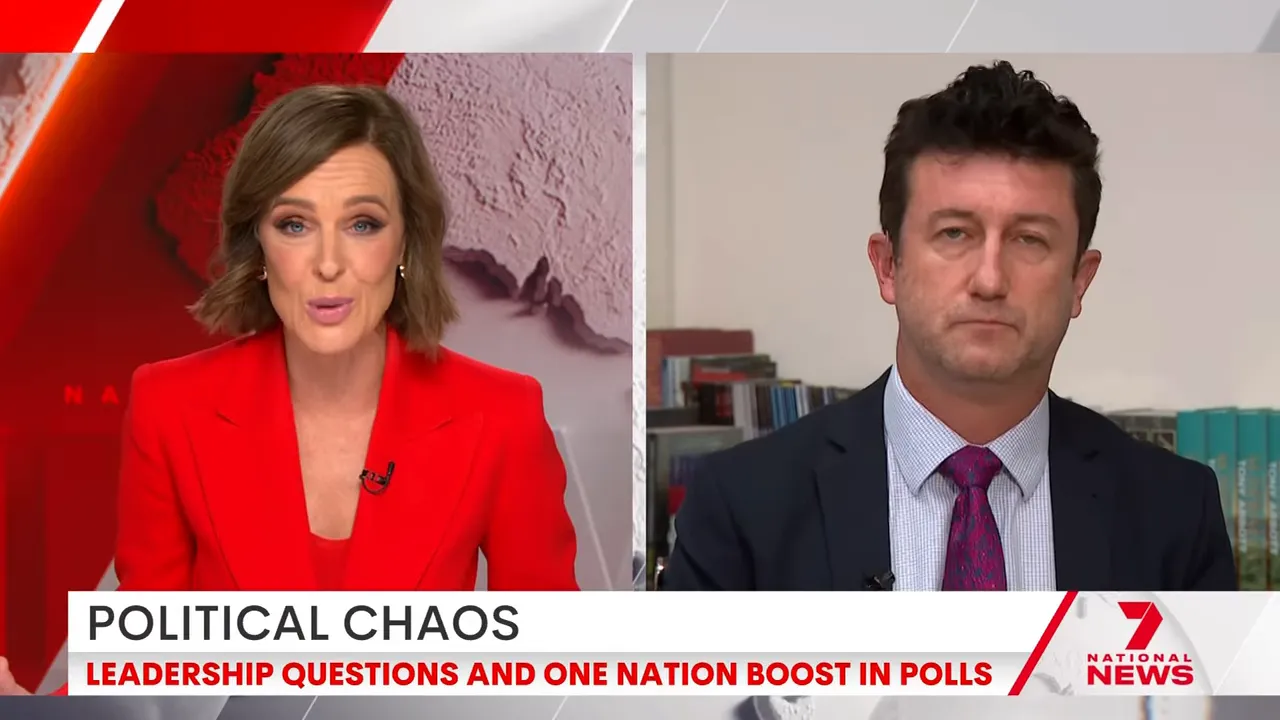
One Nation surge shifts leadership questions has emerged as the dominant narrative after a fresh poll placed Pauline Hanson ahead of Anthony Albanese as the preferred prime minister. The poll result landed on the same day the National Party faces a leadership challenge, intensifying scrutiny of the Coalition’s future and the opposition’s ability to present a clear alternative to government.
Poll shock: why One Nation is rising
The latest survey shows One Nation climbing into second place in national support, with figures reported around the mid-20s to 30 per cent mark. Voter frustration with the major parties is the immediate explanation offered by commentators: immigration, housing and national security are rising on the public agenda and many feel Canberra has not offered convincing answers.
Pauline Hanson’s long public profile — three decades in and still a recognisable political force — helps convert that frustration into electoral support. For many voters, the party’s positions on immigration and opposition to net‑zero policies offer straightforward, tangible policies that feel responsive to day‑to‑day pressures such as rising living costs.
Coalition tensions: is the Liberal Party finished?
The Coalition’s internal rift — a de facto divorce between the Liberals and Nationals in some states and electorates — has raised fresh questions about the role of a united centre‑right opposition. Some analysts say the split could be healthy: it forces both parties to re‑state what they stand for and compete on ideas rather than rely on a formal pact.
Yet the strategic risk is real. Nationals fear losing voters to One Nation, while Liberals worry about appearing indistinguishable from Labor. Australia’s preferential voting system gives parties room to run against each other without automatically handing victory to opponents, but the political optics of disunity will matter in the months ahead as leaders and factions jockey for advantage.
Economic backdrop: inflation, interest rates and political fallout
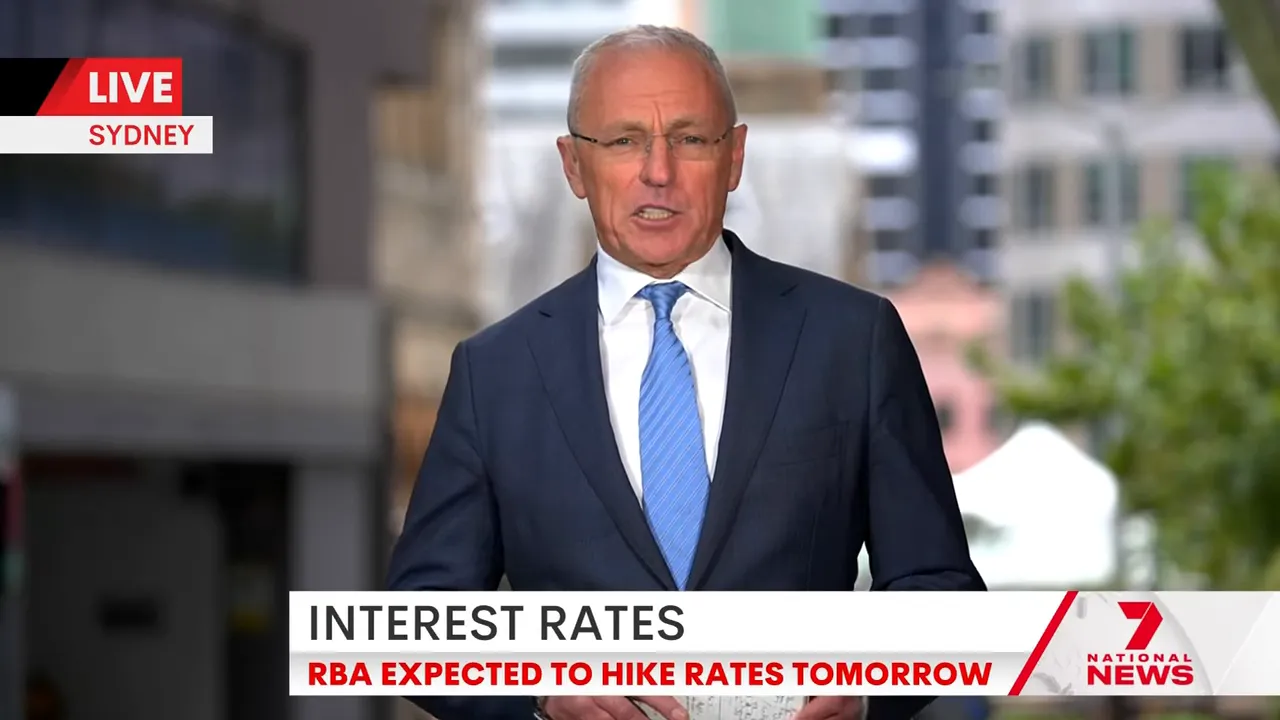
Rising inflation — reported at about 3.8 per cent and the highest in the OECD in recent figures — is tightening the political pressure on all parties. The Reserve Bank is widely tipped to raise the cash rate again, which would add to mortgage repayments and household strain.
Market expectations point to a possible quarter‑point increase bringing the official rate near 3.85 per cent, and forecasts from some banks suggest further moves may follow. For many Australians, higher rates will be a direct, monthly reality and that will shape voter sentiment as the election approaches.
High‑profile court case: two former nurses plead not guilty
Separately, a Sydney court heard pleas from two former Bankstown Hospital nurses charged after an online video-chat appeared to show threats towards Israeli patients. Both pleaded not guilty and the matter is set for trial later in the year.
The case struck a chord nationally because it touches on workplace conduct, free speech and community tensions. New South Wales Health dismissed the pair, and prosecutors allege the comments went beyond mere rhetoric to constitute criminal threats and offensive communication via a carriage service.

International notes: allegations, regional risks and humanitarian access
Other headlines this cycle include fresh allegations related to the Jeffrey Epstein network and claims involving a senior royal figure — matters that continue to reverberate across legal and diplomatic channels in the UK and the US.
In the Middle East, Iran’s leadership warned of full regional escalation if struck, while the Rafah crossing between Gaza and Egypt reopened on a limited basis for vetted humanitarian cases. These developments add an international dimension to an already fraught global news environment.

What this means politically
- One Nation’s surge shifts the strategic calculations for both Coalition parties and Labor by offering an alternative populist bloc that appeals to voters unhappy with the status quo.
- Coalition disunity could force clearer policy differentiation — a potential long‑term benefit — but in the short term it hands narrative control to opponents and minor parties.
- Economic pain from inflation and interest‑rate rises will be a decisive issue for households, and whichever party frames the solution convincingly may gain an electoral edge.
Key takeaways
- Voter frustration on immigration, housing and economic issues is driving support for One Nation.
- The Coalition’s split may lead to short‑term weakness but could prompt necessary policy redefinition.
- Rising inflation and likely interest‑rate increases will intensify cost‑of‑living concerns ahead of the next election.
- High‑profile legal and international developments add complexity to an already volatile news cycle.
FAQs
Will One Nation become the main opposition party?
One Nation’s rapid rise in polls positions it as a potential force, but translating poll support into parliamentary power depends on where votes concentrate. Preferential voting can limit vote‑splitting, yet converting momentum into seats requires sustained campaigning and broader policy depth.
Does the Coalition split damage democracy?
Party splits can appear chaotic but they also force debate and clearer policy choices. Australia’s preferential system reduces the risk of automatic seat losses, so a temporary breakup can lead to healthier democratic competition if parties clarify their platforms.
How likely is an RBA interest‑rate rise and what would it cost households?
Markets and several major banks expect a quarter‑point hike, which would increase repayments for the average mortgage by roughly $100–$130 a month depending on loan size. Final decisions rest with the RBA and incoming economic data.
What happens next in the nurses’ court case?
The two former nurses have pleaded not guilty and face trial later in the year. The court will examine whether their online comments meet the legal threshold for threats or offensive use of carriage services.
How should voters interpret rapid polling changes?
Polls capture a moment in time and can shift quickly. They’re useful for signalling trends and voter sentiment, but elections turn on local contests, candidate quality and campaign execution over months, not days.
The information in this article has been adapted from mainstream news sources and video reports published on official channels. Watch the full video here Leadership questions arise and former nurse plead not guilty | 7NEWS


