Trump Threatens to Sue Grammys Host Trevor Noah
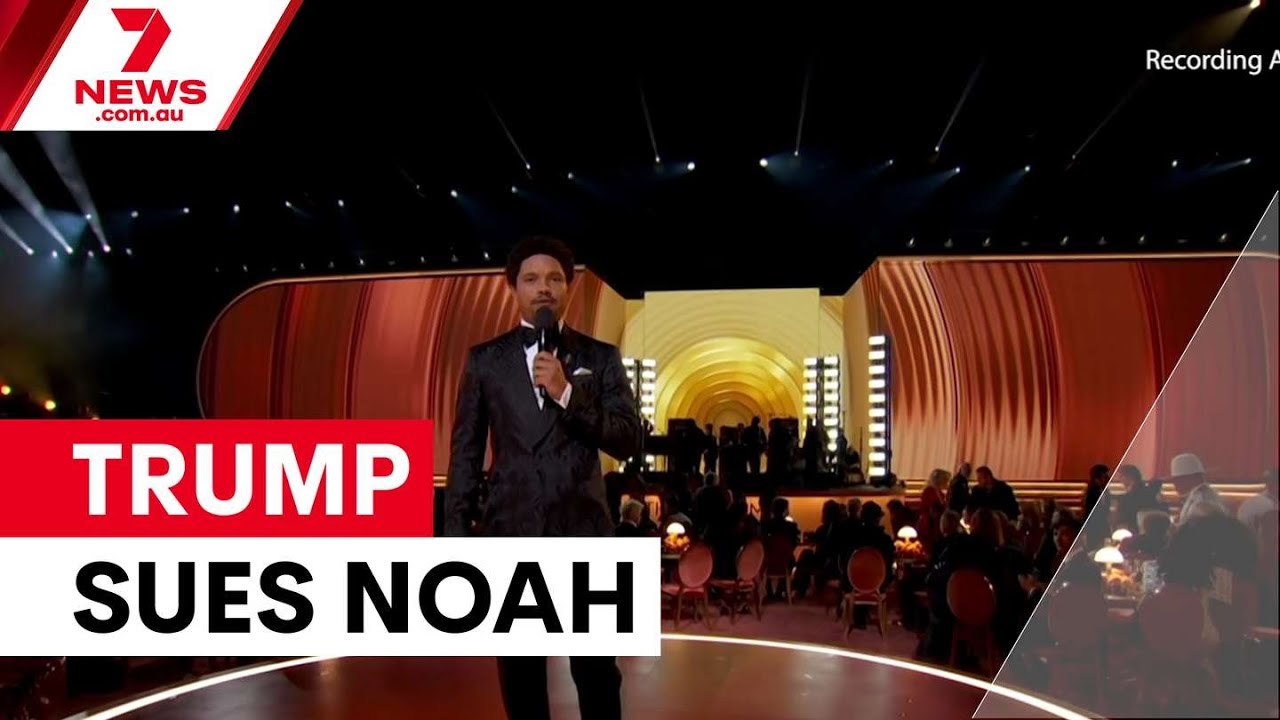
Table of Contents
- Quick take: A comedy jab sparks a legal threat
- What happened at the Grammys
- The joke and the reaction
- Context and background
- What this means going forward
- Key takeaways
- Frequently asked questions
- Final note
Quick take: A comedy jab sparks a legal threat
WASHINGTON, US — Trump threatens to sue Grammys host Trevor Noah after a joke at the awards linked him to Jeffrey Epstein’s private island, prompting a sharp response from the President in the Oval Office. The claim and the reaction came on the same night the Grammys featured high-profile performances and political statements, including protests over immigration policy.
What happened at the Grammys
Trevor Noah, serving as host, mixed music celebration with pointed political humour during the ceremony. Big-name artists used their acceptance speeches to push back on the administration’s immigration policies, while some performers wore symbolic pins to signal protest.
But one joke in particular drew the President’s ire. Noah made a quip referencing Jeffrey Epstein’s island and implied a connection involving high-profile figures. That moment prompted a public and angry response from the President.
The joke and the reaction
During the broadcast Noah quipped about the winner for Song of the Year and made a line comparing desirable prizes to places associated with Epstein. The gag landed as part of the show’s political commentary and the host’s farewell year on the desk.
“Well, there you have it. Song of the Year… almost as much as Trump wants Greenland. Which makes sense, I mean, because Epstein’s island is gone, he needs a new one to hang out with Bill Clinton.”
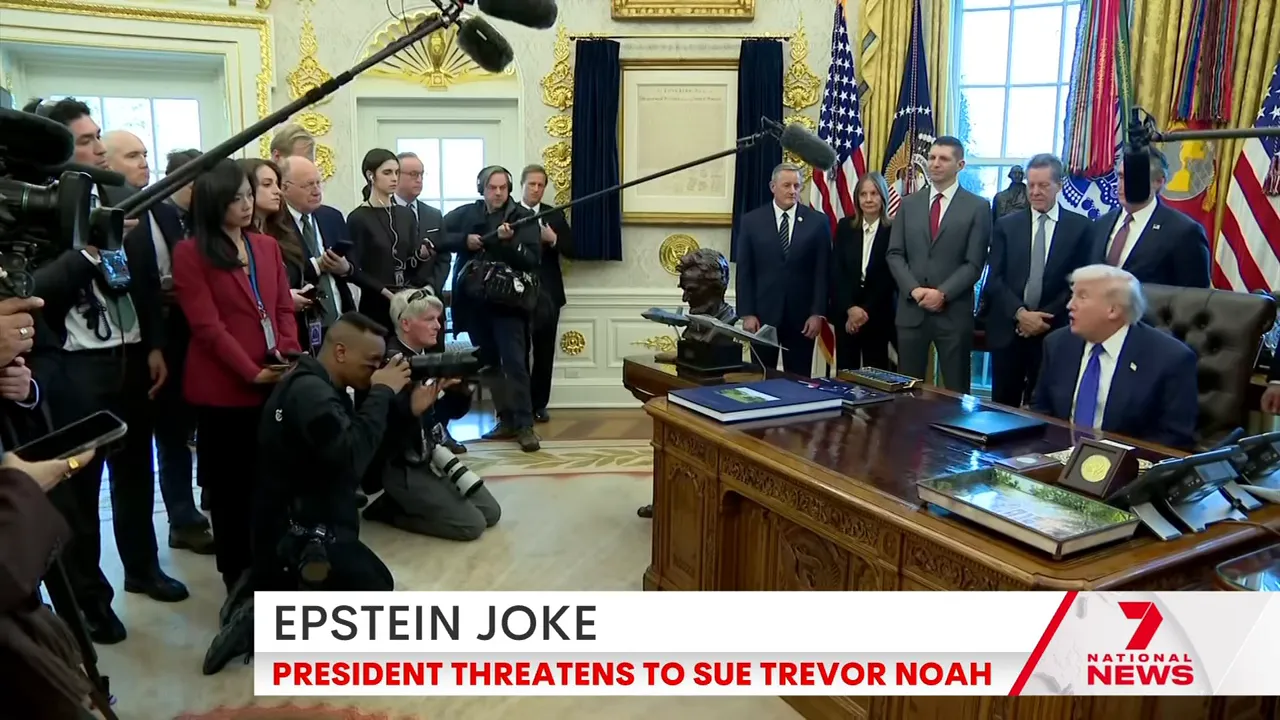
That joke was the spur for the President’s response from the Oval Office the next day. He called Noah a “lousy host” and threatened legal action, insisting he had “nothing to do with Jeffrey Epstein.” The President also cited the Department of Justice’s release of documents — roughly 3 million pages — as part of his defence.
Context and background
Both Donald Trump and Bill Clinton have publicly denied any wrongdoing in relation to Jeffrey Epstein, and neither has been charged by authorities in connection with those crimes. The issue remains politically charged and sensitive, especially when raised at a widely viewed entertainment event.
Awards-show hosts commonly include political jokes and commentary. But the President has a history of threatening or pursuing legal action when he considers coverage or commentary defamatory, making this incident part of a broader pattern.
What this means going forward
- The Grammys will likely face scrutiny over the blend of entertainment and political commentary at a mass-televised event.
- Legal experts note that public figures face a high bar in defamation cases, but a threatened lawsuit can still shape public discussion.
- Artists continue to use award stages as platforms for protest, keeping cultural moments closely tied to political debate.
Key takeaways
- Trevor Noah’s joke about Epstein’s island triggered a direct, public threat of legal action from the President.
- The President denied any connection to Epstein and referenced DOJ document releases as part of his response.
- Grammys night combined celebrated performances with conspicuous political messaging from multiple artists.
- Public figures are generally protected against defamation claims, but threats of litigation can influence media and public conversation.
Frequently asked questions
Did Trevor Noah directly accuse Donald Trump of a crime?
No. Noah’s remarks at the Grammys were a satirical joke implying association; they did not present an allegation of criminal conduct. Satire and opinion are typically treated differently to factual claims in legal terms.
Has Donald Trump been accused by authorities in connection with Jeffrey Epstein?
No. Both Donald Trump and Bill Clinton have denied wrongdoing and have not been accused by authorities in relation to Epstein’s crimes.
Can a public figure successfully sue over a joke made at an awards show?
It is difficult. Courts generally require public figures to prove that false statements were made with actual malice — knowledge of falsity or reckless disregard for the truth. Humour and satire are often given wide leeway.
Why did artists use the Grammys to protest immigration policy?
The Grammys are a high-visibility platform. Performers and winners often use acceptance speeches and stage appearances to highlight causes, reaching large audiences and drawing attention to social and political issues.
What did the President mean about the DOJ releasing documents?
The President referenced the Department of Justice releasing a large volume of records related to investigations and prosecutions connected to Epstein. He used that point to emphasise his position that he had no involvement.
Final note
The episode underscores how entertainment events can rapidly become political flashpoints. Whether a threatened lawsuit follows remains uncertain, but the exchange has already fuelled broader debate about the boundaries between satire, public discourse, and legal recourse.
The information in this article has been adapted from mainstream news sources and video reports published on official channels. Watch the full video here Trump threatens to sue Grammys host Trevor Noah | 7NEWS


