Personalised mRNA vaccine trial for childhood brain cancer
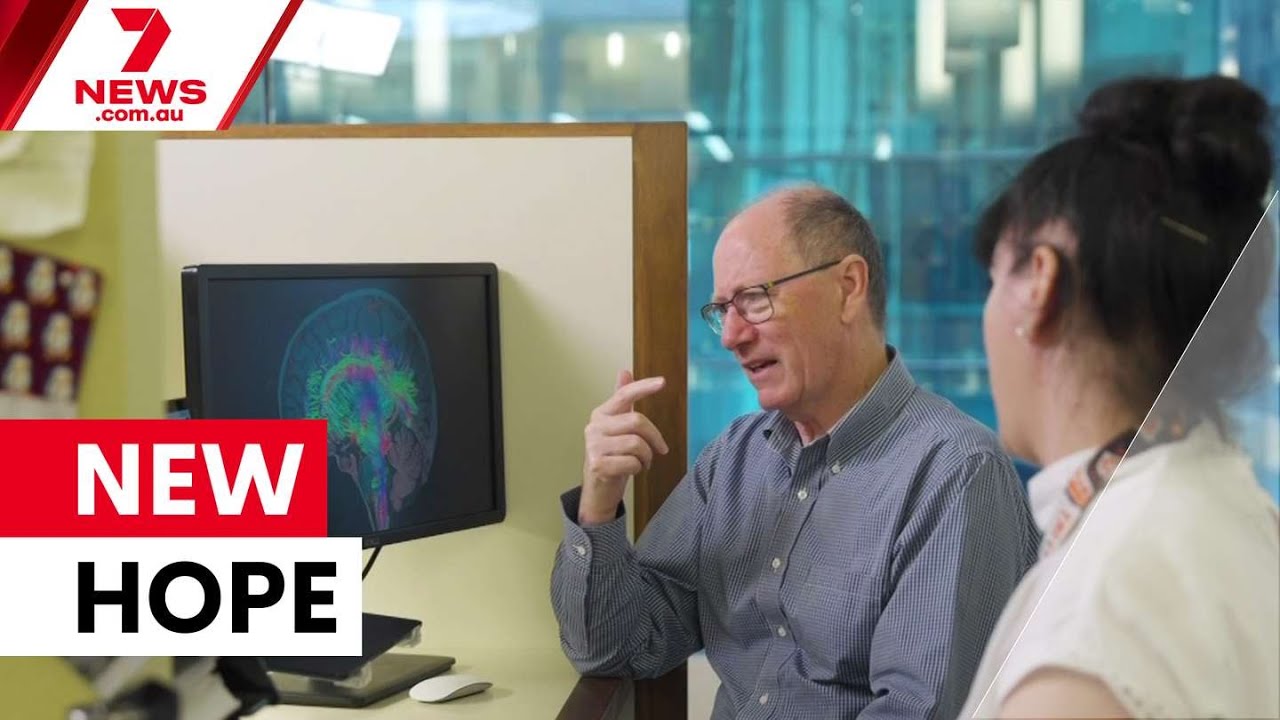
Table of Contents
- World-first Australian trial offers new hope for families
- What the trial will do and how it works
- Who will take part, where and when
- Why this matters
- What families should know
- Key takeaways
- Frequently asked questions
World-first Australian trial offers new hope for families
SYDNEY, AUSTRALIA — A world-first personalised mRNA vaccine trial for childhood brain cancer aims to treat children who are not expected to survive more than two years. The personalised mRNA vaccine trial will analyse the genetic makeup of each child’s tumour and design a vaccine tailored to the tumour’s unique mutations.
What the trial will do and how it works
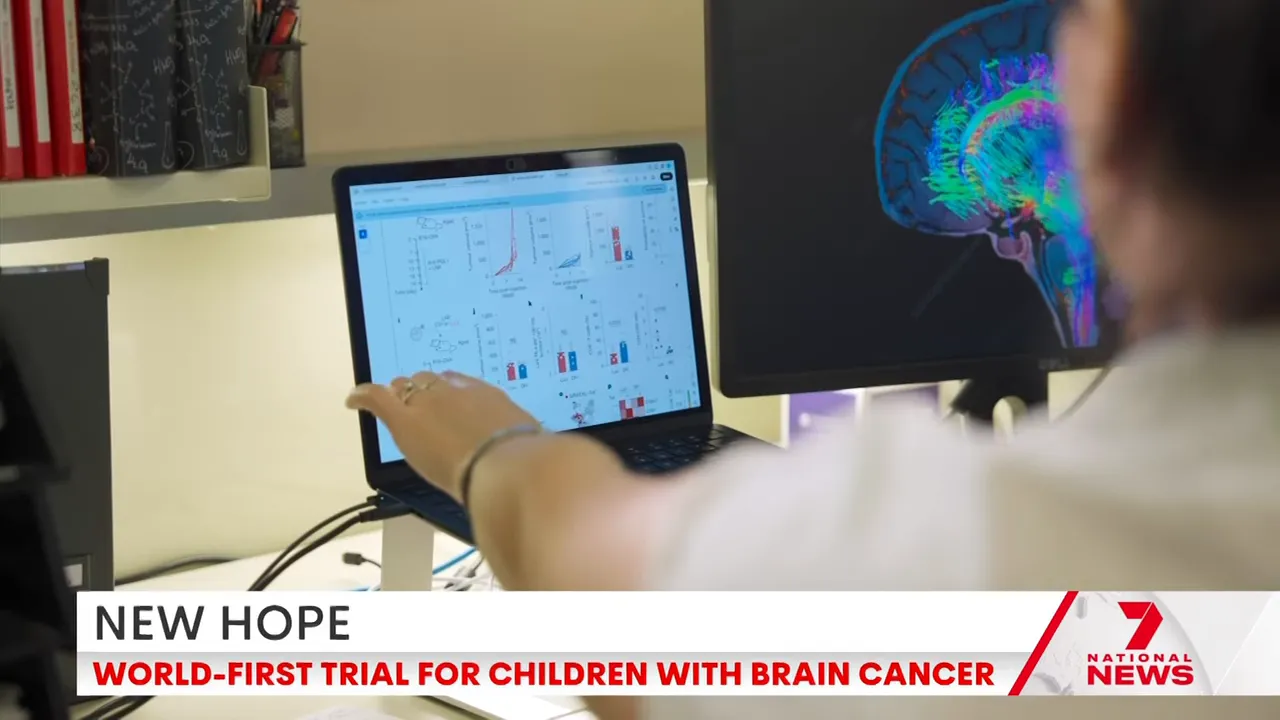
The trial examines each tumour’s genetics to find variations that are unique to that tumour and the child. Researchers then design a messenger RNA vaccine intended to train the immune system to recognise and attack those tumour-specific changes.
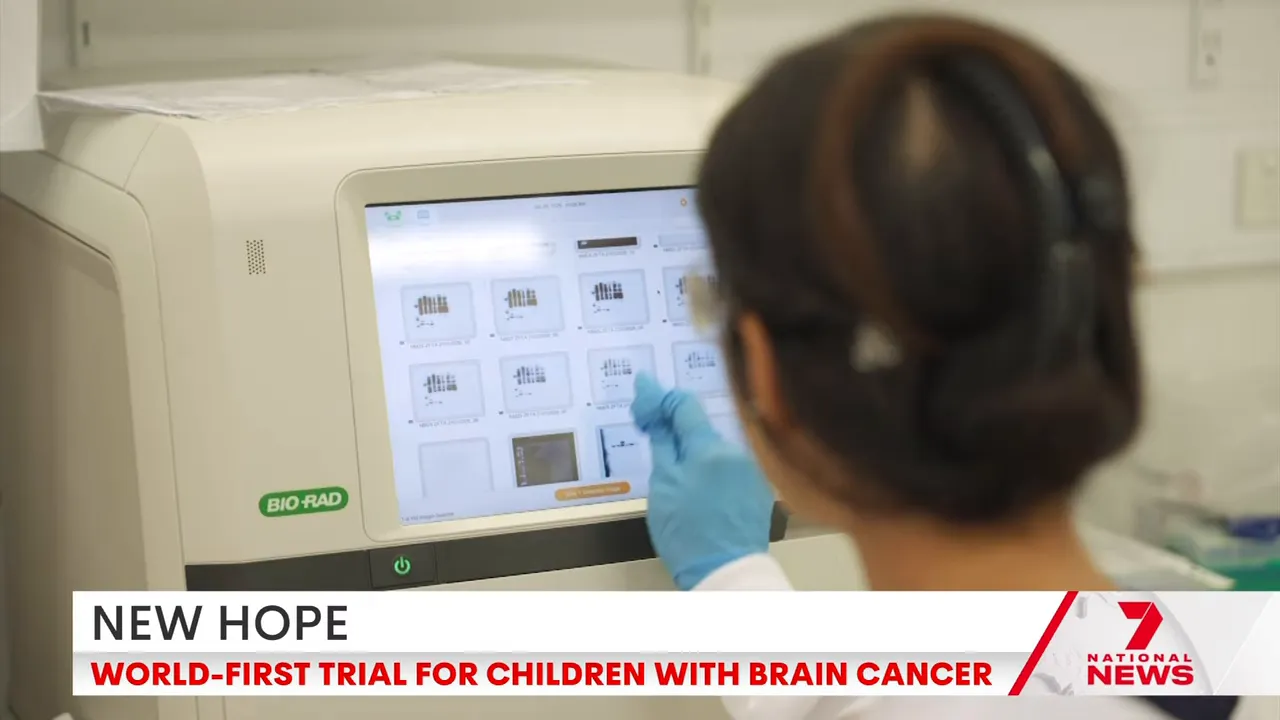
This approach uses the same basic technology behind recent mRNA vaccines but adapts it to target individual cancers rather than infectious diseases. The personalised nature aims to improve precision and reduce off-target effects.
Who will take part, where and when
The trial is aimed at children with aggressive brain tumours who currently face limited survival prospects. Trials will be rolled out at eight hospitals across Australia later this year.
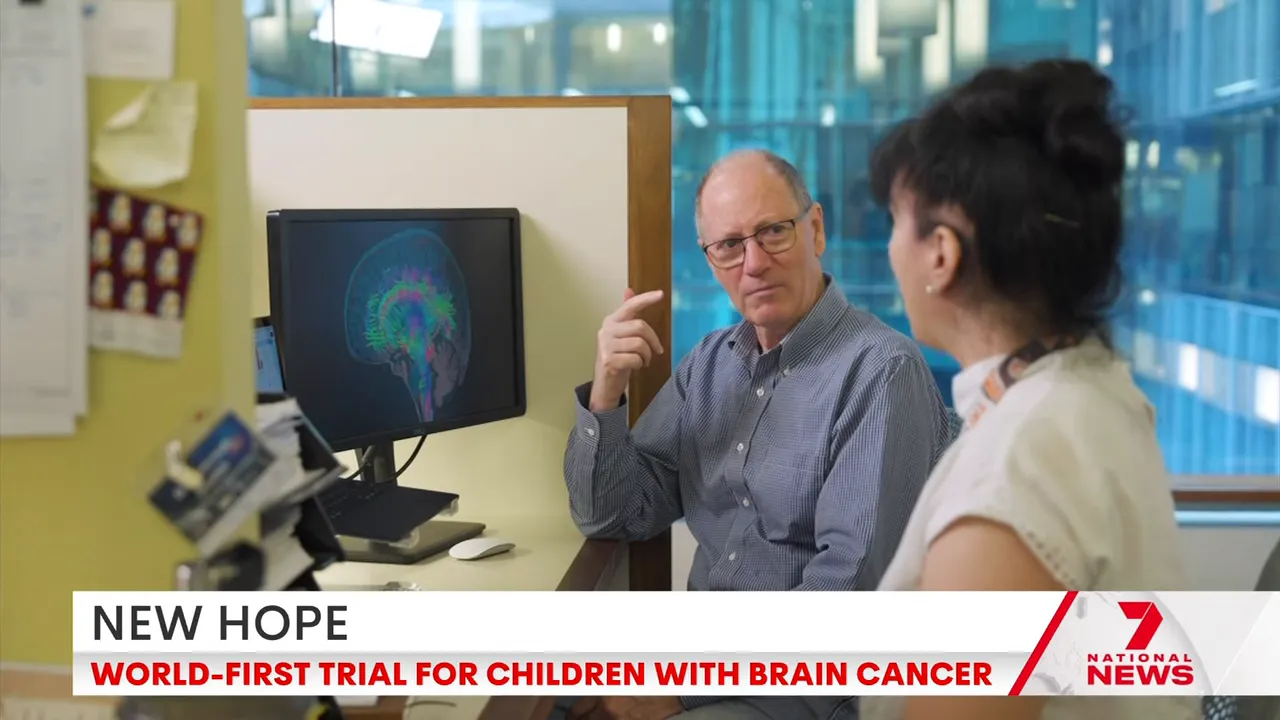
Families are encouraged to speak with their child’s oncologist for eligibility details and referral information. Clinicians will assess whether the child’s tumour genetics and clinical situation are suitable for a personalised vaccine approach.
Why this matters
Brain cancers in children can be rapidly progressive and hard to treat with conventional therapies. Personalised mRNA vaccines offer a new strategy: instead of broadly attacking dividing cells, they aim to teach the immune system to recognise cancer-specific signals.
If successful, the trial could establish a pathway for tailored immunotherapies in paediatric oncology and create a framework to adapt vaccines to other hard-to-treat cancers.
What families should know
- The trial targets children with limited treatment options and a prognosis of under two years.
- Participation involves genetic sequencing of the tumour, vaccine design, and follow-up to monitor safety and immune response.
- Decisions about joining are made in consultation with treating oncologists and specialist teams.
Key takeaways
- This is a world-first Australian trial using personalised mRNA vaccines in children with deadly brain cancers.
- The treatment is tailored by sequencing each tumour and designing a vaccine to target tumour-specific mutations.
- Trials will run at eight hospitals across Australia starting later this year; families should ask their oncologist for more information.
"We'll look at the genetic makeup of their tumours and find the variation in that genetic makeup of their tumours that is specific to them and their tumour."
Frequently asked questions
Who is eligible for the personalised mRNA vaccine trial?
Children with aggressive brain tumours who have limited standard treatment options and a prognosis of less than two years will be considered. Eligibility is determined by clinicians based on tumour genetics and overall health.
How does a personalised mRNA cancer vaccine differ from standard vaccines?
Standard vaccines target pathogens common to many people. Personalised mRNA cancer vaccines are custom-made to encode tumour-specific mutations from an individual child’s cancer, teaching that child’s immune system to recognise and attack those unique tumour markers.
Where will the trial take place and when does it start?
The trial will be rolled out at eight hospitals across Australia later this year. Families should contact their child’s oncologist for precise locations and timelines.
What should families ask their oncologist?
Families should ask about eligibility criteria, what tumour sequencing involves, potential risks and benefits, logistics of vaccine production and administration, and details about follow-up care and monitoring.
Is this treatment guaranteed to work?
No. This is an early clinical trial aimed at assessing safety and whether the personalised vaccine can provoke an immune response against the tumour. Results will determine whether it becomes a broader treatment option.
The information in this article has been adapted from mainstream news sources and video reports published on official channels. Watch the full video here World-first personalised vaccine trial for childhood brain cancer | 7NEWS


